Trump Faces Unprecedented Bipartisan Backlash After Sharing Racist Video of Obama Family
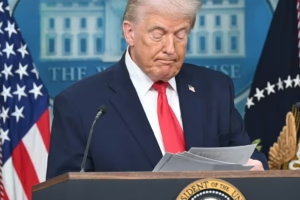
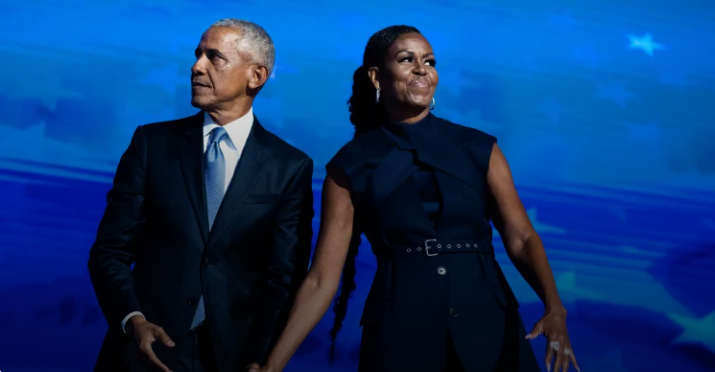
President Donald Trump sparked a major political firestorm by sharing and then deleting a racist video depicting former President Barack Obama and former First Lady Michelle Obama as apes on his Truth Social account — triggering widespread condemnation from both Republican and Democratic leaders, civil rights advocates, and media commentators, even during Black History Month.
This incident raises urgent questions about racial sensitivity, political accountability, and the unchecked use of social media by public officials at the highest levels.
Who? President Donald Trump, former President Barack Obama, and Michelle Obama.
What? Trump posted a video featuring offensive, dehumanizing imagery of the Obamas as apes.
Why? The clip was part of a longer, misleading video promoting false election fraud claims.
Impact? Bipartisan outrage, pressure for accountability, and broader cultural concerns about racism in political communication.
Why this matters now: This comes amid ongoing national debates over racial justice and misinformation. The timing — in February, a month honoring Black history — only intensified reactions and could have lasting political and cultural implications for the Trump presidency.
The Controversial Post and Swift Backlash
Late last Thursday, Trump shared a video on the platform Truth Social that included a brief clip showing the Obamas’ heads superimposed on dancing primates — a historically racist trope used to dehumanize Black people. The video also made baseless claims about the 2020 election being rigged, a familiar theme from Trump’s social media history.
Initially, the White House defended the post, with press secretary Karoline Leavitt dismissing criticism as “fake outrage,” saying it was meant to depict Trump as the “King of the Jungle” in a fictionalized scene. But as pressure mounted, the post was removed from the site, and the administration claimed it had been posted in error by a staffer.
Republican lawmakers were vocal in their condemnation. South Carolina Senator Tim Scott — a Trump ally and the longest-serving Black Republican in the Senate — called it “the most racist thing I’ve seen out of this White House,” urging immediate removal.
Bipartisan Condemnation Signals a Breaking Point
Unlike many past controversies, this incident drew strong criticism from both sides of the political aisle — something rarely seen in today’s polarized environment. Republican senators, including Mike Lawler and Roger Wicker, publicly said Trump’s post was offensive and “unacceptable,” urging apologies and action.
Democrats were equally forceful. House Democratic Leader Hakeem Jeffries called on GOP leaders to reject the post’s “disgusting bigotry,” and others highlighted the dangerous use of racially charged imagery in political discourse.
Civil rights groups such as the NAACP described the episode as blatantly racist and emblematic of an expanding culture of racial insensitivity
Social Media, Misinformation, and Political Messaging
The inflammatory video was part of a broader trend in Trump’s online communication strategy — one that often blends political messaging with misleading or emotionally provocative content. The original source appeared to be a longer AI-generated video meant to cast Trump as dominant and Democrats as caricatures, echoing elements from popular culture like The Lion King.
Social media platforms like Truth Social, which lack many content moderation policies found on larger networks, have allowed these kinds of posts to spread quickly among supporters — and to be amplified by top public officials without clear oversight. Critics argue this loophole contributes to misinformation and racial tensions, especially when sensitive symbolism is involved.
Historical and Cultural Weight of the Imagery
Depictions of people of African descent as apes are rooted in a long history of racist propaganda used to justify slavery and segregation. This context makes the imagery especially harmful and triggers deep cultural wounds for many Americans.
Even past incidents — such as controversial memes and false conspiracy theories circulated during Trump’s first presidency — reflect a pattern where provocative imagery is weaponized for political effect. Ethnic and civil rights advocates say this pattern has real consequences, including further inflaming racial divisions.
Political Fallout and Accountability Questions
Republican leaders who have supported Trump in the past now find themselves defending against accusations that their party tolerates or enables racist content. This internal tension could affect GOP unity ahead of midterm elections or other key political battles.
Meanwhile, critics say the White House’s explanation — blaming a staffer — is not sufficient accountability for a post that was live for hours and seen by millions. Some commentators warn that the absence of transparency sets a dangerous precedent for political communication.
What Comes Next: Voters, Media, and the Broader Conversation
This incident is likely to shape public discourse for weeks, especially among independent voters who may view it as another example of divisive politics. It also reinvigorates discussions about the responsibilities of public figures when sharing content in the digital age, particularly during periods that honor marginalized communities.
Whether this will have a measurable impact on Trump’s approval ratings — especially among Black voters — remains uncertain, but the backlash demonstrates how quickly national sentiment can shift when racial issues are at the forefront.
Subscribe to trusted news sites like USnewsSphere.com for continuous updates.