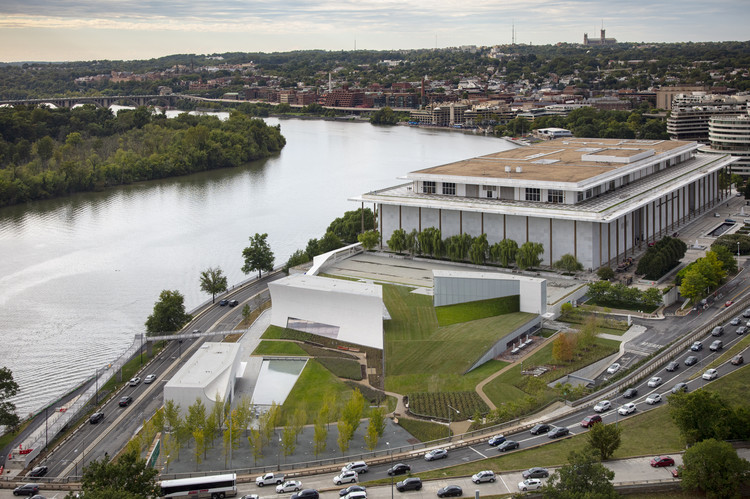
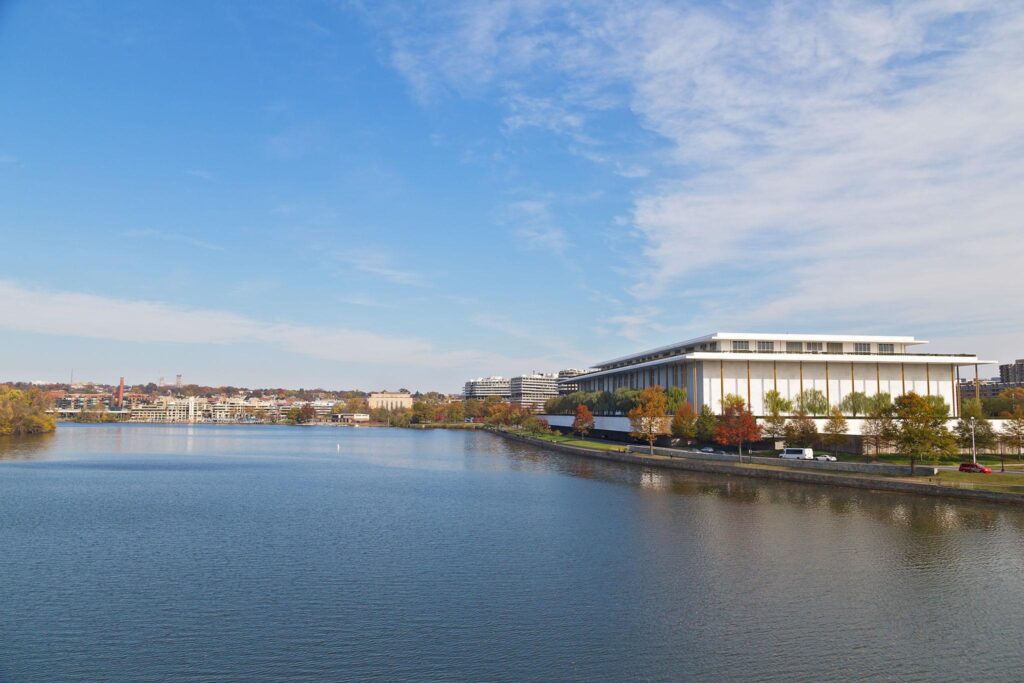
Trump’s decision to shutter the Kennedy Center for two years starting July 4, 2026, has sent shockwaves through the U.S. arts community, igniting debate over the future of the nation’s premier performing arts venue. President Donald Trump, serving as chairman of the center’s board after dramatically reshaping its leadership. What: A temporary halt to all entertainment operations at the John F. Kennedy Memorial Center for the Performing Arts to undertake extensive renovations and rebranding. Why: Trump claims the overhaul will transform the center into a world-class venue of “success, beauty, and grandeur.” Impact: Artists are cancelling performances, major organisations are leaving, and critics argue the move politicises a cultural institution. Why this matters now: With the closure set to coincide with America’s 250th anniversary and growing public backlash, this landmark decision marks one of the most controversial cultural policy moves in recent U.S. history.
Trump’s Vision: Renovate and Rebrand the Kennedy Center
President Trump’s announcement on social media that the Kennedy Center will cease all entertainment operations for about two years reflects his broader agenda to redefine established U.S. cultural landmarks. The plan calls for a complete renovation of the venue’s facilities and infrastructure, with the intention of reopening as an elevated institution of national prestige. According to Trump, the decision followed a yearlong review involving contractors, arts consultants, and board advisors, who concluded that a full closure would allow faster and higher-quality construction than piecemeal upgrades.
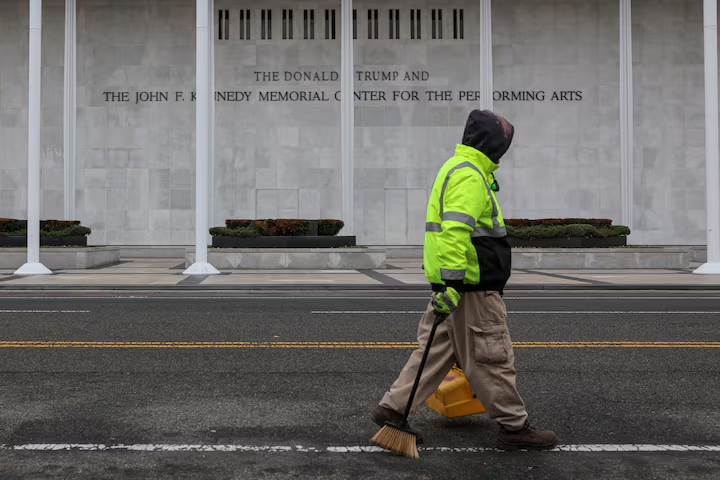
Trump has increasingly placed his personal stamp on federal cultural institutions since returning to office. In December 2025, the Kennedy Center’s board—reconstituted under Trump’s influence—voted to add his name to the institution, renaming it the Donald J. Trump and the John F. Kennedy Memorial Center for the Performing Arts. While Trump claims the changes are necessary to modernise the historic venue, critics say these moves lack legal authority and undermine the institution’s original mission.
Backlash From Artists and Organisations
The announcement has triggered widespread pushback across the artistic community. In recent months, a growing number of high-profile performers and institutions have publicly withdrawn from scheduled engagements at the center. Among them are the touring production of the blockbuster musical Hamilton, composer Philip Glass, and opera companies that had long been associated with the venue’s programming. Many cited discomfort with the leadership changes and the center’s new cultural direction as their primary reason for pulling out.
The Washington National Opera—after more than four decades at the Kennedy Center—has also announced plans to relocate its productions. These departures highlight deepening fractures between the institution’s leadership and the broader U.S. arts community, raising concerns about whether the Kennedy Center’s reputation as a hub of artistic excellence can be preserved under its new governance.
Political and Legal Controversies Surrounding the Move
Critics argue that Trump’s decisions go beyond mere renovation strategy and veer into political overreach. Lawmakers from both parties have questioned the legality of renaming and repurposing a national cultural institution without explicit congressional approval, as the original Kennedy Center was established and funded by Congress. Some members of the Kennedy family have also voiced opposition, asserting that the changes distort the legacy of the late President John F. Kennedy and the institution’s founding purpose.
Beyond the legal debate, the closure comes at a time of declining ticket sales and diminished donor confidence, circumstances that some congressional critics attribute to mismanagement following the leadership overhaul. This has intensified calls for greater oversight and transparency, with many suggesting that federal lawmakers should intervene to protect the center’s future.
Operational Challenges and Uncertain Future
Operationally, the closure raises immediate questions about the center’s scheduled performances and revenue. The Kennedy Center typically hosts more than 2,000 events per year, spanning music, theatre, dance, and education programs. With all entertainment operations slated to halt, organizers and venue staff are scrambling to relocate planned events or negotiate cancellations without alienating ticket holders.
National cultural figures and arts administrators have sounded the alarm about the potential loss of economic activity tied to the center’s closure, including impacts on tourism and local small businesses that benefit from event traffic. Additionally, staff morale has reportedly fallen amid uncertainty about job security and the direction of the institution’s artistic priorities.
Reactions From Communities and Leaders
Public reaction is sharply divided. Supporters of Trump’s decision laud the planned overhaul as a necessary modernization of a historic site that has suffered from decades of deferred maintenance. They argue that a complete closure allows for efficient construction and a grand reopening timed with the nation’s semiquincentennial celebrations.
Opponents, including cultural leaders and advocacy groups, warn that the disruption could weaken the United States’ global leadership in arts and culture. They argue that the center was intended as a nonpartisan space for artistic expression, and recent actions have jeopardized that legacy. Congressional hearings and public debates are now anticipated as lawmakers debate the legality and wisdom of the closure.
What Comes Next: Reopening and Legacy
The board’s approval is required before the closure and renovation plan can move forward. Trump and his allies remain committed to their vision of a revitalized Kennedy Centre emerging from its two-year hiatus as an unmatched cultural institution. The scheduled grand reopening aims to draw widespread attention and position the center as a showcase for artistic innovation and national pride.
However, the broader impact of these changes on the Kennedy Center’s mission, reputation, and community support will unfold over time. For now, the two-year closure stands as a symbol of broader debates over cultural identity, political influence, and the role of national institutions in American life.
Subscribe to trusted news sites like USnewsSphere.com for continuous updates.