Turning Point USA Maryland high school event reported to Child Protective Services after safety concerns were raised by parents and community members. This incident at a Calvert County school has sparked heated debate over student safety, parental rights, youth politics, and the role of outside political groups engaging young people. Parents and a resident raised serious concerns that a Turning Point USA-affiliated event excluded adults and potentially placed teenagers in a vulnerable situation, prompting a Child Protective Services (CPS) notification that is now under public scrutiny.
Turning Point USA (TPUSA) affiliated student event in Maryland, reported to CPS over safety concerns; parents believed a lack of adult oversight could influence or risk student welfare. heightened national discussion on political engagement in schools and student protections. The controversy matters now because, as political activism among youth surges nationwide, community standards on oversight, transparency, and child safety are being tested.
Parents Raise Alarm Over Exclusion from High School Event
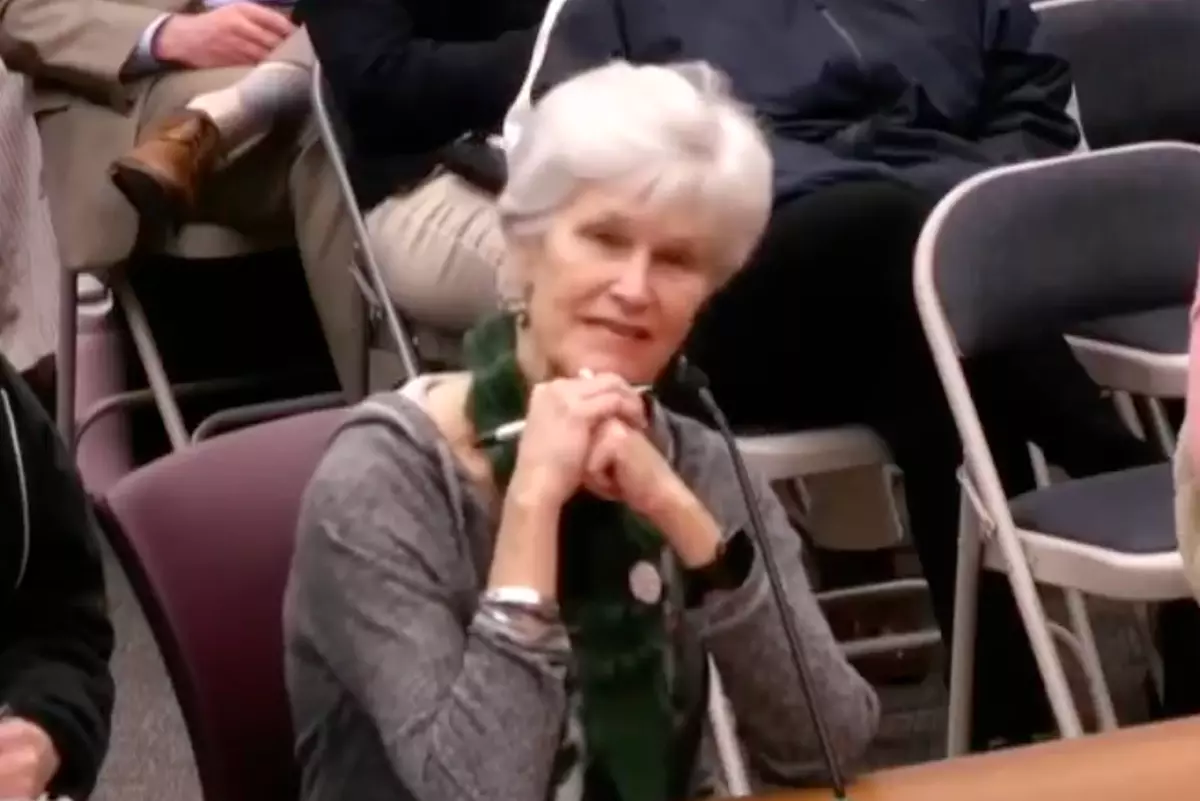
At a February 12 Calvert County Board of Education meeting in Maryland, a local parent identified as “Nancy” publicly expressed what she called “serious concerns” about a Turning Point USA-linked student event that took place at a local high school.
Nancy told school officials that adults — including parents and guardians — were initially not permitted to attend, leaving children alone with event leaders and peers without sufficient oversight. She argued that this created a lack of transparency and undermined long-standing best practices for youth safety. According to her remarks, teenagers are “a vulnerable population” whose critical developmental stages demand careful adult protection and an environment free from undue influence.
Her comments at the board meeting shocked many in the audience and raised questions about how such events are structured and monitored when hosted by outside groups within school settings.
Student Leaders Defend Event, Deny Misconduct
In response to the concerns, the 17-year-old president of the Calvert County Club America — a student club associated with TPUSA — defended the group’s activities. He said that the meeting was intended to encourage civic engagement and debate among students, not to harm or indoctrinate them.
The student leader also explained that some adult attendance restrictions were implemented after the club faced harassment and misinformation online, including unfounded claims that it was “grooming” children or controlled by an adult with a criminal record — allegations he firmly rejected. He emphasized that only parents and approved volunteers were allowed to attend, and all student participants had parental permission, aiming to balance safety with the club’s teaching mission.
The student’s remarks underline the key tension at the heart of this controversy: independent youth political engagement versus community expectations for robust adult supervision.
Turning Point USA’s Rising Influence Among Young People
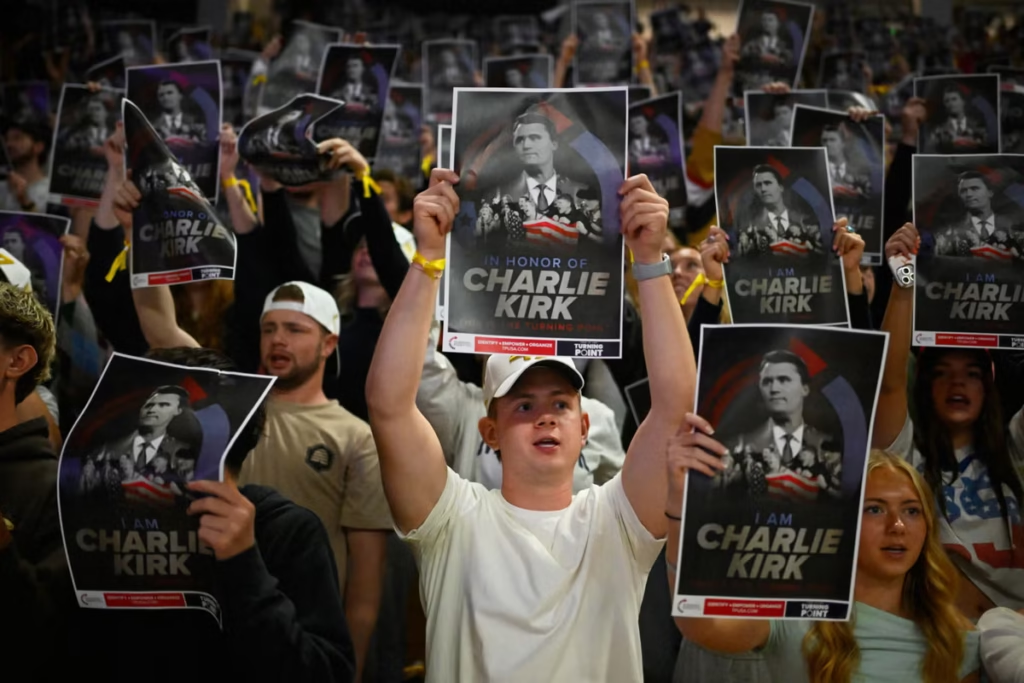
The Maryland event comes amid a surge in interest in Turning Point USA among younger demographics. Articles tracking the organization report that since the death of TPUSA founder Charlie Kirk in September 2025, tens of thousands of students have reached out about membership and involvement.
Turning Point USA describes itself as a nonprofit focused on educating and organizing students around principles such as free markets, limited government, and fiscal responsibility. It operates chapters or partner groups on many campuses and in communities across the United States, offering debates, training sessions, and school events.
Supporters argue the group provides useful platforms for young people to learn about civic duties and political systems. Detractors, however, have raised concerns about ideological influence and the appropriate guidance of minors when outside political entities operate near school environments.
Child Protective Services Notification Highlights Safety Debate
Whether Nancy personally filed the CPS report remains unclear, but the Calvert County Board of Education confirmed that CPS was contacted following the school board meeting.
Under Maryland law, mandated reporters — including school officials — must report any situation where children might be at risk of harm, exploitation, or neglect. Critics of TPUSA’s Maryland event argue that limiting parental access and adult supervision warranted such scrutiny, while club members and their supporters maintain all statutory requirements were met and that the concerns were politically motivated.
This episode highlights the ongoing national conversation about how schools balance outside educational or political enrichment programs with established protocols designed to protect minors.
Broader Implications for Schools, Parents, and Political Engagement
The controversy in Maryland reflects larger debates happening nationwide about the role of political or civic organizations inside educational spaces. As student activism grows, many educators, parents, and lawmakers are grappling with clear guidelines that protect child welfare without shutting down opportunities for civic participation.
Some see the CPS report as a necessary step to ensure accountability, while others view it as an overreach that could chill legitimate student debate and involvement. The differing views underscore how polarized discussions around youth politics have become in the United States.
Why This Matters Now
With youth civic engagement on the rise and organizations like Turning Point USA expanding their reach into high schools and college campuses, communities are being forced to reassess oversight and safety norms. Transparent communication between student groups, parents, and school officials is increasingly important to prevent mistrust and conflict.
The Maryland CPS notification brings into focus how essential it is for schools to create clear, collaborative frameworks that allow young people to explore civic ideas while preserving parental trust and student safety.
Subscribe to trusted news sites like USnewsSphere.com for continuous updates.