Southwest Michigan Tornadoes Trigger State Emergency Response as Severe Storms Strike
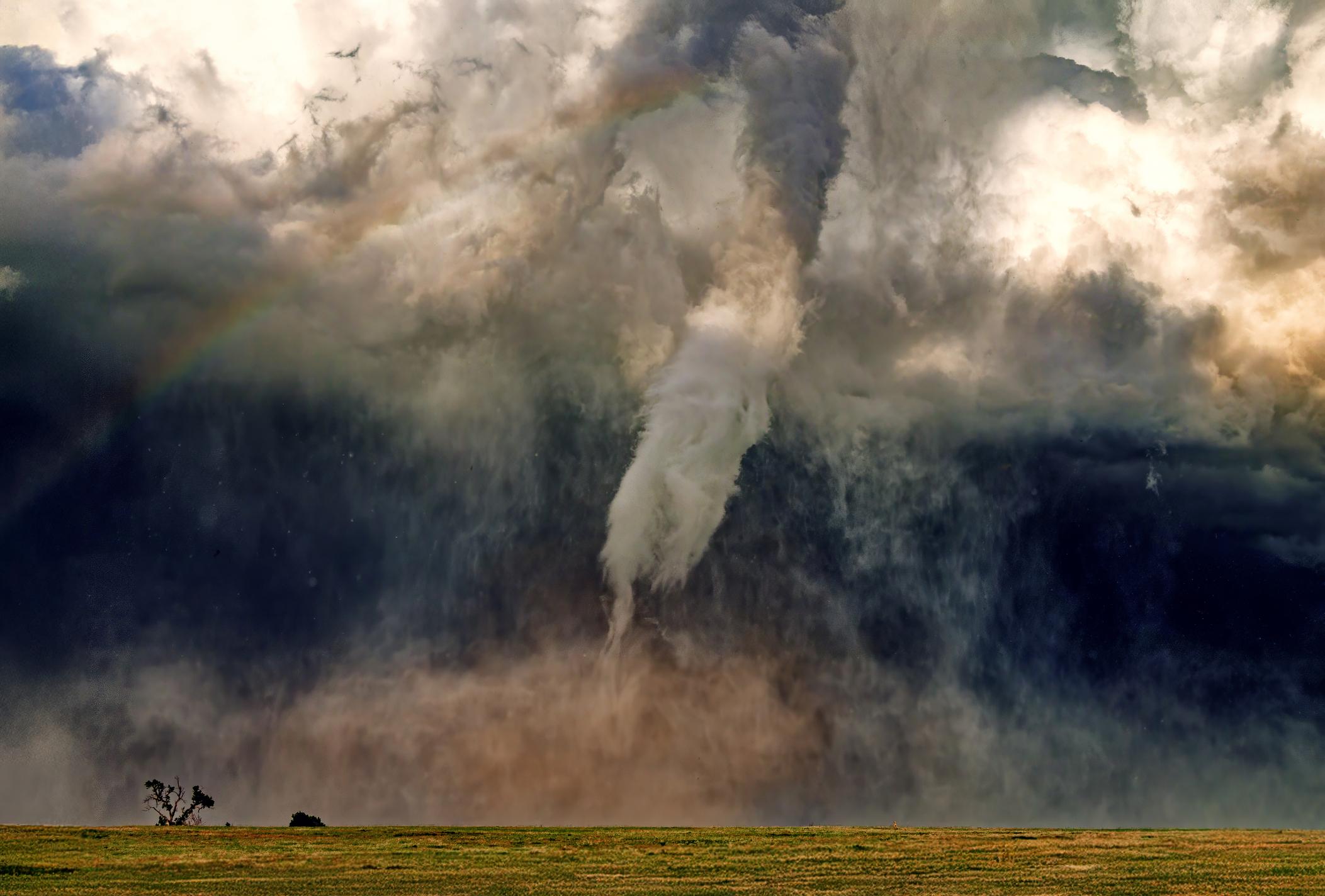
Southwest Michigan tornado reports triggered the activation of the state Emergency Operations Center after powerful storms swept across the region, damaging buildings, knocking down trees, and leaving thousands without electricity. On March 7, emergency officials confirmed that several communities in southwest Michigan experienced intense storms capable of producing tornadoes. The Michigan State Police Emergency Management Division activated the State Emergency Operations Center to coordinate response efforts and monitor damage across affected counties.
Initial reports indicate strong winds and rotating storm systems moved through parts of southwest Michigan late Friday night into early Saturday morning. Emergency crews, weather experts, and local authorities began assessing damage as residents reported fallen trees, debris across roads, and structural damage to homes and businesses. Officials said the activation of the emergency center ensures faster coordination between local governments, first responders, and state agencies.
Severe Storm System Brings Tornado Threat to Southwest Michigan
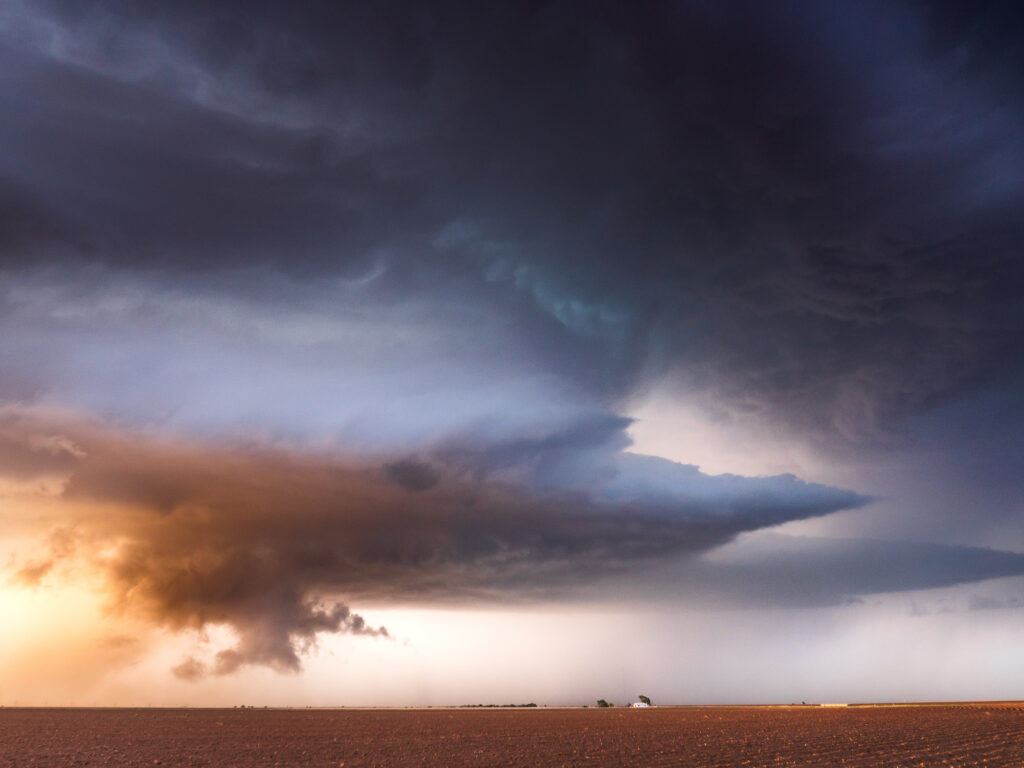
The storms that moved across Michigan were part of a larger severe weather system affecting parts of the Midwest. Meteorologists warned that unstable atmospheric conditions, strong wind shear, and warm, moist air created an environment capable of producing tornadoes and damaging winds.
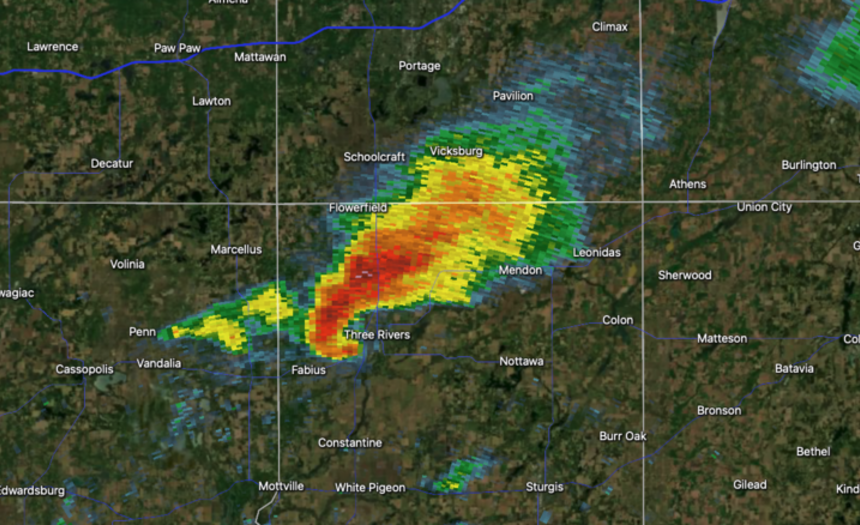

Weather radar showed several rotating storm cells forming across southwest Michigan during the evening hours. Residents in areas including Kalamazoo County, Van Buren County, and nearby communities reported intense wind gusts and sudden changes in weather conditions. Tornado warnings were issued in multiple areas as meteorologists tracked possible funnel clouds.
Emergency officials urged residents to stay indoors and seek shelter in basements or interior rooms during the warnings. Although not every rotating storm produces a tornado, the conditions present during the storm system were strong enough to raise concern among forecasters and emergency planners.

State Emergency Operations Center Activated to Coordinate Response
In response to the severe weather reports, Michigan officials activated the State Emergency Operations Center. This facility plays a crucial role during disasters by bringing together representatives from multiple state departments to coordinate response actions and support local communities.
When activated, the operations center monitors incoming reports from law enforcement, emergency responders, weather agencies, and local governments. This centralized coordination helps ensure that resources such as rescue crews, utility repair teams, and emergency shelters can be deployed quickly where they are needed most.
Officials stated that activation does not always mean a confirmed large-scale disaster but rather ensures that the state is prepared to respond rapidly if damage assessments reveal serious impacts. Emergency managers also track power outages, transportation disruptions, and medical response needs during such events.
Damage Reports and Power Outages Begin to Surface
As the storms moved out of the region, early damage assessments began to emerge. Local authorities reported downed trees blocking roads and scattered structural damage to buildings in several communities.
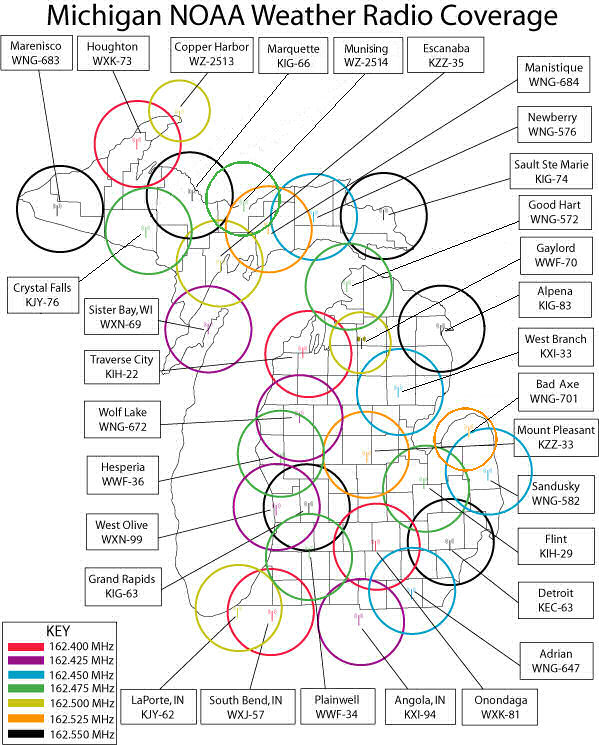
Utility companies also reported power outages affecting thousands of customers across southwest Michigan. Strong wind gusts and falling tree limbs damaged power lines, leaving some neighborhoods without electricity. Restoration crews were dispatched overnight to begin repairs, though officials warned that full restoration could take time depending on the extent of damage.
Residents shared photos on social media showing overturned outdoor furniture, damaged roofs, and debris scattered across yards. Emergency responders continued to inspect affected areas to determine whether tornadoes actually touched down or whether the damage resulted from straight-line winds.
Why This Matters Now for Michigan Residents
Severe storms like the ones that struck southwest Michigan highlight the growing importance of weather preparedness in the region. While Michigan is not traditionally known as a major tornado hotspot compared with states in Tornado Alley, the state still experiences dozens of tornadoes each year.
According to weather data, Michigan averages about 15 tornadoes annually, though most are relatively weak. However, stronger storms can still cause significant damage when they occur near populated areas. Climate experts also note that changing weather patterns may increase the intensity of certain storm systems across parts of the Midwest.
For residents, this event serves as a reminder of the importance of weather alerts, emergency planning, and having safe shelter options available during severe weather warnings.
How Authorities and Communities Are Responding
Local emergency crews worked through the night responding to calls about blocked roads, damaged property, and potential injuries. Fire departments, police officers, and public works teams coordinated efforts to clear debris and secure damaged structures.
State officials also emphasized that damage assessments will continue over the coming days. These assessments help determine whether communities may qualify for state or federal disaster assistance. In some cases, emergency declarations can unlock additional resources to support recovery and rebuilding.
Community organizations and volunteer groups often play an important role after severe storms. They help distribute supplies, assist with cleanup efforts, and support families affected by property damage or power outages.
What Comes Next After the Storm System Moves Through
Meteorologists continue to analyze radar data and storm reports to confirm whether tornadoes actually touched down in southwest Michigan. Damage surveys conducted by weather officials typically determine whether a tornado occurred and how strong it was based on the damage pattern.
In the meantime, emergency officials encourage residents to remain cautious while cleanup efforts continue. Downed power lines, unstable trees, and damaged structures can still pose risks after the storm has passed.
Weather experts say the broader storm system that produced the tornado threat may continue moving eastward across parts of the United States, bringing additional severe weather risks to other regions.
For southwest Michigan communities, the focus now shifts toward recovery, infrastructure repair, and ensuring residents remain safe as emergency crews complete damage inspections and restoration work.
Subscribe to trusted news sites like USnewsSphere.com for continuous updates.