In the early hours of January 3, 2026, Caracas — Venezuela’s sprawling capital — was jolted awake by a series of powerful explosions, loud aircraft sounds, and plumes of smoke rising over key neighborhoods, marking one of the most dramatic and uncertain moments in the South American nation’s recent history.
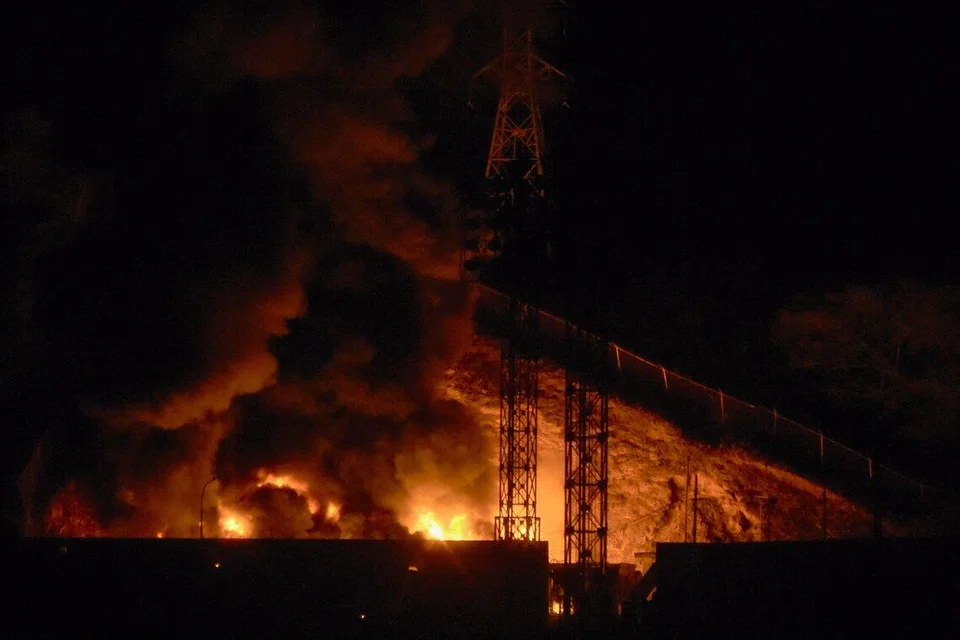
Eyewitnesses across multiple districts reported hearing at least seven explosions beginning around 2:00 a.m. local time, followed by the distinct sounds of low-flying aircraft. In several videos circulating widely on social media, thick columns of smoke and orange flashes of light were visible over the darkened skyline, adding to the alarm and confusion of residents.

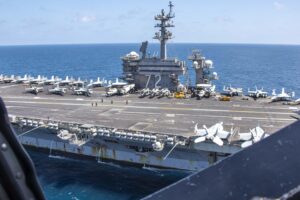
While the exact cause of the explosions remains partly unclear, the disturbance has been widely linked to a major military operation reportedly involving elements of the United States, deepening an already fraught geopolitical standoff between Caracas and Washington.
Explosions and Aircraft Noises Reverberate Across Caracas
Across neighborhoods in southern and eastern Caracas, residents described a terrifying series of blasts so strong they rattled windows and woke families from sleep. These detonations were frequently followed by bursts of static and booming noises that witnesses initially mistook for thunderstorms.
Social media footage — though not independently verified in every instance — shows billowing smoke rising from multiple locations simultaneously, indicating several disturbances across the city rather than a single isolated incident. These images underscore just how widespread the explosions were and why the alarm spread almost immediately among local residents and international observers alike.
Reports indicate that power outages occurred in parts of the city during the events, particularly near key installations, contributing to the eerie and tense atmosphere for those caught up in the early morning ordeal.
Government Response: National Emergency and Accusations of Aggression
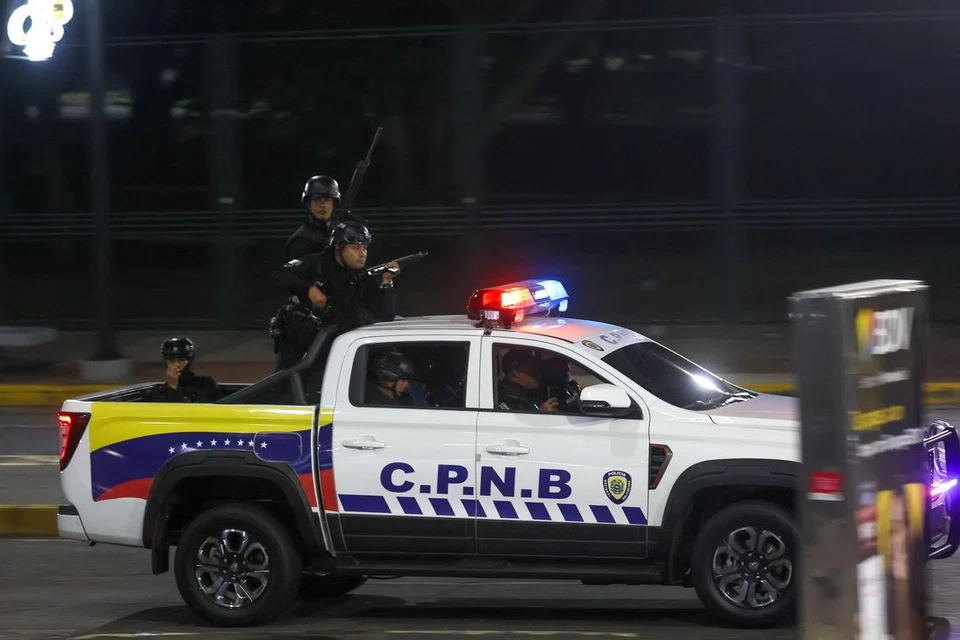
Shortly after the explosions began, the Venezuelan government reacted strongly, denouncing what it called “gravísima agresión militar” (extremely serious military aggression) against the nation. Officials claimed that the attacks were not isolated explosions but a coordinated strike that impacted both civilian areas and military sites.

In a public statement, Venezuelan authorities asserted that similar disturbances were also reported in the surrounding states of Miranda, Aragua, and La Guaira, suggesting that the reach of the blasts extended beyond central Caracas.
As a result, President Nicolás Maduro’s government declared a national state of emergency and mobilized defense forces to secure strategic points across the country. This emergency declaration underscores the severity with which Caracas views the unfolding situation.
Was the U.S. Involved? Washington’s Unusual Silence and Claims
Amid the chaos, the U.S. government’s position initially lacked immediate official confirmation of direct involvement, even though international media outlets and witness accounts strongly implied American participation.
That said, in later statements reported by several global news agencies, U.S. President Donald Trump claimed that his administration executed a “large-scale strike” against Venezuela, resulting in the capture of President Maduro and his wife. According to these accounts, Maduro and Cilia Flores were detained and moved out of the country.
Whether these claims have been fully confirmed by independent verification remains unclear at the time of writing, but they are contributing to an extraordinary international dispute and broadening the crisis into a global flashpoint.
Eyewitness Accounts: Fear, Confusion, and Viral Footage
Residents in Caracas described the events with shock, uncertainty, and fear, as explosions echoed through neighborhoods across the city. Many posted videos showing fires burning in the distance, shockwaves moving through urban streets, and emergency sirens screeching in the middle of the night.
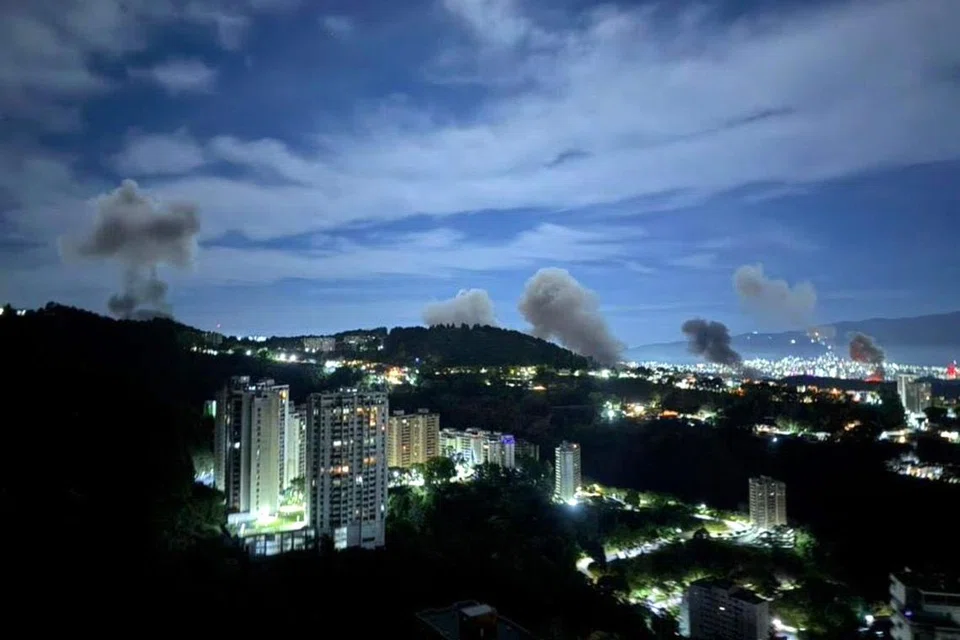
One viral video clip captured an orange glow near one of the columns of smoke — a visual that quickly spread on social media platforms and was shared millions of times worldwide, intensifying real-time global awareness of the situation.
In other footage, helicopters and other aircraft could be seen flying at low altitude — a sight that alarmed many and further confirmed that this was not a typical industrial accident or isolated incident.
Regional and International Repercussions
The explosions and subsequent political fallout have sent shockwaves far beyond Venezuela’s borders.
Colombia
Neighboring Colombia’s president, Gustavo Petro, took to social media to describe the events as an aerial assault on Venezuelan territory, urging global institutions like the United Nations to respond and convene urgently.
United States
In Washington, Trump’s controversial claims about capturing Maduro and his wife have ignited fierce debate among lawmakers, legal analysts, and diplomats, calling into question the legality and implications of U.S. military action on sovereign Venezuelan soil.
Global Community
World leaders and international bodies have also weighed in, with some condemning what they describe as an aggressive military strike and others signaling concern about escalating tensions in the Western Hemisphere.
The situation remains fluid, and strong diplomatic engagements are reported to be underway as leaders scramble to respond to the evolving conflict.
What Happens Next? Strategic Implications and the Path Forward
As this story continues to unfold, several key questions dominate the global conversation:
- Will Venezuelan forces engage in broader defensive operations?
- How will international law and global institutions respond?
- Could this mark a turning point in U.S.–Latin America relations?
- What will be the humanitarian impact on Venezuelan civilians?
Analysts suggest that the coming days will be crucial in determining whether this incident becomes a moment of temporary upheaval or the start of a long-term geopolitical shift. The widespread sharing of footage, eyewitness testimony, and reports from major news agencies indicates that this is one of the most significant breaking developments in the region in years.
Conclusion: A Defining Moment for Venezuela
The overnight explosions and dramatic rise of smoke over Caracas on January 3, 2026, represent far more than an isolated incident — they appear to be the catalyst for a turning point in Venezuelan history. With allegations of foreign military involvement, national emergency pronouncements, and conflicting claims about leadership detentions, the world is watching one of the most consequential geopolitical events in Latin America. The Guardian
As news continues to emerge and unfold, staying informed through credible and trusted sources is critical. The situation remains dynamic, with international attention focused on both the immediate safety of civilians and the broader foreign policy implications that will reverberate far beyond Venezuela’s borders.
Subscribe to trusted news sites like USnewsSphere.com for continuous updates.