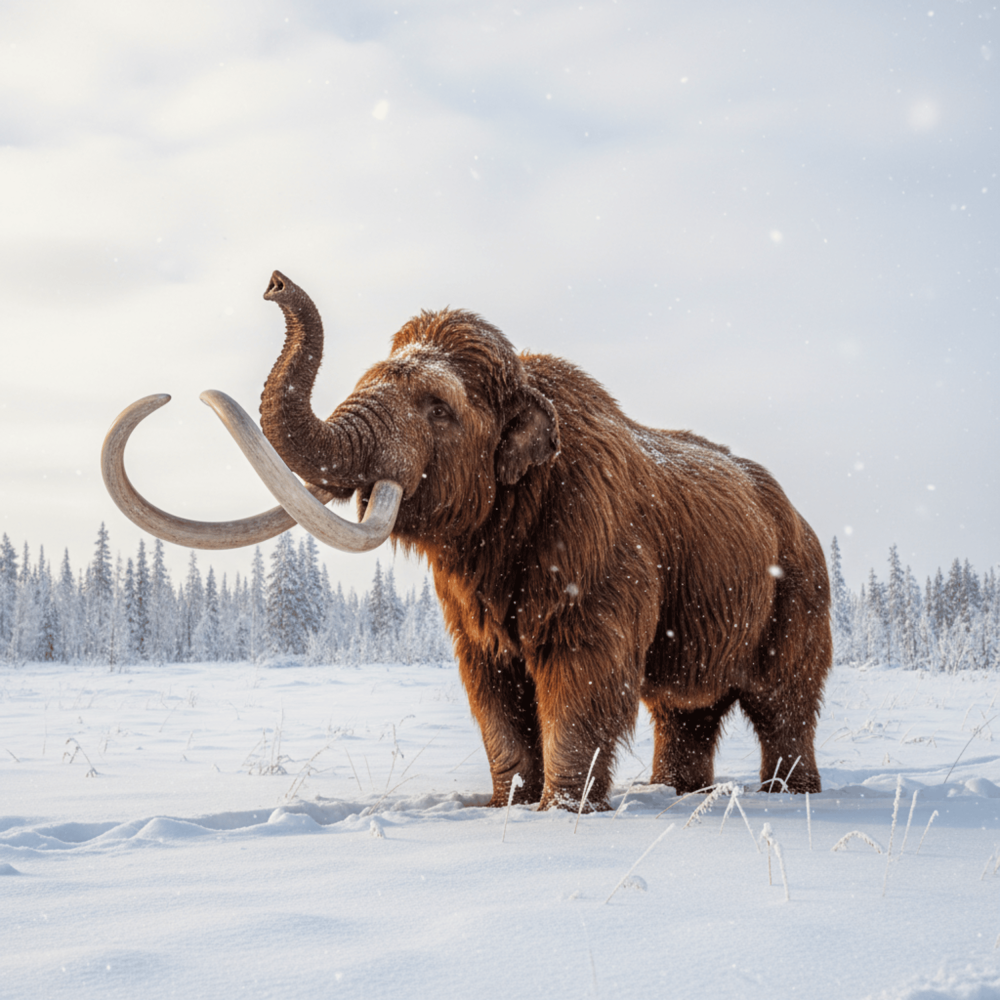
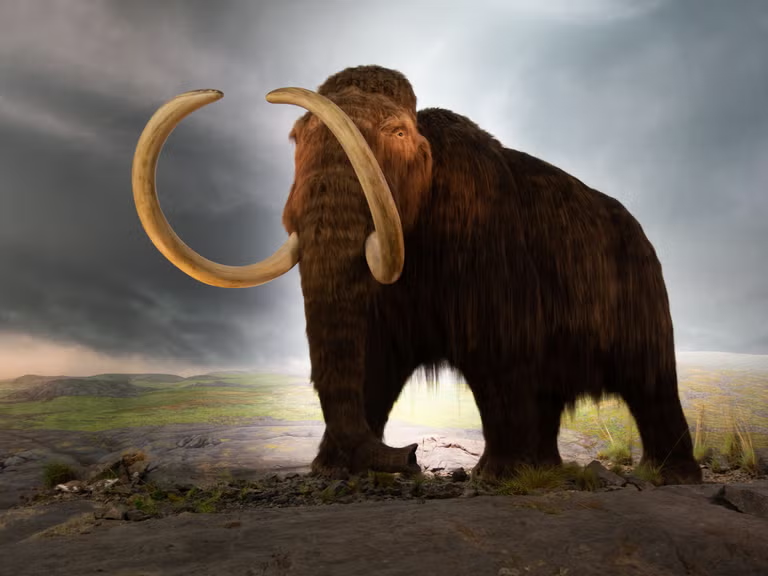
Woolly mammoth comeback is no longer just a science fiction idea. Researchers are actively working to revive this iconic Ice Age animal using advanced genetic technology. The goal is to combine preserved mammoth DNA with modern elephants to create a hybrid capable of surviving in cold Arctic environments. Scientists believe this project could restore lost ecosystems and slow climate change.
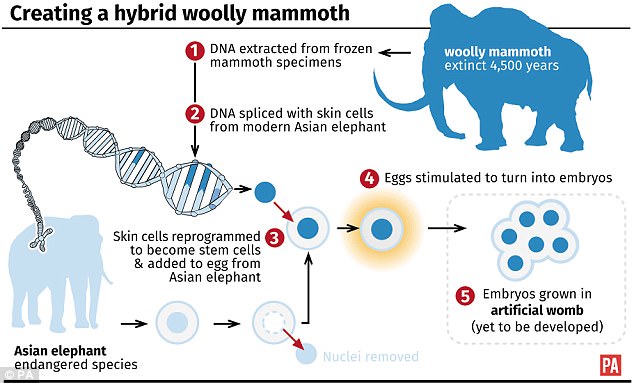
The effort involves biotechnology companies and academic researchers studying frozen mammoth remains discovered in Arctic permafrost. These remains contain genetic material that scientists can analyze and potentially edit into elephant DNA. If successful, the project could produce mammoth-like calves within the next decade. The idea has sparked excitement and debate among scientists, environmentalists, and the public worldwide.
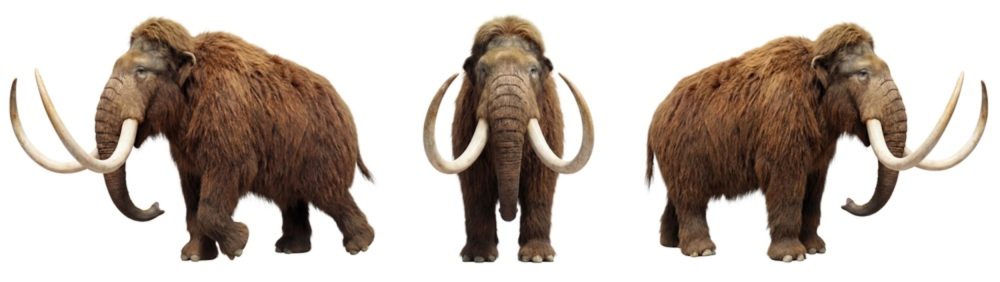
How Scientists Are Attempting to Bring Back the Woolly Mammoth
The process of reviving the woolly mammoth focuses on gene editing and cloning technologies. Scientists extract DNA sequences from preserved mammoth specimens found in Siberian permafrost. Many of these remains are thousands of years old, but the cold conditions help preserve fragments of genetic information.
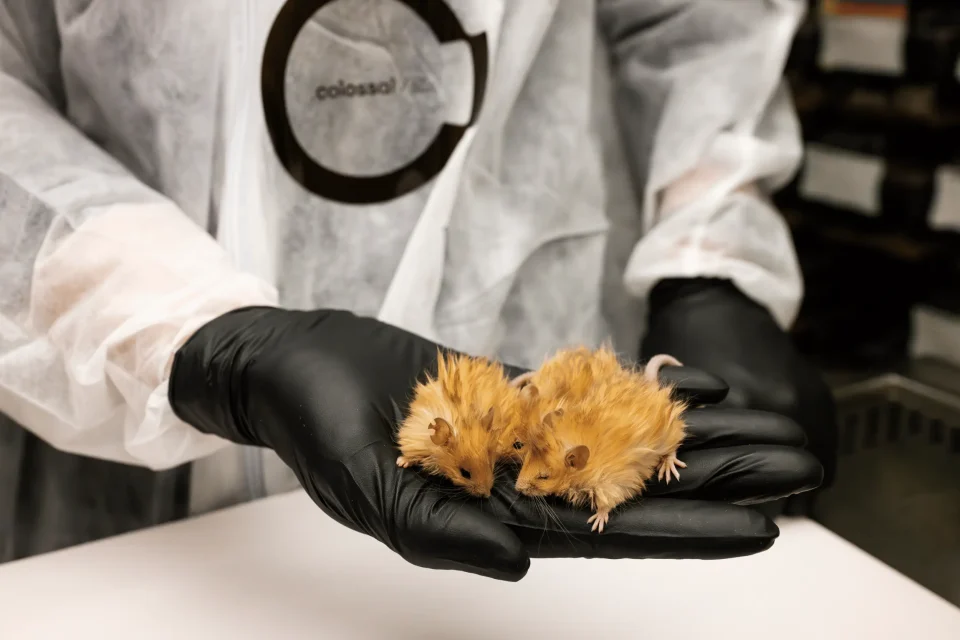
Researchers then compare mammoth DNA with the genome of the Asian elephant, the mammoth’s closest living relative. Using gene-editing tools such as CRISPR, scientists attempt to insert mammoth traits—such as thick fur, fat layers, and cold-adapted blood—into elephant cells. These edited cells could eventually be used to create embryos capable of developing into mammoth-like animals.
Why Scientists Believe Mammoths Could Help the Arctic Ecosystem
Scientists argue that bringing back mammoth-like animals could restore ancient Arctic grasslands known as the “mammoth steppe.” Thousands of years ago, these ecosystems were dominated by large grazing animals that shaped the environment through their feeding and movement.
By trampling snow and grazing vegetation, mammoths helped maintain grassland ecosystems that reflected sunlight and kept the soil colder. Researchers believe reintroducing similar animals might slow the thawing of Arctic permafrost, which currently releases large amounts of carbon dioxide and methane into the atmosphere. If this theory proves correct, mammoth restoration could indirectly help combat climate change.
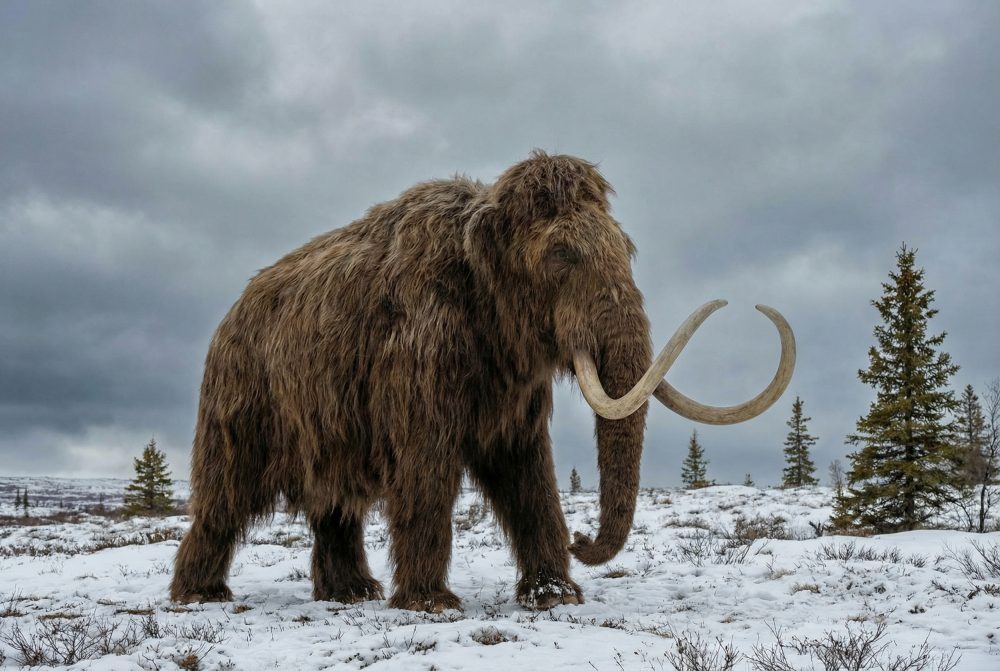
The Scientific Challenges of De-Extinction
Despite promising advances, reviving the woolly mammoth remains extremely complex. One of the biggest challenges is that mammoth DNA recovered from fossils is often fragmented and incomplete. Scientists must reconstruct missing sequences by comparing them with elephant DNA.
Another major obstacle is the ethical and biological challenge of creating viable embryos. Even if mammoth genes can be inserted into elephant cells, the process of developing a healthy animal requires careful testing. Researchers must ensure that the hybrid animals are healthy, capable of surviving in cold climates, and not harmed during the experimental process.
Ethical Questions Surrounding the Mammoth Revival Project
The idea of bringing back extinct species raises serious ethical debates. Some scientists argue that resources spent on de-extinction should instead focus on protecting endangered animals currently facing extinction.
Others believe the technology could actually help conservation efforts. Gene-editing tools developed for the mammoth project might also help protect endangered species by increasing genetic diversity or improving resistance to disease. Supporters say that if used responsibly, de-extinction research could become a powerful conservation tool.
Why the Woolly Mammoth Comeback Matters Now
The woolly mammoth project arrives at a time when climate change and biodiversity loss are major global concerns. Scientists are searching for innovative solutions that could help stabilize ecosystems and reduce environmental damage.
If mammoth-like animals are successfully reintroduced into Arctic environments, researchers believe they could play a role in slowing permafrost thaw and restoring lost habitats. While the idea remains experimental, it represents a bold scientific attempt to use modern genetics to address environmental challenges.
What the Future Could Look Like for De-Extinction Science
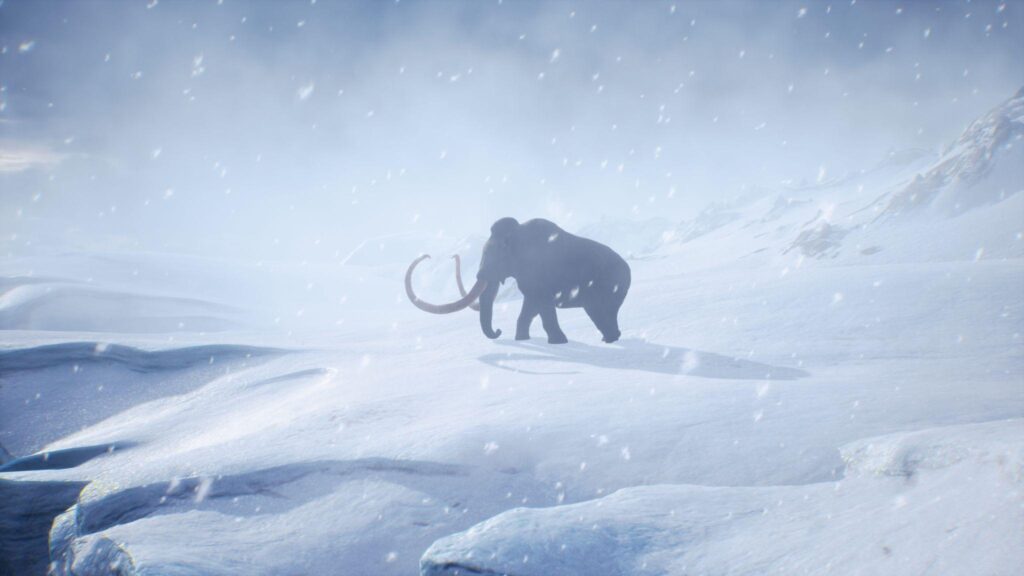
Researchers believe the first mammoth-like calves could potentially appear within the next decade if technological progress continues. These animals would likely live in controlled reserves or Arctic rewilding areas designed to mimic ancient habitats.
The success or failure of this project could influence future de-extinction efforts for other species, such as the dodo or the Tasmanian tiger. As genetic technology advances, scientists may gain new tools to revive lost biodiversity and restore ecosystems damaged by human activity.
Subscribe to trusted news sites like USnewsSphere.com for continuous updates.