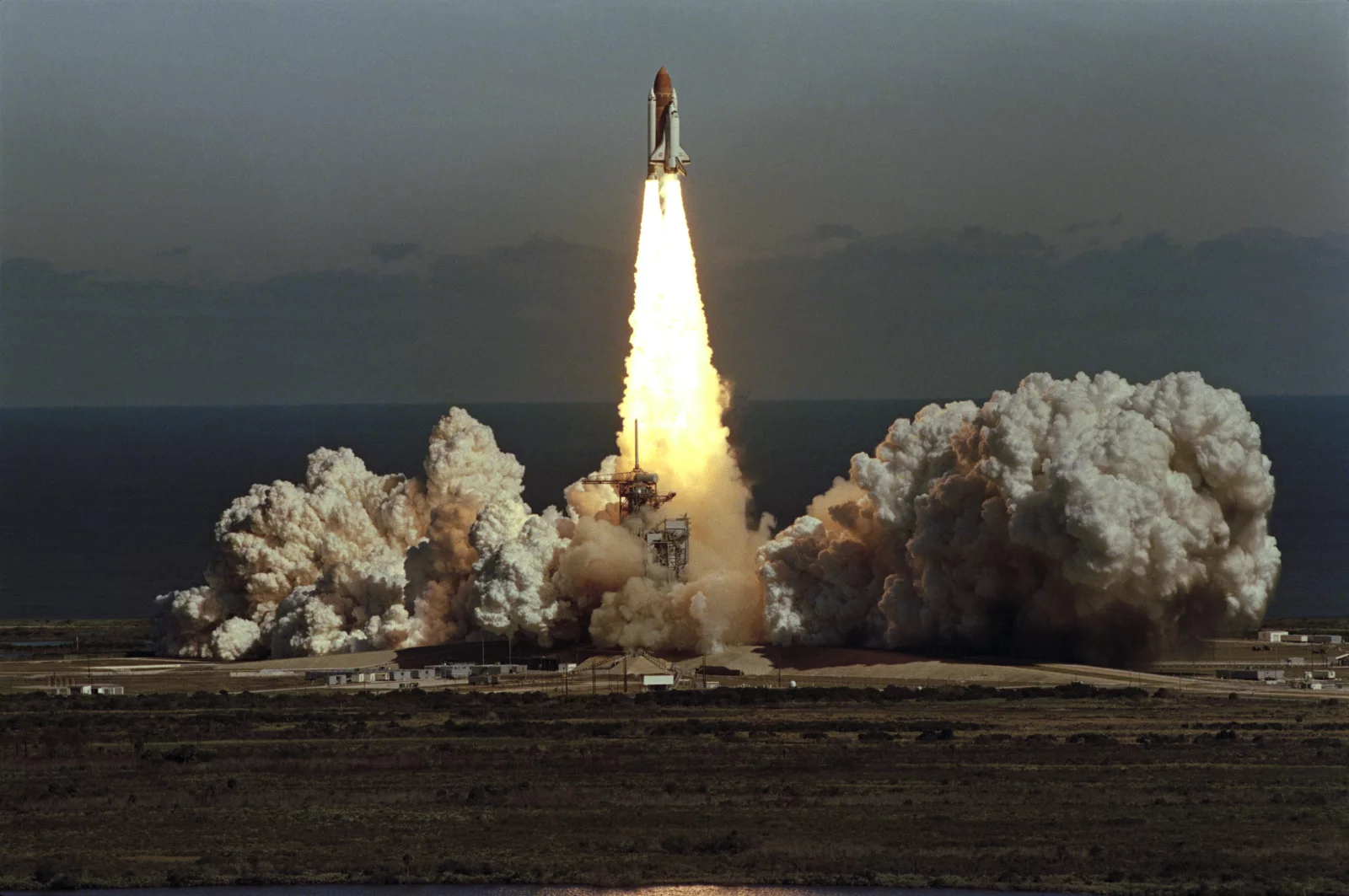
On January 28, 1986, the Space Shuttle Challenger exploded 73 seconds after liftoff, killing all seven crew members and shocking the world with a tragedy broadcast live into classrooms and living rooms across the United States. This event — now marked on its 40th anniversary — shaped how NASA, the public, and future astronauts think about human spaceflight, risk, safety, and exploration. Who was lost, what went wrong, why it still matters now, and how NASA has changed since then are at the heart of this remembrance.
A Historic Launch Turned Tragic
The Challenger shuttle mission — designated STS-51-L — was intended to be a routine flight carrying scientific experiments, satellite deployment tasks, and an unprecedented civilian participant: Christa McAuliffe, a high school teacher chosen from more than 11,000 applicants to take part in NASA’s Teacher in Space Project. Her presence was meant to inspire millions of students nationwide and connect everyday Americans more intimately with space exploration.

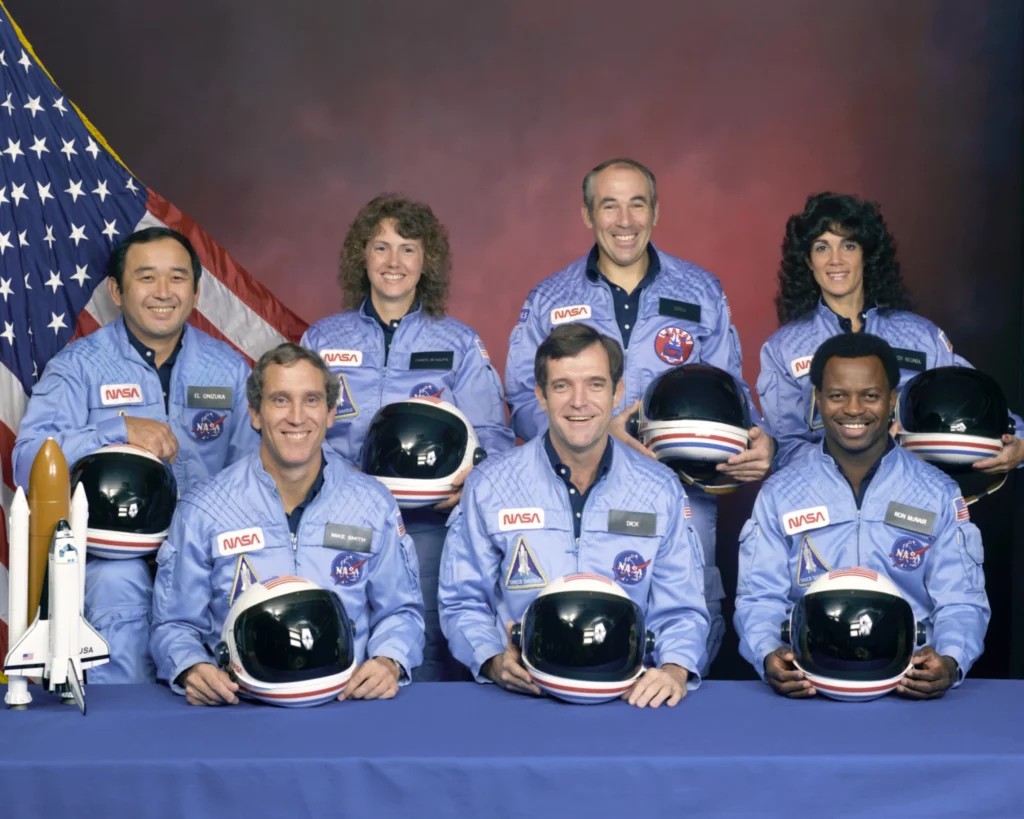
However, just over a minute after liftoff from NASA’s Kennedy Space Center in Florida, a critical failure occurred in one of the solid rocket booster’s O-ring seals. These rubber seals had become brittle due to unusually cold weather at launch that morning, allowing hot gases to breach the booster and ultimately destroying the shuttle. All seven crewmembers — including commander Francis “Dick” Scobee, pilot Michael J. Smith, mission specialists Ronald McNair, Ellison Onizuka and Judith Resnik, payload specialist Gregory Jarvis, and payload specialist and teacher Christa McAuliffe — perished in the explosion.
This disaster remains one of the most vivid and tragic moments in American space history, particularly because millions watched the launch on live television, including young students who had gathered in classrooms across the country to see McAuliffe make history.
Remembering the Crew and Lessons Learned
In ceremonies this month at Cape Canaveral and other memorials across the nation, families of the fallen astronauts and NASA officials reflected on the loss, the bravery of the crew, and the changes spurred by that day. Loved ones of pilot Michael Smith and others shared emotional tributes, highlighting personal stories that remind us these astronauts were not just national figures but family members, teachers, and friends whose absence is still deeply felt.
Beyond the personal loss, the Challenger disaster forced NASA and the nation to scrutinize how decisions were made within the U.S. space program. Independent investigations — most notably the Rogers Commission — revealed that technical flaws, management pressures, and communication breakdowns contributed to the decision to launch despite known risks. These findings have become part of engineering and management training worldwide and are often cited as a cautionary example of how even heroic missions can fail when safety warnings are overlooked.
Christa McAuliffe’s Enduring Legacy
Christa McAuliffe’s selection as the first teacher in space made her a symbol of aspiration, education, and accessibility in a field once exclusive to career astronauts. Though her life was cut short, her legacy lives on in STEM education programs, scholarships, school namesakes, and public memories that remind generations of students that learning and exploration go hand in hand. Her story continues to inspire educators and young people to pursue science, technology, and discovery in innovative ways.
Her life and career — from her earlier teaching in New Hampshire to being awarded posthumous honors like the Congressional Space Medal of Honor — reflect both the personal dream she carried and the national dream of exploration she helped to embody.
Why This Matters Now: Lessons for Future Space Travel
Forty years on, the tragic memory of Challenger remains deeply relevant as NASA and its partners prepare for new crewed missions beyond Earth’s orbit, including the upcoming Artemis II lunar flyby. Experts argue that while technology has advanced since 1986, the fundamental challenges of human spaceflight — risk, uncertainty, and decision-making under pressure — persist. Agencies and private spaceflight companies alike cite Challenger as a reminder that innovation must always be paired with rigorous safety and humility before the unknown.
As private companies take on a growing role in space exploration and NASA participates in more complex missions, the Challenger legacy continues to shape how missions are planned, communicated, and executed — with safety and transparency at the forefront. Engineering ethics, risk assessment, and historic context all stem from lessons learned decades ago.
The Impact on American Memory and Culture
Challenger’s explosion was more than an engineering failure; it was a national moment that brought grief, debate, and reflection into homes across the globe. Millions witnessed the aftermath and retraced the lives of the crew members, prompting changes in space policy and public expectations. This event shifted how NASA approaches civilian involvement, how risk is communicated to families and the public, and how future generations of scientists and educators engage with space.
Today, memorials stand not just to honor the fallen but to remind the world that progress often comes with sacrifice — and that remembering the past makes future exploration wiser and more humane.
Subscribe to trusted news sites like USnewsSphere.com for continuous updates.