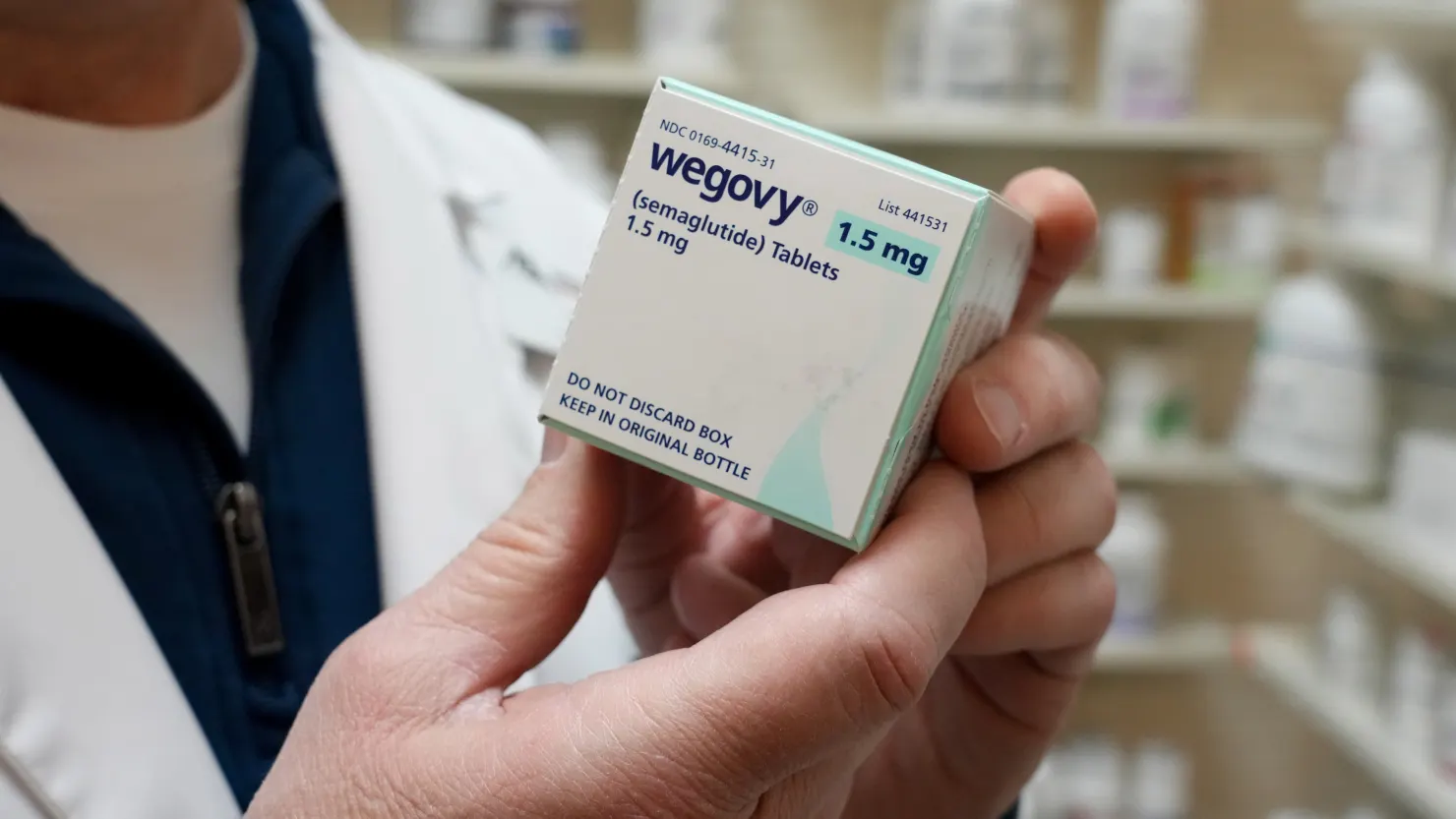
Novo Nordisk Wegovy pill launch news dominated market talk as the company’s first-ever GLP-1 oral weight-loss medicine drew notable early U.S. prescription data and lifted shares, marking a promising turnaround after slower growth last year. Within the first four days of commercial availability, the oral Wegovy pill generated more than 3,000 retail prescriptions, an encouraging sign for uptake in a competitive obesity drug market. This early success triggered gains in Novo Nordisk’s stock and underscored investor optimism that the pill could help the company regain ground from rivals like Eli Lilly.
Why this matters now: the weight-loss drug market continues to reshape global healthcare and investor priorities, with oral therapies like Wegovy representing a major shift away from injectable treatments. The introduction of a daily pill option aims to increase accessibility, convenience, and patient adherence, while also influencing competition, pricing strategies, and future drug development.
Early U.S. launch performance and investor reaction
Within days of the January 2026 launch, Wegovy’s pill formulation captured thousands of new scripts, signaling solid early demand from U.S. patients and prescribers. Data from industry analytics showed 3,071 retail prescriptions filled in the first four days — a figure that excludes online and telehealth pharmacy fills, meaning total demand could be even stronger.
Investors responded with enthusiasm. Novo Nordisk’s share price climbed significantly in the days following the rollout, touching levels not seen since the fall of 2025 as analysts interpreted early uptake as a sign that the oral pill could help lift growth. Reports suggested shares were up between 4% and nearly 8% on major exchanges as traders priced in the launch’s potential impact.
Market watchers emphasize that while these initial prescription figures are early, they provide a useful snapshot of Wegovy’s ability to compete in the rapidly expanding obesity treatment market — particularly against injectable alternatives that have dominated until now.
What makes the Wegovy pill different
The Wegovy pill represents the first oral GLP-1 receptor agonist for weight loss approved in the United States, a milestone in obesity care. GLP-1 drugs like semaglutide work by mimicking a hormone that helps regulate appetite, leading to reduced hunger and sustained weight loss. Previous versions of these medicines were typically injectable, which many patients find inconvenient.
According to Novo Nordisk’s own releases, clinical data indicate that the pill can lead to significant weight loss when combined with diet and exercise, with average results around 14–17% in study participants compared to placebo. The availability of multiple dosage strengths and a daily oral format could make this treatment a preferred option for patients hesitant to use injections.
Affordability was also a key aspect emphasized in the rollout, with pricing designed to broaden access. Self-pay patients may start at roughly $149 per month, and many insured patients may pay as little as $25 thanks to savings programs — positioning the pill as more accessible than many injectable alternatives.
Competitive landscape: Lilly and the oral obesity drug race
Novo Nordisk is not alone in the oral weight-loss race. U.S. regulators are expected to decide on a rival oral GLP-1 candidate from Eli Lilly by spring 2026, which could intensify competitive dynamics. Industry analysts note that this rivalry — between Novo Nordisk’s Wegovy and Lilly’s forthcoming products — is likely to fuel further innovation, pricing flexibility, and marketing initiatives across the sector.
This competition extends beyond pills alone. Eli Lilly’s injectable treatments such as Zepbound and Mounjaro have been major drivers of growth in recent years, and its pipeline includes both oral and injectable therapies that could challenge Novo’s positioning. As a result, investors are closely watching whether the Wegovy pill’s convenience and early adoption translate into sustained market share gains.
Why this strategic launch matters now
The timing of this launch is crucial. Weight-loss drugs continue to be a major focus for healthcare systems, consumers, and investors alike, driven by rising obesity rates and growing demand for effective long-term treatments. Oral options like Wegovy have the potential to expand the market by attracting patients who previously avoided injectable therapies, which may boost overall adoption of GLP-1-based treatments.
Furthermore, the obesity drug sector has increasingly become a major economic force within the pharmaceutical industry. Analysts expect oral GLP-1 pills to capture a meaningful portion of the broader weight-loss treatment market by 2030, as patient behavior shifts toward easier, more user-friendly options.
The commercial success of oral therapies may also accelerate pricing innovations and greater insurance coverage — factors that could influence long-term treatment affordability and accessibility. This unlocks broader public health implications, especially in populations with historically limited access to advanced medical therapies.
Investor and patient outlook
Investors are watching both near-term performance data and longer-term adoption trends. Early prescription numbers are promising, but deeper insights will emerge over the coming months as more data become available. Analysts caution that while early uptake is encouraging, it is too soon to declare broader market dominance for the pill, especially with competitors close behind.
From a patient perspective, the introduction of an orally administered weight-loss drug could reduce barriers to entry, especially for individuals who are reluctant to use injections or struggle with regular clinic visits. This could help shift obesity treatment from specialized clinical settings into broader, consumer-centric care pathways, including telehealth and pharmacy-based solutions.
Long-term implications and regulatory watch
Looking ahead, the obesity drug market is poised for continued expansion and transformation. Access to oral GLP-1 therapies like Wegovy could redefine patient care for millions, while regulators and insurers adjust policies around coverage and reimbursement. The competitive race between major drugmakers could drive further innovation in oral formulations, combination therapies, and personalized treatment approaches.
As the U.S. Food and Drug Administration evaluates additional oral candidates and future higher-dose or combination formulations, the broader landscape of obesity and metabolic disease treatment is likely to evolve rapidly, with implications for patients, providers, and global healthcare economics.
Subscribe to trusted news sites like USnewsSphere.com for continuous updates.