
In a stark illustration of the crumbling safety net once provided by the Affordable Care Act (ACA), a Texas woman with stage 3 cancer has seen her health insurance premium skyrocket from about $200 to $1,725 per month after temporary federal subsidies expired — a shocking increase that threatens not just her financial stability, but her very life.
Her name is Johana Scott, a resident of Texas battling aggressive cancer, who now faces an impossible decision: continue paying exorbitant monthly premiums or forgo the coverage essential to life-saving treatment. With an annual income of roughly $14,400, an insurance bill approaching $21,000 per year is financially unthinkable.
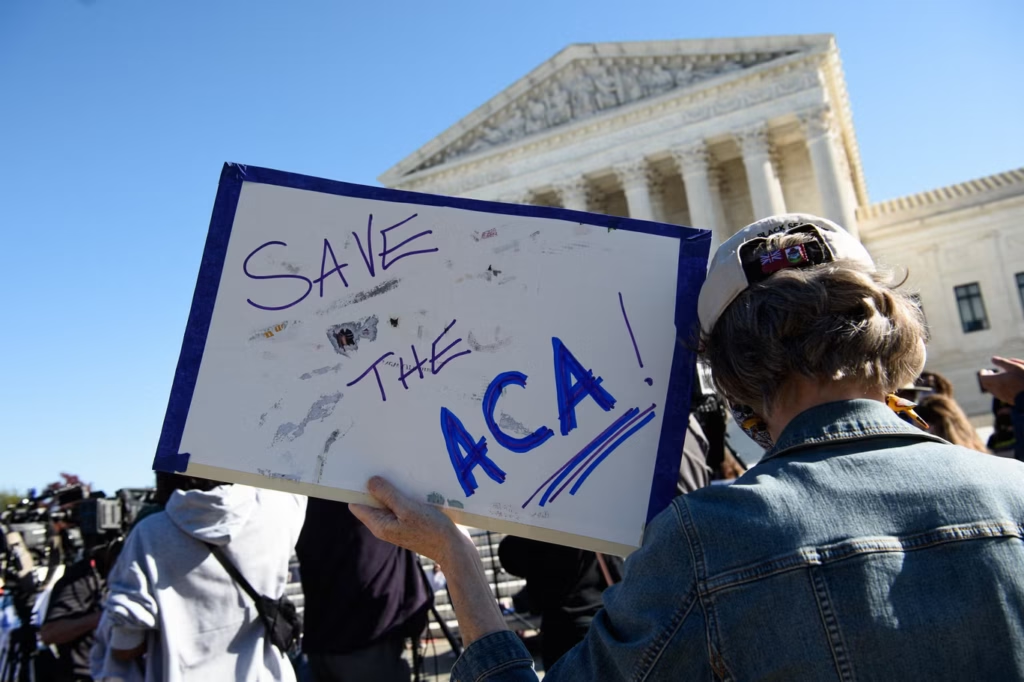
The expiration of enhanced premium tax credits — subsidies established during the pandemic in 2021 and later extended — has triggered nationwide premium increases that could reshape the health care coverage landscape in 2026 and beyond. Millions of Americans who don’t receive insurance through employers or government programs like Medicare or Medicaid now face steep monthly bills that threaten to push some into bankruptcy and others into dangerous gaps in care.
This article explores what’s driving these premium hikes, who is most affected, and the broader policy implications shaking up U.S. healthcare debate.
The ACA Subsidies That Helped Millions Now Gone
The Affordable Care Act was designed to expand access to health insurance and protect people from being priced out of coverage due to income or medical conditions. A key part of this system has been the premium tax credit, a subsidy that lowers what people pay for insurance purchased through ACA marketplaces.
Under temporary COVID-era enhancements that began in 2021, these tax credits were broadened so that even middle-income Americans received substantial help with premiums. Those subsidies significantly reduced monthly costs for millions — in some cases cutting premiums by more than half.
However, those expanded tax credits expired on December 31, 2025, after Congress failed to pass legislation extending them. Without this financial support, premium costs for ACA marketplace plans are now rising sharply — sometimes more than doubling for those who had counted on assistance.
The result is not just higher monthly premiums, but fewer families able to afford insurance at all. A survey from independent health policy research groups suggests that up to one in four ACA enrollees might drop coverage if rates increase significantly.
Texans and Other Americans React to Soaring Insurance Bills
Social media platforms and public forums have been flooded with stories from Americans struggling with the sudden spike in premiums. In Texas and other states with large ACA enrollee populations, many individuals describe fear, confusion, and frustration as they try to grasp what the changes mean for their health and financial security.
Consumers have taken to expressing their dilemmas online, sharing how they face difficult trade-offs between paying for insurance or meeting basic needs like housing and food. With no clear legislative fix yet, anxiety continues to grow across communities heavily reliant on marketplace coverage.
Health experts warn that this is just the beginning unless a policy response is enacted. Without renewed subsidies or some form of alternative relief, many people will find ACA plans increasingly out of reach, potentially increasing the number of uninsured Americans.
The National Picture: Enrollment Declines and Political Stalemates
The end of enhanced ACA subsidies hasn’t just affected individuals — it’s reshaping broader enrollment trends.
According to government figures, Obamacare enrollment has declined, with the total number of people enrolled in ACA plans dropping as Americans weigh rising costs against uncertain value.
Political negotiations have so far failed to extend subsidy support, with lawmakers in both parties unable to find a compromise before the January deadline. While some Republicans have signaled openness to discussions, opposition over federal spending limits and competing priorities has slowed legislative action.
The political dynamic is bringing health care front and center in national debates, with both parties now grappling with how to address widespread concerns about affordability without tearing down existing protections altogether.
Broader Health Cost Trends Beyond Texas
The story of one cancer patient in Texas is part of a much larger pattern of rising healthcare costs across the U.S.
Independent health policy analysts report that ACA premiums in 2026 are expected to post their largest increase in years, driven by the expiration of subsidies, inflationary pressures in healthcare, and rising drug and service costs.
Without the cushion of tax credits, people with chronic illnesses — like cancer, diabetes, and heart disease — are especially vulnerable. These patients often require frequent specialist visits, complex treatments, and expensive medications, making high premiums particularly burdensome.
Experts also warn this could lead to adverse selection — a situation where healthier individuals drop insurance because of cost, leaving a riskier and more expensive pool of insured people. This could further drive up costs for those who remain.
Policy Pathways and Potential Solutions
As the nation confronts these challenges, lawmakers and advocacy groups are proposing several possible solutions:
- Legislative extensions of enhanced ACA premium tax credits that could bring down monthly costs again.
- Targeted subsidies for vulnerable populations, such as people with serious medical conditions or low incomes.
- Market reforms to stabilize insurance costs without depending solely on federal subsidies.
While political will remains divided, the urgency of the issue — particularly in an election year — may increase pressure for bipartisan action. Healthcare affordability is clearly no longer a niche issue, but central to many Americans’ economic security.
Human Cost: Stories Behind the Numbers
At its core, this crisis is about individuals and families trying to survive in a system that increasingly prices essential care out of reach.
For Johana Scott, the Texan at the heart of this story, the premium hike isn’t just a budget problem — it’s a life-or-death issue. Her stage 3 cancer treatment costs tens of thousands of dollars per session, making continuous insurance coverage essential to her survival. Without affordable premiums, she may face delays or interruptions in care that could prove fatal.
Her plight underscores a wider truth: when health insurance becomes unaffordable, it’s not just bills that go unpaid — it’s human lives that are put at risk. Reuters
Conclusion: A System at a Crossroads
The expiration of ACA premium subsidies marks a dramatic turning point in U.S. health policy. What began as pandemic relief now underpinned access to affordable health insurance for millions — and its sudden removal has sent shockwaves through individual lives and the broader marketplace.
From Texas to every corner of the country, Americans are grappling with higher costs, reduced coverage, and raw uncertainty about the future of their health security. The way policymakers respond in the coming months will determine whether these challenges evolve into a broader national crisis — or whether relief and reform can restore stability to the marketplace.
Subscribe to trusted news sites like USnewsSphere.com for continuous updates.