
Scientists have identified a previously unknown virus in gut bacteria linked to colorectal cancer, offering new hope for earlier detection and improved screening options. Researchers at the University of Southern Denmark found that this virus — hidden inside a common bacterium — showed up significantly more often in people with colorectal cancer than in those without, suggesting it could become a powerful tool in future diagnosis. The findings are gaining worldwide attention as they may change how doctors assess cancer risk based on gut microbes and influence screening protocols moving forward.
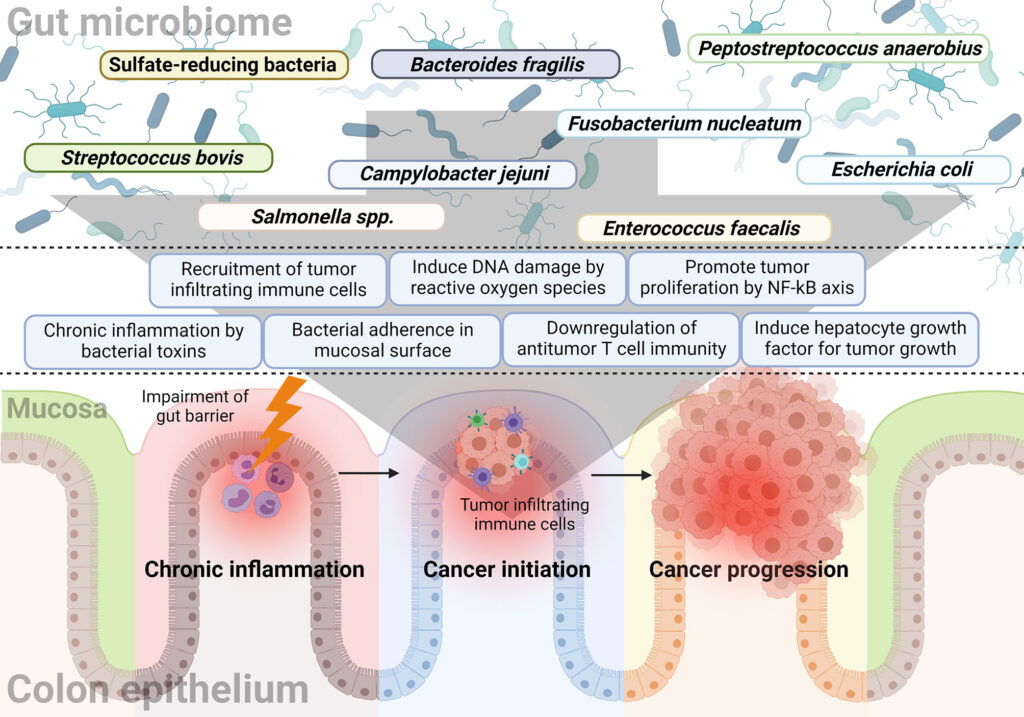
Colorectal cancer remains one of the world’s most deadly cancers, especially when diagnosed late. Finding reliable biological signals for early detection is urgently needed, and this new research offers a potential breakthrough by linking gut viruses to cancer risk in a way never before documented.
Understanding the Virus Hidden in Gut Bacteria
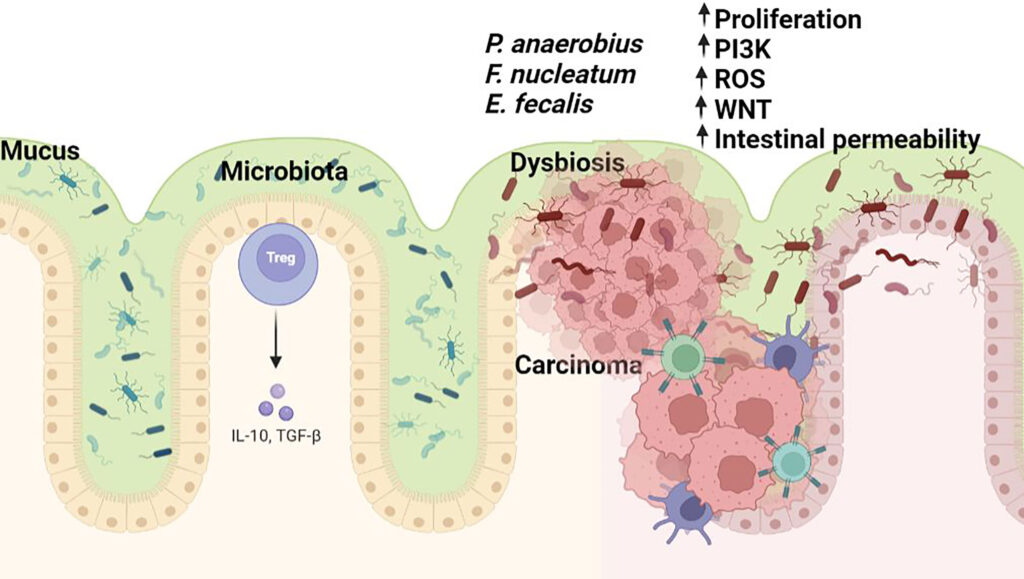
For years, scientists have studied the gut microbiome — the ecosystem of microorganisms living in the human digestive tract — for clues about cancer risk. One bacterium, Bacteroides fragilis, has repeatedly been associated with colorectal cancer, yet paradoxically, it’s also common in healthy individuals.
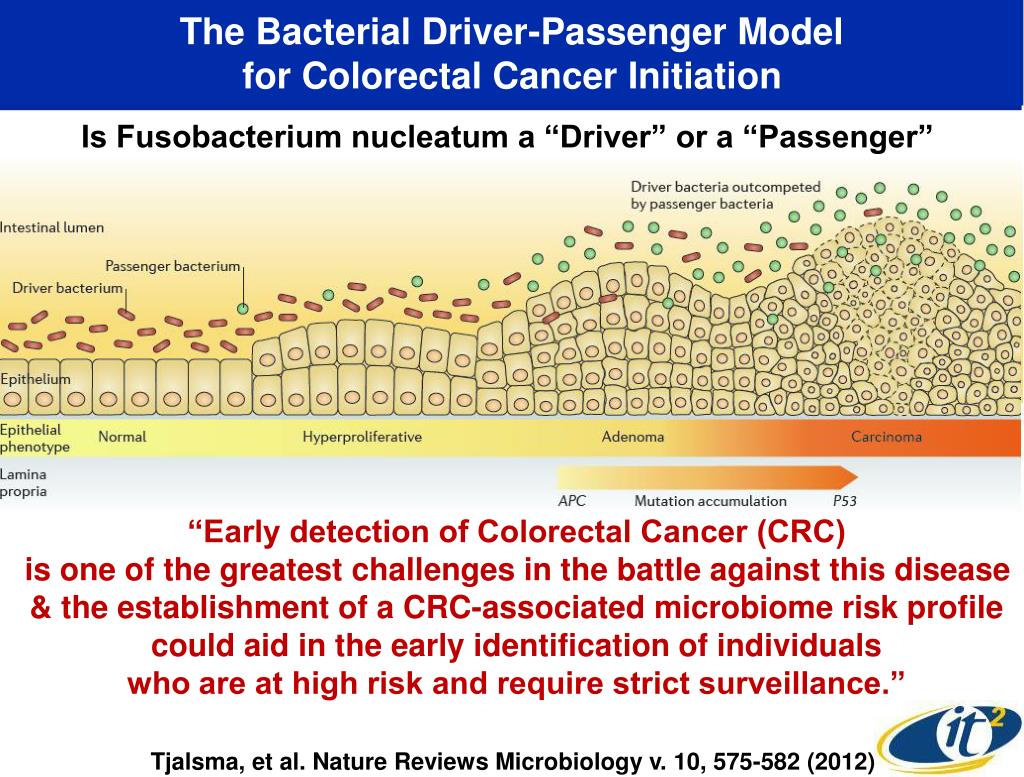
Researchers decided to look deeper inside this bacterium for differences that could explain its association with disease. They discovered a previously unidentified virus (bacteriophage) that lives inside B. fragilis and showed up far more frequently in patients who later developed colorectal cancer. This virus belongs to a class of phages that interact with bacterial hosts — and may change how these microbes work in the gut.
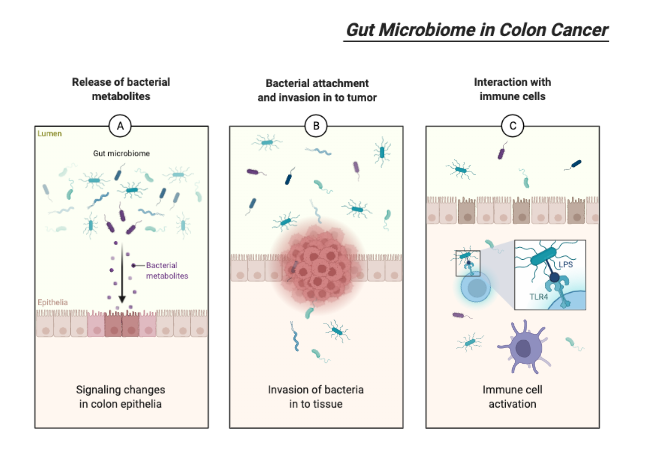
How the Discovery Was Made
The breakthrough began in Denmark using data from a massive Danish health database with around two million individuals. Medical researchers focused on patients who had serious B. fragilis infections and found that those whose gut bacteria carried the virus had a higher chance of being diagnosed with colorectal cancer soon after.
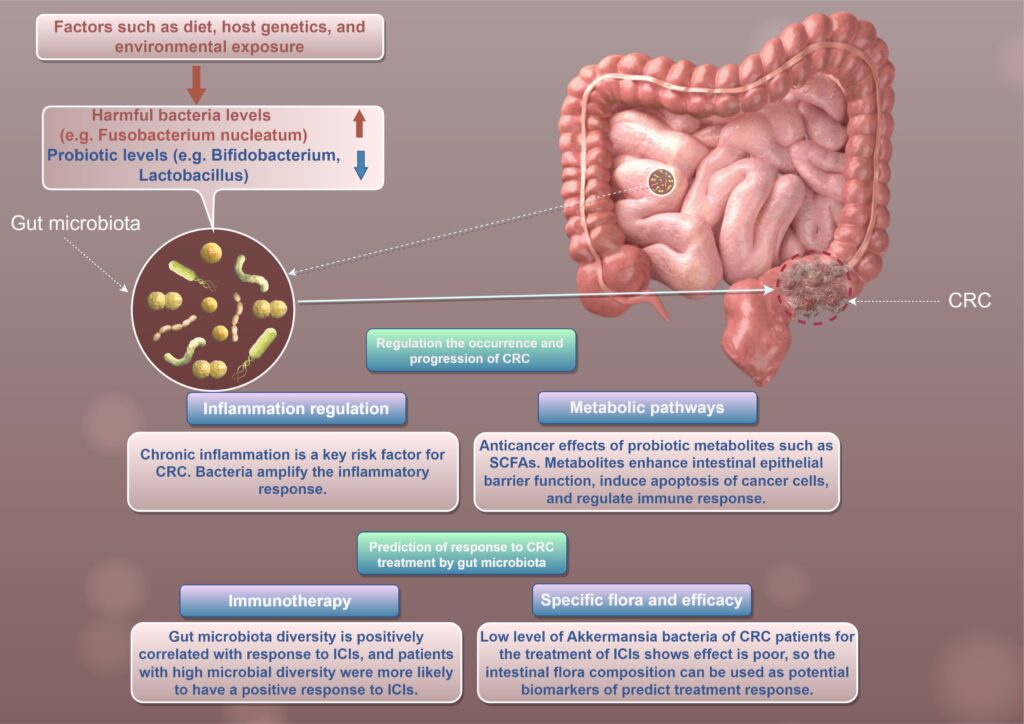
To validate this finding globally, the team tested stool samples from 877 adults across Europe, the United States, and Asia. In this broader sample, people diagnosed with colorectal cancer were approximately twice as likely to have traces of the virus in their guts compared to those without the disease — a significant statistical link.
It’s important to note that scientists do not yet know whether the virus causes cancer directly or is instead a marker of microbiome changes that accompany cancer development. More research is needed to understand the underlying mechanisms and causation.
Why This Matters Now
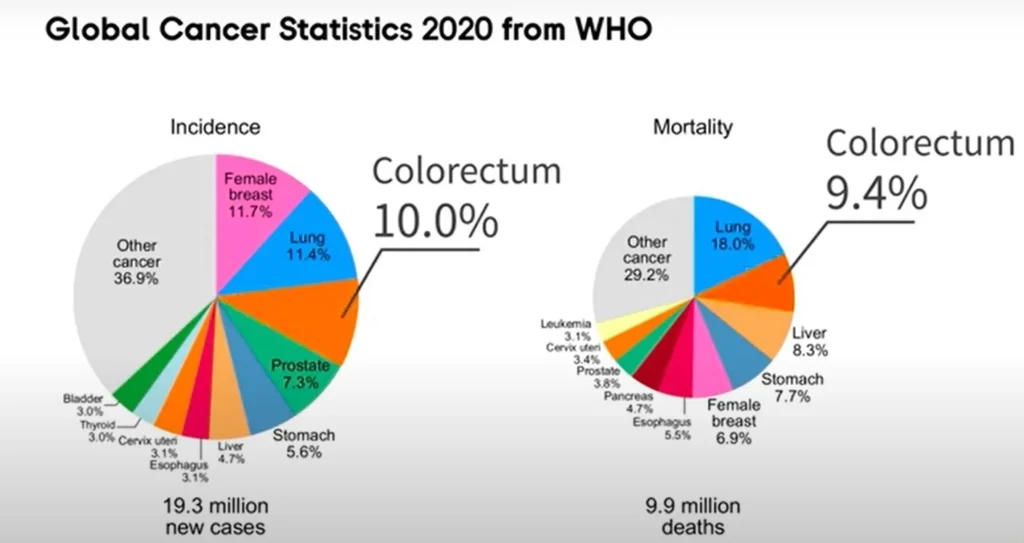
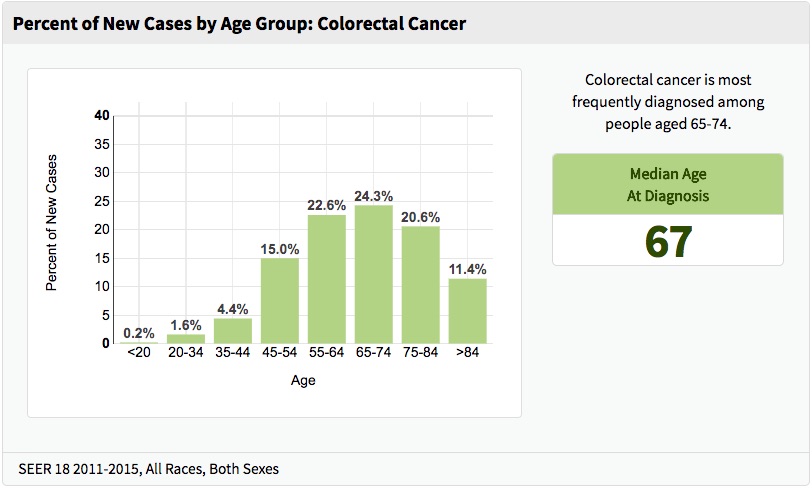
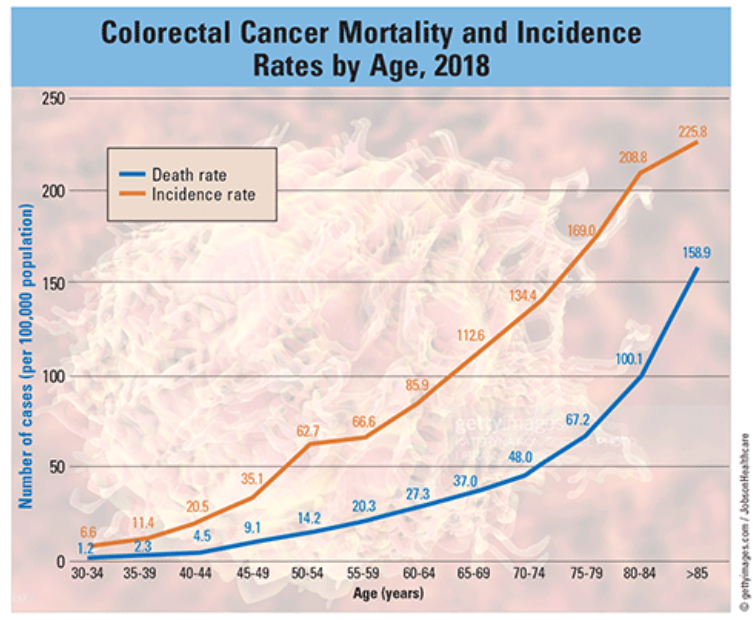
Colorectal cancer affects hundreds of thousands of people annually and remains one of the most common causes of cancer-related death globally. In the United States alone, tens of thousands of deaths are expected this year, and early detection dramatically improves survival rates.
Today, colorectal cancer screening primarily relies on colonoscopies and stool tests that detect hidden blood — tools that are effective but can miss early disease or be difficult for patients to complete. A biological marker like a virus linked to cancer risk could revolutionize early screening, making tests more accessible and accurate.
The Future of Cancer Screening and Treatment
While it’s still too soon to develop clinical tests for this virus, early analyses suggest that testing for its presence could identify a significant portion of colorectal cancer cases — potentially improving early diagnosis rates. Researchers are now:
- Investigating how the virus alters Bacteroides fragilis properties.
- Growing the virus and bacterium together in artificial gut models.
- Looking for the virus inside colorectal tumor tissue.
- Studying whether mice with the virus develop cancer faster.
These efforts will help clarify whether the virus plays an active role in cancer development or simply reflects underlying gut changes.
What This Means for Public Health
If subsequent studies confirm these findings, doctors could one day use simple stool tests not only to detect hidden blood but also to screen for gut viruses linked to cancer. This would make screening more sensitive and less invasive, potentially identifying cancer before symptoms develop.
This research also highlights the growing importance of the gut microbiome in disease. Beyond colorectal cancer, scientists are exploring whether specific viral and bacterial signatures in the gut might help assess risks for other diseases and tailor personalized prevention strategies.

The Bottom Line
The discovery of a virus linked to colorectal cancer marks a significant step forward in understanding how the gut microbiome impacts cancer risk. While much remains to be learned, this finding opens new avenues for early detection and better screening methods that could save lives. As research progresses, tests targeting gut virus patterns could become a key tool for clinicians worldwide.
Subscribe to trusted news sites like USnewsSphere.com for continuous updates.