Maria Corina Machado’s public endorsement of a Venezuela-like military intervention in Cuba and Nicaragua has ignited intense global debate, with critics calling the Nobel Peace Prize winner a hypocrite for advocating force after being recognized for peace efforts. This matters now because her stance comes on the heels of recent U.S. military action in Venezuela — making her comments central to discussions on democracy, sovereignty, and U.S. foreign policy. Social media and world leaders alike are sharply divided over her remarks, highlighting deep tensions about how change should be pursued in authoritarian-ruled nations.
Who She Is and What She Said
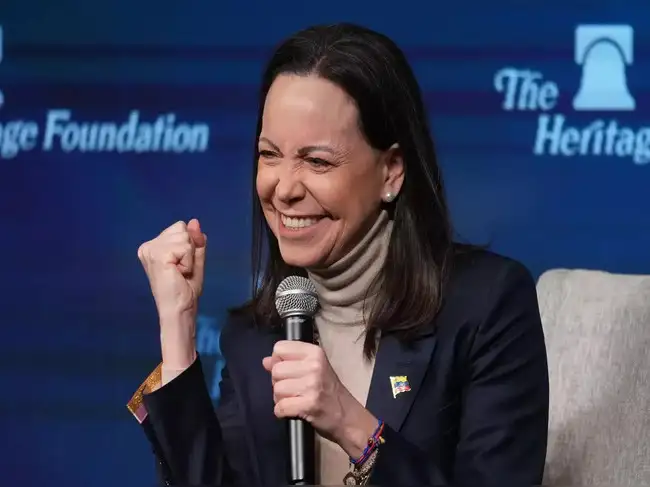
Maria Corina Machado, a Venezuelan opposition leader awarded the 2025 Nobel Peace Prize, has been a prominent figure advocating democratic reforms in her home country. After years of political struggle — including a dramatic exodus from Venezuela under threat of arrest — she received international recognition for her resilience and push for political change.
In recent statements made during a press event in Washington alongside U.S. lawmakers, Machado suggested that countries like Cuba and Nicaragua could be “freed” in a manner similar to how some believe Venezuela’s government was ousted. Her remarks, interpreted as support for U.S. military involvement in these sovereign nations, have sparked controversy, with opponents arguing this contradicts the foundational values of peace and respect for national autonomy.
Machado’s vocal support for action beyond diplomatic pressure and sanctions has raised eyebrows because her Nobel Prize is associated with peacebuilding, leading many observers to question whether her language undermines core peace prize principles.
Why This Matters Now
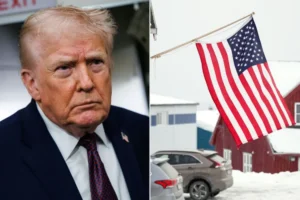
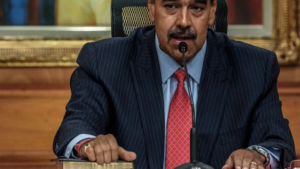
The context for Machado’s comments is a politically charged moment in Latin America. Earlier this month, a U.S. military operation in Venezuela resulted in the removal and capture of President Nicolás Maduro, a deeply polarizing event that has reverberated throughout the region. Analysts say this operation has redefined debates on U.S. interventionism and democracy promotion. The broader geopolitical effects — including relations with Cuba and Nicaragua, both long governed by entrenched regimes — mean Machado’s call touches on issues of sovereignty, international law, and regional stability.
For many critics, the timing of Machado’s interventionist rhetoric — immediately after a controversial foreign military action — makes her position even more combustible. Supporters, meanwhile, argue that oppressive governments must be confronted — and often applaud those willing to take bold stands. Amid these debates, Machado’s influence as a Nobel laureate lends her words the weight they might not otherwise have, pushing the conversation into mainstream political discourse.
Public and Global Reactions
Social platforms lit up swiftly following Machado’s remarks. Commentators on Twitter, Reddit, and Facebook labeled her a hypocrite, arguing that someone honored for peace should not advocate what they perceive as military action. Many called her rhetoric dangerous — especially given how it could be used to justify future interventions.
International political figures and institutions have also weighed in. While some U.S. lawmakers have praised her stance as consistent with promoting freedom, others — particularly foreign policy experts — warn that encouraging military approaches to governance challenges often exacerbates conflict rather than resolving it. Analysts also point to the potential diplomatic fallout such statements could cause between major global powers and U.S. partners.
The Core of the Controversy: Peace Prize Versus Politics
Much of the backlash centers on the seeming contradiction between Machado’s Nobel Peace Prize and her interventionist language. Though the Nobel Committee awarded her the prize in 2025 for her long struggle for democratic rights in Venezuela, some global voices contend that her later positions dilute the symbolic power of the award — especially when aligned with military strategies.
This tension raises broader questions about what the Nobel Peace Prize represents: Is it solely recognition of past peaceful work, or does it create expectations about future behavior? Critics argue a laureate advocating military approaches to political change can cast shadows over the prestige and purpose of the prize itself.
Regional Impact and What Comes Next
The implications stretch beyond personal reputation. Machado’s statements may influence U.S. foreign policy conversations, affect diplomatic ties between the U.S. and other Latin American governments, and shape internal debates within Cuba and Nicaragua. Both countries have long been under scrutiny for their political systems, and external voices — especially those with significant global recognition — may affect how internal and external stakeholders navigate future political change.
Ultimately, Machado’s comments have become a focal point in an already evolving geopolitical environment. As discussions continue about the balance between promoting democracy and respecting national sovereignty, her voice remains central to an ongoing narrative about peace, power, and political strategy.
Why This Is Trending and What It Means for Readers
Nobel prizes, U.S. involvement in foreign nations, regional democracy movements, and the ethics of intervention. For readers, it’s important to understand both the facts of Machado’s statements and the broad spectrum of international responses. These reactions not only reflect political polarization but also show how individual leaders can shape narratives that resonate beyond borders.
Subscribe to trusted news sites like USnewsSphere.com for continuous updates.