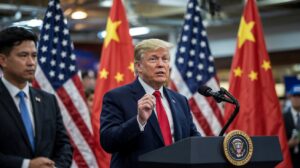
For the first time since his failed 2019 attempt to buy Greenland, former U.S. President Donald Trump has launched a renewed campaign to bring the Arctic territory under American control — drawing sharp criticism from allies, sparking protests, and threatening a broader transatlantic crisis that both NATO and European Union leaders now describe as destabilizing and unnecessary.
Why Trump Wants Greenland — And Why Allies Are Alarmed
Trump’s public argument for acquiring Greenland centers on what he frames as U.S. national security needs. He cites the island’s location in the Arctic — between North America, Russia, and Europe — as critical for missile defense infrastructure and deterring geopolitical rivals like China and Russia. He has repeatedly said the U.S. “needs” Greenland and has threatened tariffs as leverage if Denmark and other NATO nations do not agree to a sale or transfer of control.
But many analysts and allied officials dismiss this justification as exaggerated. Arctic security scholars point out that Russia and China maintain minimal military activity near Greenland, calling Trump’s threat arguments unfounded. Many see the push as more about geopolitical influence and access to rich natural resources — including rare earth minerals, oil, and gas — which are becoming easier to extract as ice melts due to climate change.
European leaders warn that the tariffs and coercive rhetoric risk damaging long-standing alliances and could fracture NATO. France’s Emmanuel Macron and others have stated there is “no amount of intimidation” that will change their position on Greenland’s sovereignty.
Global Reaction: From Protesters to Governments
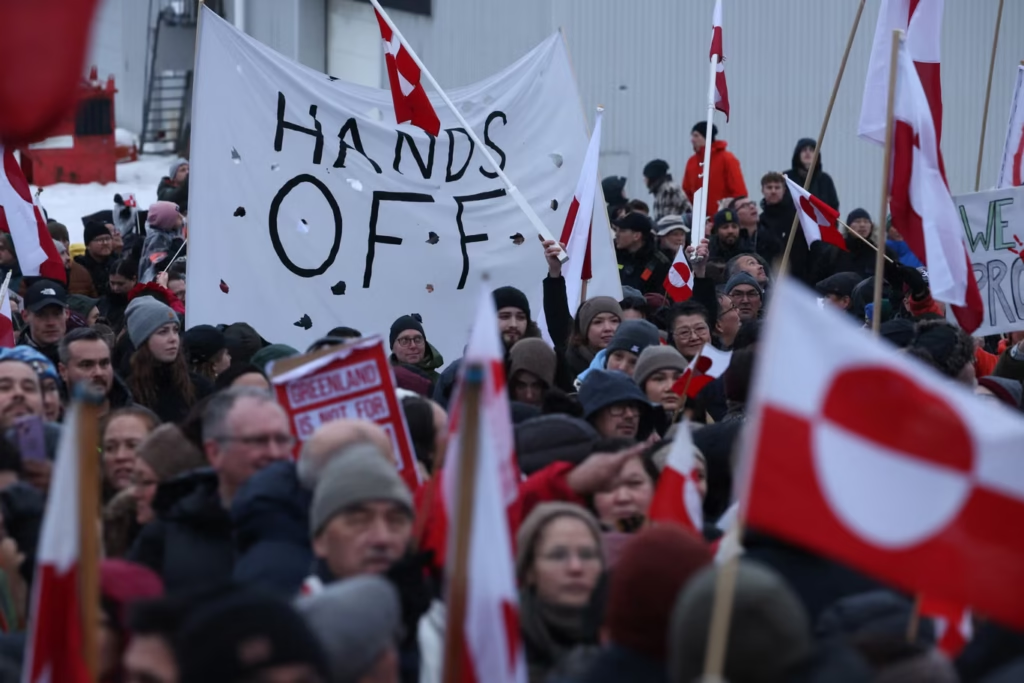
The reaction across Europe and within Greenland has been overwhelmingly oppositional. Thousands of residents in Greenland and Denmark have taken to the streets in protest, displaying banners that reject foreign control and defending their right to self-determination.
On the diplomatic front, eight European countries — including Denmark, France, the United Kingdom, Germany, and Norway — have responded with a coordinated rebuke, warning that tariff threats are unacceptable and risk a “dangerous downward spiral” in relations between the United States and Europe.
Ireland’s Foreign Minister went further, calling American tariff policy an act of economic coercion that could undermine international law, and urging support for democratic sovereignty.
In Greenland itself, government officials have been clear: the island cannot accept a U.S. takeover under any circumstances, and defense should be managed multilaterally under NATO — not unilaterally by Washington.
NATO in the Arctic: Exercises and Alliance Strains
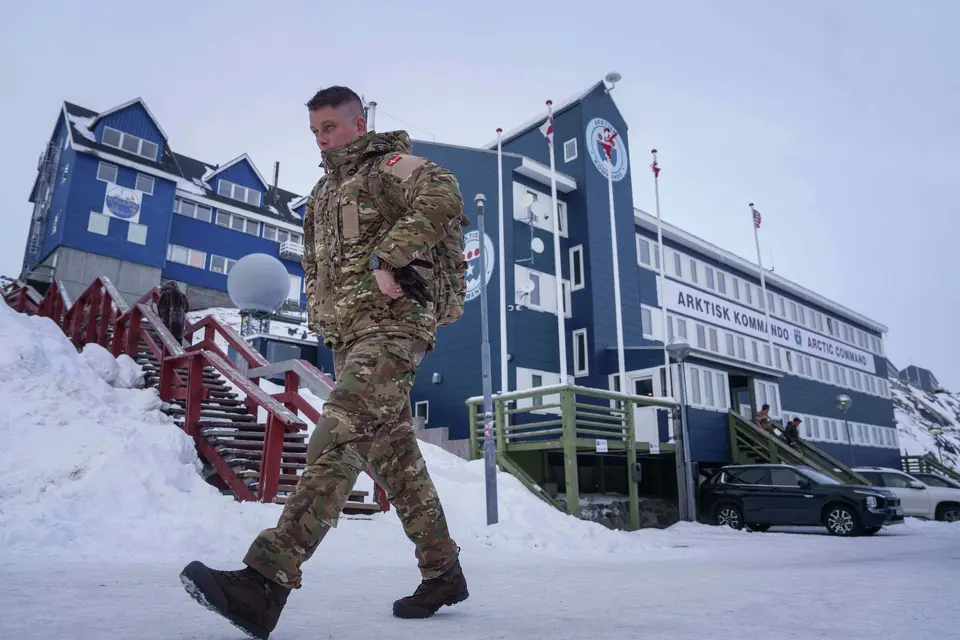
As tensions mount, NATO countries have responded by reinforcing their military presence in Greenland through a joint mission called Operation Arctic Endurance. Led by Denmark and supported by forces from other European nations, this deployment aims to reassure Greenlanders and deter any unilateral action that could destabilize the region.
What’s notable is that this exercise works within NATO’s framework, emphasizing cooperation and shared defense — the very principle Trump’s critics say is at risk due to his aggressive rhetoric. Many U.S. lawmakers have voiced concern that threatening allied militaries could weaken the alliance, not strengthen it.
Political & Legal Stakes in the U.S.
Trump’s proposals have also ignited fierce debate inside the United States. Critics argue that attempting to force a sovereign territory into U.S. hands — whether via tariffs or military pressure — could be unconstitutional and illegal under international law. Commentary from military legal experts suggests that any order to annex Greenland by force would face severe legal scrutiny and potential consequences under the U.S. Uniform Code of Military Justice.
Public opinion in the United States is also mixed. Polling indicates that only a small minority of Americans support military action or forced acquisition of Greenland, with most viewing the idea as impractical or unwise.
Geopolitics, Resources, and a Changing Arctic
Underlying the diplomatic strain is the fact that the Arctic is rapidly changing due to climate warming. Retreating ice is opening new trade routes and exposing mineral reserves previously inaccessible, making Greenland a potential hotspot for future economic and strategic competition.
These shifts mean that Greenland’s value goes beyond simple territorial control. It touches on questions of climate policy, Indigenous rights, sustainable resource management, and the future of global alliances in a rapidly changing world. This is why even nations outside Europe, like Canada, are watching developments closely — recognizing that Arctic policy will define international relations for decades to come.
What’s Next: Diplomacy or Division?
The situation remains fluid. Denmark and Greenland continue to assert their sovereignty, European allies are coordinating responses, and the United States faces pressure from both domestic critics and international partners to recalibrate its approach.
The key question now is whether this standoff will be resolved diplomatically — with constructive NATO collaboration and respect for national sovereignty — or whether escalating threats and economic pressure will push the world toward deeper rifts.
One thing is clear: this issue is not just about one island’s fate, but about the future of alliance politics, Arctic security, and how world powers navigate competition in the 21st century.
Subscribe to trusted news sites like USnewsSphere.com for continuous updates.