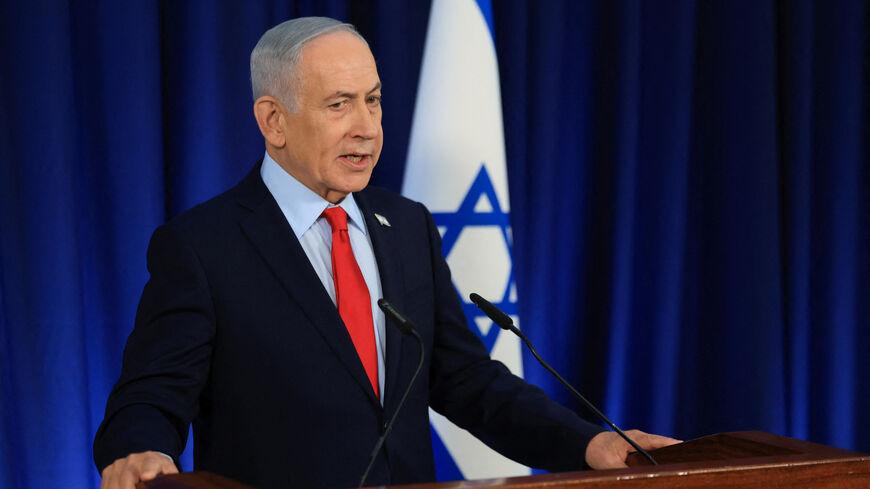
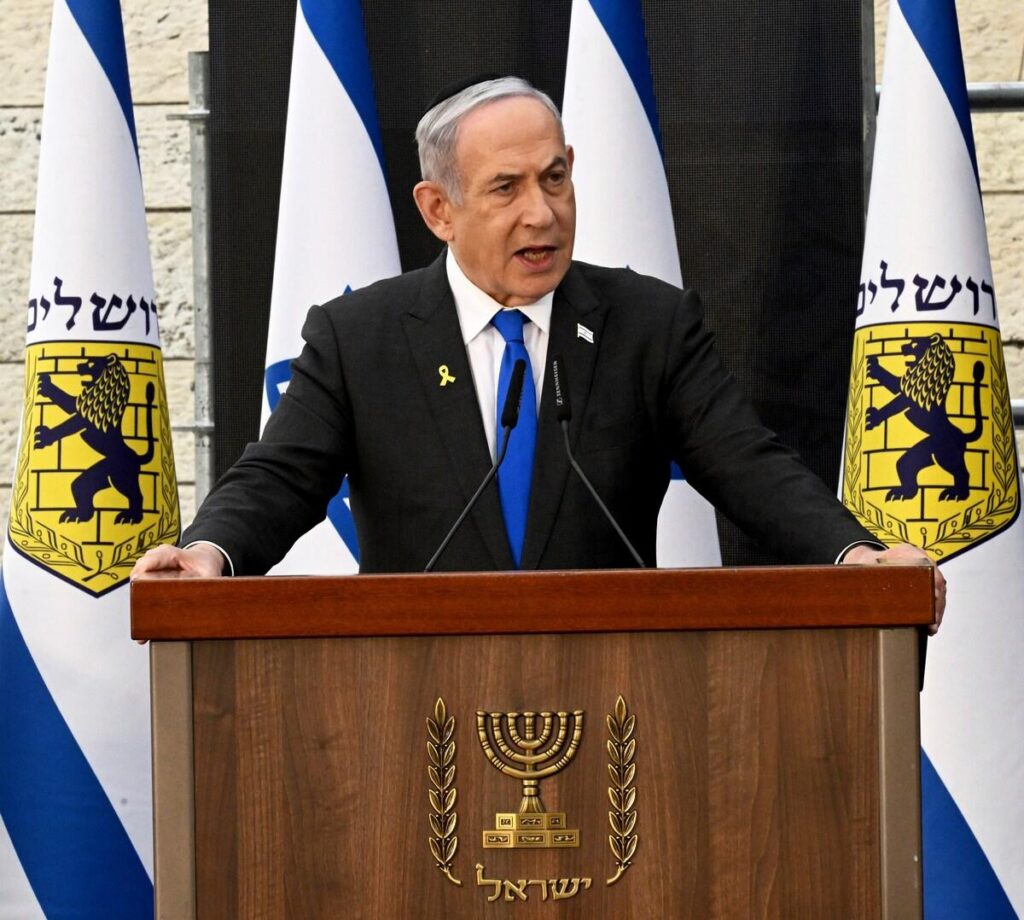
Netanyahu says Israel no longer needs US aid is the latest statement reshaping the discussion about the future of one of the world’s closest strategic partnerships. Israeli Prime Minister Benjamin Netanyahu said Israel has reached a stage where it should gradually reduce and eventually end its dependence on American financial and military assistance. His comments come as Israel continues investing heavily in its domestic defense industry while maintaining close security cooperation with Washington.
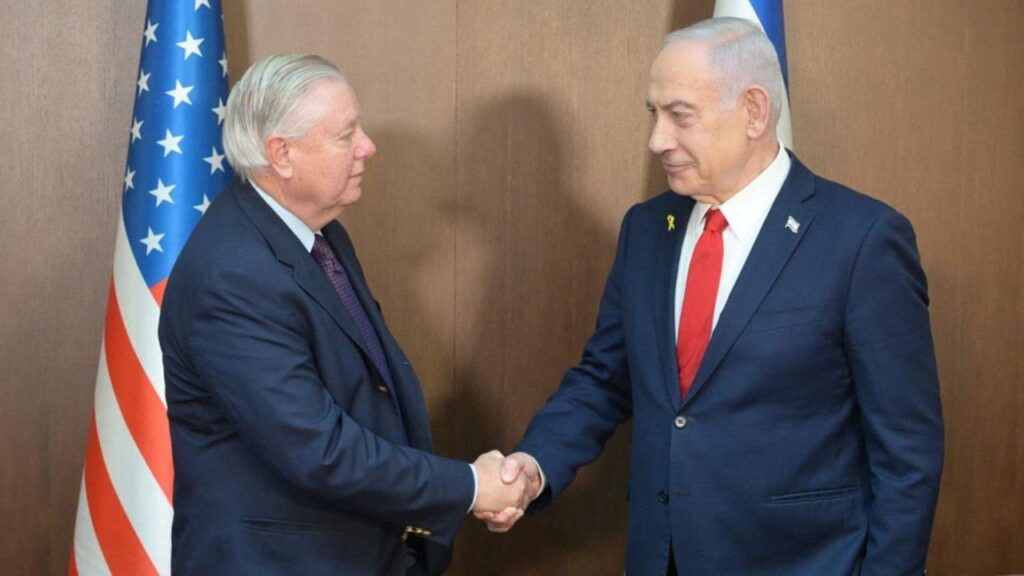
The announcement immediately drew international attention because the United States has provided billions of dollars in military assistance to Israel for decades. Netanyahu stressed that the proposal is not about weakening relations with the United States but about transforming the partnership into one based more on cooperation than financial dependence. Why this matters now: the current long-term US-Israel military assistance agreement expires in 2028, making discussions about future cooperation increasingly important.
Israel’s Message: From Aid to Strategic Partnership
Benjamin Netanyahu said Israel’s economy and defense sector have become strong enough to support the country’s long-term security needs without relying on regular American financial assistance. According to his recent interviews, Israel wants to continue working closely with the United States while becoming increasingly self-funded in defense spending.
The Israeli leader explained that decades of American support helped Israel build advanced military capabilities, world-class defense technology, and a competitive defense export industry. He argued that these achievements now allow Israel to consider gradually reducing direct financial support while keeping intelligence sharing, technology cooperation, and diplomatic coordination strong.
Understanding the Long History of US Military Aid
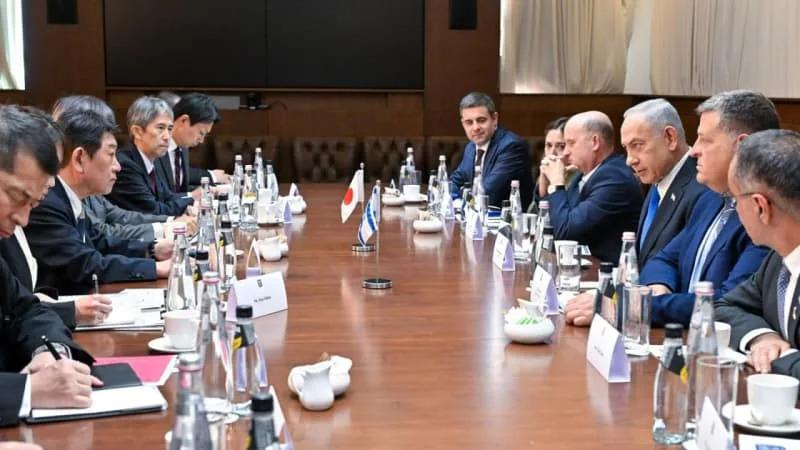
The United States has been Israel’s largest security partner for many years. Under the current Memorandum of Understanding signed in 2016, Israel receives approximately $3.8 billion annually in military assistance through 2028. Much of this funding supports purchases of American-made military equipment and missile defense cooperation.
This partnership has supported programs including missile defense, advanced aircraft, precision-guided weapons, intelligence cooperation, cybersecurity, and joint military research. Security analysts often describe the relationship as one of the closest defense partnerships in the world, extending well beyond direct financial assistance.
Why Israel Believes It Can Stand on Its Own
One reason behind Netanyahu’s proposal is Israel’s rapidly growing defense industry. Israeli companies export sophisticated military technologies, including missile defense systems, drones, cyber capabilities, radar systems, and electronic warfare equipment to countries around the world. Defense exports have continued to grow in recent years, strengthening Israel’s industrial base.
The Israeli government has also announced major long-term investments to expand domestic weapons production and reduce dependence on foreign suppliers. Officials believe greater manufacturing capacity inside Israel would improve national security while creating additional economic opportunities for local industries and skilled workers.
What Could Change for the United States and the Region
Although Netanyahu spoke about reducing financial aid, experts emphasize that this would not necessarily weaken the broader US-Israel alliance. Intelligence cooperation, military exercises, diplomatic coordination, technology sharing, and regional security cooperation are expected to remain central parts of the relationship even if direct funding gradually declines.
For the United States, a gradual reduction in aid could influence future defense budgets and congressional discussions about foreign assistance. At the same time, Washington continues to view Israel as a major strategic ally in the Middle East, particularly regarding regional security, counterterrorism, and concerns involving Iran and its regional proxies.
Global Reactions and What Happens Next
Netanyahu’s remarks have generated discussion among policymakers, security analysts, and political leaders because they represent a notable shift from decades of established policy. Some observers view the proposal as a sign of Israel’s growing economic confidence, while others believe future security challenges could still require strong American financial support.
No immediate changes have been announced, and the existing US military assistance agreement remains in effect through 2028. Any future transition would likely require negotiations between both governments and approval through established political processes. As discussions continue, the focus will remain on how the two countries can preserve their strategic alliance while adapting to changing geopolitical and economic realities.
Key Takeaways
- Netanyahu says Israel aims to gradually reduce dependence on US military aid.
- The current US-Israel assistance agreement continues through 2028.
- Israel argues its economy and defense industry are now strong enough to support greater self-reliance.
- Defense cooperation, intelligence sharing, and diplomatic ties are expected to remain strong even if financial aid declines.
- The proposal would represent a major evolution in one of the world’s closest strategic partnerships.
Subscribe to trusted news sites like USnewsSphere.com for continuous updates.