First Nations Warn Members of Rising U.S. Border Risks as Indigenous Travelers Face New Scrutiny
Alberta’s Blood Tribe and other First Nations across Canada are warning members about potential risks when crossing into the United States due to increased attention and enforcement by U.S. Immigration and Customs Enforcement (ICE). These growing concerns come amid reports of Indigenous travellers facing questioning, detentions, or documentation issues at the border — raising fears about rights, safety, and historic treaty obligations. In this heightened climate, communities are advising extra vigilance, thorough paperwork, and informed decisions before travel. This matters now as Indigenous people’s cross-border mobility rights are being tested against real-world enforcement actions, with potential impacts on family, culture, and commerce.
Understanding the Advisory: What First Nations Are Saying
Many First Nations leaders, including the Blood Tribe Chief and Council and the Assembly of First Nations (AFN), have publicly encouraged members to prepare fully before attempting to travel into the United States. Reports indicate that some Indigenous travellers have been stopped or detained by U.S. authorities, including ICE, even when carrying identification that was previously accepted.
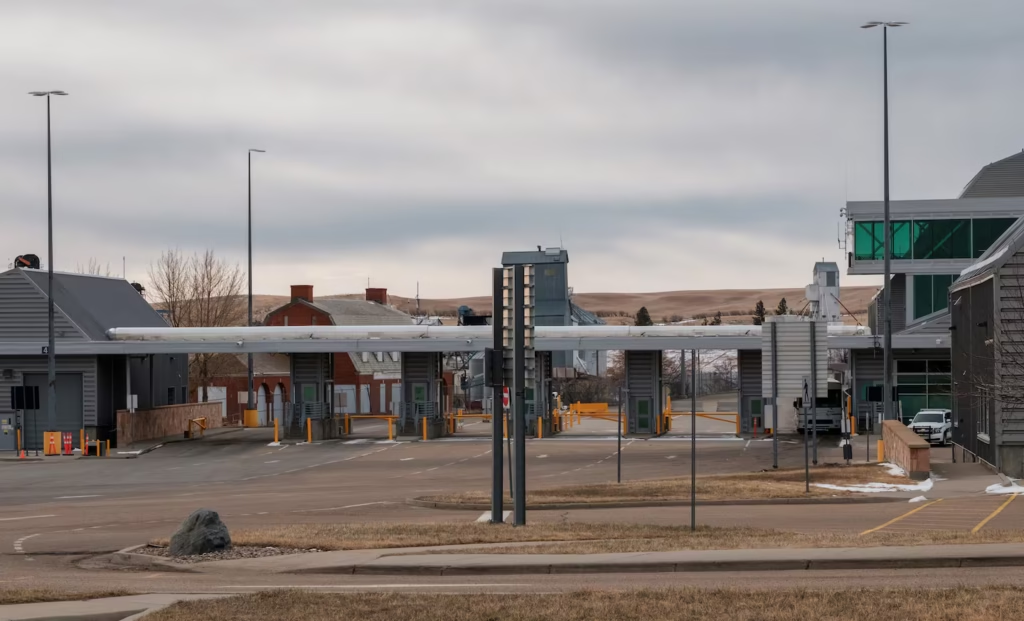
The advisory highlights that Canadian Indian Status Cards alone may not be consistently recognized by U.S. officials — leading to confusion or confrontation at ports of entry. In response, First Nations are recommending that members carry Canadian passports, long-form birth certificates, letters confirming tribal membership and blood quantum, and any other documentation that can verify identity and rights under historic treaties.
Even though the 1794 Jay Treaty technically guarantees free passage across the Canada-U.S. border for Indigenous peoples, Canada does not officially recognize this treaty today, complicating how rights are interpreted and enforced in practice.
U.S. Border: Why This Warning Matters Now
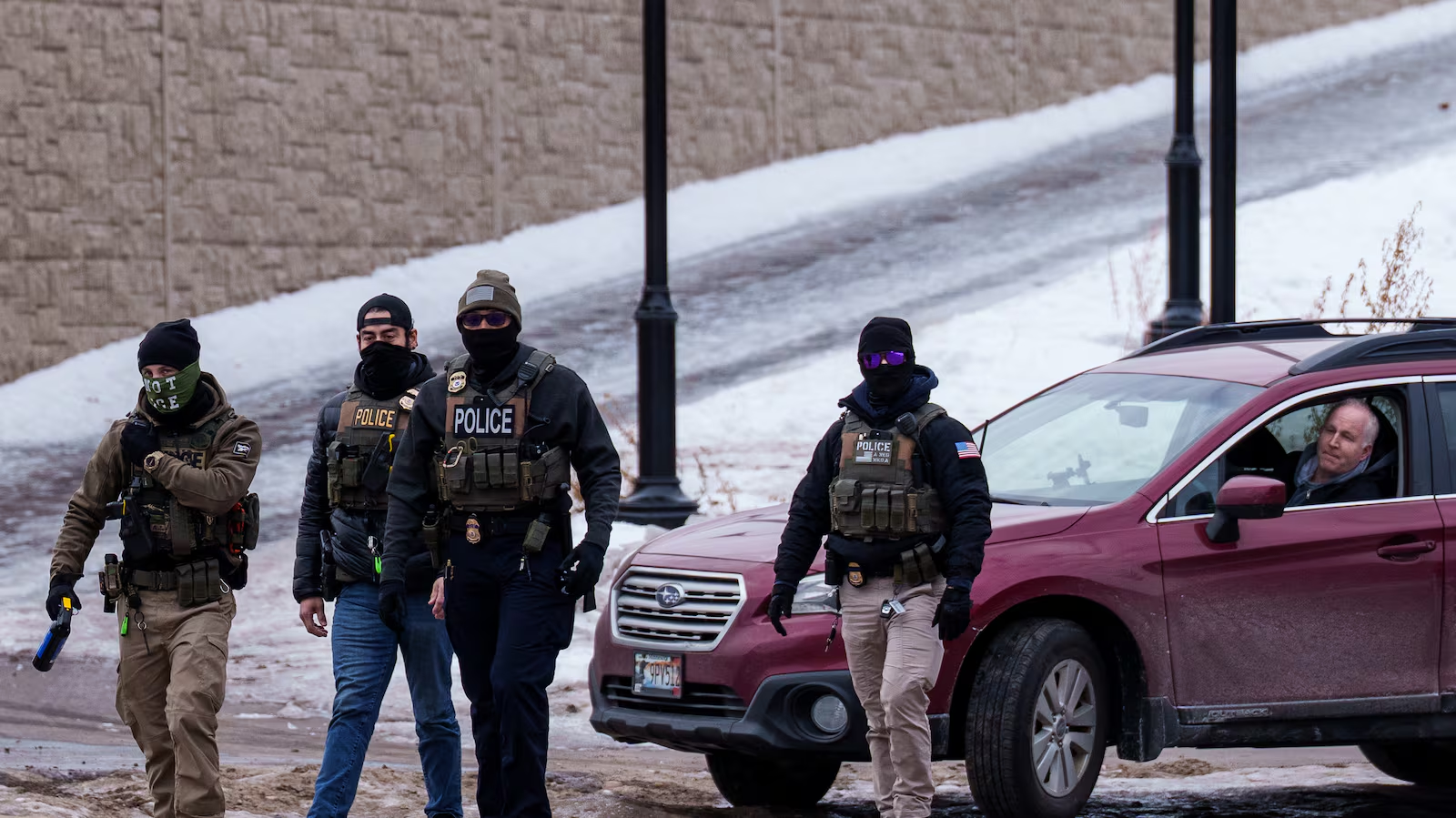
The timing of these advisories reflects wider concerns about increased immigration enforcement within the United States, particularly actions taken by ICE that have affected both non-Indigenous and Indigenous travellers. Reports from multiple First Nations communities suggest that questions about identity, legal status, and documentation are becoming more frequent.
In some cases, Indigenous individuals have reported their status cards being seized during questioning — an outcome that could lead to delays, stress, or worse if not resolved quickly. Leaders stress that even when rights are legally supported, enforcement behavior on the ground may vary, making preparation and caution essential.
Given that cross-border travel is part of daily life for many First Nations families, culturally and economically, confusion or confrontations at the border can have far-reaching effects on connections, trade, and traditions — heightening the urgency for clear guidance.
What Leaders Are Recommending to Travellers
First Nations advisory notices are urging travellers to:
• Carry multiple forms of identification, including Canadian passports, status cards, and letters confirming blood quantum and tribal membership to support rights under historic agreements.
• Request to speak with a supervisor if identification is not accepted by an officer, as officials may not be familiar with some forms of tribal ID.
• Consider avoiding non-essential travel into the U.S. during heightened enforcement periods, especially without multiple valid documents.
Some communities, such as the Kashechewan First Nation, have even directed members currently evacuated near the U.S. border (e.g., in Niagara Falls) to stay on the Canadian side until conditions stabilize.
Broader Impacts on Indigenous Rights and Travel
These advisories are more than travel tips — they reflect deeper debates about Indigenous sovereignty, treaty rights, and cross-border identity recognition. Although the Jay Treaty was initially intended to guarantee Indigenous mobility across the U.S.-Canada border, enforcement realities today do not always reflect that intention, especially when identification documents are misunderstood or not accepted.
The situation also underscores the importance of diplomatic cooperation between Indigenous leadership, Canadian authorities, and U.S. border agencies to clarify rights and minimize unnecessary confrontations. In the meantime, communities are focusing on practical steps to protect members and keep them informed.
What Travellers Should Know Before Crossing
If you are a First Nations member planning to cross the Canada-U.S. border:
• Check travel advisories from Indigenous leadership and governmental bodies like Indigenous Services Canada and Global Affairs Canada for updated guidance.
• Carry more than one form of government-issued identification.
• Be prepared to explain your documentation clearly and respectfully.
• Contact Canadian consular services if you encounter difficulties while in the United States.
Such steps can reduce stress at the border and help ensure that travel — whether for family, cultural, or economic reasons — proceeds as smoothly as possible.
Subscribe to trusted news sites like USnewsSphere.com for continuous updates.