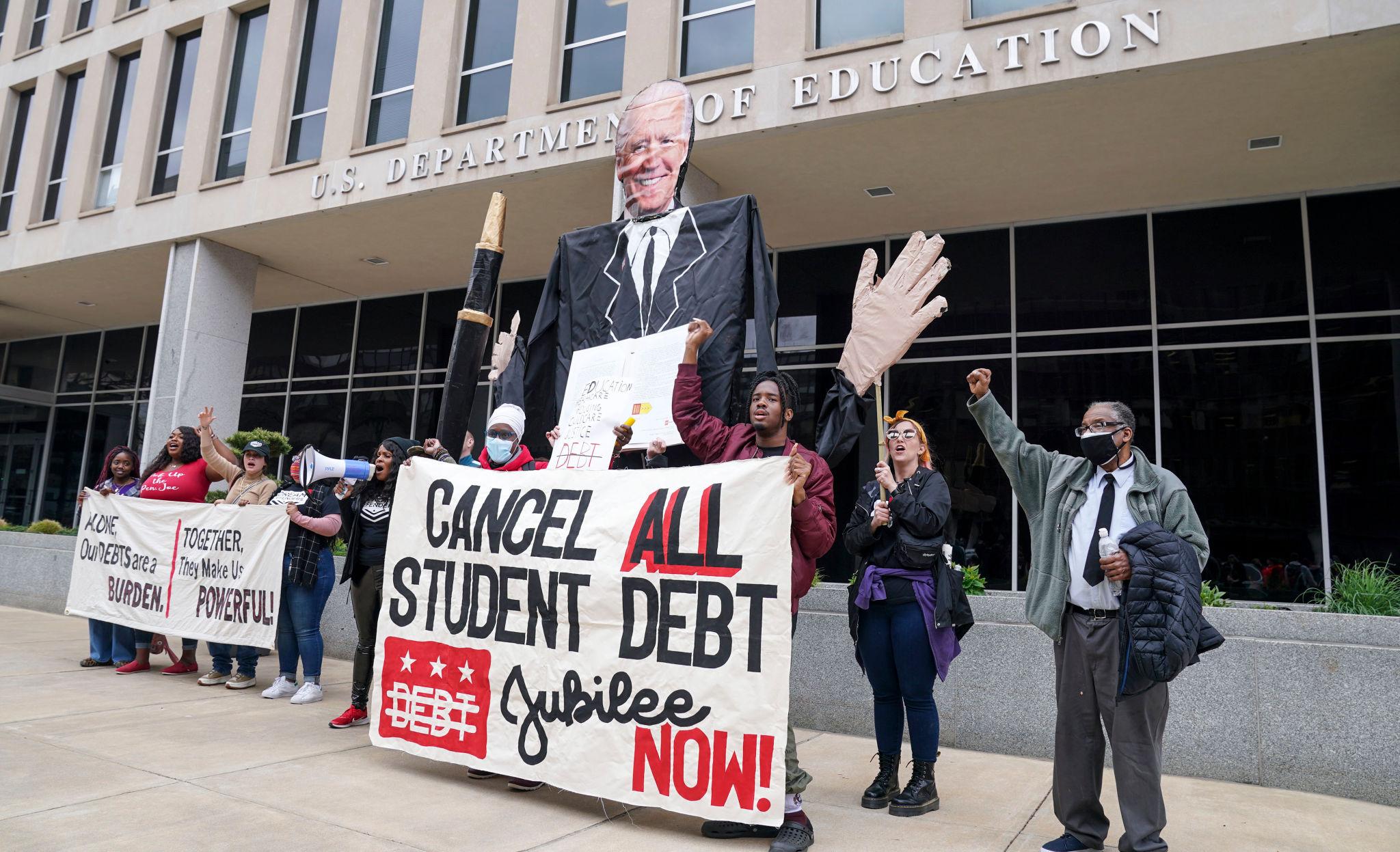
Student Loan Discharges Surge in 2026: What It Means for Banks, Borrowers, and the U.S. Economy is one of the most important financial developments shaping America today. In 2026, millions of borrowers are seeing portions—or even the entirety—of their federal student loan debt wiped out through expanded forgiveness programs, policy adjustments, and administrative reforms led by the U.S. Department of Education.
This surge in loan discharges is not just a relief story—it’s a major economic shift. It is affecting consumer spending, bank balance sheets, government budgets, and even long-term inflation trends. For borrowers, it can mean a financial reset. For banks and investors, it signals a structural change in how debt is managed and valued in the U.S. economy.
Why Student Loan Discharges Are Rising Rapidly in 2026
The sharp increase in student loan discharges is driven by a combination of policy expansion and backlog processing. Over the past few years, federal authorities have introduced new pathways for forgiveness, especially for borrowers in income-driven repayment (IDR) plans, public service workers, and individuals who were misled by institutions.

One of the most significant drivers is the reform of repayment systems. The government has streamlined eligibility criteria, corrected historical payment tracking errors, and accelerated approvals. This has unlocked forgiveness for borrowers who were previously stuck in administrative delays.

Additionally, targeted relief programs for disabled borrowers and those affected by institutional misconduct have expanded. These changes have created a wave effect—millions of applications processed in a short period, resulting in a visible spike in discharges in 2026.

How Borrowers Are Benefiting Financially
For borrowers, the impact is immediate and transformative. Eliminating or reducing student debt frees up monthly income, allowing individuals to spend, save, and invest more effectively.

Many borrowers are redirecting funds toward housing, retirement savings, and consumer spending. This shift not only improves individual financial stability but also boosts economic activity. For example, a borrower who previously paid $400–$800 per month in loan repayments can now allocate that money toward purchasing a home or investing in the stock market.

Another key benefit is improved credit profiles. Lower debt levels can increase credit scores, making it easier for borrowers to access better financial products, including mortgages and business loans. Over time, this contributes to wealth-building opportunities that were previously out of reach.

The Impact on Banks and Financial Institutions
While borrowers benefit, banks and financial institutions are facing a more complex reality. Student loans, particularly private ones, are a significant asset class. When loans are discharged or forgiven, the expected future cash flows tied to those loans are reduced.

For federally backed loans, the government absorbs much of the financial impact. However, private lenders must adjust their portfolios and risk models. This can lead to tighter lending standards, especially for education loans and unsecured credit.

At the same time, banks may benefit indirectly. With borrowers having more disposable income and better credit profiles, demand for other financial products—such as mortgages, credit cards, and personal loans—can increase. This creates a shift rather than a complete loss in revenue streams.

Broader Effects on the U.S. Economy
The surge in student loan discharges is acting as a form of economic stimulus. By reducing household debt, the policy effectively increases disposable income across millions of Americans.

This has several macroeconomic effects. Consumer spending rises, which supports businesses and drives economic growth. Housing demand may increase as more individuals become eligible for mortgages. Small business formation could also see a boost, as individuals feel more financially secure to take entrepreneurial risks.

However, there are also concerns. Increased spending can contribute to inflation, especially if supply chains are already constrained. Policymakers must balance the benefits of debt relief with the risk of overheating certain sectors of the economy.

Policy Debate and Long-Term Risks
The surge in loan discharges has sparked intense debate among policymakers and economists. Supporters argue that it corrects systemic issues in the student loan system and provides necessary relief to millions of Americans.

Critics, however, raise concerns about fairness and long-term fiscal impact. Questions are being asked about who ultimately bears the cost of these discharges and whether such policies could encourage future borrowing without accountability.

There is also the issue of moral hazard. If borrowers expect future forgiveness, it could change behavior in ways that increase overall debt levels. Policymakers are now exploring reforms to prevent similar crises in the future, including changes to tuition costs and lending practices.

What This Means for Investors and Market Outlook
For investors, the rise in student loan discharges presents both opportunities and risks. Increased consumer spending can benefit sectors such as retail, housing, and travel. Companies that rely on discretionary income may see higher revenues.

On the other hand, financial institutions with exposure to student loans may face pressure, particularly in the short term. Investors need to evaluate which banks are most affected and how they are adapting their strategies.

The broader market outlook remains mixed. While debt relief supports economic growth, inflation and interest rate dynamics will continue to play a critical role. Smart investors are focusing on diversification, balancing exposure between consumer-driven sectors and defensive assets.

A Turning Point for Debt, Policy, and Economic Growth
The surge in student loan discharges in 2026 represents a major shift in how the U.S. handles education debt. It is reshaping financial outcomes for millions of borrowers while creating ripple effects across banks, markets, and the broader economy.
For borrowers, it’s a chance to rebuild financial stability and pursue long-term goals. For institutions and policymakers, it’s a moment to rethink the structure of lending and repayment systems.
As this trend continues to evolve, one thing is clear: the impact of student loan forgiveness will extend far beyond individual borrowers—it will influence the direction of the U.S. economy for years to come.
Subscribe to trusted news sites like USnewsSphere.com for continuous updates.