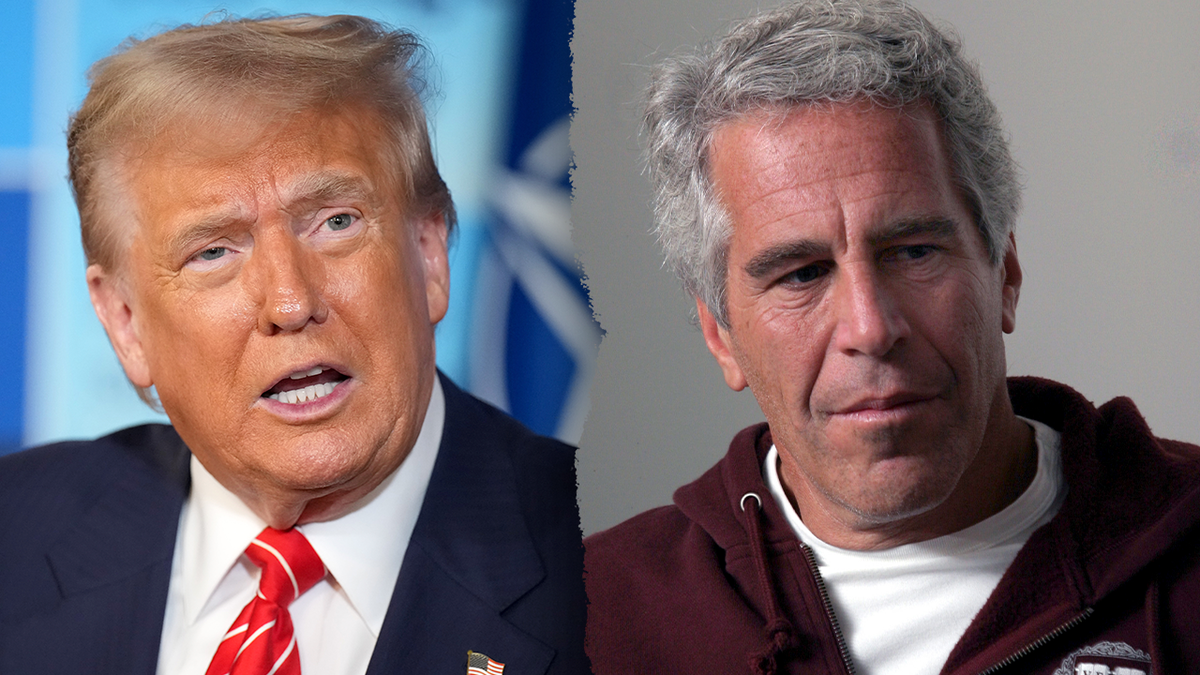
The long-buried Epstein files have reignited questions about power, alliances, and justice in U.S. politics — forcing even Trump’s closest allies to confront uncomfortable details.
President Donald Trump’s handling of newly released documents related to convicted sex trafficker Jeffrey Epstein has triggered intense political turmoil, fractured parts of the MAGA base he once unified, and raised fundamental questions about accountability among the powerful. Americans across the political spectrum now believe the Epstein files show the wealthy often evade responsibility — with nearly 7 in 10 saying elites get a pass, according to a recent Reuters/Ipsos poll.
At the heart of the controversy is a mix of broken promises, political strategizing, and public outrage, with Trump’s explanations meeting skepticism even within his own movement.
The Epstein Files: A Political Flashpoint
The Epstein files — thousands of pages of federal investigative material on the late Jeffrey Epstein’s network — have been released, in part, following bipartisan pressure and the passage of the Epstein Files Transparency Act. These documents connect Epstein with dozens of figures across industries and highlight how allegations of misconduct were handled over decades.
Initially, Trump and MAGA allies claimed the files would expose wrongdoing by powerful Democrats. But after the Department of Justice concluded no definitive “client list” existed and that there was no verifiable evidence that Epstein blackmailed prominent people, many MAGA supporters interpreted this as a betrayal of Trump’s promise to be transparent.
What makes the issue politically combustible is not just the existence of these documents, but how they were positioned by Trump’s political team — then downplayed or labeled a “Democratic hoax” when the narrative didn’t align with campaign strategy.
Trump’s Historical Relationship with Epstein Under New Scrutiny
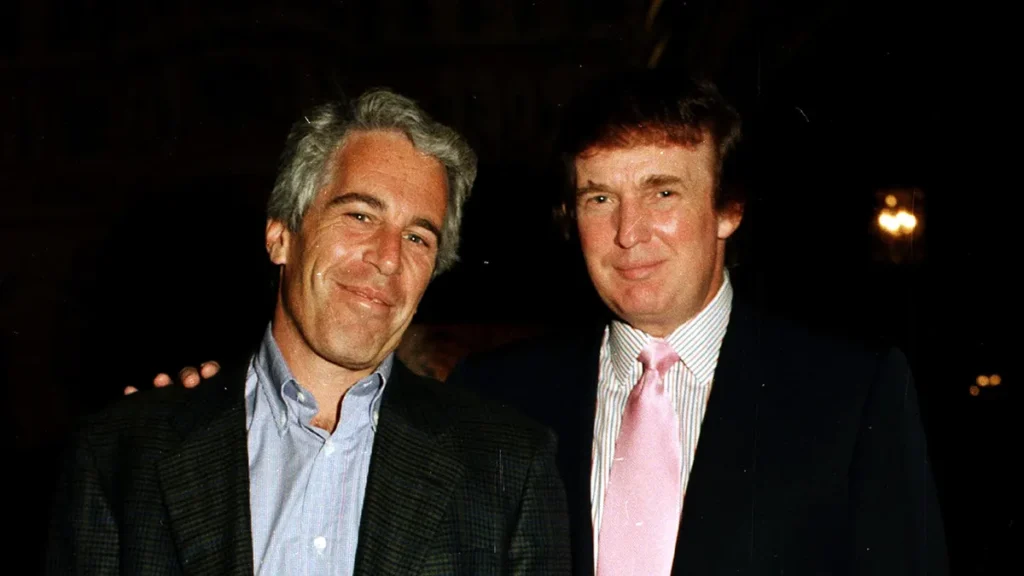
Long-term scrutiny of Trump’s connection to Epstein has intensified. Trump and Epstein socialized in the 1990s and early 2000s, attended events at each other’s properties, and Epstein allegedly flew Trump on his private jet, according to public flight logs.
Trump has repeatedly denied any knowledge of Epstein’s criminal acts and insists he banned Epstein from Mar-a-Lago in 2007. Yet recent statements from lawmakers, including unredacted review claims, suggest that unverified witness testimony challenges this account.
Only one clear legal point stands: no crime has been proven linking Trump to Epstein’s illegal actions. But in politics, perception often matters as much as legal reality.
Why the MAGA Base is Reacting Strongly
Many in Trump’s base feel personally invested in the Epstein narrative. At the center is a belief that demanding full transparency on Epstein would reinforce a core MAGA message: hold elites accountable. When the DOJ appeared to underdeliver, some MAGA voters became furious, seeing the promise as yet another unfulfilled pledge.
This anger is not limited to fringe groups. Mainstream conservative commentators, including voices like Joe Rogan and Tim Pool, have publicly criticized Trump’s wavering stance on the files, accusing leadership of narrative control rather than disclosure.
Some supporters now argue that Trump vacillated because the released material contains implications that complicate his public image, even if not legally damning. The result: a more pronounced identity crisis within the MAGA movement than any scandal in recent years.
Broad Public Trust Issues and the Epstein Files
Independent polling highlights a widespread belief — held by Republicans, Democrats, and independents alike — that the Epstein files confirm what many Americans already suspected: the powerful often escape accountability. In a recent Reuters/Ipsos poll, 69% said the files show elites frequently get a pass, with only a minority ready to let the story fade.
That sentiment has real political consequences. This narrative fuels broader distrust in institutions, reinforces bipartisan critiques of entrenched privilege, and gives opponents fresh material to use in upcoming election cycles.
The Broader Impact on 2026 Politics
As the United States moves deeper into the 2026 election cycle, the Epstein files are not just a relic of past scandal — they are shaping current political strategy. Democrats are using the files to argue for greater transparency and institutional reform, while Republicans grapple with internal divisions over how to respond.
This dynamic could influence voter sentiment on issues of morality, leadership credibility, and trust in government — all of which are central to electoral outcomes. The controversy also further blurs the line between policy debates and personal reputations, making governance questions inseparable from ethical perceptions.
What Happens Next?
The Epstein files controversy is far from settled. As lawmakers continue to push for more disclosures and public oversight, the political ramifications will unfold through the next election cycle. Whether this ultimately diminishes Trump’s influence or simply reshapes the conversation around elite accountability remains to be seen.
What is clear is that the Epstein saga has become a lens through which Americans are viewing broader questions about power and justice, and that public engagement with these files is likely to be a defining thread in 2026 political discourse.
Subscribe to trusted news sites like USnewsSphere.com for continuous updates.