Colorectal cancer rising in younger adults has now become a serious public health concern that doctors and researchers can’t ignore. Once seen mainly in older people, this disease is increasingly diagnosed in people in their 20s, 30s, and 40s, even though overall screening has improved. Experts warn this trend means more young adults must recognize risks and symptoms early — because early treatment drastically improves outcomes.
This matters now because both mortality rates and diagnoses continue climbing under age 50, making colorectal cancer a leading cause of cancer-related death in that group.
Why Cases Are Increasing Among Millennials and Gen Z
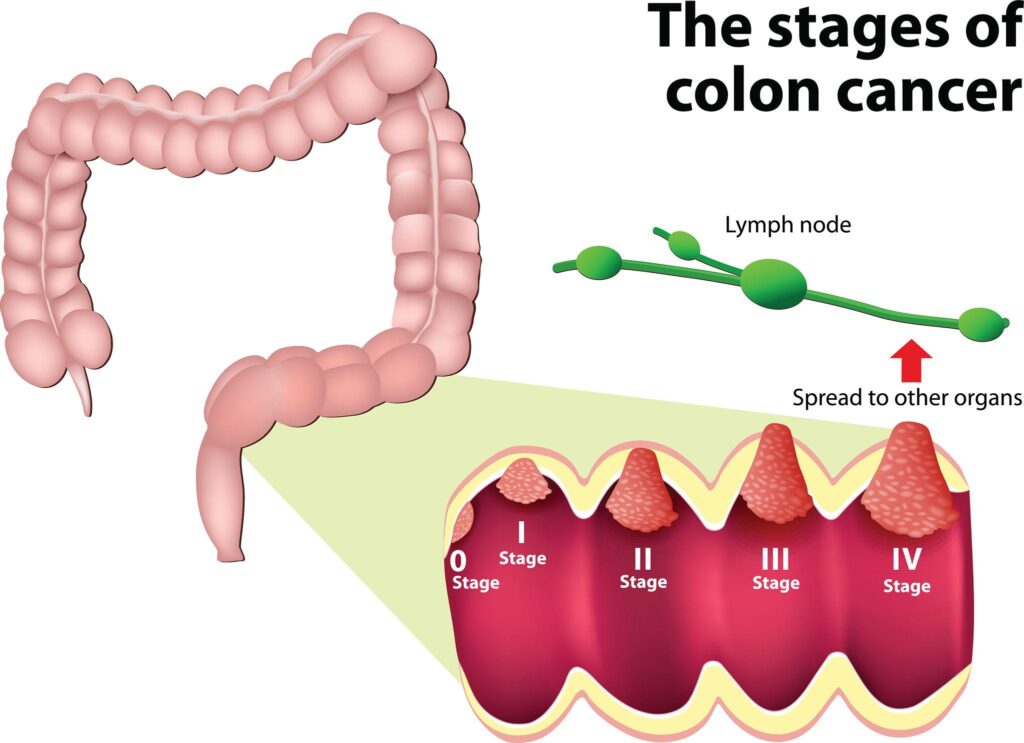
For decades, colorectal cancer was mostly thought of as a disease of aging. However, recent clinical data show the incidence in people under 50 has steadily increased over the last few decades.
Experts believe several factors are contributing to this rise. Unhealthy lifestyle elements — such as sedentary behavior, high consumption of red or processed meats, low-fiber diets, obesity, and smoking — are associated with higher cancer risk. Research also points to environmental exposures and possible changes in gut microbiota as emerging contributors.
Although genetic risk factors like Lynch syndrome explain some early-onset cases, most are sporadic and not linked to known heredity patterns, suggesting lifestyle and environment play major roles.
Who Is Most at Risk and Why It Matters Now
Anyone can develop colorectal cancer, but younger adults with certain risk factors face higher chances — especially if they ignore symptoms or delay medical evaluation.
Among lifestyle risks:
- Poor diet, high in processed foods and red meat
- Inactivity and obesity
- Smoking and heavy alcohol use
Medical history risks include inflammatory bowel disease and a family history of colorectal cancer.
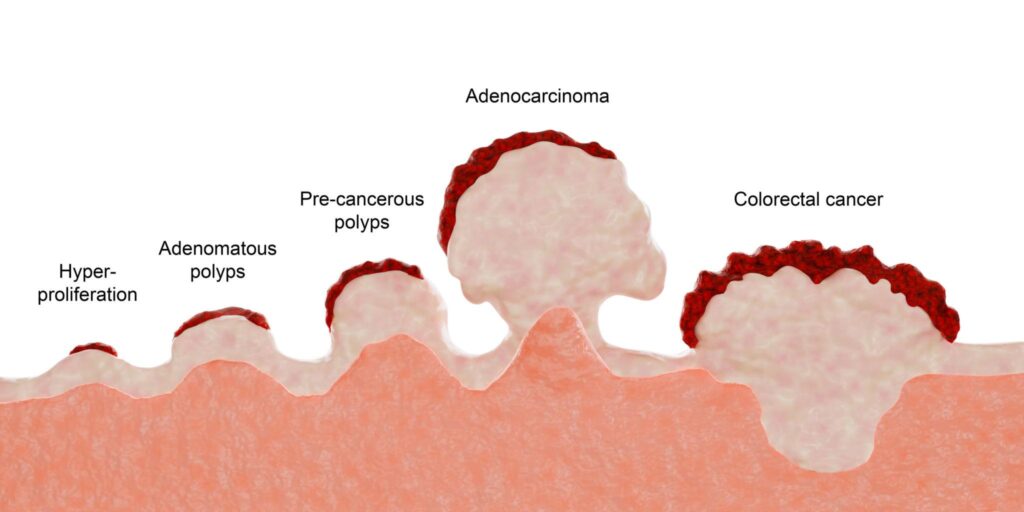
This trend matters because younger people often delay screening or attribute warning signs to benign causes, leading to later-stage diagnoses when the cancer is harder to treat.
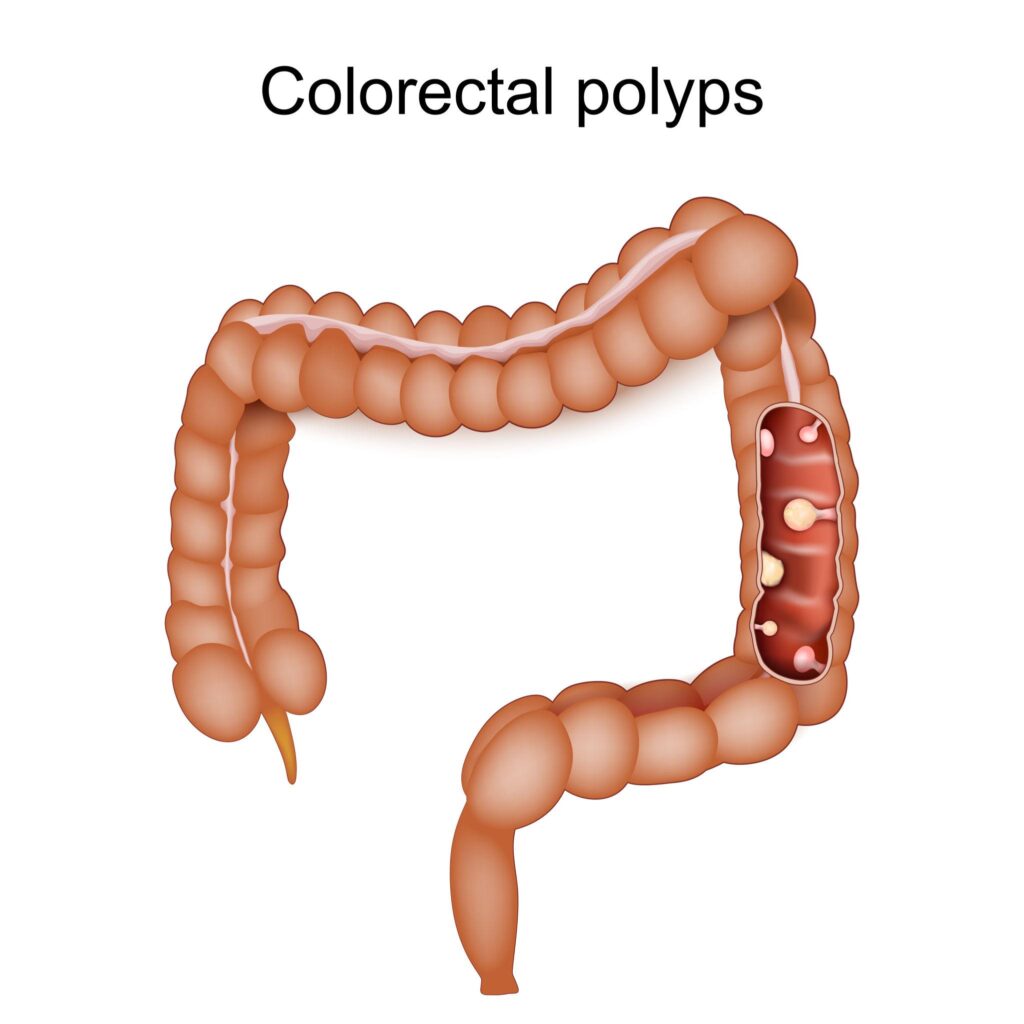
Common Symptoms Younger Adults Should Not Ignore
Colorectal cancer symptoms are often subtle, and many early-onset cases are caught only when the disease advances. Key warning signs include:
- Persistent abdominal pain or cramping
- Rectal bleeding or blood in stool
- Sudden and unexplained changes in bowel habits
- Unintentional weight loss or iron deficiency anemia
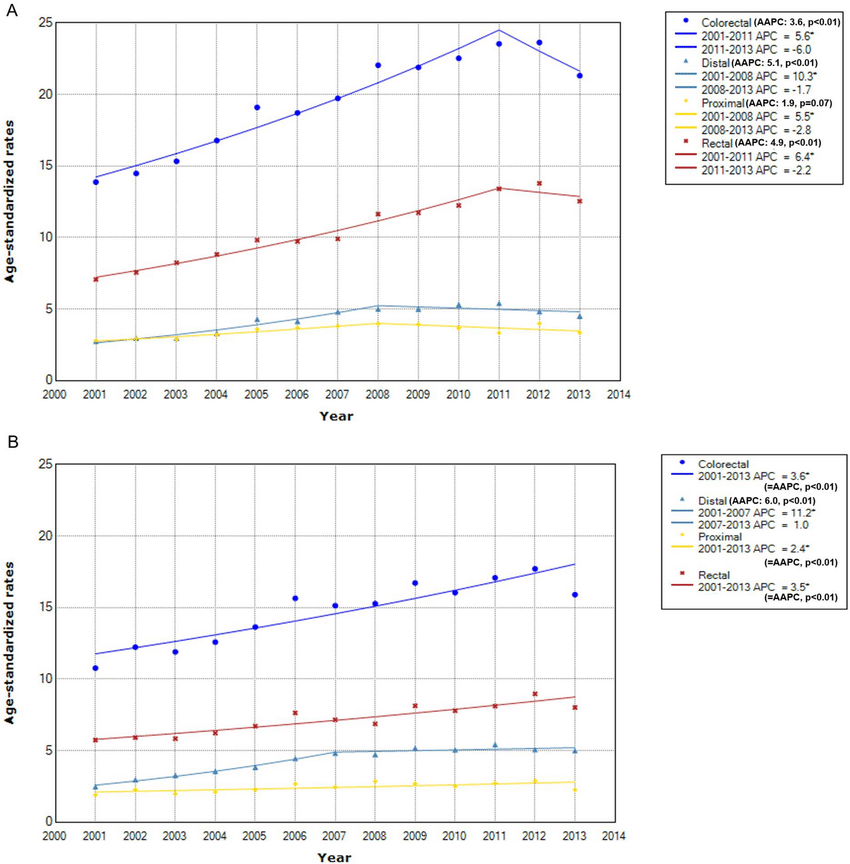
These symptoms appear in younger adults months before diagnosis, but delays in seeking medical care — sometimes up to a year — are common and dangerous.
Recognizing these early signs can significantly improve survival rates, especially since early-stage colorectal cancer can have up to a 90% five-year survival rate when detected promptly.
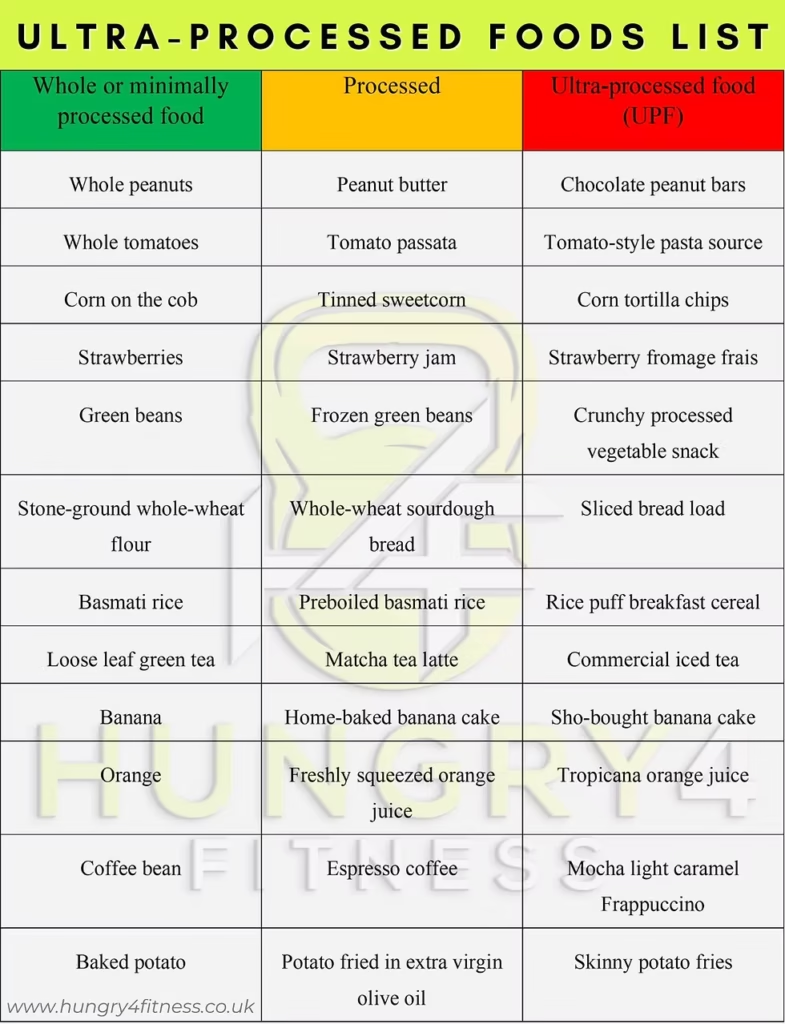
Improving Prevention: Diet, Screening & Lifestyle
While some risk factors aren’t controllable, many are — and early action can lower the odds of developing colorectal cancer or catching it sooner:
Diet and Lifestyle:
- Increase fiber intake (vegetables, fruits, whole grains).
- Reduce processed foods and red meat.
- Stay active and maintain a healthy weight.

Screening:
Guidelines now recommend starting regular colorectal screening at age 45, and sometimes earlier for those with family risk. Tests include colonoscopy, stool-based tests, and emerging blood tests that detect early signs.
Early detection doesn’t just save lives — it also minimizes treatment complexity and long-term impacts on quality of life, fertility, and finances for younger adults.
What Researchers Are Still Trying to Understand
Despite intense study, scientists still don’t know exactly why colorectal cancer is rising in younger adults. Some emerging theories include:
- Environmental exposures like microplastics
- Chronic low-grade inflammation in the colon
- Shifts in the gut microbiome
- Ultra-processed foods linked to precursor polyps
Global research efforts are focused on identifying novel mechanisms and developing better screening tools to catch cancer even before symptoms appear. This supports a future where interventions are more targeted and effective across all ages.
Colorectal cancer rising in younger adults isn’t a trend to ignore. Awareness, early screening, and a healthier lifestyle can make a life-saving difference — especially for millennials and Gen Zers who might think cancer won’t affect them.
Subscribe to trusted news sites like USnewsSphere.com for continuous updates.