
Nearly 40% of Cancer Cases Linked to Two Preventable Lifestyle Habits, Global Study Finds
Preventable cancer risks linked to lifestyle habits account for nearly four in ten cases globally, making this one of the most important public health revelations of 2026. A groundbreaking global study led by the World Health Organization (WHO) and supported by cancer experts shows that millions of cancer diagnoses could be avoided if people change specific behaviors and reduce exposure to key modifiable risk factors.

This matters now more than ever because preventable cancers are a major contributor to global health burdens and deaths, yet many people still don’t realize how much control they have over their own risks. Simple lifestyle changes — from quitting smoking to reducing alcohol intake and eating healthier — can have a dramatic impact.
How Big a Problem Are Preventable Cancers?
Recent data from a global analysis published in Nature Medicine reveal that about 37.8% — or nearly four in ten — of all new cancer cases in 2022 could be linked to factors that are avoidable through behavioral change, public health interventions, and environmental policies.
At the heart of this analysis is the identification of 30 modifiable factors that contribute to cancer risk, spanning personal habits like tobacco use and alcohol consumption, environmental exposures such as air pollution and ultraviolet radiation, and infectious causes that are preventable through vaccines. The study looked at data from 185 countries, making it one of the broadest and most detailed assessments of cancer prevention potential.

The scale is staggering: millions of cancer cases worldwide each year could be avoided if people and governments take preventive steps. Lung, stomach, liver, and cervical cancers are among the most frequently preventable types.
The Two Biggest Lifestyle Contributors: Smoking and Alcohol
Among all the modifiable risk factors studied, tobacco use and alcohol consumption clearly stand out as the leading lifestyle contributors.
- Tobacco smoking remains the single largest preventable cause of cancer, responsible for roughly 15% of all new cancer cases worldwide. It is especially prominent in lung cancer but is also linked to cancers of the mouth, throat, pancreas, esophagus, and more.
- Alcohol use, while a smaller proportion of overall cancers, still contributes to a significant number of cases, particularly in cancers of the liver, oral cavity, throat, and breast. Even moderate consumption carries risk, and health experts emphasize that no level of alcohol can be considered completely safe from a cancer risk perspective.
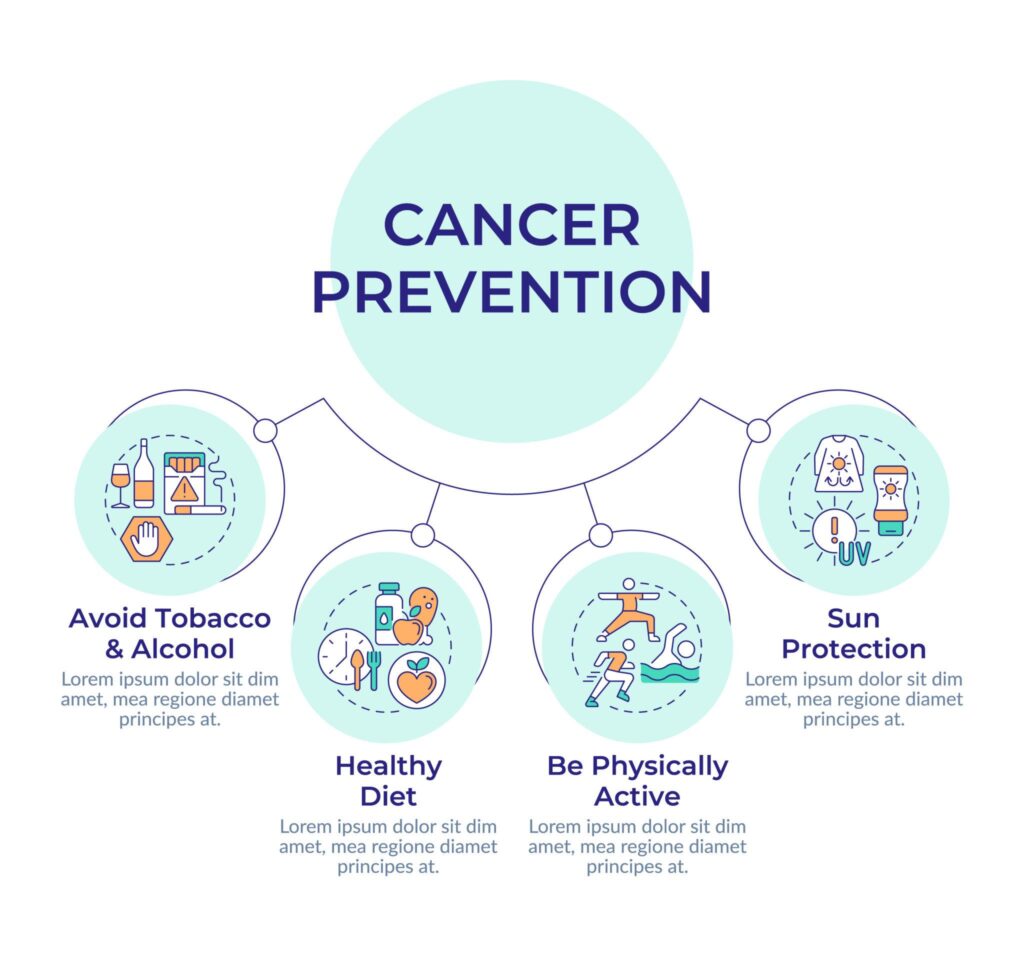
Together, these two lifestyle habits account for a large majority of preventable cases identified in the WHO analysis, underscoring the need for targeted public health interventions and individual behavior change.
Beyond Habits: Environmental & Infectious Factors
While smoking and drinking top the list, the WHO study makes clear that other factors also play major roles in cancer risk — and many are preventable with awareness and action.
- Obesity and physical inactivity contribute to a range of cancers, including endometrial, kidney, and colorectal cancers. Excess body weight creates a state of chronic inflammation and hormone imbalance that can fuel cancer development.
- Air pollution and ultraviolet (UV) radiation from sun exposure also contribute to cancer risk. Protecting skin from intense sun and reducing pollution exposure where possible can make meaningful differences.
- Infectious agents remain a significant cause of certain cancers. For example, human papillomavirus (HPV) and hepatitis B virus can be prevented through vaccination programs, reducing cervical and liver cancer risk.

These factors highlight that cancer prevention is not just about personal choice, but also about public health infrastructure, community education, and access to medical services.
What This Means for Individuals and Communities
The WHO-led findings make one thing clear: you don’t have to be powerless in the face of cancer. While genetics and unavoidable environmental exposures sometimes play a role, a large share of risk is controllable through lifestyle adjustments and preventive healthcare.
Simple steps like improving diet quality, quitting smoking, reducing alcohol consumption, staying physically active, and engaging in regular screenings can all push an individual’s cancer risk down significantly. Community-level efforts — such as smoking cessation programs, HPV vaccination campaigns, and policies to reduce air pollution — further enhance prevention potential.
Public health experts stress that awareness and early detection are crucial. Screenings can catch cancer before it advances, and prevention programs help people take small but impactful steps early in life.

Why This Matters Now
Cancer remains one of the world’s leading causes of death, but the narrative is changing: prevention can be just as powerful as treatment. With global cancer rates climbing due to aging populations and lifestyle risk factors, the ability to prevent millions of cases each year is an opportunity worth seizing.
Governments, healthcare providers, and individuals all have roles to play. The latest evidence offers hope and actionable guidance, especially as health systems worldwide strain under chronic diseases. Reducing preventable cancers could also lower healthcare costs and improve the quality of life for millions.
What You Can Do Today
• Quit smoking and avoid secondhand smoke — the most impactful step for cancer prevention.
• Limit or avoid alcohol intake — there’s no safe level for cancer risk.
• Stay active and maintain a healthy weight — even moderate exercise reduces risk.
• Protect your skin from UV exposure and practice sun safety.
• Get preventive vaccines, especially HPV and hepatitis B, where recommended.
• Participate in age-appropriate cancer screenings to catch issues early.
These actions, taken together, offer a powerful hedge against cancer risk and contribute to overall health and well-being.
Subscribe to trusted news sites like USnewsSphere.com for continuous updates.