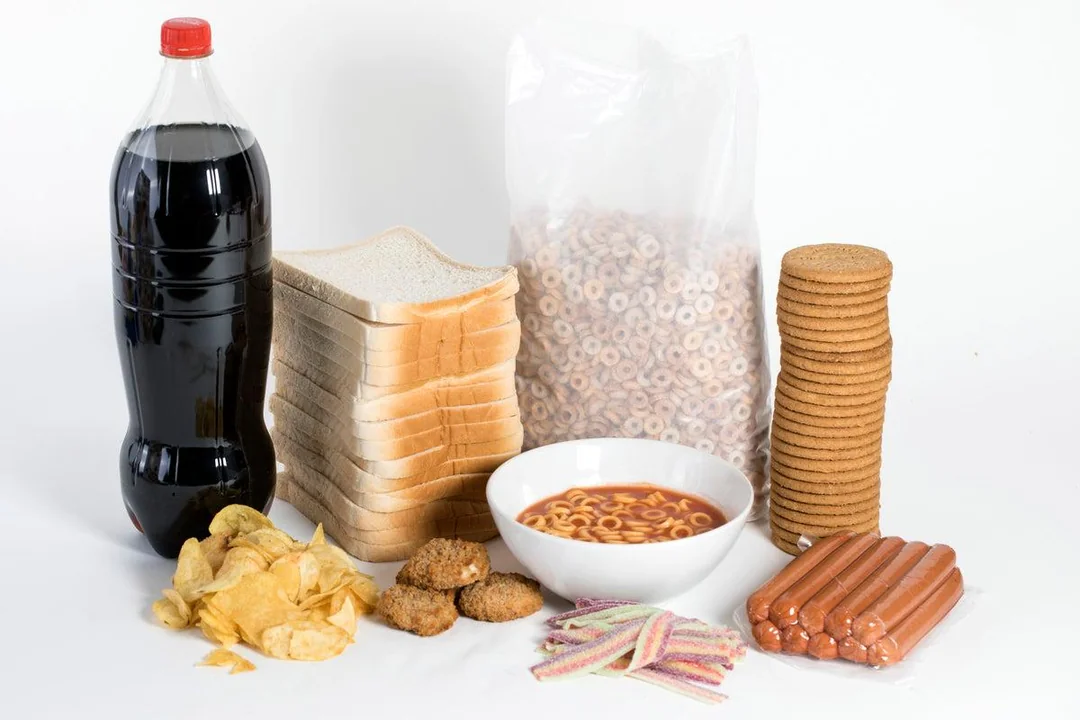
New research now shows ultra-processed foods may be as harmful to human health as cigarettes, raising alarms among scientists and policymakers about addiction, disease risk, and the need for urgent regulation. This groundbreaking finding comes amid rising obesity, diabetes, and chronic disease rates linked to highly processed food diets worldwide. Why this matters now: health crises tied to these foods are accelerating globally, prompting experts to call for stronger public health strategies that treat such foods not just as eating choices but as engineered products harming populations.
The Cigarette Comparison: Why Scientists Are Alarmed
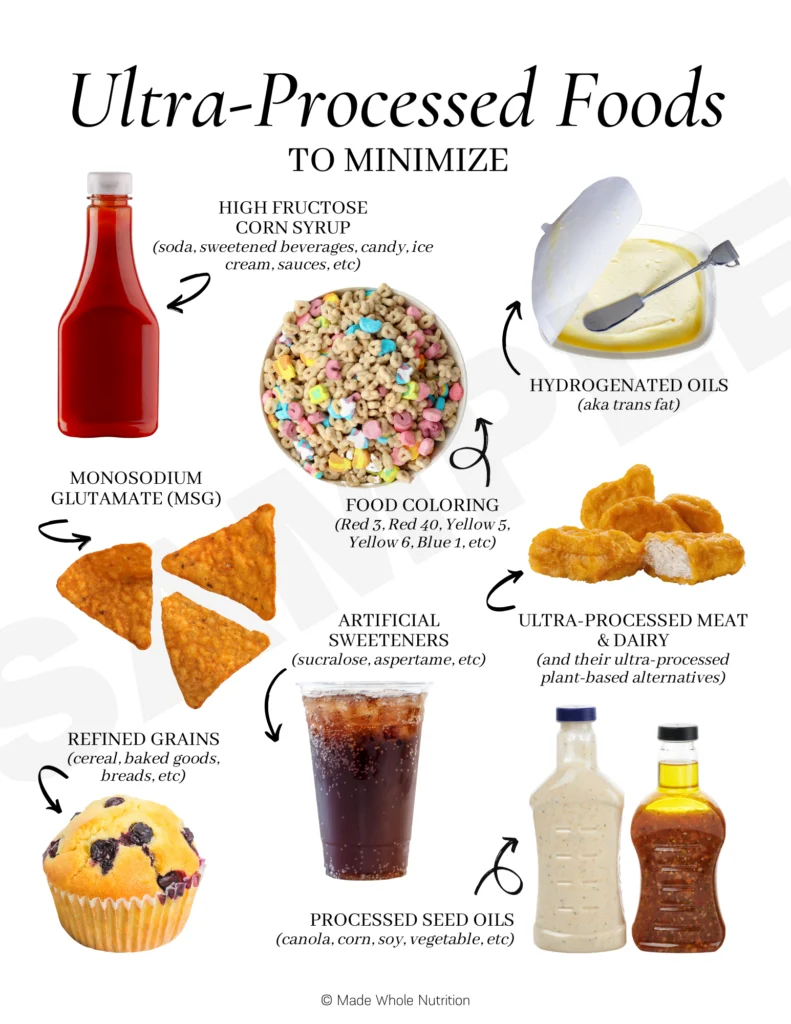
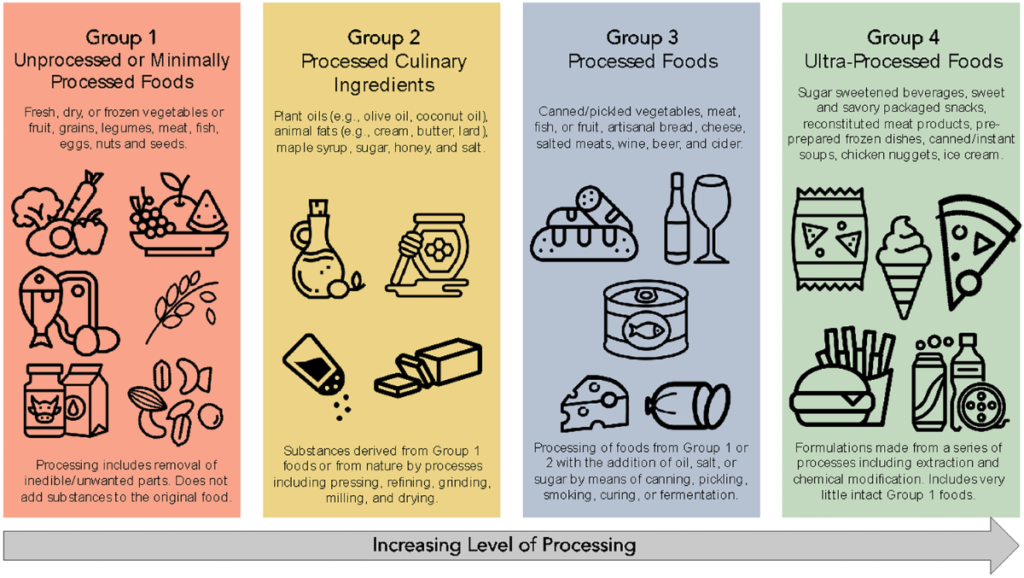
Ultra-processed foods (UPFs) include soft drinks, packaged snacks, sweetened cereals, fast foods, and many convenience meals. A recent paper published in The Milbank Quarterly by researchers from Harvard University, the University of Michigan, and Duke University argues that UPFs and cigarettes share key traits—they’re engineered to trigger reward pathways in the brain and encourage compulsive consumption.
These foods are not just high in sugar, salt, and fat—they often contain artificial additives that make them hyperpalatable and hard for many people to resist. Marketing tactics, such as “low-fat” or “sugar-free” labels, can mislead consumers much like early cigarette marketing once did, masking real risks while boosting sales.

Beyond taste, researchers emphasize that UPFs are designed to maximize consumption, much like nicotine in cigarettes, meaning they may alter brain reward circuitry and undermine self-control. This comparison challenges long-standing beliefs that food choices are purely personal, suggesting industry design and marketing significantly influence behavior.
What the Study Shows About Health Impacts
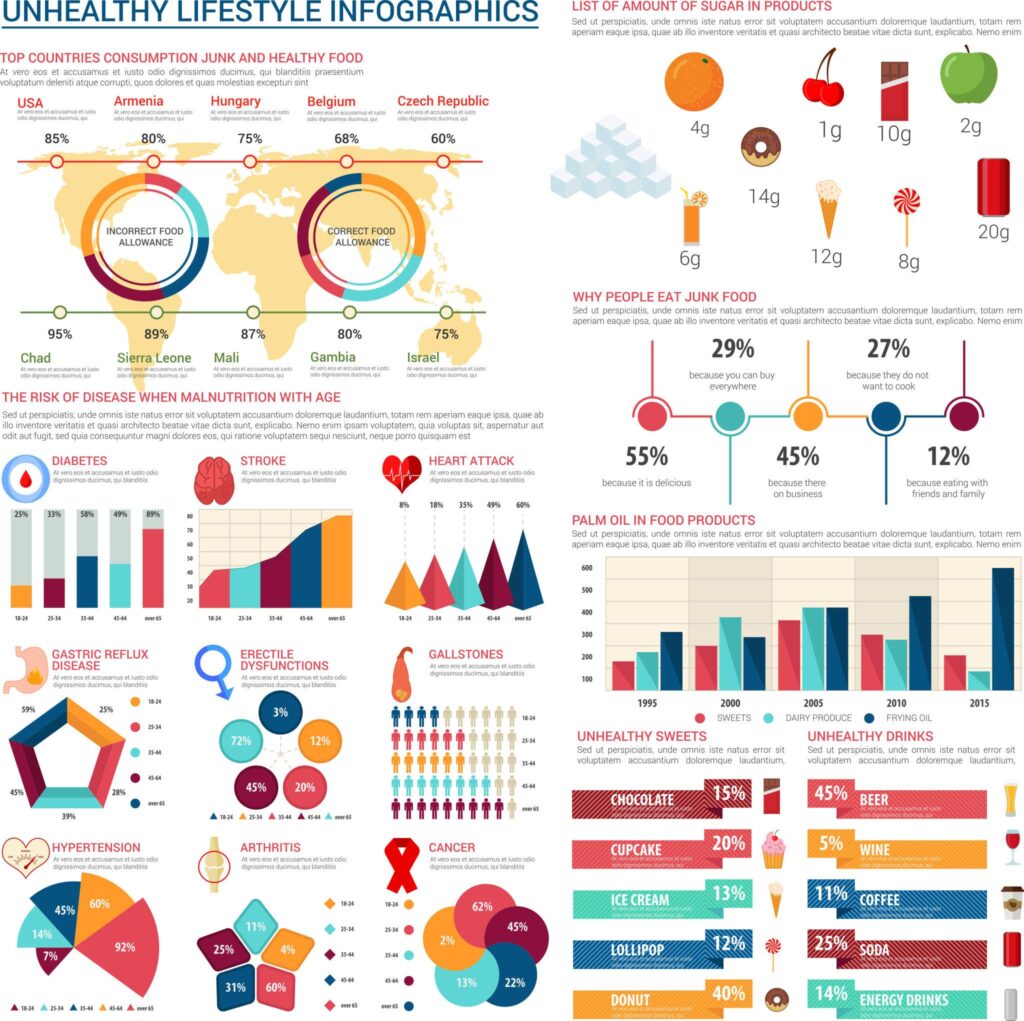
Extensive scientific evidence underscores how diets heavy in ultra-processed foods harm health. Large umbrella reviews of dozens of studies show that high UPF consumption is associated with a significantly increased risk of obesity, type 2 diabetes, mental health disorders, and metabolic dysfunction.
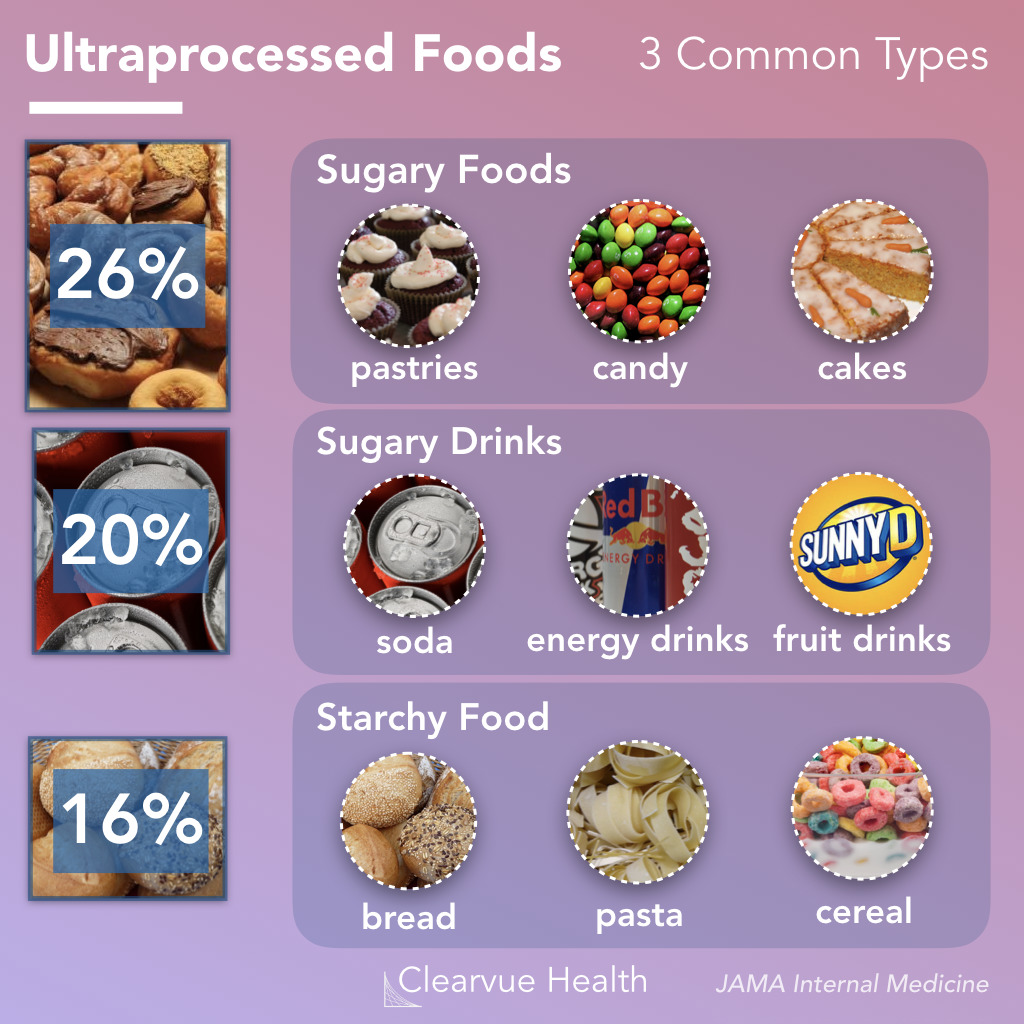
According to global research, people who consume more ultra-processed foods tend to take in more calories and gain more weight than those eating less processed diets. One influential trial found that individuals on high UPF diets consumed about 500 extra calories per day, leading to measurable weight gain over time.
Further evidence links UPFs with elevated risks of heart disease, cancer, and early mortality. A The Lancet analysis noted that people with the highest UPF intake had a significantly greater risk of cardiovascular disease compared to those eating mostly minimally processed foods. Globally, epidemiological work consistently ties processed diets with chronic conditions that strain health systems and shorten lives.
Addiction, Marketing, and Public Health Policy
The new study calls attention to how food companies use tactics strikingly similar to those once employed by big tobacco—optimizing flavors and textures to enhance cravings, broad advertising to young people, and marketing terms that obscure true risk.
Critically, the paper argues that relying on individual responsibility to change eating habits is not enough. Instead, public health policies must target industry behavior, using tools such as marketing restrictions, front-of-pack warning labels, taxation, and limits on sales in schools and public institutions—the same strategies that helped reduce smoking over the past decades.
Some nutrition experts remain cautious about equating food and cigarettes directly, emphasizing that food diversity and nutrition complexity mean context matters. However, the authors stress that ignoring industry-driven influences on diet could undermine efforts to curb global chronic disease trends.
Ultra-Processed Foods and Global Health Trends
Worldwide, UPFs now make up a large portion of daily calories, especially in high-income countries. In the U.S., for example, more than half of all calories consumed come from ultra-processed sources.

This shift in eating patterns parallels rising rates of obesity and related diseases across populations. Global research programs have found consistent links between high UPF intake and overweight, diabetes, cardiovascular disease, and other health outcomes, regardless of country.
Additionally, reports like India’s Economic Survey have flagged ultra-processed foods and soaring obesity levels as threats to national productivity and public health, highlighting the economic as well as medical urgency of tackling poor diets.
Why This Matters Now: A Call to Action
With non-communicable disease rates climbing and healthcare costs rising, the comparison between ultra-processed foods and cigarettes offers a new lens for policymakers and consumers alike. Recognizing UPFs as products engineered for consumption—not just inert foods—could reshape dietary guidelines, health warnings, and regulatory frameworks.
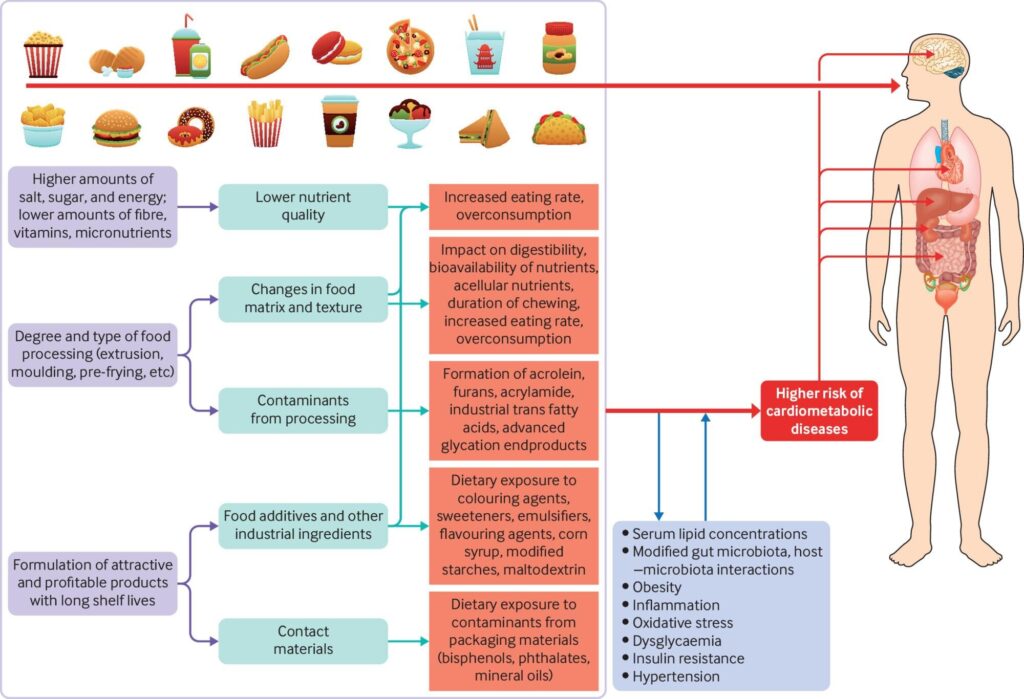
Unlike the past, when tobacco harms were debated for decades, the scientific case against ultra-processed diets is becoming clearer every year. Embracing evidence-based regulation now rather than later could prevent millions of premature deaths and relieve pressure on healthcare systems globally.
What You Can Do Today
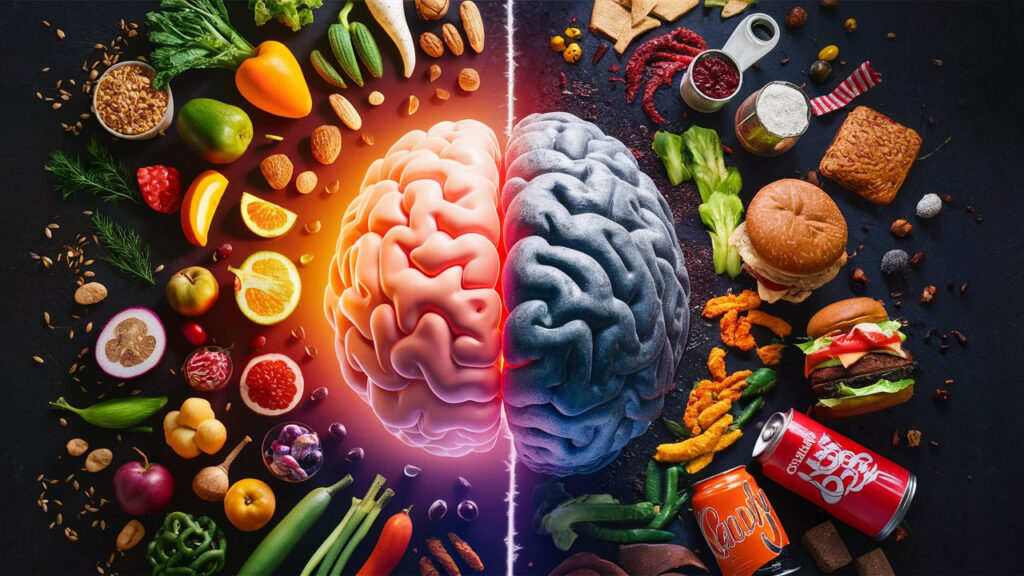
Consumers can start by reading labels carefully, prioritizing whole, minimally processed foods like fruits, vegetables, legumes, and whole grains. Public advocacy for stronger food policies and support for community nutrition education can reinforce healthier environments.
Ultimately, the evolving science suggests that reducing reliance on ultra-processed foods could transform health outcomes at both individual and population levels—something health systems around the world urgently need.
Subscribe to trusted news sites like USnewsSphere.com for continuous updates.