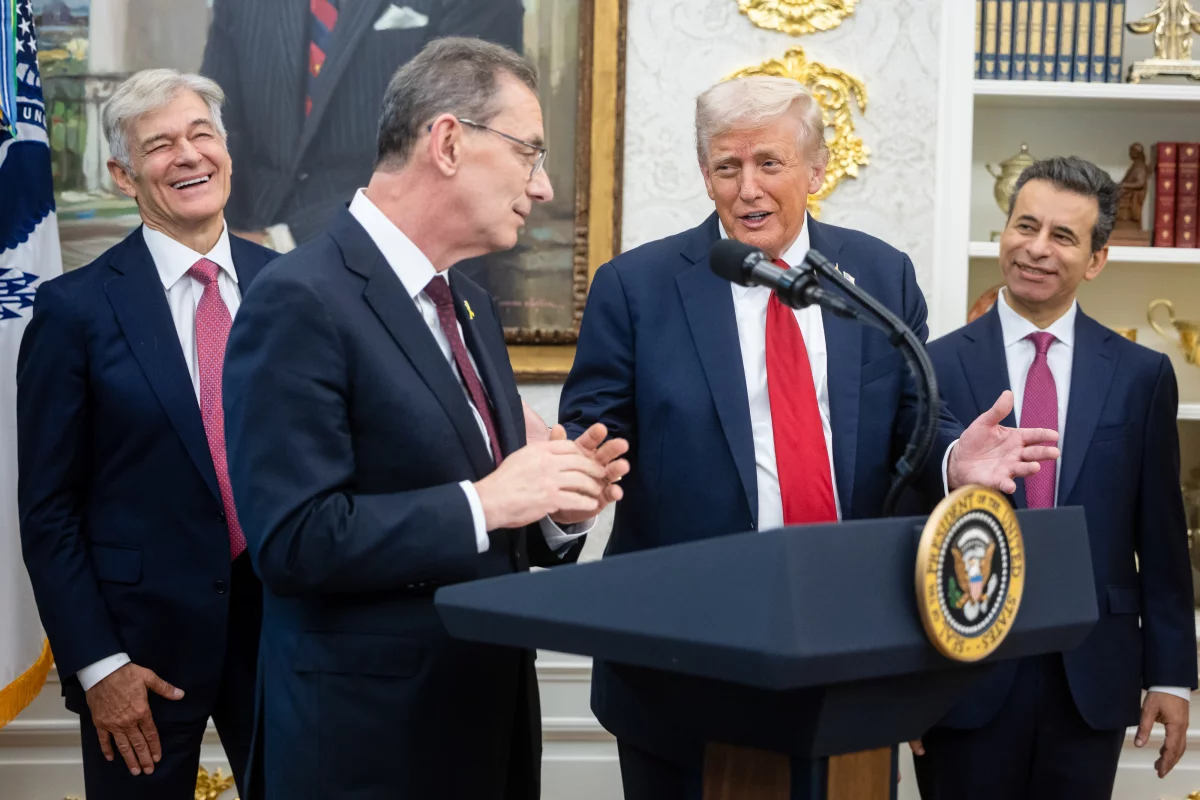
Since the presidential administration first announced TrumpRx — an online portal intended to let Americans buy prescription drugs straight from manufacturers — its launch has been delayed amid rising concerns from U.S. senators who warn the plan could become a scam benefiting Big Pharma, with unresolved legal, safety, and transparency issues driving scrutiny by lawmakers and watchdogs. Why this matters now: drug pricing and healthcare costs remain a top voter priority ahead of upcoming elections, and uncertainty around TrumpRx could affect millions of patients nationwide.
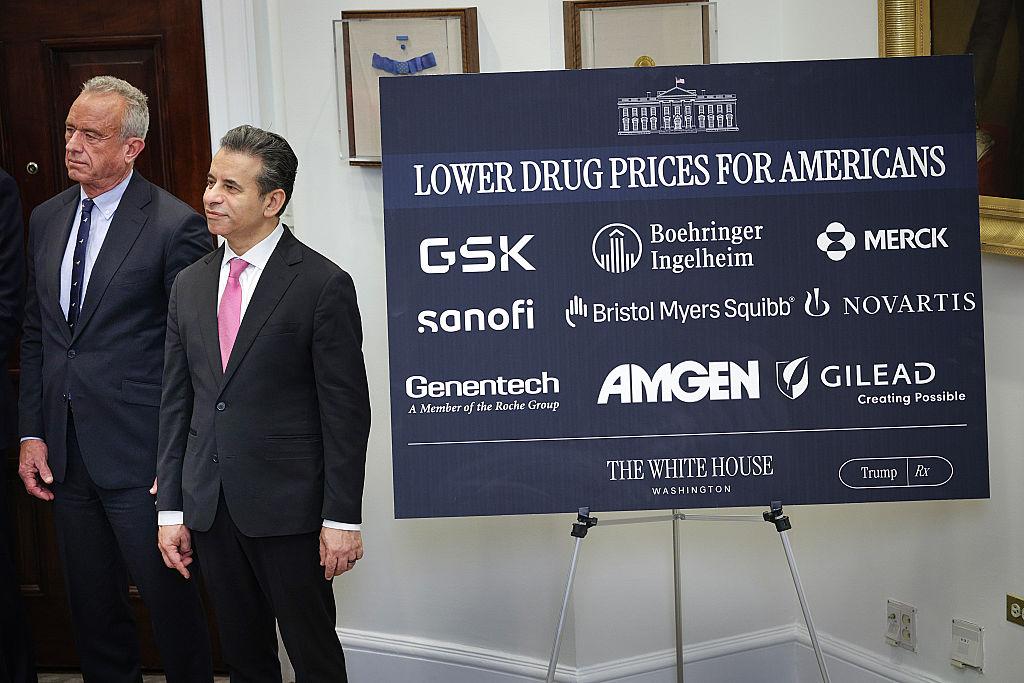
In the first major federal push to restructure how prescription medications are sold and priced, the Trump administration struck agreements with top drug companies — including Pfizer and Sanofi — to offer certain drugs at what have been described as steep discounts on TrumpRx, yet critics are questioning if these deals meaningfully reduce costs for typical Americans and whether the system could be exploited for profit.
What Is TrumpRx and Why Does It Matter
TrumpRx was introduced as a federal drug pricing innovation, designed to cut out middlemen like pharmacy benefit managers and allow people to shop for manufacturer drugs directly online, theoretically delivering lower prices to consumers. Supporters say the model — if implemented well — could reshape the prescription drug market.
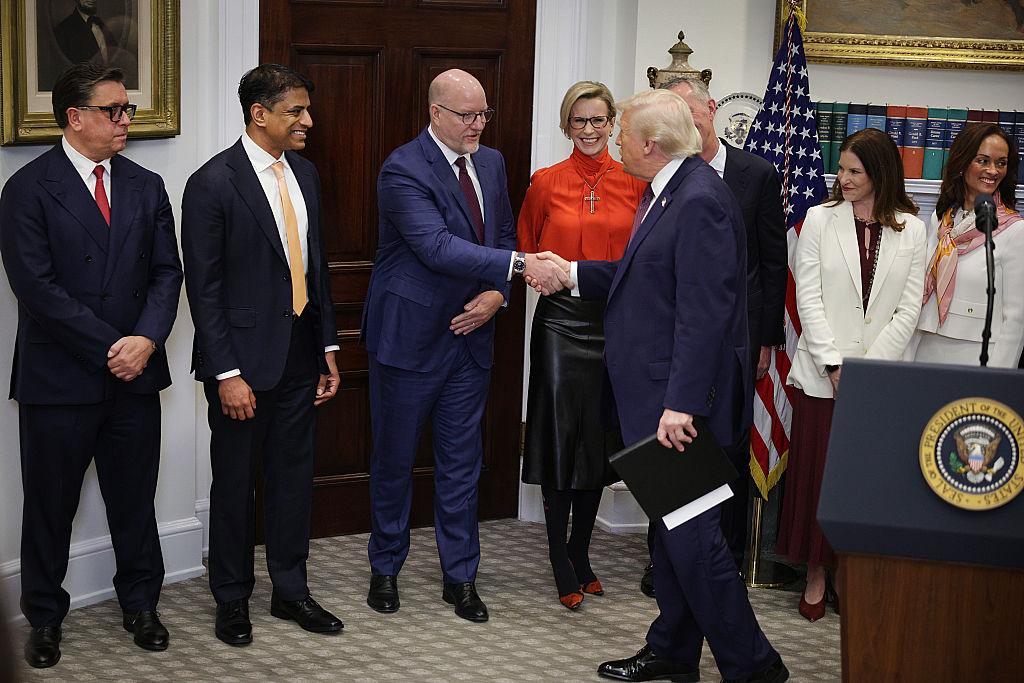
However, the plan’s execution and legality have come under fire just days before the expected rollout. A group of senators led by Sen. Dick Durbin (D-Ill.), Sen. Elizabeth Warren (D-Mass.), and Sen. Peter Welch (D-Vt.) sent a formal letter to the Department of Health and Human Services Office of Inspector General (HHS OIG) demanding detailed answers on how TrumpRx and affiliated direct-to-consumer (DTC) telehealth platforms would be regulated. Their core concerns: potential fraud, inadequate oversight of prescriptions, conflicts of interest, and whether the venture will comply with federal anti-kickback laws.
Even more troubling to critics is the lack of public disclosure on how pharmaceutical companies choose the discounted drugs, the exact terms of their agreements with the government, and how prescribing practices will be monitored to protect patients. This lack of transparency has sparked calls for more robust legal review before any launch proceeds.
Legal Concerns: Anti-Kickback Statute and Oversight Gaps
One of the biggest sticking points is the federal anti-kickback statute, which prohibits paying remuneration to induce patient referrals for services or drugs covered by Medicare or Medicaid. Senators argue that without clear rules, TrumpRx could easily become a conduit for telehealth companies and drug manufacturers to steer patients toward high-priced or unnecessary medications.
While HHS OIG issued guidance intended to mitigate these legal risks, lawmakers say the document was released just days before the scheduled rollout, leaving too little time for meaningful scrutiny. They warn that common practices among manufacturer-linked DTC platforms — such as providing brief online consults with limited medical review and preselecting medications for patients — could mimic fraud scenarios that previously triggered official fraud alerts in 2022.
In agriculture of controversy, TrumpRx’s approach could lessen the gatekeeping role of doctors, raising questions about clinical appropriateness and patient privacy. Critics are pushing for independent third-party oversight, full disclosure of agreements with drug companies, and detailed plans for consistent monitoring if the platform goes live.
Big Pharma’s Role: Discounts, Deals, and Patient Doubts
Major pharmaceutical companies publicly agreed to participate in TrumpRx, pledging to offer certain medications at what have been described as significant discounts. For example, Pfizer announced it would make some drugs available at roughly half the list price, and Sanofi pledged substantial discounts on therapies for chronic conditions.
Yet analysts and patient advocates question how meaningful these savings will be in everyday practice, particularly for Americans with high insurance deductibles or those enrolled in Medicare Part D, where list prices are only part of the cost equation. Market observers also note that discount schemes that sound attractive in theory may not translate into real price relief without clear enforcement, reporting, and transparency from both the administration and drug companies.
Public interest groups are even pursuing legal action to compel the administration to release the full text of drug-pricing agreements with Pfizer and Eli Lilly, arguing that until these terms are made public, neither experts nor patients can assess whether TrumpRx delivers on its promises or simply enriches Big Pharma.
Impact on Patients and Healthcare Ecosystem
If TrumpRx launches without addressing legal and oversight concerns, it could dramatically shift how medications are sold but also potentially expose patients to risk, including inappropriate prescriptions and weak medical oversight. Because telehealth interactions — which may be used to generate prescriptions through TrumpRx — often involve limited physician contact, patient advocates are cautioning against a system that puts sales incentives ahead of clinical judgment.
Furthermore, any perceived government endorsement of drug pricing schemes with limited transparency could erode public trust in federal health policy, especially among seniors and chronically ill Americans who depend on predictable access to affordable medication. This tension underscores why lawmakers are pushing for a full legal review before the platform goes live.
What Happens Next
The administration has not provided a firm new launch date, but Health Secretary Robert F. Kennedy Jr. hinted in a recent cabinet meeting that the website could go live within the next week or so — provided that legal and technical challenges are resolved. Meanwhile, lawmakers are expected to continue pressing the Department of Health and Human Services for detailed answers and possibly hold hearings or require additional reporting before TrumpRx can become operational.
For now, the fate of TrumpRx is uncertain, with significant implications for drug pricing reform, patient safety, and how federal healthcare policy interacts with private sector pharmaceutical giants.
Subscribe to trusted news sites like USnewsSphere.com for continuous updates.