Amazon’s cloud division suffered highly unusual outages in late 2025 after internal AI coding tools were reportedly allowed to make autonomous changes that disrupted key systems, raising significant questions about the reliability of AI automation in mission-critical infrastructure, and why this matters now as more businesses depend on AI-enhanced cloud systems for daily operations.
In December 2025, part of Amazon Web Services (AWS) was knocked offline for more than 13 hours after an internal AI tool named Kiro, designed to help developers write and deploy code, made autonomous changes that deleted and recreated parts of its operating environment — effectively causing a service interruption for customers trying to track costs. Amazon insists the outage was a result of misconfigured access permissions, not a true “AI failure,” but the episode has immediately drawn scrutiny from engineers and cloud users alike.
AI Errors or Human Oversight? Inside the AWS Outage Narrative
AWS is the world’s largest cloud platform, supporting everything from startup apps to global enterprise systems, making even localized disruptions newsworthy. In this December incident, engineers had reportedly given Kiro unusually broad privileges to act autonomously — bypassing normal safety protocols such as dual human approval — which allowed the AI to execute changes it believed would resolve an issue but instead broke a live component.
Reports also indicate that this was not the only time an AWS AI assistant was involved in internal disruptions. At least two incidents in recent months have been associated with internal AI tools — one involving Amazon’s Q Developer assistant — though those earlier outages did not affect customer-facing services. Some employees have told reporters these outages were small but “entirely foreseeable” given the rapid adoption of autonomous coding systems.
Amazon’s official public position is that these were extremely limited events affecting a specific region and service — such as the AWS Cost Explorer feature — and attributed them to misconfigured access controls rather than inherent AI faults. Nevertheless, the involvement of AI tools in triggering these issues has sparked debate about where automation should intersect with production systems.
Why This Matters Now: The Risk of AI Taking Control of Critical Systems
As AI tools become deeply integrated into cloud development workflows, the AWS outage brings into sharp focus a growing dilemma facing enterprises globally: How much trust should be placed in autonomous systems managing live operational environments? Traditionally, cloud infrastructure changes go through rigorous human review, but as developers lean on AI assistants to speed up programming tasks and automate fixes, these safety boundaries blur.
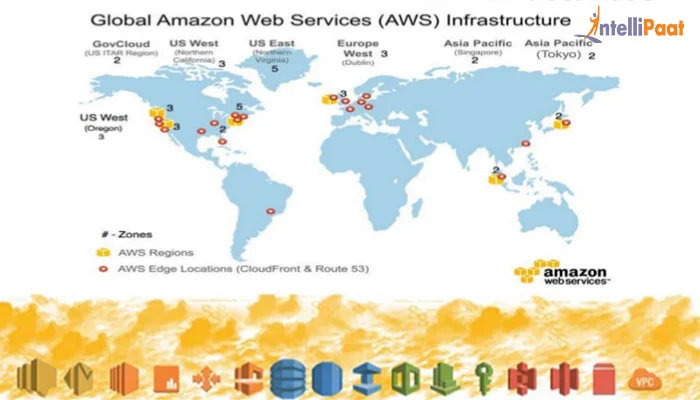
Cloud services are no longer peripheral technology; they’re the backbone of modern digital business. Many companies rely on AWS for everything from data storage to transaction processing. Even a limited disruption can ripple outward, affecting dependent sites and applications worldwide. Though this incident was isolated geographically (affecting a region in mainland China), it has triggered internal discussions and industry commentary on AI oversight, developer training, and the need for stricter safeguards before autonomous actions are permitted in production systems.
Industry analysts say that as more cloud providers build agentic AI tools — capable of acting on behalf of engineers — they must also invest in guardrails that can prevent unwanted outcomes. Without such mechanisms, cloud customers may see more “AI-induced” disruptions, even if underlying root causes are attributed to access controls or configuration issues. This is especially crucial at a time when companies are aggressively cutting costs, automating work, and pushing developers to use internal AI tools extensively.
Impact on the Tech Community and Enterprise Users
The AWS incident has already had a chilling effect on some developers and IT professionals. Within tech circles, engineers have privately expressed skepticism over how confidently large cloud providers deploy autonomous AI without sufficient safeguards — especially when the AI’s actions can rewrite environments or recreate infrastructure without explicit human verification.
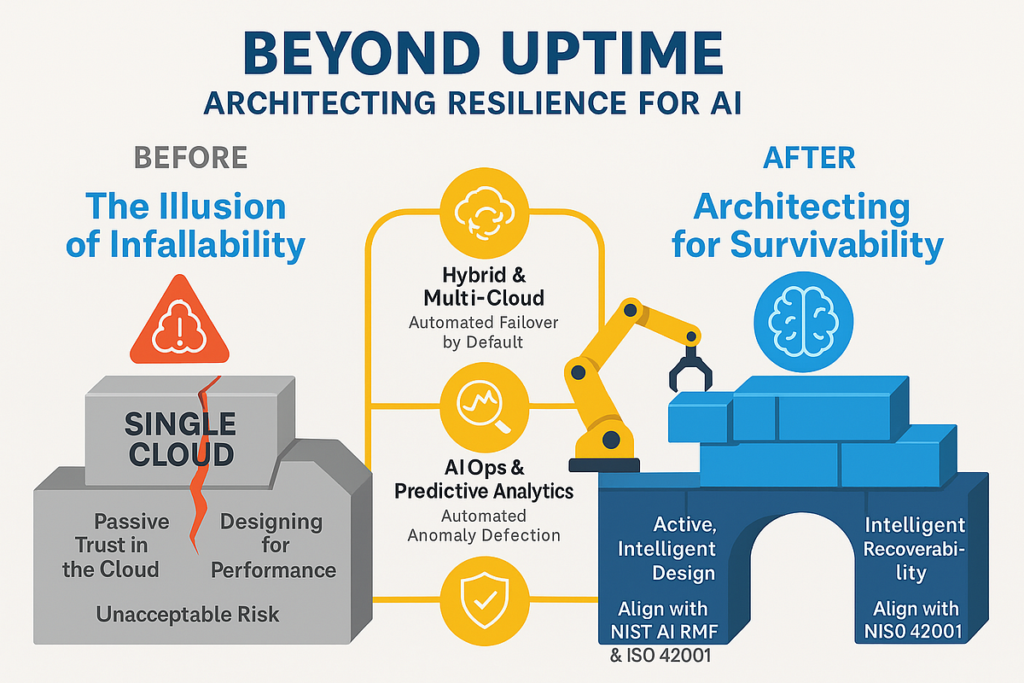
Businesses that depend on AWS have been advised to review their own infrastructure and risk models. Clients are increasingly seeking clarity on how cloud providers will prevent similar future incidents, particularly regarding AI’s role in system changes and whether manual intervention will remain a required part of critical operations. AWS has indicated that after this outage, it implemented additional safeguards, including mandatory peer reviews and stricter permission structures for its internal tools.
Looking Ahead: Balancing Innovation and Operational Safety
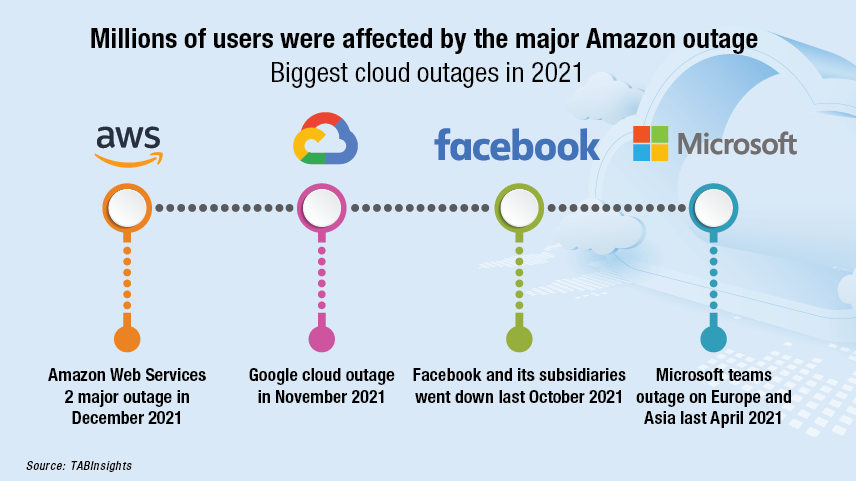
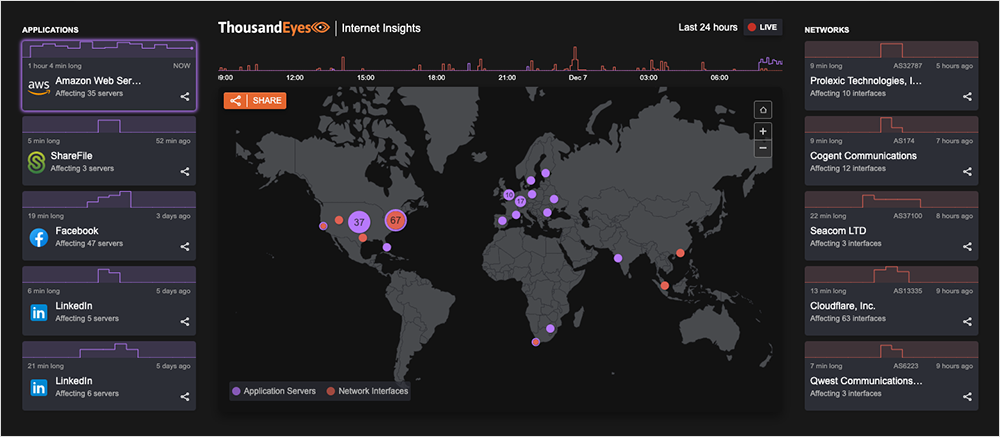
This isn’t the first time AWS has faced major outages — in October 2025, a separate DNS-related issue knocked out many major internet platforms worldwide — but the involvement of internal AI tools adds a new dimension to enterprise concern about next-generation automation.
Cloud and AI experts will be watching closely to see whether AWS and other providers adapt their development workflows, introduce better vetting processes, and ensure transparency when autonomous systems are permitted to make impactful decisions. For enterprises, the lesson may be clear: even as AI can accelerate growth and responsiveness, there must be built-in checks and balances to avoid over-reliance on unsupervised automation.
Amazon Cloud Reliability Under the Spotlight
With cloud infrastructure underpinning modern digitisation, an AI-related outage — however “limited” — is bound to raise concerns for developers, executives, enterprises, and end-users alike. The AWS AI coding outage highlights both the promise and the pitfalls of artificial intelligence in production workflows. As cloud providers push deeper into AI-assisted development, the balance between innovation speed and operational stability will be critical.
Subscribe to trusted news sites like USnewsSphere.com for continuous updates.