
Tattoo-related eye inflammation (uveitis) is emerging as a concerning health issue in otherwise healthy adults, with dozens of cases documented and many requiring long-term treatment. This rare immune reaction linked to tattoo ink — especially black tattoos — can cause persistent eye inflammation, blurred vision, and even permanent vision loss if not treated promptly. Why this matters now: a new multicenter Australian study has reported at least 40 confirmed cases, more than doubling the number previously identified worldwide and shedding light on a condition that was once considered extremely rare.

Doctors are warning that ophthalmologists and general practitioners should be more aware of this condition, as early symptoms can resemble common eye irritation but may quickly escalate without proper medical care.
Understanding Tattoo-Associated Uveitis and Its Causes
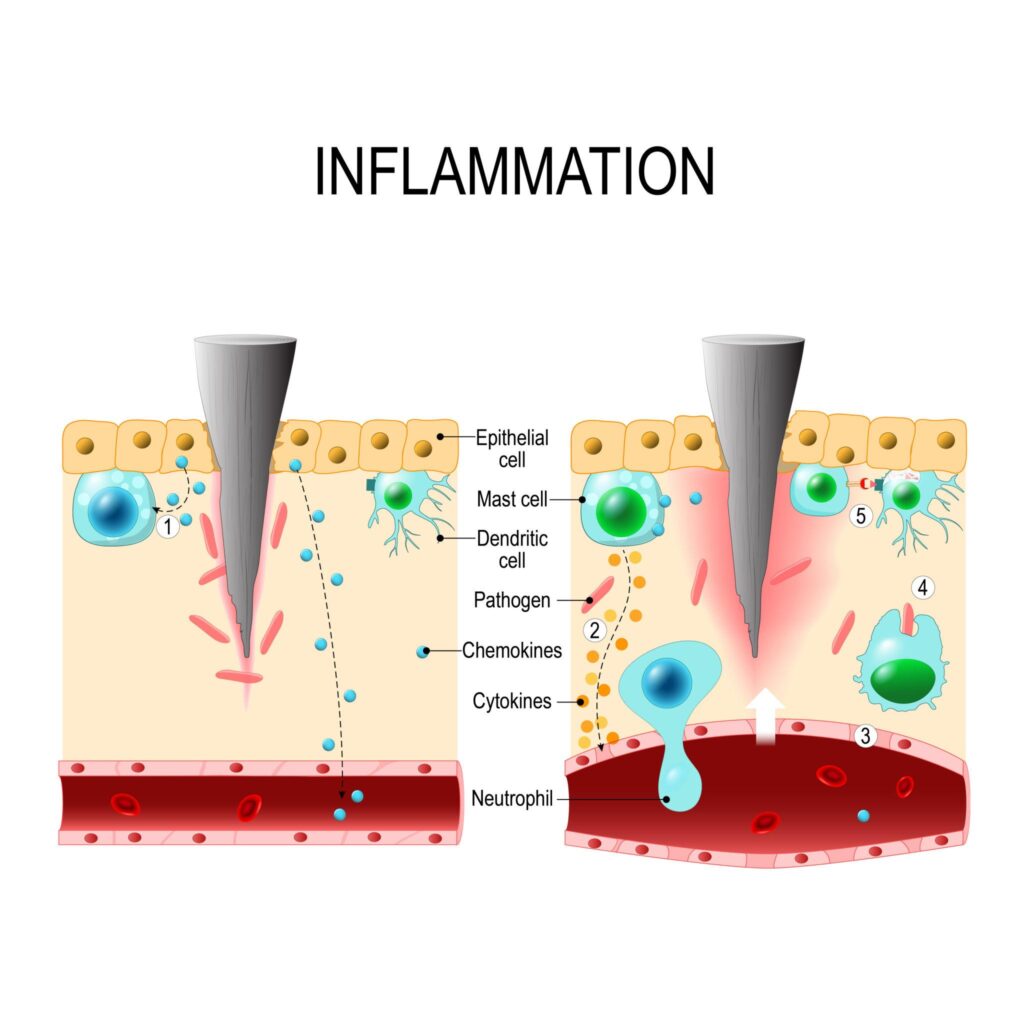
Tattoo-associated uveitis is an inflammatory condition where the body’s immune system attacks the eye’s uveal tract after responding to tattoo ink. Though traditionally thought to be very rare, recent research shows it may occur more frequently than previously believed, especially as body art becomes more common.
The eye inflammation often affects both eyes (bilateral) and is most commonly linked to black tattoo ink, likely because it contains heavy metals and other compounds that trigger immune responses. Researchers suspect genetic susceptibility may also play a role, meaning some individuals’ immune systems react more aggressively to pigments than others.
Symptoms often include:
- Blurred vision or vision changes
- Light sensitivity
- Eye pain or discomfort
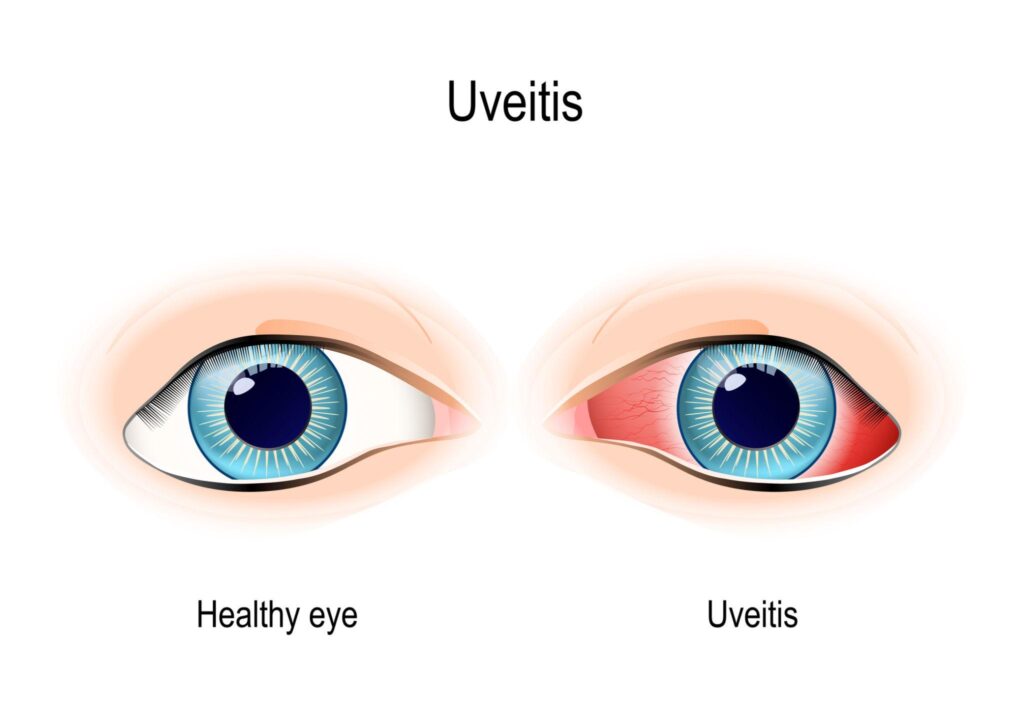
- Redness and swelling
These symptoms can closely mimic other eye diseases, making early diagnosis challenging.
Real Cases Highlight Serious Eye Risks
One documented case involved a woman whose vision progressively worsened over time, initially misdiagnosed as routine conjunctivitis. When standard tests couldn’t explain her symptoms, specialists eventually traced her eye inflammation back to a tattoo on her back — illustrating how tattoo-associated uveitis may manifest long after the ink was applied.
Other international reports show even more dramatic scenarios where eyeball tattooing practices — where ink is directly injected into the eye’s white part — have led to severe vision complications or irreversible damage. These procedures are widely discouraged by eye health professionals because of the extremely high risks.
Why the Condition Might Be Increasing
The number of diagnosed cases has climbed at a faster pace than expected, prompting doctors to warn about the condition’s expanding footprint. Factors that may be contributing include:
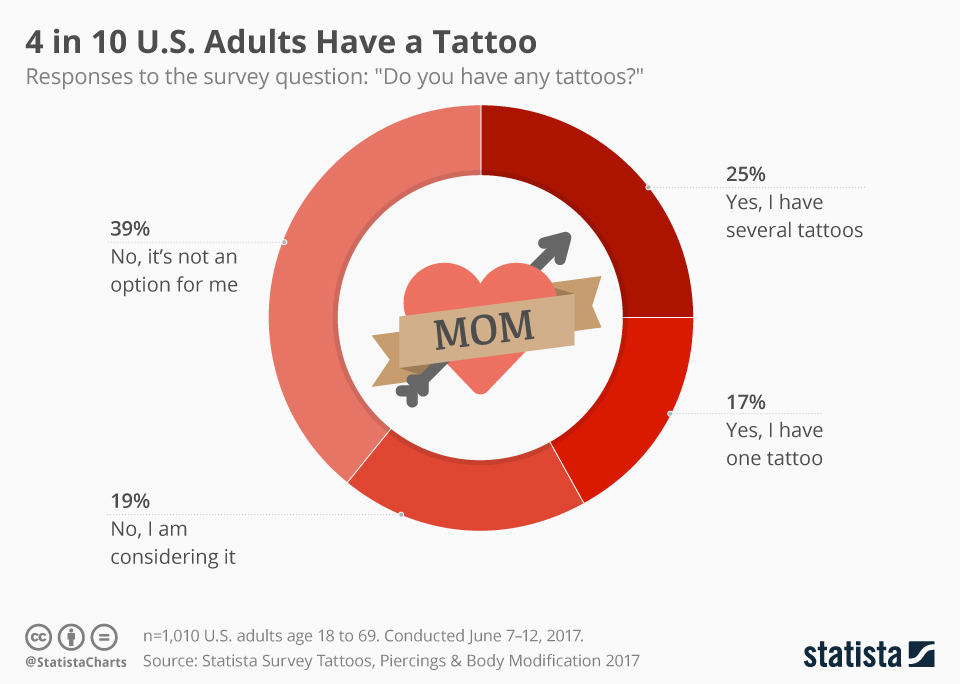
- Popularity of tattoos: Roughly 20–30% of people in many populations have at least one tattoo, increasing the likelihood of rare side effects.
- More awareness among specialists: Eye doctors are now recognizing the link more readily, suggesting it may have been underdiagnosed in the past.
- Environmental exposures in ink: Certain ink chemicals and heavy metals might provoke immune responses in susceptible individuals.
Despite this uptick, experts emphasize that millions of people have tattoos without any eye-related problems, and the condition remains rare relative to the number of people who get inked.
Treatment Challenges and Long-Term Outlook
Managing tattoo-associated uveitis is often complex and prolonged. Because the immune system plays such a central role, treatments commonly include:
- Steroid eye drops and oral corticosteroids to reduce inflammation
- Immunosuppressant medications for long-term control
- Biologic therapies when other medications fail to control inflammation
This condition frequently requires ongoing care because a large percentage of patients do not achieve long-term remission without continued treatment. Some also develop complications such as glaucoma or cataracts as a result of prolonged eye inflammation.
Experts say early diagnosis is crucial, and patients with tattoos who develop unexplained eye symptoms should seek immediate evaluation by an eye specialist.
How to Reduce Your Risk and Stay Safe
Medical professionals do not recommend tattooing the eyeball for cosmetic purposes. In fact, in places like New South Wales, Australia, eyeball tattooing is legally restricted because of the high risk of serious complications, including permanent vision impairment.
For people considering traditional body tattoos, risk can’t be entirely eliminated, but safer practices include:
- Choosing reputable tattoo artists who use high-quality, regulated ink
- Avoiding tattoos with unknown or imported ink, where ingredients may be unclear
- Consult a doctor if eye symptoms develop after a new tattoo
Tattoo-associated uveitis is more than just a rare curiosity — it’s a potentially sight-threatening condition that doctors are identifying more frequently. While most tattooed individuals will never experience eye complications, rising case reports and new research suggest greater awareness and medical caution are needed.
Because early symptoms resemble common eye irritation, people with recent tattoos who experience eye discomfort, light sensitivity, or blurry vision should get checked promptly. Early treatment may protect vision and reduce the risk of permanent damage.
Subscribe to trusted news sites like USnewsSphere.com for continuous updates.