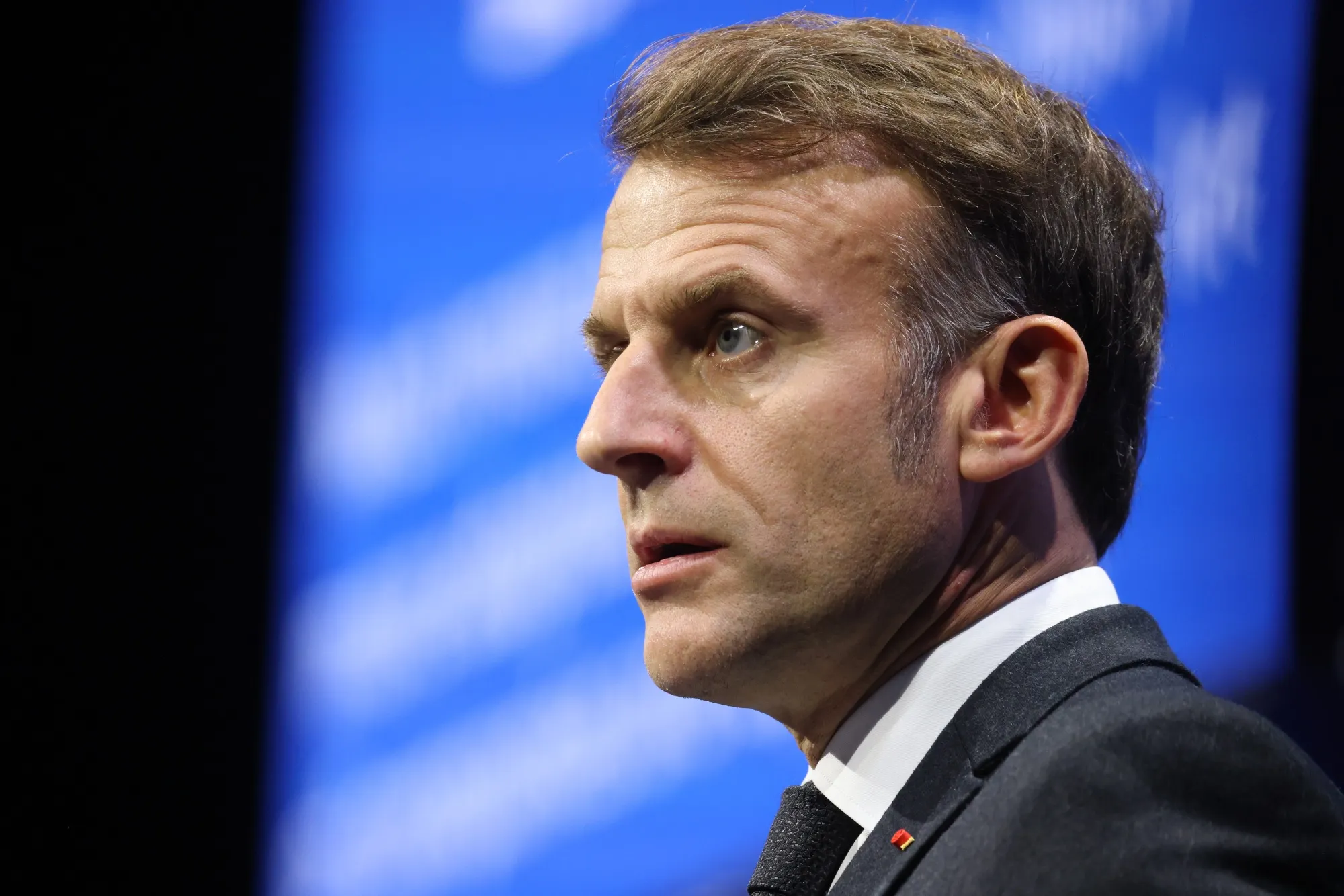
French President Emmanuel Macron is urging the European Union to activate its powerful anti-coercion instrument in response to U.S. President Donald Trump’s new tariff threats tied to Greenland — a move that could reshape the future of transatlantic trade and alliance cooperation. Macron’s call follows Trump’s announcement of escalating duties on eight European nations unless diplomatic concessions are made, a step European leaders have branded unacceptable and coercive.
At the core of this standoff is a deepening dispute over U.S. pressure around Greenland, where the United States has expressed strategic interest, provoking strong opposition from EU members and NATO allies. Macron’s initiative comes as European capitals scramble to respond to what they see as economic blackmail that threatens both economic ties and long-standing security cooperation.
What Is the EU’s Anti-Coercion Instrument and Why It Matters
The Anti-Coercion Instrument is a European Union trade defense regulation designed to counter economic coercion by third countries — essentially a legal framework that allows the EU to adopt countermeasures against nations that use economic pressure to force policy changes. Adopted in late 2023, it has never been triggered before.
Macron and other EU leaders, citing the unprecedented nature of Trump’s tariff threats, argue that activating this tool will demonstrate European unity and resolve. It could, for example, allow the EU to restrict U.S. access to public tenders, impose counter-tariffs, or take other economic actions to defend member states’ interests.
In this moment, why this matters now is clear: Europe faces simultaneous pressure to protect economic sovereignty while navigating the political and security implications of rising U.S.–EU tensions — a test not seen in decades. The dispute has the potential to strain NATO cohesion and delay ratification of other major trade agreements.
Trump’s Greenland Tariffs: The Source of the Dispute
The conflict was sparked when President Trump announced that, from February 1, several European countries — including France, Germany, the UK, Denmark, Sweden, the Netherlands, Norway, and Finland — would face new tariffs of 10% on their exports to the United States. This duty is set to rise to 25% by June unless the dispute over Greenland’s status is resolved in a way the U.S. prefers.
Trump framed the tariffs as leverage tied to his push to negotiate control or ownership of Greenland, a vast Arctic territory of strategic interest. European leaders have responded with shock and strong language, calling the tariffs unjustifiable and harmful to transatlantic cooperation.
Many analysts view this move as not just an economic strategy but also a political pressure tactic intended to challenge European unity on Arctic policy and broader geopolitical issues.
France and Europe Push Back: Unity and Retaliation
Macron has taken a leading role in coordinating Europe’s response, emphasizing that no intimidation or threats will change EU policy or undermine allies’ decisions. European diplomatic circles are now engaged in urgent discussions about how best to respond, with Macron proposing that the anti-coercion instrument be triggered immediately if the tariffs go into effect.
Some EU members, however, urge caution, preferring dialogue over escalation. Italian Prime Minister Giorgia Meloni, for example, called Trump’s tariff threats a mistake but was less emphatic about retaliatory measures than some of her counterparts.
Despite differing perspectives, the broader EU stance stresses solidarity with Denmark — the sovereign nation for Greenland — and a unified opposition to what they describe as economic blackmail. Leaders also warn that the dispute could imperil other key transatlantic partnerships, including cooperation against global security threats and future economic agreements.
The Historical and Strategic Context
This current dispute unfolds against a backdrop of complex geopolitics in the Arctic region, where control over resources and military presence has become increasingly significant. The EU’s anti-coercion tool was initially conceived to help counter coercive pressure from nations like China and has not previously been used against longstanding allies.
The situation has rekindled debates about the durability of international trade norms and the stability of alliances built after World War II. For Europe, standing firm against perceived economic coercion is not simply about trade — it reflects broader concerns about national sovereignty, security policy, and preserving a rules-based international order.
Potential Impacts and What Comes Next
If the EU activates the anti-coercion instrument, it could lead to an unprecedented escalation of trade responses between the world’s largest economic blocs. European industries could impose counter-tariffs on U.S. goods, potentially hitting sectors from agriculture to manufacturing.
Economists warn that a sustained trade standoff could slow growth, increase costs for consumers on both sides of the Atlantic, and disrupt supply chains already strained by global geopolitical shifts. Moreover, political leaders on both sides may face pressure from domestic constituencies to defend jobs and industry amid rising tensions.
For now, EU ambassadors are scheduled to meet urgently to discuss this course of action, and all eyes are on whether Europe will signal firm retaliation or prioritize renewed diplomatic engagement with Washington.
Subscribe to trusted news sites like USnewsSphere.com for continuous updates.