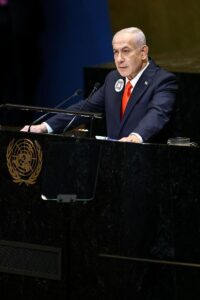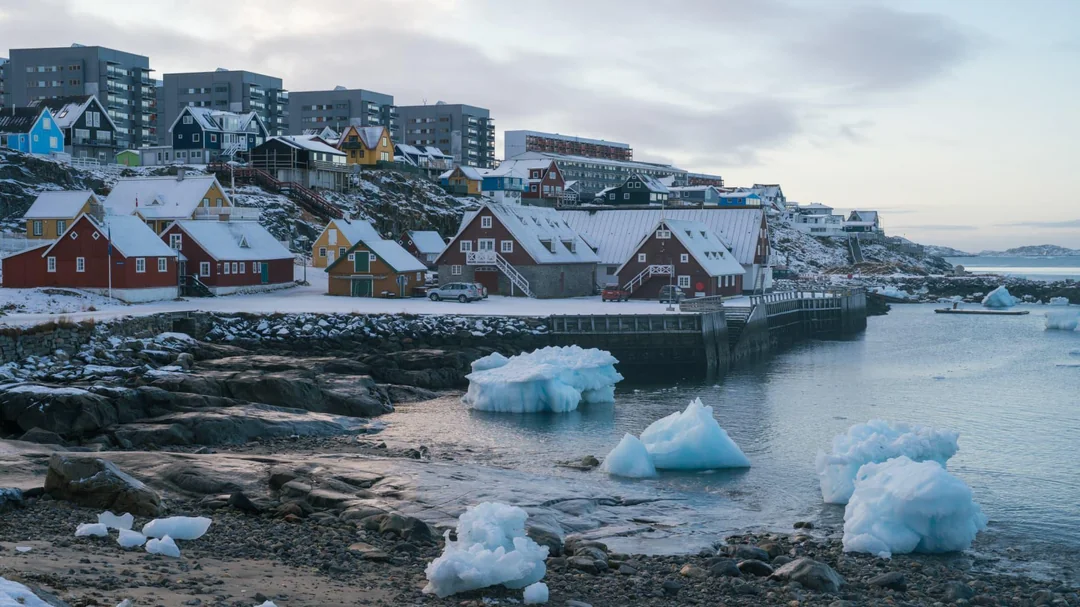
When NATO troops began arriving in Greenland in January 2026, global security analysts described it as a pivotal moment for Arctic geopolitics and Western military alliances — at a time when the United States under President Donald Trump is intensifying its long-standing push to gain control over the strategically vital island. This growing military footprint and diplomatic tension have positioned Greenland — a vast territory under the Kingdom of Denmark — at the center of an unfolding geopolitical drama that major news outlets and military strategists are closely watching.
The situation is not just about a few dozen troops on an icy island thousands of miles from most European capitals. It touches on the very foundations of NATO’s cohesion, questions of national sovereignty, and the increasingly urgent strategic importance of the Arctic region — especially as climate change opens new sea lanes and intensifies competition among global powers. Analysts predict that this episode will reshape how countries think about defense in the High North and could influence future military and diplomatic agendas for years.
Trump’s Renewed Pursuit of Greenland and Geopolitical Tensions
President Donald Trump has revived his controversial goal of bringing Greenland under U.S. control — a concept first floated during his earlier presidency — arguing Washington needs the island for national security against rising Russian and Chinese influence. Trump’s rationale hinges on Greenland’s strategic location and its vast, largely unexploited mineral resources, which he frames as crucial to U.S. defense and economic strength.
In meetings at the White House with Danish and Greenlandic officials, Trump reiterated that “nothing less than ownership” is acceptable — even suggesting that Denmark could not consistently safeguard Greenland from external threats. Danish leaders, however, have sharply rejected this narrative and highlighted that Greenland is already part of NATO and therefore covered by collective defense agreements.
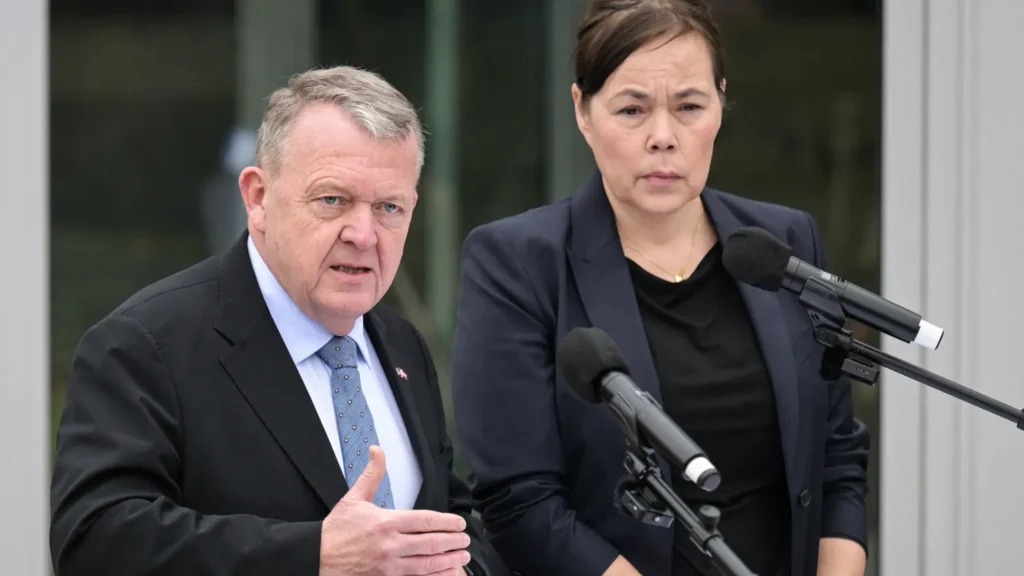
Greenlandic leaders have echoed Denmark’s stance, firmly stating that Greenland is “not for sale” and reaffirming that decisions about its future must be made by Greenlanders themselves. In public statements around the diplomatic talks, Greenland’s Prime Minister emphasized the territory’s autonomy and its commitment to its status within the Kingdom of Denmark, the European Union, and the broader NATO alliance.
This diplomatic standoff illustrates a deeper mistrust brewing among some NATO allies, who now worry about alliance unity if the world’s leading member openly seeks to acquire territory from another. European leaders view many of Trump’s remarks as destabilizing rhetoric that could ultimately weaken transatlantic cooperation and undermine NATO’s credibility.
NATO and European Allies Respond with Military Presence and Exercises
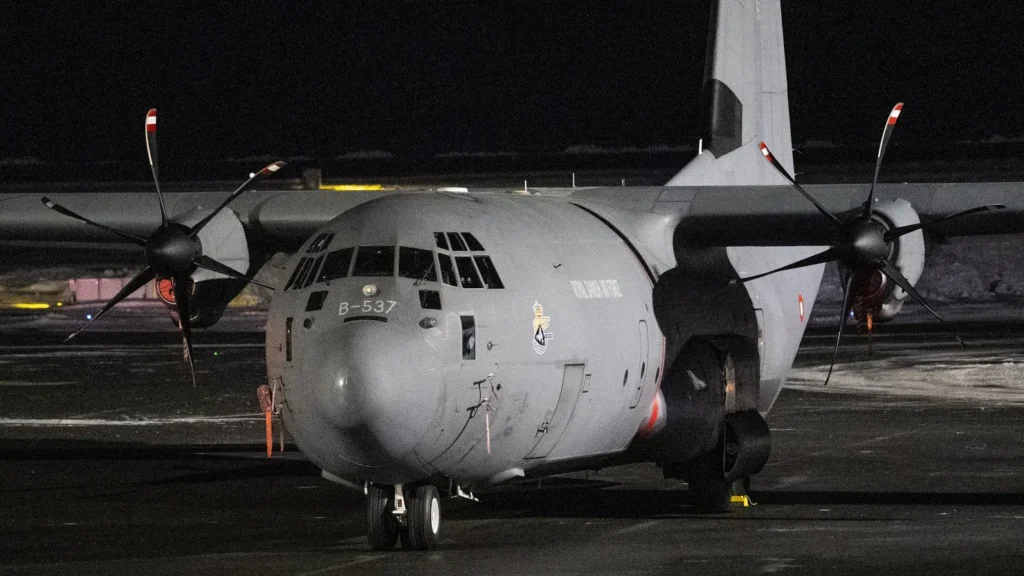
In response to Trump’s rhetoric and the perceived need for enhanced security in the Arctic, Denmark and several NATO allies have decided to increase military activity in Greenland. The reinforced presence is intended to send a clear message of collective defense and deterrence should external powers — be they state or non-state — seek to exploit regional vulnerabilities.
Small troop contingents from Germany, France, Sweden, Norway, and other NATO members have already begun deploying to Greenland — many participating in a joint exercise known as Operation Arctic Endurance. While the numbers are modest (e.g., Germany sending around a dozen troops, France deploying nearly 15), their presence signals growing commitment from European nations to the defense of the Arctic.
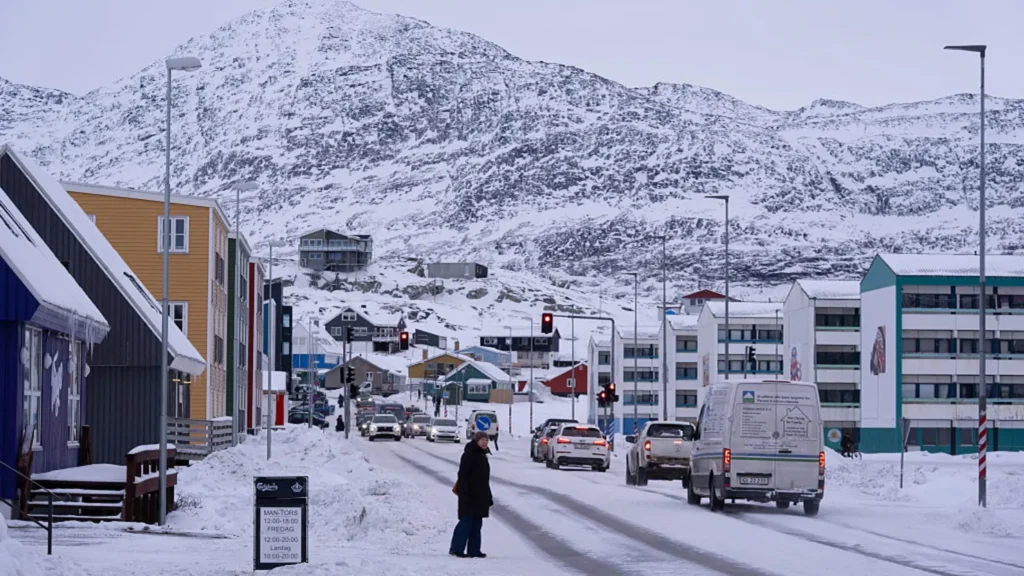
The operation is designed not only to exercise military integration under harsh Arctic conditions but also to help Denmark expand its defense capabilities across the region. Swedish and Norwegian officers are preparing training modules, while allied aircraft and naval craft are expected to bolster reconnaissance and patrol operations aimed at safeguarding key strategic interests in the High North.
Moreover, these deployments also serve a symbolic function — they showcase European resolve in the face of external pressure and exemplify a unified NATO response that does not undermine Danish sovereignty. European leaders hope that demonstrating readiness and mutual support might defuse tensions by addressing the very security concerns the U.S. administration highlights, without resorting to territorial transfer.
Greenland’s Strategic Importance and Rising Arctic Competition
Greenland’s geopolitical relevance stems from its location in the Arctic Circle, its proximity to critical northern sea routes, and its wealth of untapped natural resources. As climate change melts sea ice, new maritime pathways are opening, offering shorter shipping routes between the Atlantic and Pacific — which could transform global trade patterns.
The island also hosts the Pituffik Space Base (formerly Thule Air Base), a key U.S. military installation used by the U.S. Space Force and NORAD for early missile warning systems and space surveillance. Under long-standing agreements with Denmark, the U.S. is permitted to maintain this base, reflecting decades of defense cooperation.
However, Greenland’s importance extends beyond military considerations. The island is believed to hold significant deposits of minerals like rare earth elements, critical for high-tech industries and clean energy technologies. While extraction is challenging due to harsh climatic conditions, global demand is increasing, and major powers are increasingly eyeing the Arctic for economic as well as strategic benefits.
As Russia and China expand their engagement in the Arctic — Russia through military positioning and China promoting itself as a “near-Arctic state” with ambitions for a polar trade network — Western nations are under pressure to safeguard their interests in the region. This broader geoeconomic competition further underscores why NATO members are ramping up activity in Greenland.
The Debate Over Sovereignty, NATO Unity, and Global Security
The dispute over Greenland has ignited a rare debate within NATO itself. Trump’s suggestion that the U.S. “needs” Greenland for its security and his refusal to exclude the use of force have alarmed many alliance members, who see these ideas as incompatible with international norms and NATO principles.
European leaders, including Germany’s foreign minister, have stressed that sovereignty decisions must be respected and that only Denmark and Greenland have the authority to decide their future. They warn that any unilateral move by the U.S. could jeopardize NATO’s unity and potentially weaken the alliance at a time when it already faces challenges on other fronts, like Russia’s actions in Eastern Europe.
Meanwhile, Russia has criticized NATO’s increasing focus on Arctic military presence, framing it as an escalation and a distraction from diplomatic cooperation. Moscow argues that NATO’s rhetoric about Chinese and Russian threats is exaggerated and that the alliance’s militarization of the Arctic could undermine broader peace efforts.
These competing narratives — NATO solidarity versus geopolitical rivalry versus Russian objection — illustrate how Greenland’s standoff is not simply a bilateral issue between the U.S. and Denmark. Instead, it represents wider tensions involving alliance politics, regional security competition, and questions about the future of transatlantic cooperation in a rapidly changing world.
Looking Ahead: What This Means for Global Security
As NATO and European allies continue to build their presence in Greenland and deepen military cooperation in the Arctic, the implications of this standoff will reverberate well beyond the frozen coastlines. Analysts suggest the situation could prompt NATO to formalize long-term Arctic strategies, increase surveillance and patrolling capabilities, and invest in infrastructure adapted to extreme conditions — all while trying to preserve alliance cohesion.
At the same time, Greenlanders themselves are asserting their autonomy and rejecting the idea of being traded or transferred between global powers. Their firm stance highlights enduring themes of self-determination, respect for international law, and the limits of great-power politics when confronted with local identities and aspirations.
Ultimately, Greenland’s evolving role in global affairs is likely to remain a focal point for debates about sovereignty, defense policy, and the future of NATO. Whether Trump’s ambitions wane, evolve, or remain unresolved, what is clear is that Arctic security considerations — from climate-induced shifts to global strategic competition — are here to stay.
Subscribe to trusted news sites like USnewsSphere.com for continuous updates.