Europe’s Mosquito Problem Is Becoming a Bigger Public Health Challenge
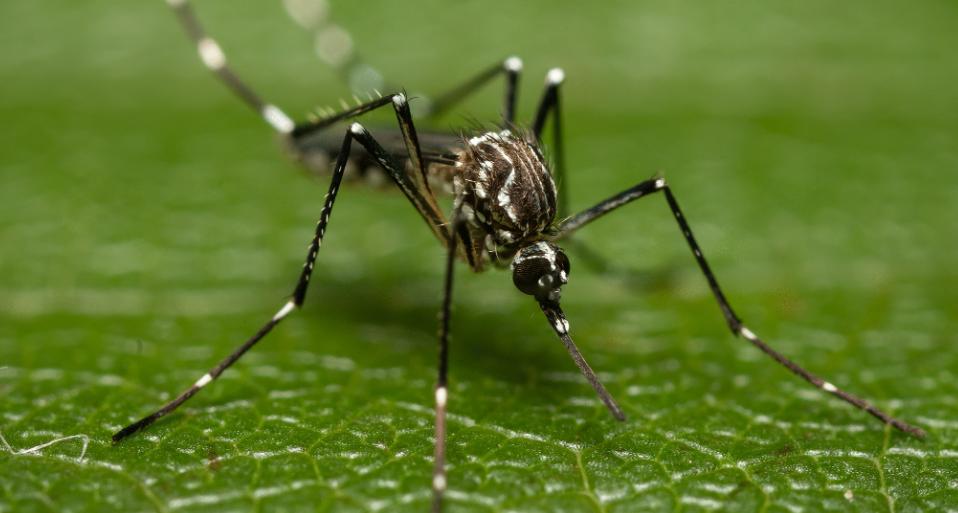
Europe mosquito problem is becoming harder to manage as disease-carrying mosquitoes expand into new areas, West Nile virus continues to appear in additional European regions, and health authorities warn that existing control systems are not equally prepared across the continent. The European Centre for Disease Prevention and Control (ECDC) said on August 20 that six European regions reported locally acquired West Nile virus infections for the first time in 2026. By August 13, nine European countries had reported 429 locally acquired West Nile virus cases. Because transmission normally reaches its highest levels in August and early September, officials expect additional infections during the current season.
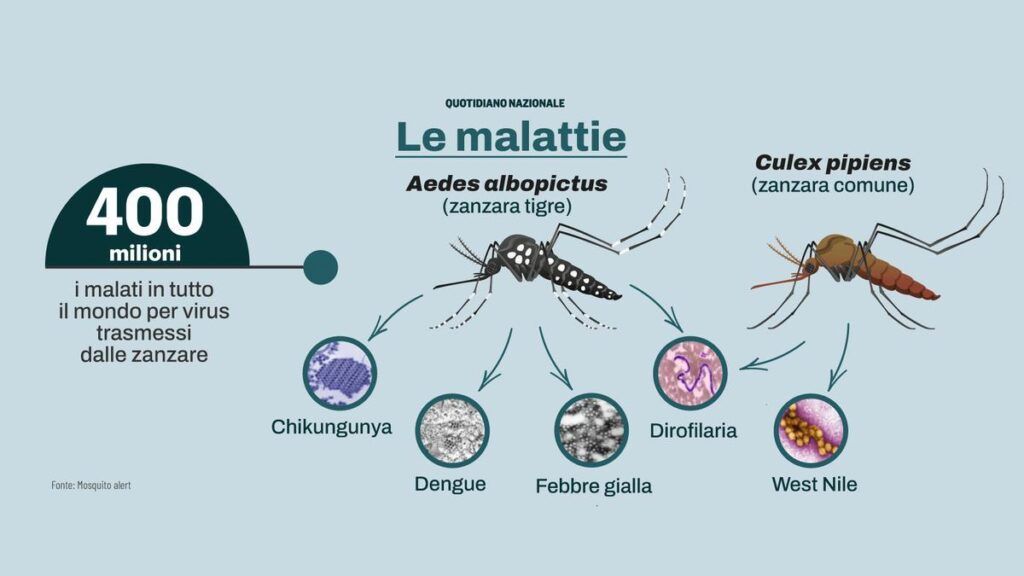
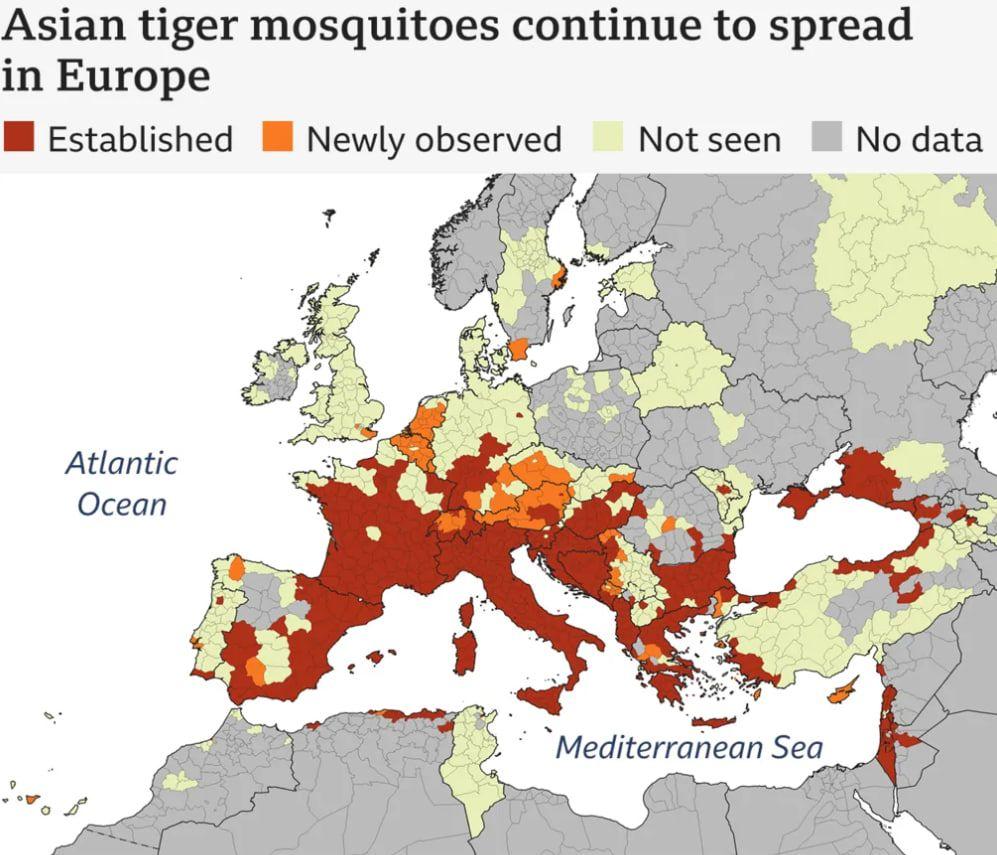
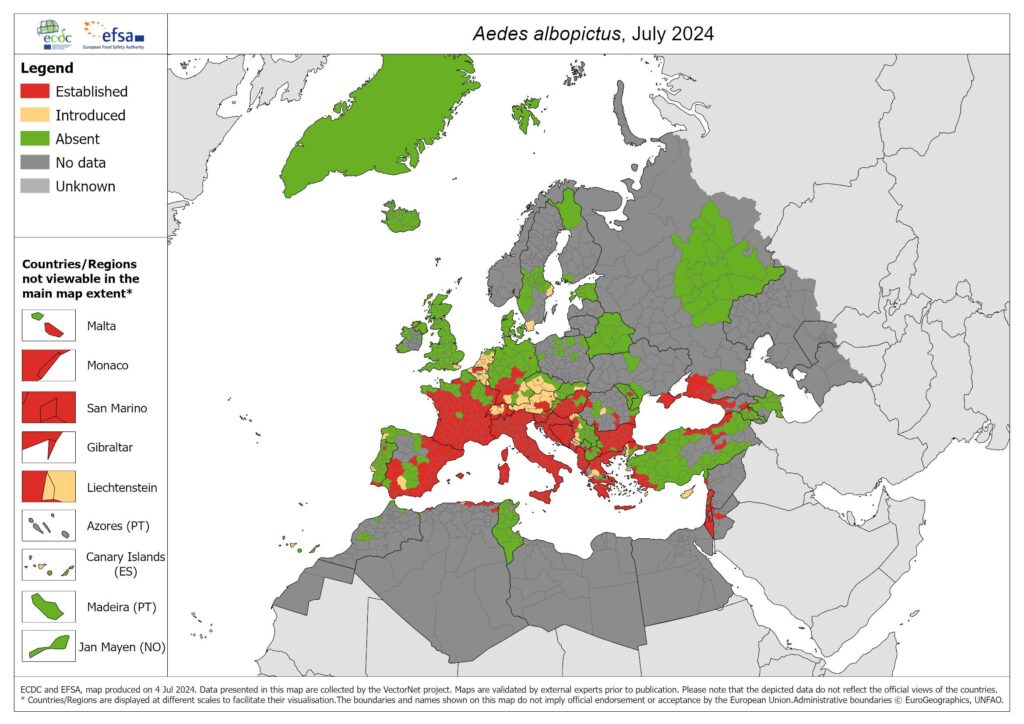
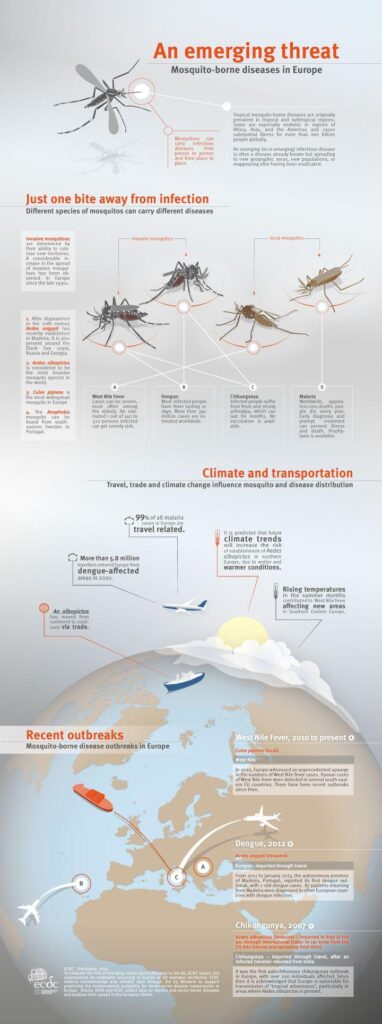
The concern is not simply about having more mosquitoes. It is about the combination of expanding mosquito populations, changing environmental conditions, longer transmission seasons and uneven public-health capacity. The Asian tiger mosquito, Aedes albopictus, has become established in 16 European countries, according to the latest reporting cited by ECDC. This species can transmit viruses including dengue and chikungunya, diseases that historically have been associated much more strongly with tropical and subtropical regions. Why this matters now: Europe is entering a period when mosquito surveillance, early detection and coordinated control can increasingly influence how widely these diseases spread.
West Nile Virus Is Adding Pressure During the Summer Peak
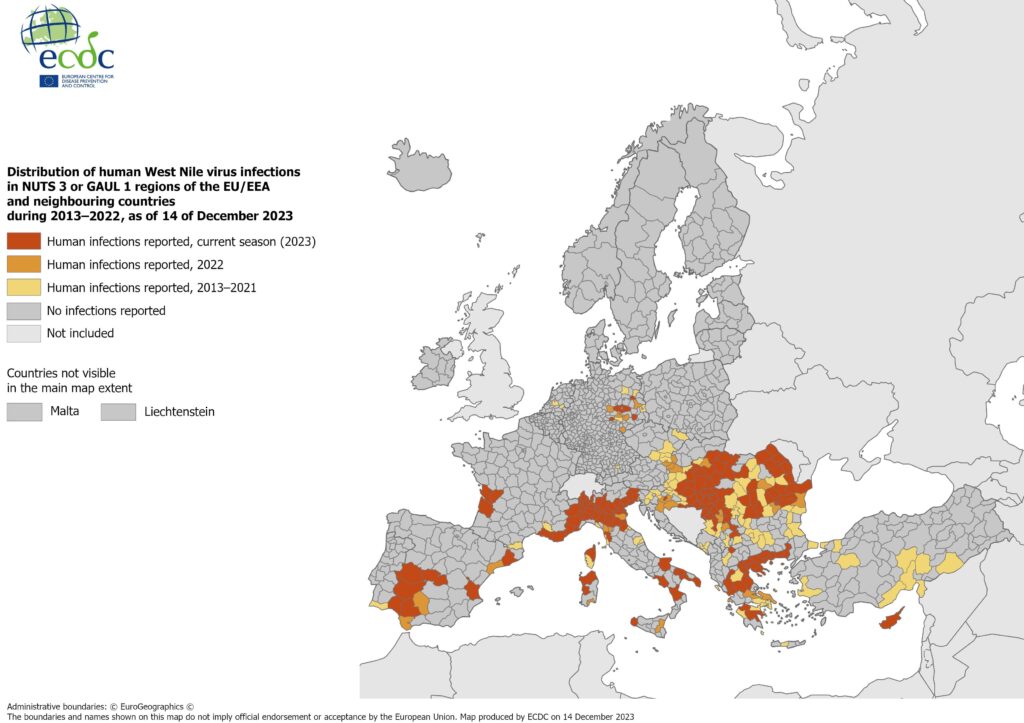
West Nile virus is one of the major reasons European health authorities are paying close attention to mosquito activity this summer. The virus is mainly maintained in a cycle involving mosquitoes and birds, with humans becoming infected when bitten by an infected mosquito. Most people who become infected do not develop noticeable symptoms, but a small proportion can develop serious neurological illness, including encephalitis or meningitis. WHO Europe says roughly 1 in 150 people infected with West Nile virus can develop severe disease affecting the central nervous system.
The timing is particularly important. West Nile transmission in Europe generally occurs from late spring through autumn, with the highest activity commonly seen between July and September. WHO Europe has reported rising activity in several countries and has urged stronger surveillance and public awareness. Greece has experienced particularly significant activity, while locally acquired infections have also been reported in countries including Italy, Romania, Spain and North Macedonia. These developments show why mosquito surveillance cannot be treated only as a local summer nuisance; infectious diseases can cross administrative boundaries as mosquito populations and environmental conditions change.
Asian Tiger Mosquitoes Are Expanding Their European Range
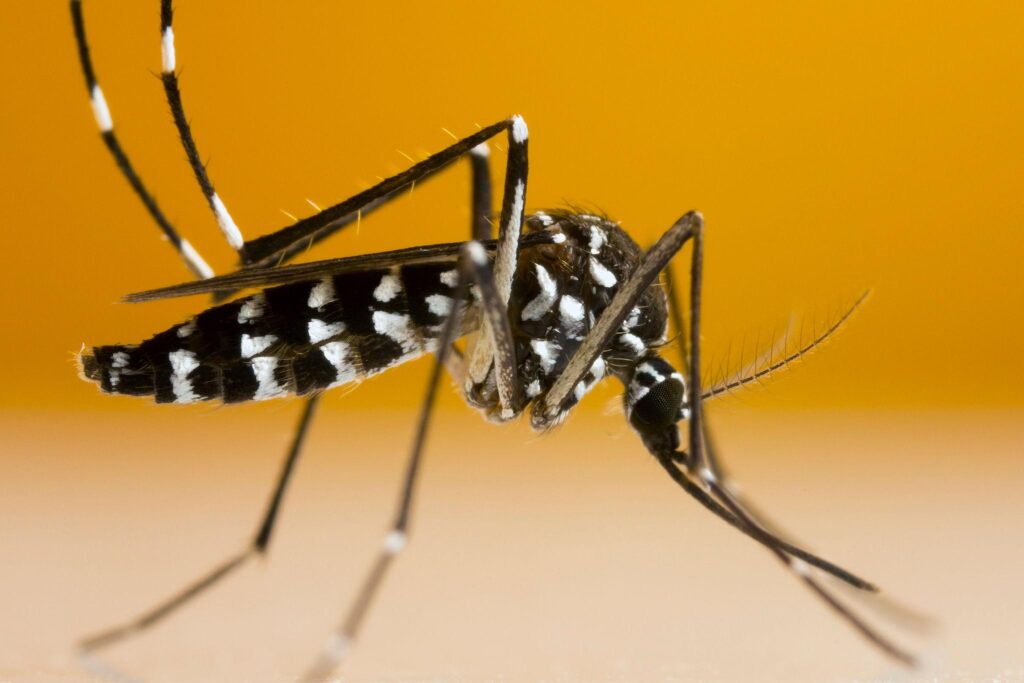
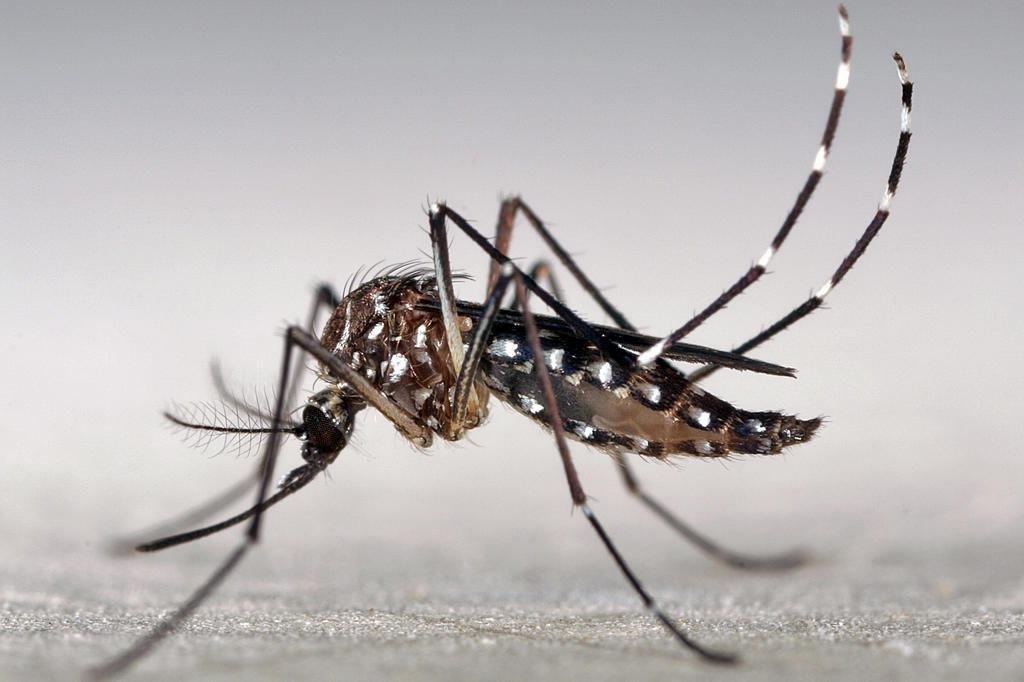
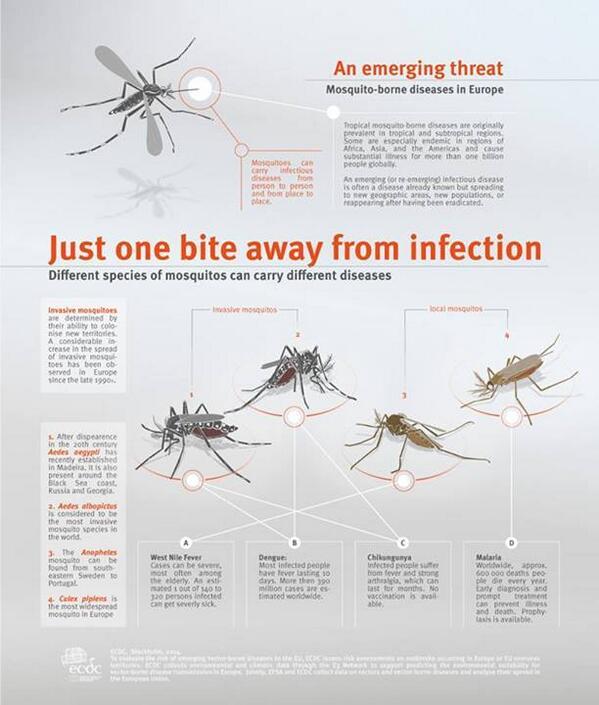
Another major concern is the spread of invasive Aedes mosquitoes, particularly the Asian tiger mosquito, Aedes albopictus. Unlike mosquitoes that are mainly associated with West Nile virus transmission, Aedes albopictus can transmit diseases such as dengue and chikungunya. ECDC says these mosquitoes are now established across more parts of Europe, while its April 2026 distribution update identified 41 newly affected administrative areas where one or more invasive Aedes species were known to be established compared with the previous update.
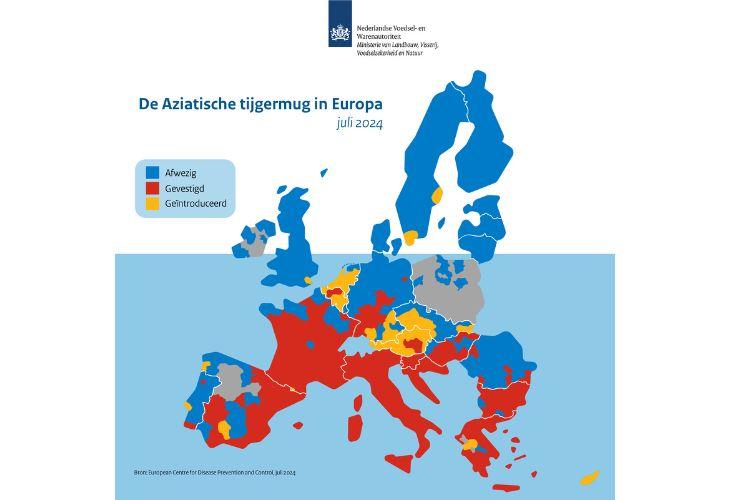
The expansion matters because establishing a mosquito species creates the potential for local transmission when the relevant virus is introduced. A traveler infected elsewhere, for example, could potentially return to an area where competent mosquitoes are established, creating conditions in which local transmission becomes possible. ECDC notes that dengue and chikungunya remain largely associated with international travel but that local transmission is occurring more frequently in parts of Europe where suitable mosquitoes are present.
Climate and Environmental Changes Are Making Control More Difficult
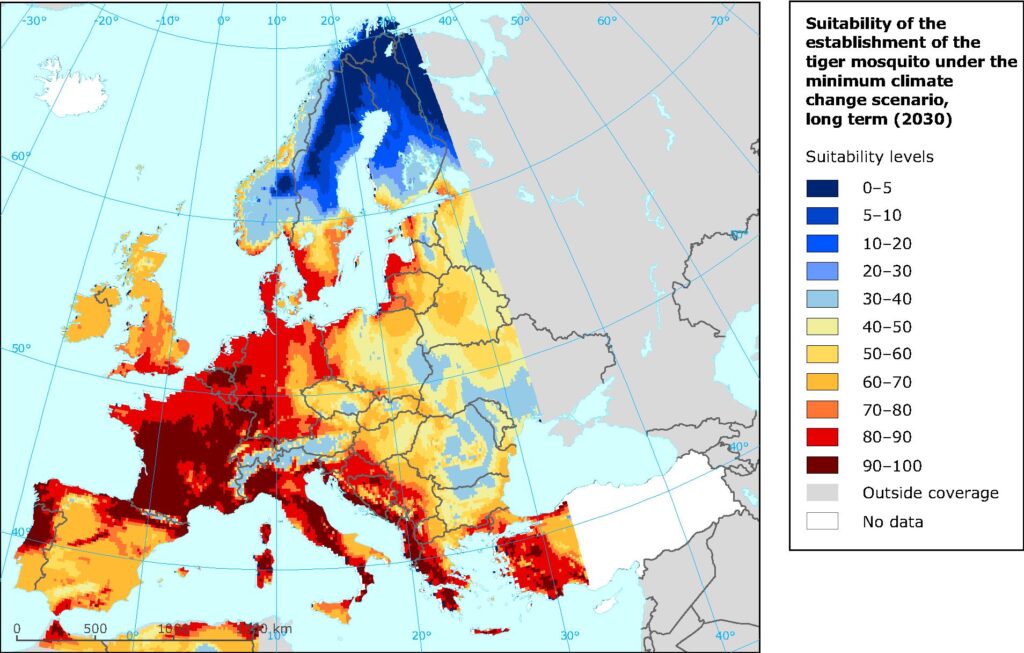
Climate conditions are an important part of the changing mosquito landscape. WHO Europe says warmer temperatures, humidity and flooding associated with climate change can help mosquito-borne diseases expand into areas that were previously less suitable. Global travel and trade can also help mosquitoes and viruses reach new locations. The result is not a simple northward movement of every mosquito species, but a changing combination of temperature, rainfall, urban development and human movement that can alter where mosquitoes survive and when they are active.
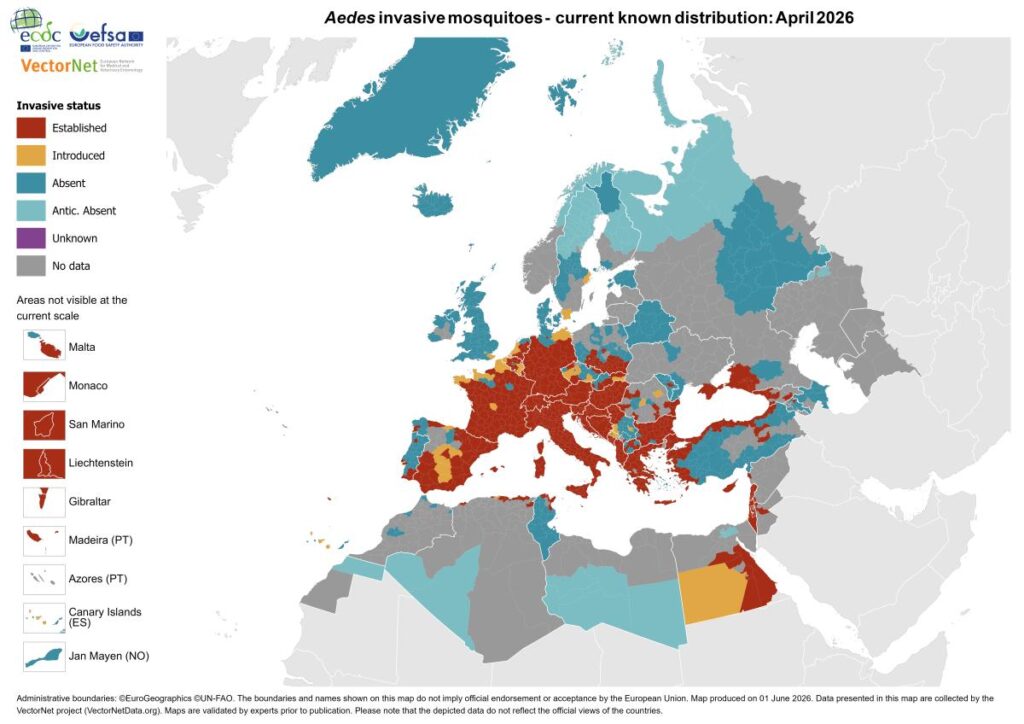
ECDC has also warned that Europe is experiencing longer and more intense transmission seasons for West Nile virus, dengue and chikungunya. Its research on Aedes albopictus indicates that changing climatic conditions could make additional parts of Europe suitable for the species over time, although extremely hot and dry conditions can also create limits in some southern areas. Urban environments are important because tiger mosquitoes can exploit small artificial water-holding containers around homes and buildings.
Europe’s Mosquito Control System Remains Uneven
One of the most important findings from the latest ECDC assessment is that Europe does not have a single, consistent mosquito-control system. ECDC surveyed 38 countries and jurisdictions and received responses from 26. The findings showed significant differences in how mosquito surveillance and control are organised, financed and implemented. Some programmes depend heavily on short-term funding, while responsibilities can be divided between national, regional and local authorities.
That fragmentation can make a continent-wide response more difficult. Mosquitoes do not stop at national or regional borders, so a strong programme in one location may have limited impact if neighboring areas have weaker surveillance or control. ECDC says control efforts can also be reactive, with a focus on adult mosquitoes after disease transmission has already been detected. Longer-term strategies targeting invasive mosquito populations, monitoring breeding sites and involving communities are increasingly important as the threat changes.
What European Countries and Residents Can Do Next
ECDC says Europe needs stronger mosquito surveillance, better preparedness and more effective control tools. That includes identifying mosquito populations early, monitoring disease transmission, sharing information quickly and coordinating actions between health authorities and other organisations. Community participation can also make a difference because many mosquito breeding locations can exist close to homes, businesses and public spaces. Removing standing water from containers and other small outdoor sites can reduce opportunities for mosquitoes to reproduce.
Individuals can also reduce exposure to mosquito bites, particularly in areas where mosquito-borne infections are circulating. WHO Europe recommends practical measures such as using insect repellent, wearing clothing that covers the arms and legs, using window screens and reducing mosquito exposure around homes. People traveling to or living in affected areas should pay attention to advice from local health authorities and seek medical attention when concerning symptoms develop after potential exposure. The broader message from European health agencies is clear: mosquito-borne disease prevention is becoming a year-round preparedness issue rather than simply a short summer nuisance.
Europe’s mosquito challenge is therefore about more than insects becoming more common. The continent is dealing with a changing combination of invasive species, expanding disease transmission, environmental shifts and differences in public-health preparedness. The latest ECDC figures provide a clear reason for increased attention: 429 locally acquired West Nile virus cases had already been reported in nine European countries by August 13, 2026, while the peak transmission period was still underway.
The most effective response will likely depend on sustained surveillance, coordinated mosquito-control programmes, community participation and rapid public-health action when infections are detected. For readers in Europe and travelers visiting the region, understanding where mosquito-borne diseases are circulating and taking basic bite-prevention measures can reduce personal risk. As temperatures and environmental conditions continue to change, Europe’s ability to detect and control mosquito populations early could become increasingly important to protecting public health.
Subscribe to trusted news sites like USnewsSphere.com for continuous updates.