Armenia EU membership plans have entered a decisive new phase after Prime Minister Nikol Pashinyan told parliament that his government intends to prepare a formal application to join the European Union in the near future. The move could reshape Armenia’s foreign policy, economic relationships and security outlook, while eventually putting the question of EU membership before voters in a national referendum. It also comes as Armenia has been moving closer to Europe while its relationship with Russia has become increasingly complicated. The development matters beyond Armenia because the country sits at a strategically important crossroads in the South Caucasus, where relations among Armenia, Azerbaijan, Türkiye, Russia and the European Union are undergoing major changes.
Armenia Sets Out a New Path Toward the European Union
Pashinyan’s announcement does not mean Armenia is becoming an EU member immediately. Instead, the government is preparing to take the formal step of submitting an application. According to the announcement, Armenia would first send its application to Brussels, receive the EU’s response and then discuss the possible roadmap for accession before putting the broader membership question to voters. That distinction is important because an application begins a potentially long political and legal process rather than guaranteeing membership.
The announcement builds on a process that has already been developing for more than a year. Armenia’s parliament adopted legislation in March 2025 to launch the country’s EU accession process, and the European Parliament has described accession as a merit-based process requiring sustained progress on democracy, the rule of law and other EU standards. The European Union has also publicly acknowledged Armenia’s European aspirations, meaning the latest announcement represents an escalation of an existing direction rather than a sudden policy change.
Why This Matters Now
Why this matters now: Armenia is making this move while its relationship with Russia is under considerable pressure. For decades, Moscow played a major role in Armenia’s security and economic relationships, but Pashinyan’s government has increasingly questioned whether Russia can continue to provide the level of security that Yerevan once expected. The prime minister has pointed to the events surrounding Armenia’s conflicts with Azerbaijan as evidence that the country needs to reconsider its strategic assumptions.
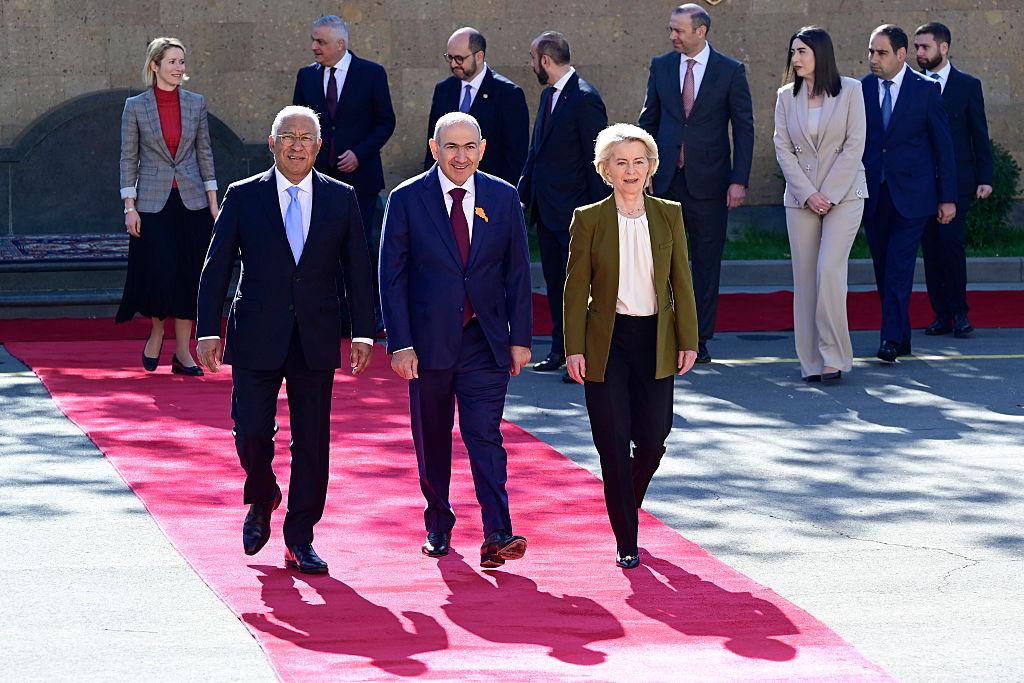
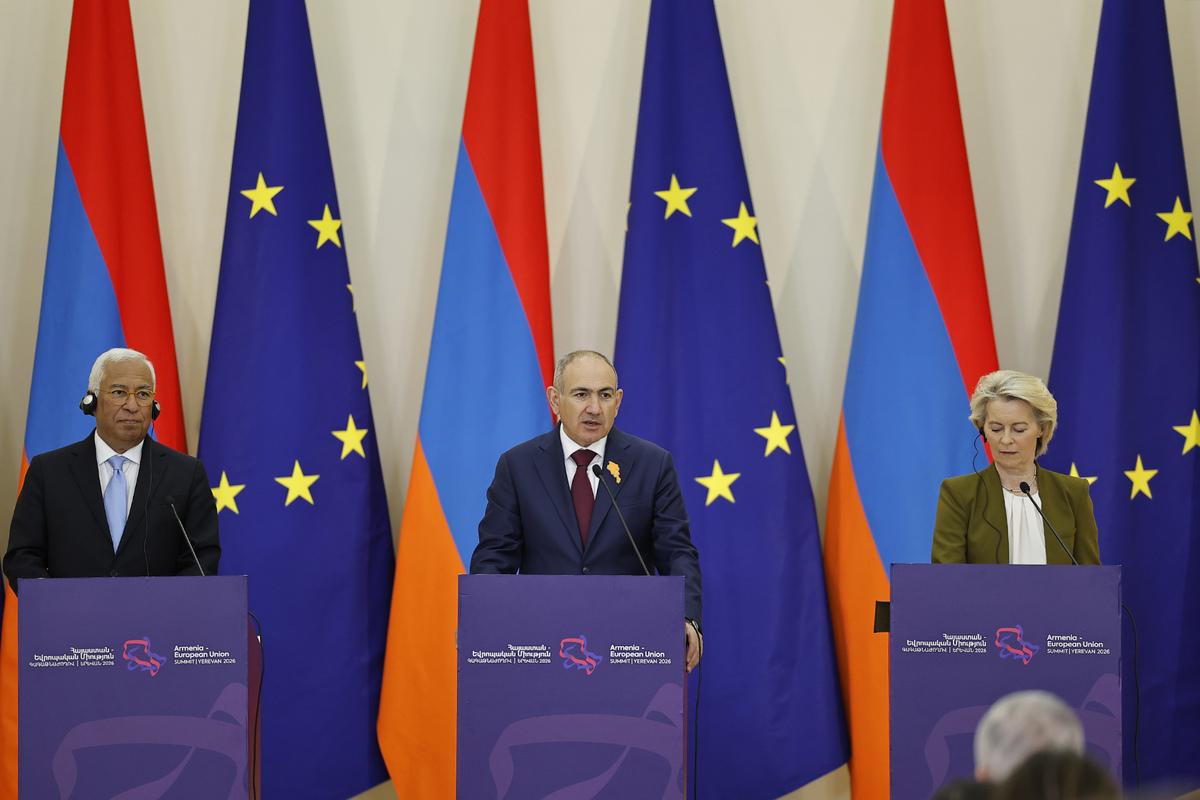
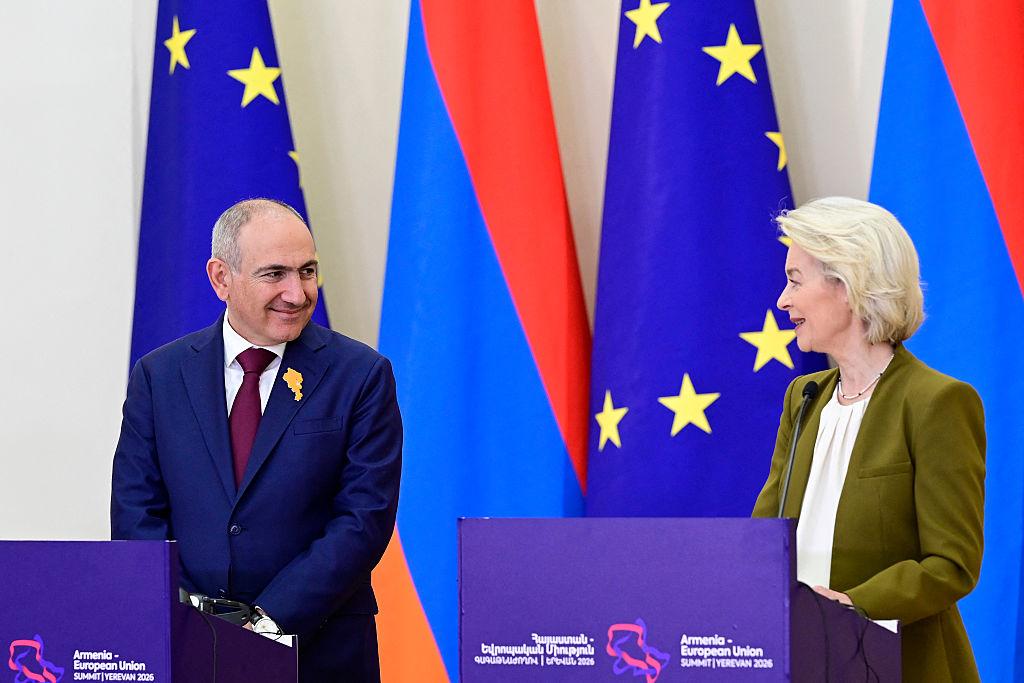
The timing is also significant because Armenia and the EU have dramatically expanded their relationship in 2026. The two sides held their first-ever EU-Armenia summit in May, with discussions covering connectivity, energy, transportation, digital cooperation, security and reforms. The EU has said it wants to bring Armenia and its people closer to the bloc while supporting Armenia’s sovereignty, resilience and reform agenda.
What EU Membership Could Mean for Armenia
Joining the European Union would potentially create major economic and political opportunities for Armenia, but the road would be demanding. EU accession requires extensive reforms and alignment with European rules and standards. Areas such as judicial independence, democratic institutions, competition, corruption controls and economic regulation would all become increasingly important if Armenia advances toward membership. Pashinyan himself has previously emphasized that Armenia must meet EU standards rather than simply expect membership as a political outcome.
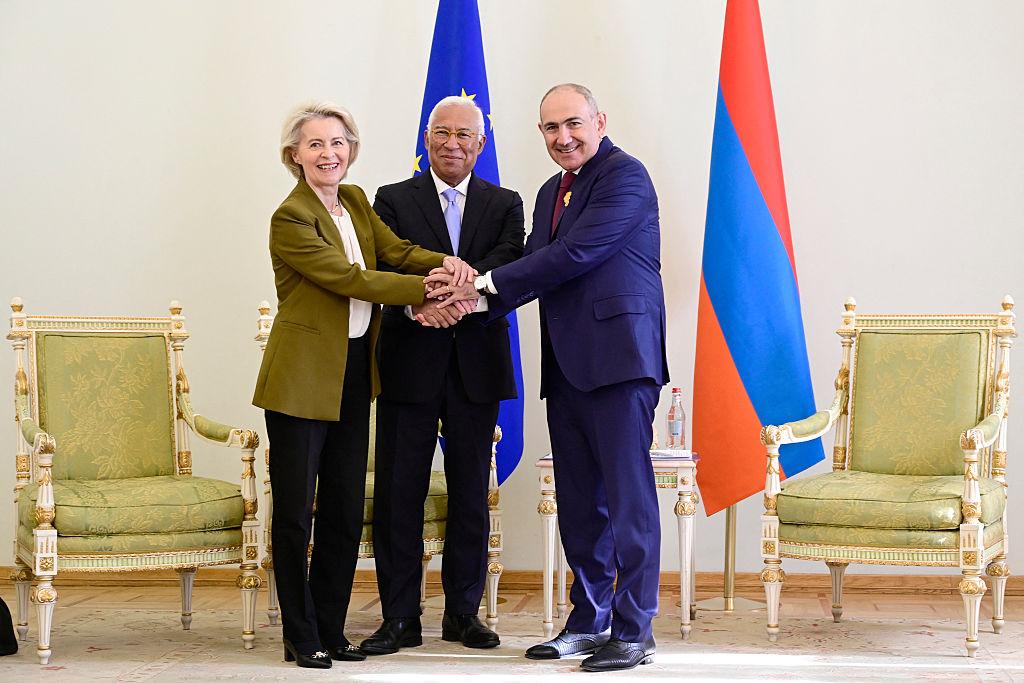
The economic dimension could be especially important. The European Commission says cooperation with Armenia is already expanding in areas including trade, connectivity, energy and resilience. In July, EU officials said the partnership was creating opportunities for greater regional connectivity and economic development. At the same time, Armenia remains economically linked to Russia, making any major geopolitical realignment complicated. Reuters reported in July that Russia accounted for about 35% of Armenia’s foreign trade and remained a major energy supplier, highlighting how difficult it would be to rapidly replace existing economic relationships.
Russia Faces a Potential Strategic Challenge
Armenia’s EU ambitions could create another serious point of tension with Moscow. Kremlin spokesman Dmitry Peskov responded to Yerevan’s plans by warning that leaving the Russia-led security framework could produce significant trade consequences for Armenia. Russia has also previously signaled concern about Armenia’s increasingly Western-oriented policy, while Yerevan has argued that its foreign-policy decisions should reflect its own national interests.
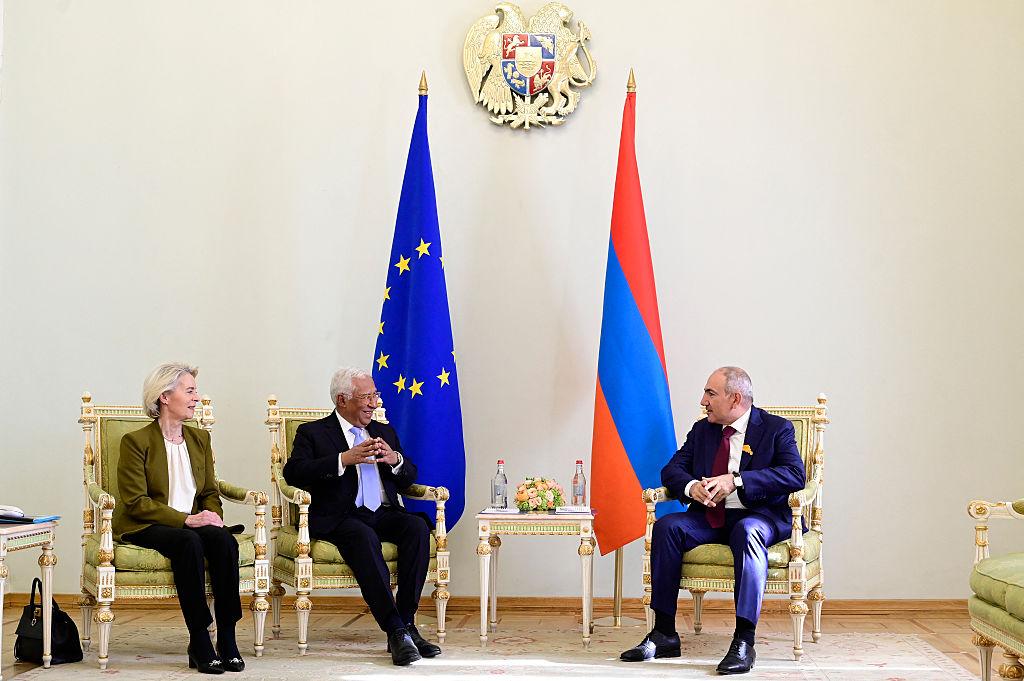
The situation is complicated because Armenia has not simply cut its ties with Russia. Pashinyan has continued to discuss economic and practical issues with Moscow, including trade restrictions affecting Armenian exports. Reuters reported in July that Armenia was still trying to resolve disputes with Russia while simultaneously pursuing closer relations with the West. This balancing act means the EU membership announcement should be viewed as part of a gradual strategic transition rather than an immediate break with Russia.
A Referendum Could Decide Armenia’s European Future
A national referendum is expected to become a central part of the process. Pashinyan has said that Armenia’s citizens should ultimately decide whether the country should pursue EU membership. His proposed sequence is notable: the government would formally apply first, receive the EU’s response, discuss the accession framework and then present the question to voters. That approach gives the public a potentially decisive role in one of the country’s biggest foreign-policy decisions in decades.
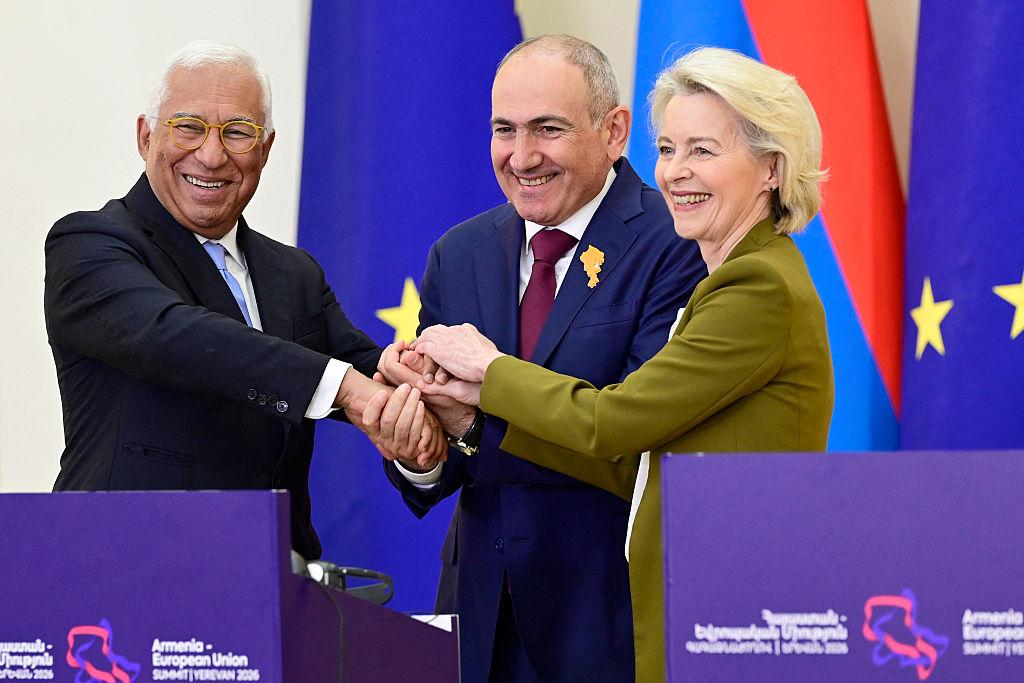
The referendum question could also become a major political test for Pashinyan’s government. Armenia’s future relationship with Russia, the EU and other regional powers is likely to be debated intensely, particularly because EU membership could affect economic policy, security arrangements and the country’s long-term diplomatic orientation. The European Parliament has already stressed that Armenia’s future must be determined democratically by its citizens and that accession depends on meeting the EU’s established criteria.
What Happens Next for Armenia and the EU
The immediate next step is not membership negotiations but preparation of the formal application. Once an application is submitted, the EU would have to assess it through its established enlargement procedures. Any eventual accession would require extensive reforms and agreement among EU institutions and member states. That means headlines suggesting Armenia is about to become the next EU member would be premature. The more accurate description is that Yerevan is moving from expressing European aspirations toward a formal membership bid.
The broader regional picture could make this process even more consequential. Armenia and Azerbaijan have been working toward a new period of peace and normalization, while the EU has supported efforts to improve regional connectivity and stability. The EU has also backed closer relations between Armenia and Türkiye. If these trends continue, Armenia’s European strategy could become part of a much larger transformation of the South Caucasus, affecting trade routes, investment, security cooperation and diplomatic relationships across the region.
For now, the most important point is that Armenia has signaled its intention to formally pursue EU membership, but it is not yet an EU member and the accession process could take years. The next major developments to watch are the timing of Armenia’s application, the EU’s response, the proposed accession roadmap, Russia’s reaction and the eventual referendum. Those steps will determine whether today’s announcement becomes the beginning of a historic European integration process or another stage in Armenia’s complicated effort to balance its security and economic interests between competing regional powers.
Subscribe to trusted news sites like USnewsSphere.com for continuous updates.