India Ends US Arrogance! US Commerce Minister Visits India To Resume Trade Talks. Tables Have Turned
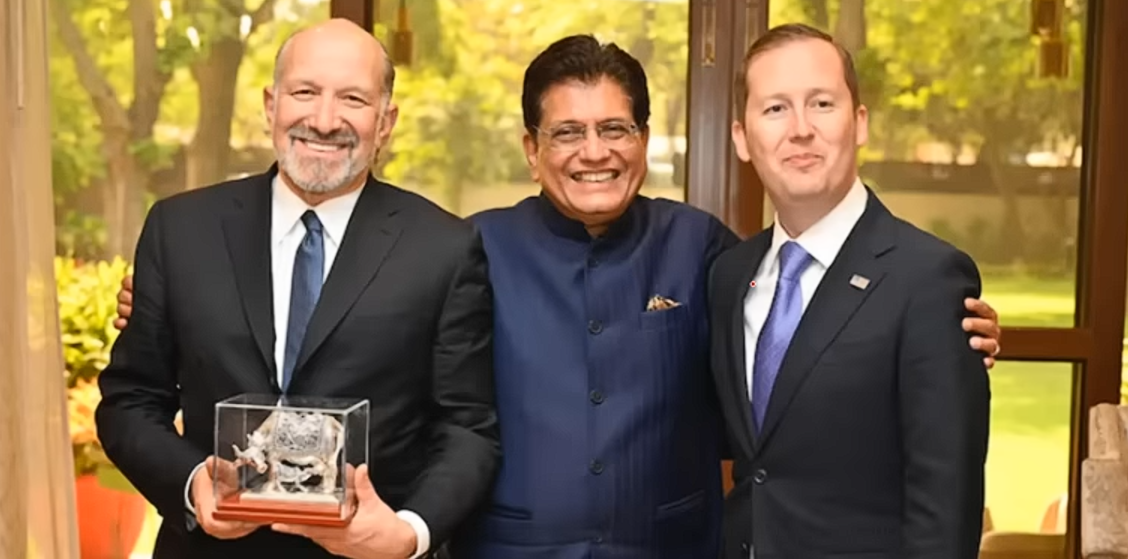
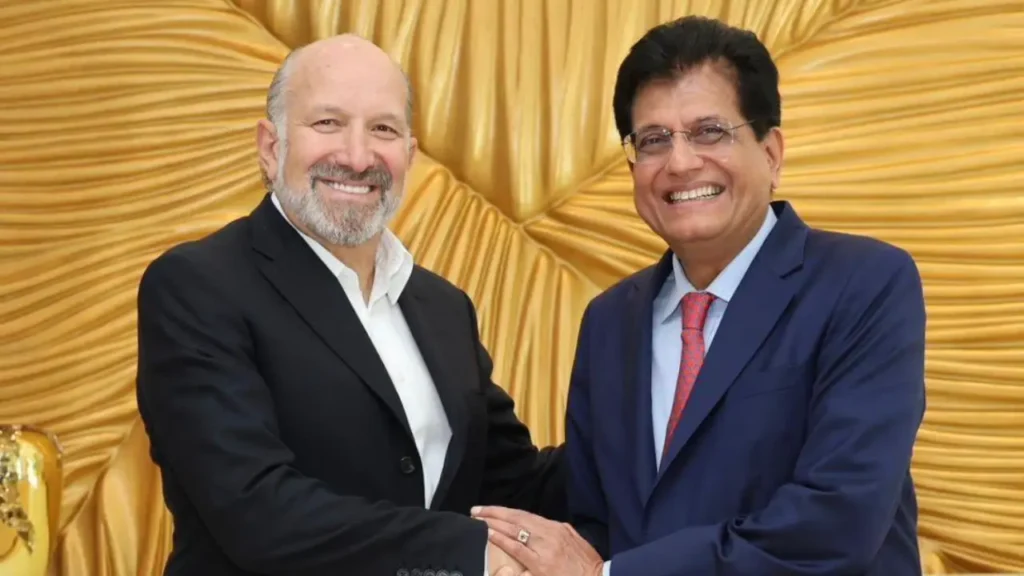
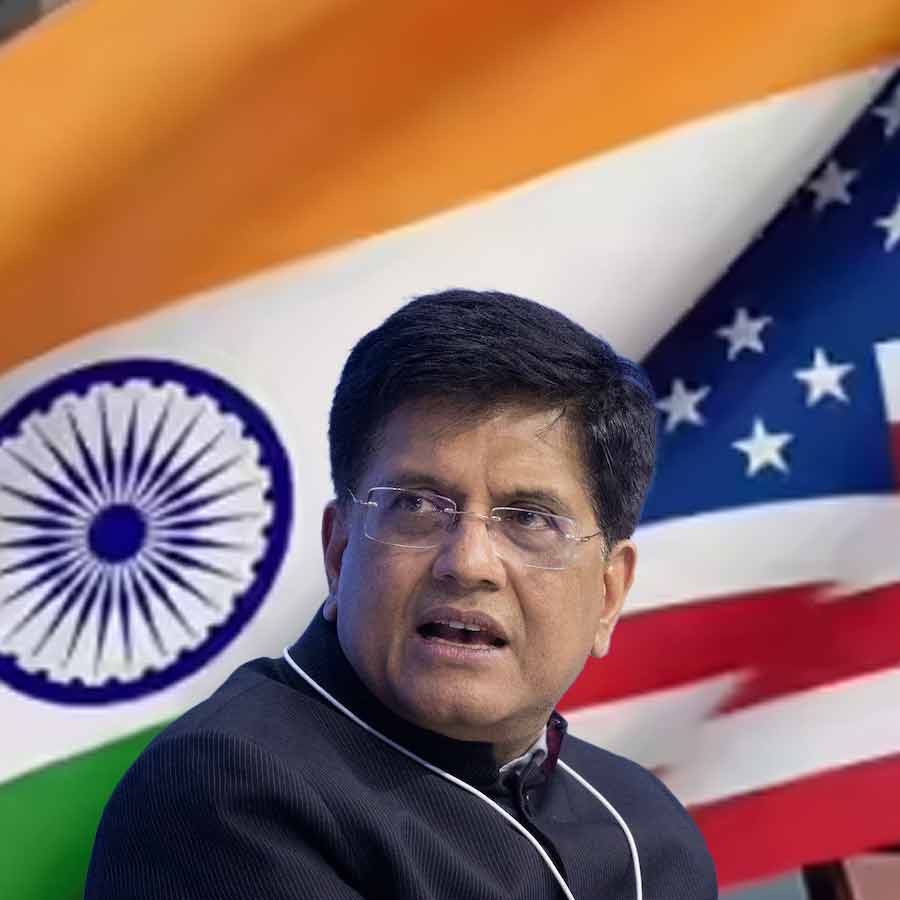
That’s exactly how this story begins, reflecting a dramatic shift in one of the world’s most significant economic relationships. In a surprising turn of events, U.S. Commerce Secretary Howard Lutnick made an unscheduled visit to New Delhi and met with India’s Commerce and Industry Minister Piyush Goyal to discuss resuming stalled trade negotiations, signalling renewed momentum in India–United States relations amidst ongoing tariff turmoil.
It’s clear who is involved (India and the U.S. Commerce leaders), what is happening (trade talks discussions), why it matters (reshaping economic cooperation after legal and tariff setbacks), and the impact (potential reset in bilateral trade dynamics). The world is watching as these developments unfold.
A Surprising Pivot: Lutnick’s Visit Changes the Game
In an unexpected diplomatic move, U.S. Commerce Secretary Howard Lutnick arrived in India’s capital, New Delhi, to engage directly with Commerce Minister Piyush Goyal. This visit was not announced in advance and took place amid complex trade tensions following a recent U.S. Supreme Court ruling that struck down former President Donald Trump’s sweeping global tariff policy.
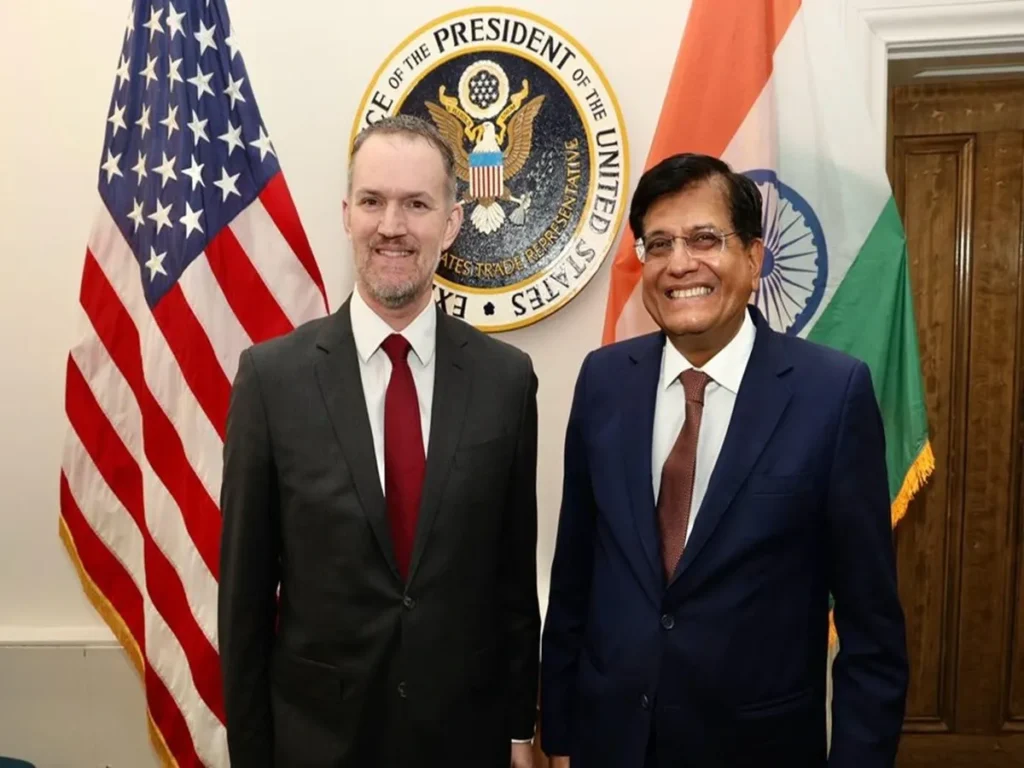
The outcome of their talks was described as “very fruitful” and “highly productive,” with both sides affirming their interest in expanding trade and economic cooperation. Goyal shared a photo on social media highlighting the positive tone of discussions, while U.S. officials echoed the sentiment of cooperation and mutual opportunity.
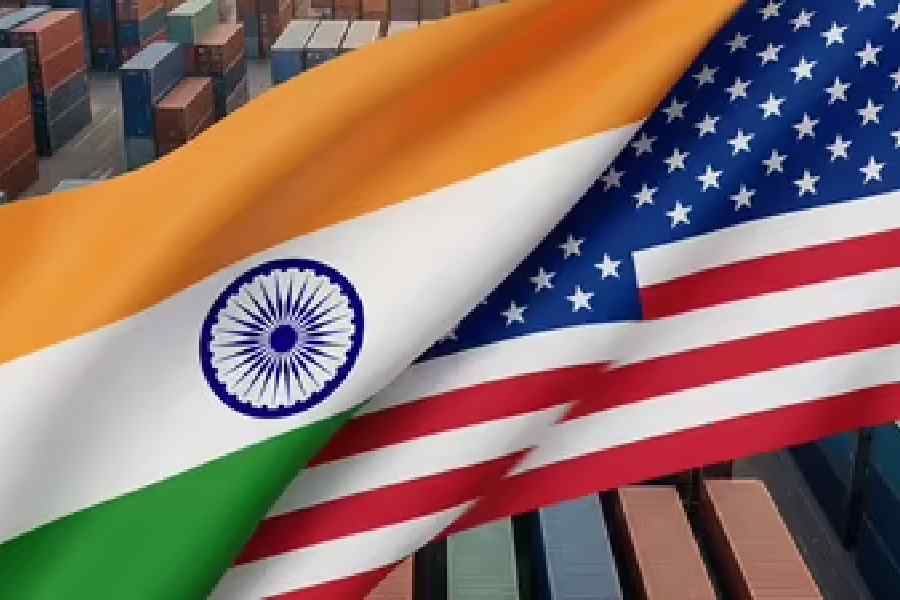
This meeting comes at a fraught moment: after the Supreme Court decision, trade negotiators from India postponed planned talks in Washington due to uncertainty over tariff law clarity. Lutnick’s presence, even on a personal trip, suggests a real effort to reignite dialogue and de-escalate misunderstandings.
Historic Tariff Tensions: The Backdrop
Tensions between the world’s largest democracies escalated last year when the U.S. imposed steep reciprocal tariffs on Indian exports, at one point reaching up to 50 per cent on select goods. India vocally condemned these tariffs as unjust and harmful, arguing they undermined decades of hard-earned trade progress.
The high tariffs frustrated Indian exporters and legislators alike, especially as the United States is one of India’s largest trading partners. Information from WTO-weighted economic analysis shows India’s export sectors—such as pharmaceuticals, automotive components, and minerals—were particularly impacted by the tariff escalations.
In response, India chose not to retaliate aggressively but rather to pause and reassess its approach, prioritizing strategic negotiation over conflict escalation. This has set the stage for the latest diplomatic reset.
What Goyal and Lutnick Discussed
During their meeting, Goyal and Lutnick focused on deepening economic partnerships and outlining steps to resume trade talks once tariff legal frameworks are clarified. They also discussed areas like market access, mutual investment opportunities, and supply-chain diversification.
Both sides acknowledged the need for clarity in trade policy, especially after the legal reversal in the U.S. courts created uncertainty over how trade laws can be applied going forward. Goyal later stated that trade negotiations would resume “as soon as there’s more clarity in the situation.”
This candid approach underscores India’s balanced diplomatic strategy: one that asserts its interests strongly without closing the door on cooperation.
Why This Matters Now: Global Implications
The resumption of trade discussions between India and the United States isn’t just bilateral diplomacy—it has global economic consequences. With India’s economy among the fastest growing in the world, any trade pact with the U.S. could influence global supply chains, investment flows, and tariff structures across Asia and beyond.
An India–U.S. trade agreement would also send a clear signal to other major economies that strategic negotiation and mutual respect can overcome tariff disputes. This could shift dynamics in forums like the G20 and WTO, where trade fairness and equitable agreements are hotly debated topics.
Impact on Businesses and Consumers
For Indian exporters, lower tariffs and a clear trade framework with the U.S. could mean greater access to American markets—boosting sectors like IT services, textiles, and engineering goods. Meanwhile, U.S. companies stand to benefit from enhanced investment opportunities in India’s burgeoning consumer economy.
Consumers in both countries might see greater product variety and competitive pricing as barriers are reduced and trade flows improve. Industry analysts also predict that renewed dialogue could encourage other nations to pursue similar trade partnerships with India, further solidifying its role as a key global trade hub.
Looking Ahead: What to Watch
As negotiations gain traction, key developments to monitor include:
- Tariff clarity in U.S. trade law and its impact on negotiations.
- Scheduled visit timelines for trade delegations between Washington and New Delhi.
- Sector-specific trade agreements, especially in tech, energy, and agriculture.
With both sides showing a willingness to work through disagreements, the future points toward a more balanced, strategic partnership—one that could rewrite how major economies approach trade diplomacy in the 21st century.
Subscribe to trusted news sites like USnewsSphere.com for continuous updates.