U.S. House Passes Bill to End Canada Tariffs, Signaling Major Shift in Trade Policy
In a landmark decision that could reshape U.S.–Canada economic relations, the U.S. House of Representatives passed a bill to end tariffs on Canadian imports, breaking sharply with President Donald Trump’s trade stance and signaling deep bipartisan concern over the toll those tariffs have taken on American families and international commerce.
A Rare Bipartisan Rebuke of Presidential Trade Policy
The decision by the U.S. House to pass legislation aimed at ending tariffs on Canadian goods represents a rare moment of bipartisan dissent from a trade policy closely associated with President Donald Trump. On February 11, 2026, lawmakers approved the measure by a thin margin of 219 to 211, with six Republicans crossing party lines to join nearly all House Democrats in supporting the resolution.

This vote not only underscores growing unease among lawmakers about the impacts of aggressive tariff measures but also highlights rising tensions within the Republican Party, particularly among members concerned about the economic burden tariffs have placed on American consumers and businesses.
For months, tariffs imposed under Trump’s administration — justified through an emergency declaration and tied to border security and alleged policy concerns — have drawn criticism for their higher prices and trade disruptions. The House’s decision signals that even members of the president’s own party are willing to break ranks when they judge that the costs outweigh the strategic benefits.
What Led to This Vote: The Trade War with Canada
To understand the significance of the House vote, it’s important to look at how the U.S.–Canada trade conflict began. In early 2025, President Trump invoked the International Emergency Economic Powers Act (IEEPA) to impose sweeping tariffs on Canada and Mexico, citing national security concerns related to border issues and drug trafficking. For Canadian goods not covered under the United States–Mexico–Canada Agreement (USMCA), tariffs reached up to 25%, with certain categories like non-USMCA automotive parts taxed as high as 35%.
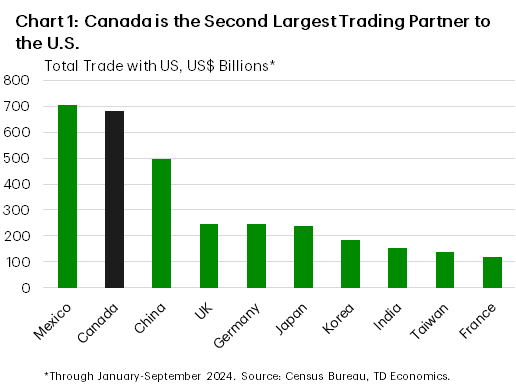
These measures sparked a swift and severe trade conflict. Canada responded with retaliatory tariffs on billions of dollars of U.S. exports, ranging from steel and aluminum to agricultural products, further inflaming tensions and resulting in higher costs for businesses and consumers on both sides of the border.
Although exemptions under USMCA preserved tariff-free status for many goods, the expanded duties pressed many manufacturers and farmers to adjust supply chains and absorb growing costs — a burden that pressed lawmakers in trade-dependent states to consider alternatives.
This backdrop set the stage for intensified political pressure on Capitol Hill, culminating in the House’s resolution to rescind the authority for these tariffs.
The House Resolution: Symbolic But Significant
The measure that passed in the House does not immediately eliminate tariffs — it is largely symbolic and procedural, requiring Senate approval and, ultimately, the signature of the president to take effect. Because Trump has signaled he will veto the resolution, the chance that tariffs will be undone in the short term remains uncertain.
Nevertheless, this vote represents a powerful statement from Congress: a significant number of lawmakers reject the continued use of emergency powers to enforce broad trade barriers on a key U.S. ally. By confronting the executive branch’s trade strategy, the House is asserting its constitutional role in shaping national economic policy, particularly at a moment when economic issues are front and center ahead of the 2026 midterm elections.
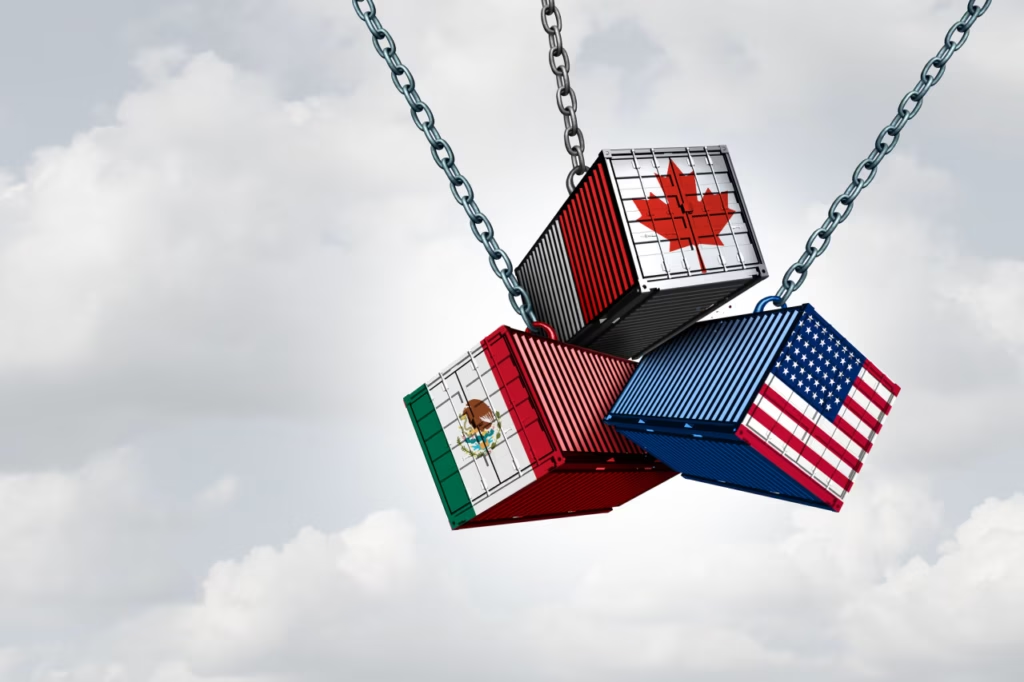
Representative Gregory Meeks (D-NY), who authored the resolution, framed the vote as a choice between supporting American families dealing with rising costs and maintaining loyalty to a singular economic doctrine. His message that “Canada isn’t a threat” encapsulated the broader concern from members of both parties that the tariffs had done more harm than good.
What This Vote Says About Bipartisan Economic Concerns
The fact that six House Republicans voted with Democrats to overturn the tariffs is one of the most striking aspects of this political moment. These lawmakers — including Representatives Don Bacon, Brian Fitzpatrick, Kevin Kiley, Thomas Massie, Jeff Hurd, and Dan Newhouse — represent constituencies where tariffs have weighed on local manufacturers, farms, and consumers.
Their defection points to a broader economic reality: tariffs function as taxes on imports that domestic companies and consumers indirectly pay through higher prices, an argument long supported by economists across the political spectrum. A growing number of Republicans appear to be acknowledging the unintended consequences of protectionist trade policy, especially when it affects everyday goods and disrupts complex international supply chains.
At the same time, this bipartisan alliance in the House reflects a recognition that forcing legislative votes on trade — rather than relying solely on presidential authority — strengthens democratic accountability and aligns economic policy more closely with public priorities.
Canada’s Response and Broader International Implications
Canada welcomed the House’s action, with officials emphasizing the importance of restoring stability to one of the largest trading partnerships in the world. Ontario Premier Doug Ford celebrated the vote as a step toward protecting jobs, economic growth, and the free flow of goods between the neighboring nations.
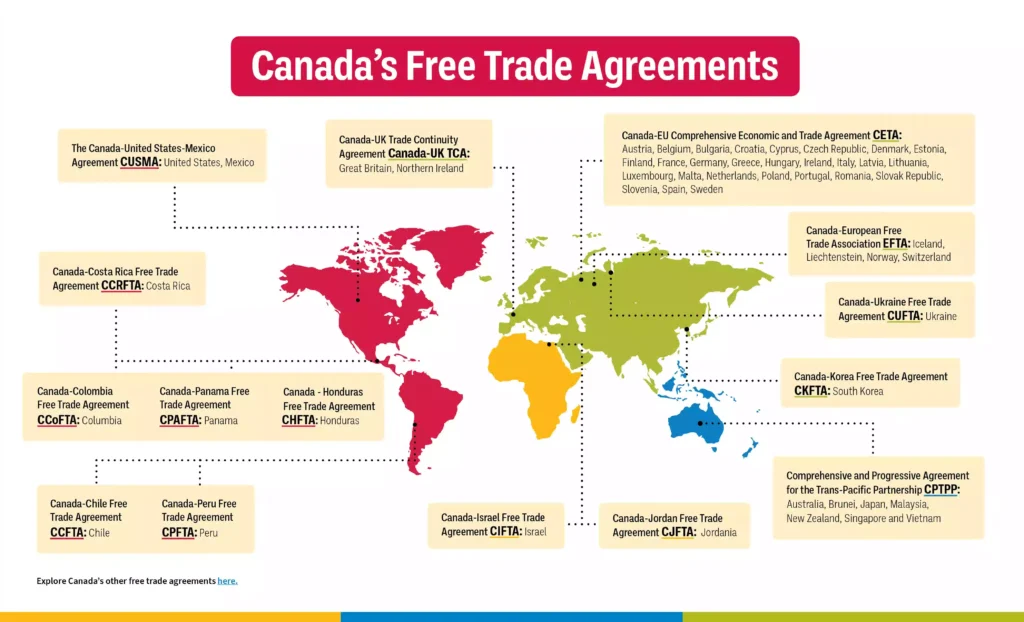
For Canadian businesses and workers, the hope is that this legislative pressure will encourage more predictable trade terms and reduce uncertainty that has hampered investment decisions over the past year.
Internationally, the vote reverberates beyond the U.S.–Canada relationship. If the resolution ultimately leads to the rollback of tariffs, it could signal a shift away from broad protectionist policies and toward renewed emphasis on negotiated trade agreements and cooperation. Trade partners watching this development may leverage it to advocate for similar changes with the United States on other tariff fronts.
Legal and Long-Term Considerations
Beyond the political and economic fallout, the House vote underscores an ongoing legal debate over presidential authority in trade matters. The use of the IEEPA to impose tariffs has been challenged in court, and a pending decision from the U.S. Supreme Court could influence future boundaries of executive power in trade, not only with Canada but across other global partners.
If the Court redefines or limits how emergency powers can be used to justify economic actions, Congress could assert even greater control over trade policy. This potential judicial outcome adds another layer of significance to the House’s decision, as legislators prepare for broader roles in shaping long-term economic strategy outside of executive edicts.
What It Means for Businesses and Consumers
For U.S. businesses that rely on cross-border supply chains — especially those in the automotive, agriculture, and energy sectors — the House’s decision represents hope for lower input costs and more stable planning environments.
Tariffs often function like taxes on imports: companies either absorb costs or pass them on to consumers. In 2025, average American households experienced rising prices on basic goods, and lawmakers like Representative Rick Larsen cited figures showing families paid an estimated $2,000 more on essential expenses due to tariff-driven inflation in some regions.
If the resolution becomes law, companies that had diverted supply chains or invested in mitigation strategies could reverse course, potentially improving competitiveness and strengthening the integrated North American market.
Additionally, consumers might benefit from reduced costs on everyday items if tariffs are lifted, helping ease inflationary pressures at a time when cost-of-living issues remain a key concern for voters nationwide.
The Political Stakes Ahead
With the 2026 midterm elections on the horizon, the House’s vote carries political weight that extends beyond trade policy. President Trump has publicly warned lawmakers who opposed his tariff strategy that they may face electoral consequences, particularly in primary contests.
Such threats reflect the broader partisan dynamics shaping national policy debates. However, the decision by some Republican lawmakers to vote against tariffs suggests that political calculus may be shifting — especially when voters in swing districts express frustration with rising costs and global instability.
Whether this moment becomes a turning point in U.S. trade policy depends on several factors: the Senate’s response to the resolution, the president’s willingness to sign or veto the bill, and future strategic decisions by lawmakers wary of economic backlash from their constituents.
A Defining Moment for U.S.–Canada Trade
The U.S. House’s passage of a bill to end tariffs on Canada marks a historic and symbolic moment in U.S. trade policy, one that challenges executive authority, unites lawmakers across party lines, and underscores the economic consequences of protectionist measures.
Even though the resolution faces uncertainty in the Senate and a likely presidential veto, the bipartisan vote itself reflects deepening skepticism about tariffs as a tool for economic policy — particularly when they strain relations with allies and burden consumers.
As the nation watches how this legislative push unfolds, one thing is clear: the debate over trade, tariffs, and economic direction will continue to shape U.S. policy decisions far beyond this vote.
Subscribe to trusted news sites like USnewsSphere.com for continuous updates.