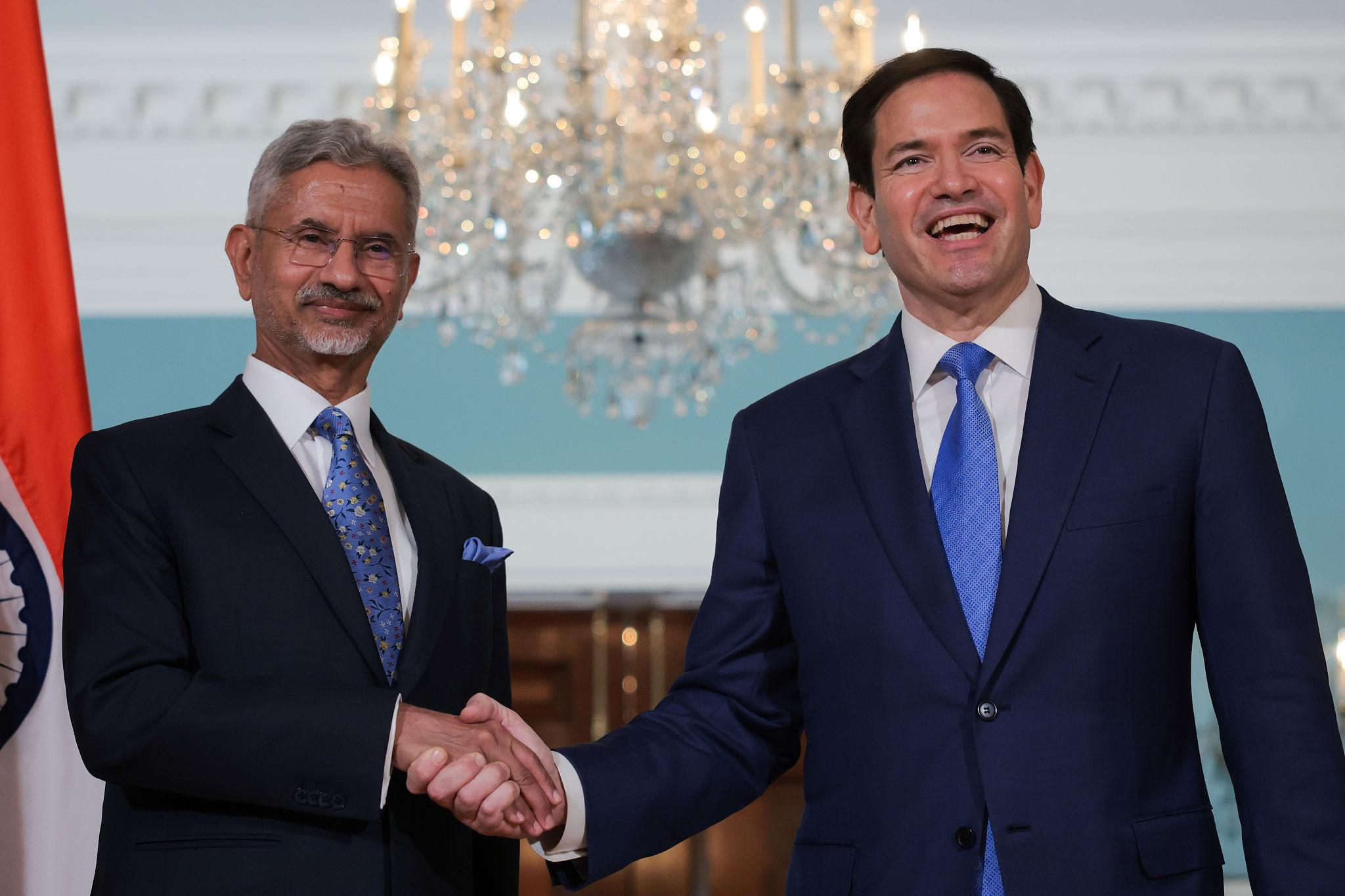
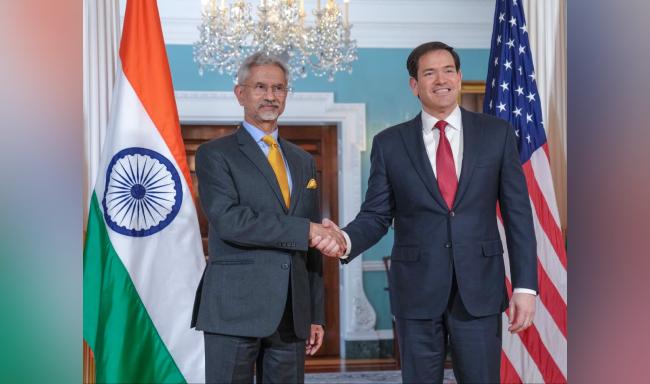
The Strait of Hormuz became the center of a major diplomatic discussion after US Secretary of State Marco Rubio told Indian External Affairs Minister S. Jaishankar that all commercial vessels operating in the strategic waterway must immediately comply with orders issued by US forces. The development comes at a time of heightened tensions in West Asia and growing concerns about the safety of international shipping.
The issue gained additional attention because India recently protested the deaths of Indian seafarers linked to US military actions in the Gulf region. During discussions between the two leaders, India emphasized that attacks on commercial shipping are unacceptable and that civilian maritime traffic must remain protected. The conversation highlights the increasing importance of maritime security, global energy supplies, and international trade routes.
Why This Matters Now
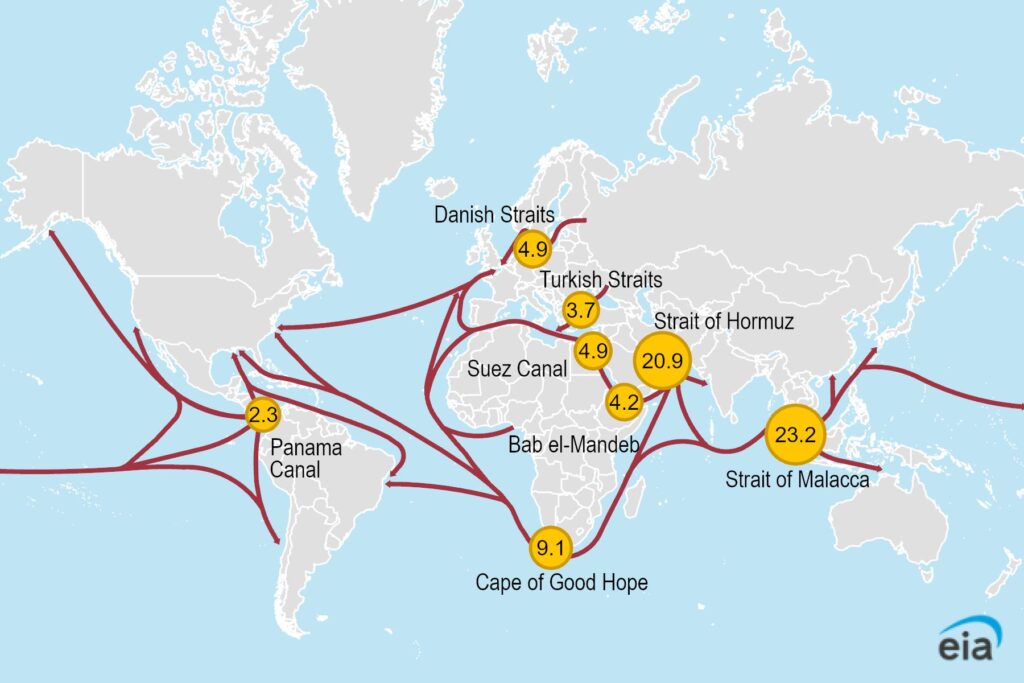
The Strait of Hormuz is one of the world’s most important energy corridors. A significant share of global crude oil and liquefied natural gas shipments passes through this narrow waterway every day. Any disruption can affect fuel prices, shipping costs, inflation, and economic growth across Asia, Europe, and North America.
For India, the stakes are especially high. The country depends heavily on energy imports from the Gulf region, and any instability around Hormuz can directly impact fuel supplies and transportation costs. Policymakers are therefore closely monitoring developments while urging all parties to maintain safe navigation and avoid escalation.
Rubio’s Message on Maritime Compliance
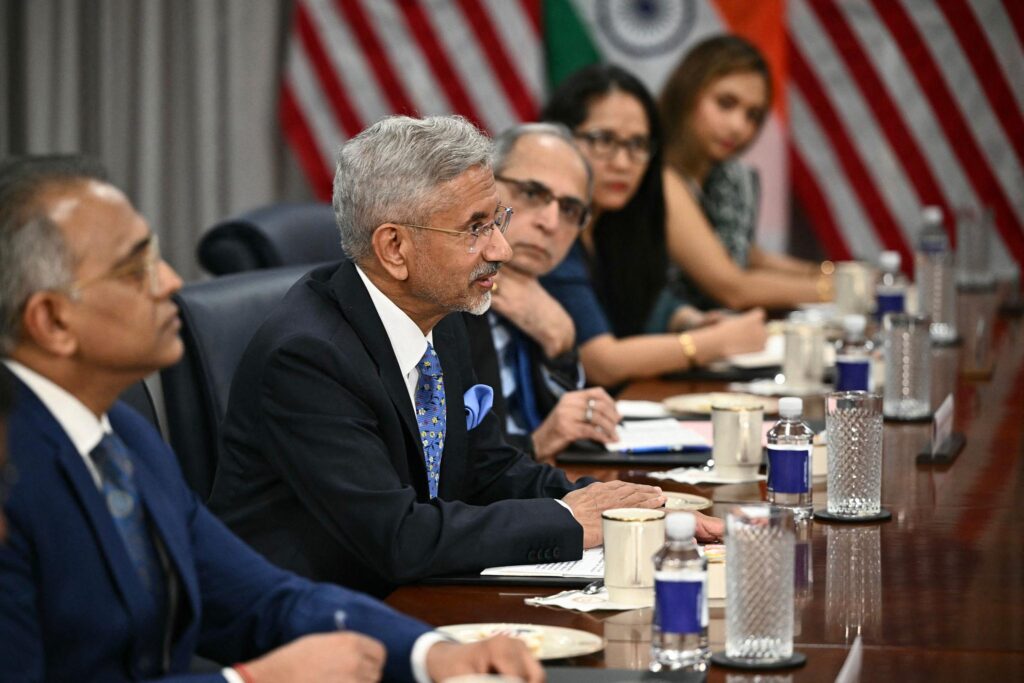
According to statements released after the discussion, Rubio stressed that commercial vessels operating in the Strait of Hormuz should immediately follow directions issued by US naval forces. He also warned that violations involving sanctioned oil shipments or attempts to bypass US restrictions would not be tolerated.
The United States argues that these measures are intended to maintain security and stability in a region that has witnessed military confrontations, drone incidents, and threats to merchant shipping. Washington maintains that ensuring compliance is necessary to protect commercial traffic and prevent further disruptions to global trade.
India Pushes for Safety of Commercial Shipping
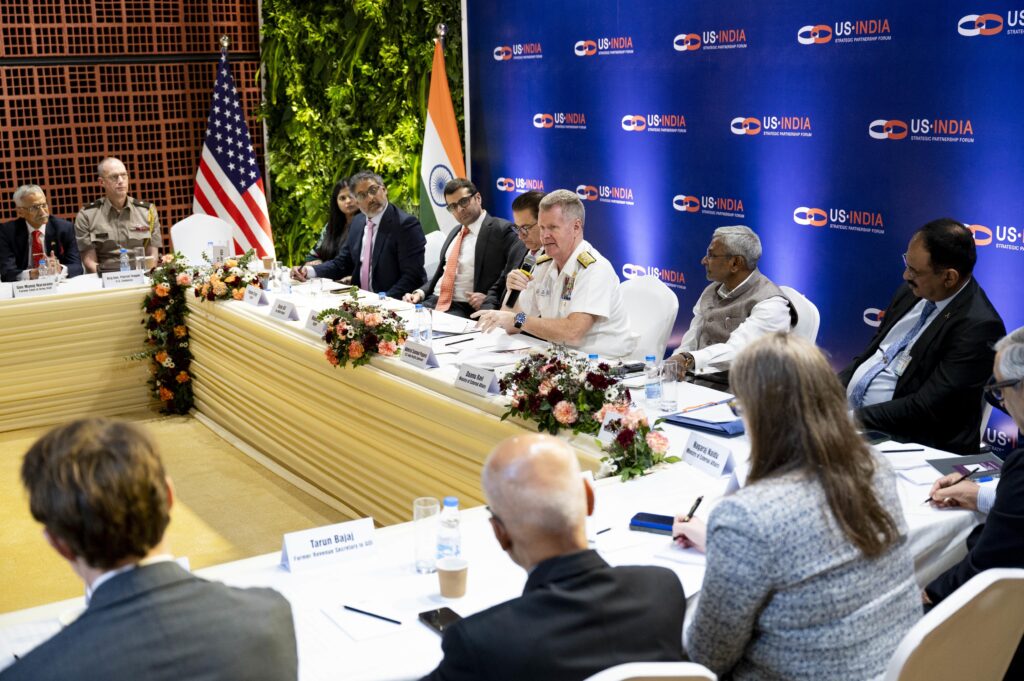
India’s position has focused on protecting civilian mariners and preserving freedom of navigation. Jaishankar reportedly conveyed New Delhi’s strong concerns regarding recent incidents that resulted in the deaths of Indian seafarers. He emphasized that lethal actions against commercial vessels are not justified and called for greater protection of maritime workers.
India has consistently supported safe and uninterrupted passage for merchant ships through international waterways. The government has repeatedly stated that attacks on commercial shipping threaten global trade and create risks for millions of workers employed in the maritime sector.
Growing Impact on Global Energy Markets
The Strait of Hormuz remains one of the most strategically important chokepoints in the global economy. Energy traders, shipping companies, and governments around the world closely monitor developments because even minor disruptions can trigger significant market reactions.
Recent tensions involving the United States, Iran, and regional actors have already raised concerns about oil transportation and supply-chain stability. Analysts note that uncertainty around shipping routes often increases freight costs and can eventually influence fuel prices for consumers worldwide.
Diplomatic Efforts Continue Behind the Scenes
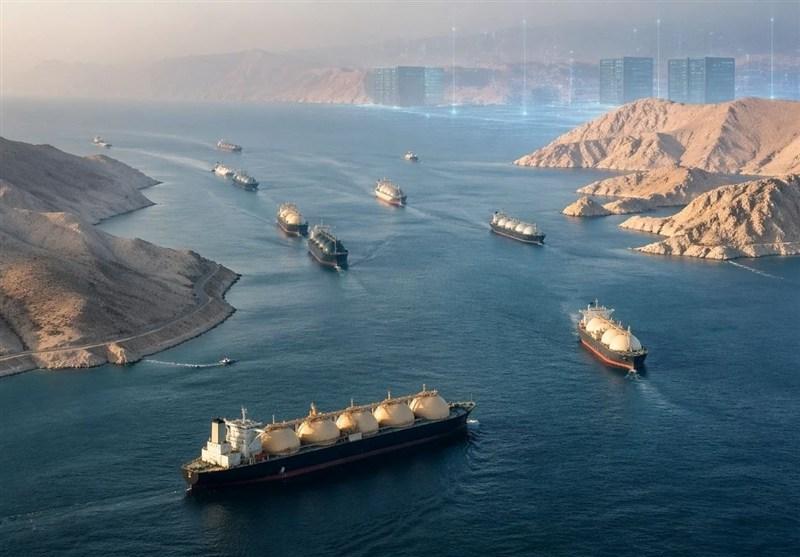
At the same time, diplomatic efforts aimed at reducing tensions appear to be continuing. Reports indicate that negotiations involving regional stakeholders are exploring pathways toward restoring stability and ensuring uninterrupted maritime traffic. Discussions have also focused on broader issues including energy security and regional peace.
India and the United States remain in regular contact on these matters. Both countries recognize the importance of secure shipping lanes and stable energy markets, even when differences emerge over specific incidents or policy approaches.
What Comes Next for the Strait of Hormuz
The coming weeks could prove critical for the future of maritime security in the Gulf. Governments, shipping operators, and energy companies will be watching closely for any signs of escalation or diplomatic progress. Continued cooperation among major stakeholders will be essential to maintaining stability in one of the world’s most important trade corridors.
For India, ensuring the safety of its seafarers and protecting energy supplies will remain top priorities. For the global economy, the ability to keep commercial vessels moving safely through the Strait of Hormuz will continue to influence trade, energy prices, and economic confidence around the world.
Subscribe to trusted news sites like USnewsSphere.com for continuous updates.