The US strikes in Venezuela have sparked profound travel disruptions, grounding flights and closing airspace across the Caribbean and Latin America, as hundreds of commercial flights were canceled and thousands of passengers were left stranded. This unprecedented aviation impact follows a large‑scale US military operation that captured Venezuelan President Nicolás Maduro and triggered emergency Federal Aviation Administration (FAA) airspace restrictions, forcing airlines to re‑route and suspend flights.
This situation marks one of the most significant intersections of US military action and global aviation disruption in recent history. Beyond the immediate geopolitical fallout, travelers, tourism industries, airlines, and governments are grappling with far‑reaching consequences that could reshape how flights operate across the Western Hemisphere.
The Military Operation That Sparked Regional Chaos
In the early hours of January 3, 2026, the United States launched a decisive military operation inside Venezuela aimed at capturing President Nicolás Maduro and dismantling elements of his government that the US has long accused of drug trafficking and destabilization activities. The mission, reportedly involving elite troops and extensive aerial support, resulted in Maduro and his wife being removed from power and transported out of the country.
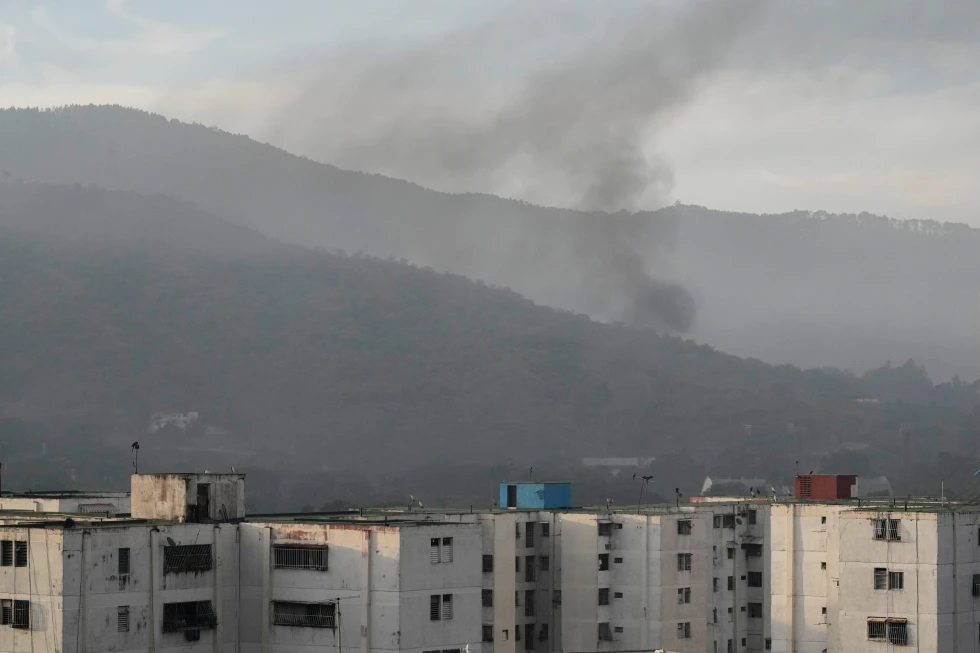
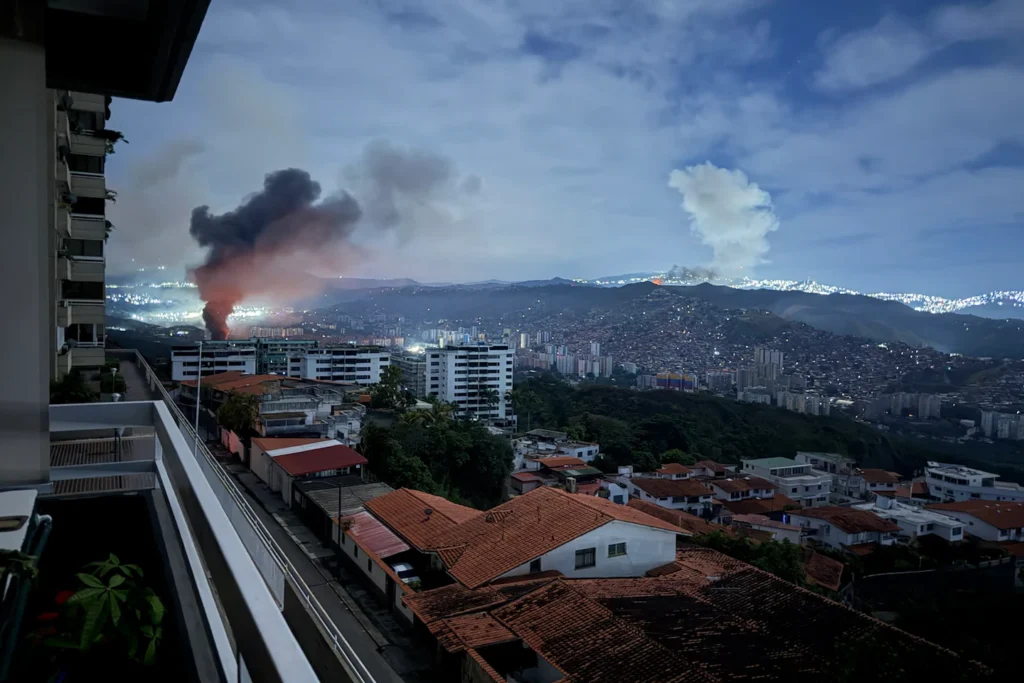
This bold maneuver, which many have called Operation Absolute Resolve, involved coordinated airborne assaults and strategic strikes on key Venezuelan military installations in Caracas. Explosions shook major parts of the capital, sirens blared, and residents reported seeing low‑flying aircraft throughout the city. The intensity of the operation quickly drew global attention and immediate international reactions.
While the operation is viewed by its supporters as a decisive effort against alleged narcotics networks, critics have raised concerns about legality, sovereignty, and the potential for long‑term instability in the region. Venezuelan authorities and neighboring nations expressed outrage, asserting that the strikes amounted to an egregious violation of international norms. Nevertheless, the US appears to have achieved its immediate objective, setting the stage for a new chapter in Venezuelan and Caribbean geopolitics.
The direct military activity was the catalyst for ensuing aviation responses, with authorities swiftly restricting airspace to safeguard civilian flights amid active operations.
How Airspace Was Closed and Travel Disrupted
Following the strikes, the Federal Aviation Administration (FAA) issued emergency Notices to Airmen (NOTAMs) that effectively barred all US‑registered aircraft from operating in Venezuelan airspace and adjacent Caribbean flight information regions. The FAA cited “safety of flight risks associated with ongoing military activity,” making it immediately unsafe for commercial flights to transit through the area.
As a result:
- Major US carriers such as JetBlue, United Airlines, Delta, American Airlines, and Southwest canceled or rerouted flights that would normally cross through airspace near Venezuela or the eastern Caribbean.
- Airports in Puerto Rico’s San Juan (SJU), Aruba (AUA), and Curaçao (CUR) saw widespread cancellations and delays, with tens of thousands of travelers impacted during a peak travel period.
- Flights over the Venezuelan Flight Information Region — a key corridor between South and North America — were reduced to zero as radar data confirmed a complete absence of commercial traffic above the country amid military operations.
In many cases, operations remained grounded until airspace restrictions were lifted or revised, though airlines warned that full flight schedules could take days to resume normal operations. This sudden closure reflected how rapidly military and aviation policy can intersect, leaving travelers and carriers scrambling for alternatives.
Passengers Caught in the Midst: Stranded and Frustrated
The human cost of these airspace disruptions became instantly visible as passengers found themselves stranded far from home. Reports from Miami, Boston, New England, and other traveler hubs detailed holiday vacationers stuck in Caribbean airports or forced into multi‑day delays before alternative flights could be arranged.
Some travelers reported waiting several days for their next available flight, while others expressed frustration over limited provisions, unexpected lodging costs, and minimal communication from carriers. Airlines have offered flexible rebooking policies and travel waivers in an effort to ease the burden, but logistics remain complicated due to limited routing options and lingering FAA restrictions.
This abrupt travel upheaval has not only affected leisure travelers but also workers, families, and expatriates needing to return home. Airports in the region struggled with overbooked terminals, and some cruise operations experienced knock‑on effects due to reduced inbound flights. The ripple of frustration underscores how geopolitical actions can quickly cascade into everyday disruptions for millions of travelers.
The Broader Aviation Industry Response
Airlines and aviation authorities responded swiftly to the closures and disruptions. In addition to canceling flights, carriers issued advisories and travel waivers designed to give passengers flexibility. For instance, Air Canada advised travelers to avoid Venezuela and offered easy rebooking options for those impacted by the crisis.
Industry analysts noted:
- Rerouting flights around Venezuela increases fuel costs, flight times, and logistical complexity for carriers.
- Long‑term disruptions could prompt changes in global aviation routes, especially if tensions persist.
- Insurers may adjust premiums for routes near geopolitical hotspots, adding financial pressure on operators.
Even airlines that were not directly grounded, such as Caribbean and Latin American carriers, adjusted their operations to avoid conflict‑related risk zones, demonstrating the wide‑reaching impact of localized military actions on the international aviation sector.
In response, the Conference of Heads of Government of CARICOM (Caribbean Community) publicly affirmed its monitoring of the situation and warned of possible broader implications for regional connectivity and security.
Geopolitical Implications and International Reactions
Beyond aviation chaos, the US strikes on Venezuela have sparked urgent diplomatic responses. Canada, for example, issued a travel advisory urging its citizens to steer clear of Venezuela and prepare for abrupt border or airspace closures.
Global reactions vary widely:
- Some governments condemned the US military action as an infringement on Venezuelan sovereignty and an escalation of regional tensions.
- Others, particularly those critical of the Maduro regime, expressed tentative support for actions perceived to target drug trafficking and narcoterrorism.
- International law experts have cautioned that such strikes, especially without clear multilateral authorization, could set a precedent for complex legal challenges. The Washington Post
The political aftermath will likely influence US‑Latin America relations for years to come and could reshape alliances and trade partnerships. Meanwhile, domestic audiences in both the US and Venezuela remain sharply divided, with debates around legal authority, international standards, and the future of Venezuelan governance.
What Travelers Should Do Now
For anyone planning travel in and around the Caribbean or to Venezuela, here are immediate takeaways:
- Check with your airline: Before heading to the airport, verify the status of your flight and understand waiver policies.
- Monitor official advisories: The U.S. State Department and other national travel advisories may update warnings or requirements.
- Prepare for delays: Even as airspace curbs lift, restoring full flight schedules will take time.
- Stay informed: Geopolitical dynamics can shift quickly — staying updated through trusted news sources is essential.
Industry experts also recommend travelers consider travel insurance and alternative routing options when possible, given the unpredictability of the situation.
Conclusion: A Turning Point for Travel and Geopolitics
The US strikes in Venezuela and the resulting airspace and travel disruption,s represent a defining moment for international aviation, geopolitical strategy, and traveler experience. What began as a military operation has quickly morphed into a regional travel crisis with far‑reaching effects on airlines, passengers, and global diplomacy. As airspace reopens and flights gradually resume, the world will be watching how governments, aviation authorities, and travelers navigate this new reality.
Subscribe to trusted news sites like USnewsSphere.com for continuous updates.