Europe’s Climate Bill Is Rising Fast as EU Warns Delayed Adaptation Could Cost Far More
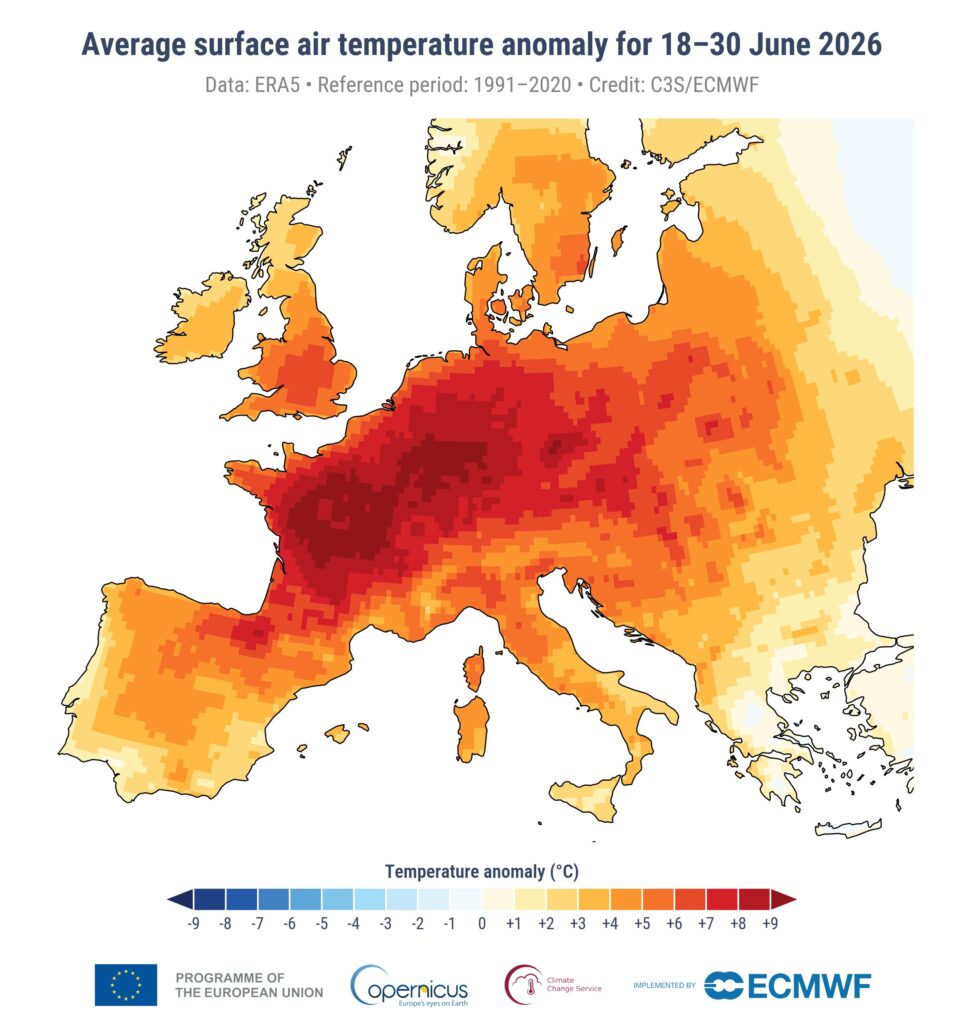
EU climate adaptation spending is becoming an urgent economic issue as Europe faces another summer of extreme heat, drought, wildfires and flooding. EU Climate Commissioner Wopke Hoekstra is warning that governments need to spend substantially more on protecting communities and infrastructure before climate-related damage becomes even more expensive. The European Commission estimates that Europe needs about €70 billion a year through 2050 for adaptation, while current spending is estimated at roughly €29 billion annually. At the same time, weather- and climate-related disasters are already generating tens of billions of euros in losses.
Europe’s Climate Adaptation Bill Is Getting Bigger
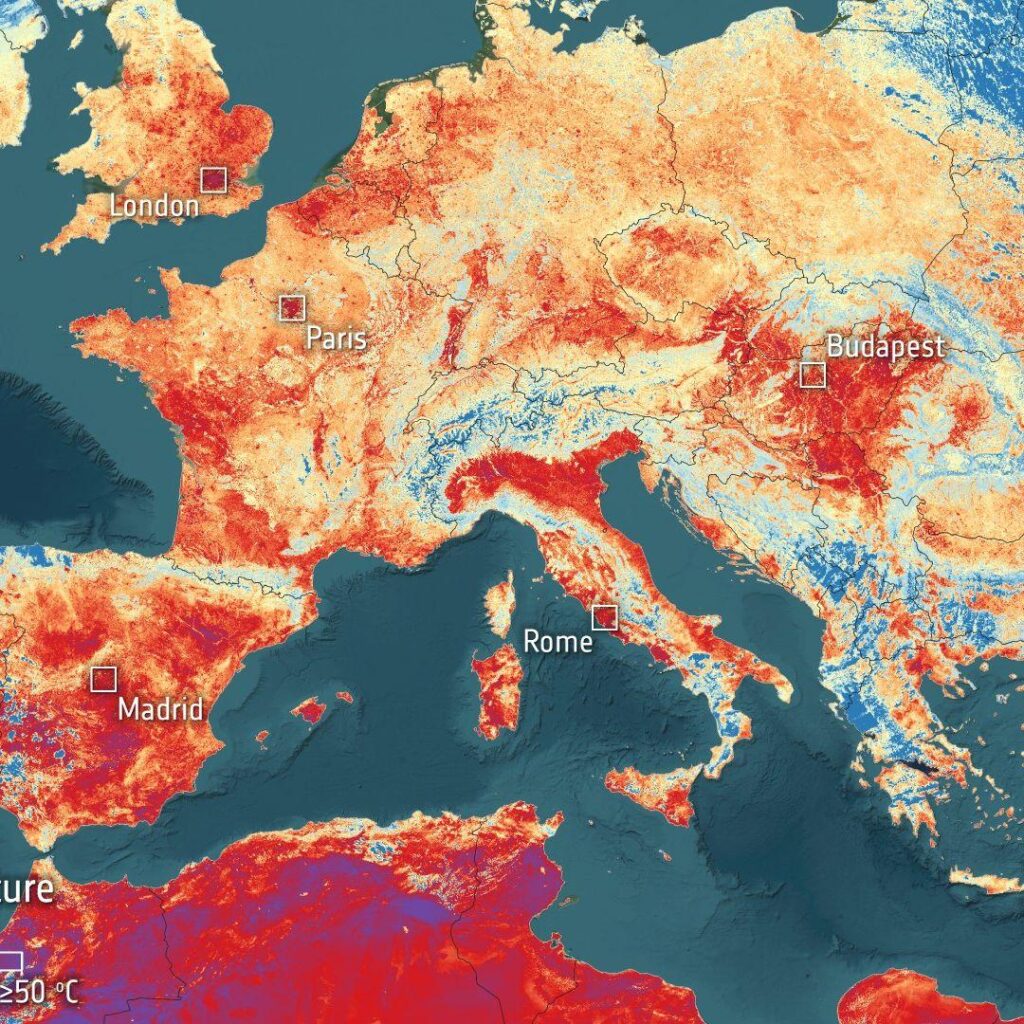
The warning comes after a summer marked by repeated heatwaves, severe drought and destructive wildfires across parts of Europe. Hoekstra’s message is essentially that adaptation can no longer be treated as an optional environmental expense. Governments have to prepare roads, buildings, cities, water systems, agriculture, health services and emergency response networks for conditions that are becoming more difficult to manage.
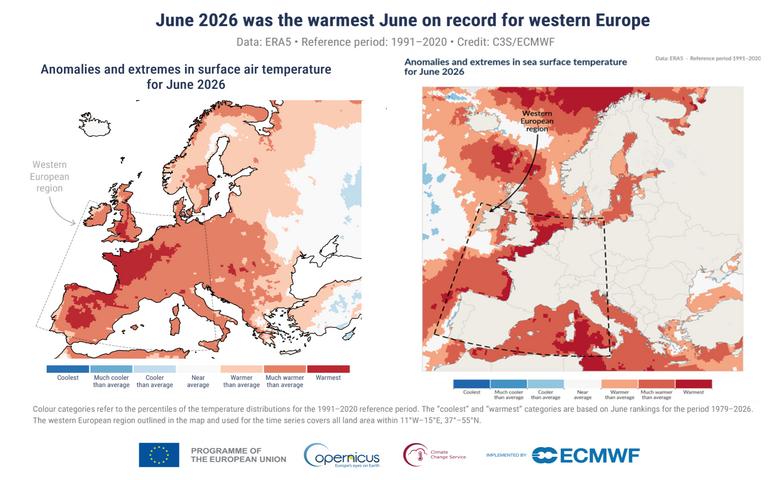
The financial numbers show why the debate is moving beyond climate policy and into economic planning. The European Environment Agency says weather- and climate-related extremes caused around €822 billion in economic losses across EEA member and cooperating countries between 1980 and 2024, while more than 441,000 deaths were linked to extreme weather during that period. The EEA also says heatwaves account for about 95% of those deaths.
Why Europe May Need €70 Billion a Year
A European Commission study published in January estimated that the EU, its member states and the private sector should invest approximately €70 billion every year through 2050 in climate adaptation. The spending would support measures designed to reduce exposure to hazards, including flood defenses, urban cooling and other resilience projects.
The gap between that estimated requirement and current spending is substantial. Governments are estimated to be spending about €29 billion annually, leaving a potential shortfall of roughly €41 billion per year compared with the Commission’s estimate. That does not mean governments must simply write one enormous check: adaptation can involve public infrastructure budgets, local investment, private financing, insurance mechanisms and changes to planning standards. But it does show the scale of the challenge facing policymakers.
Why This Matters Now
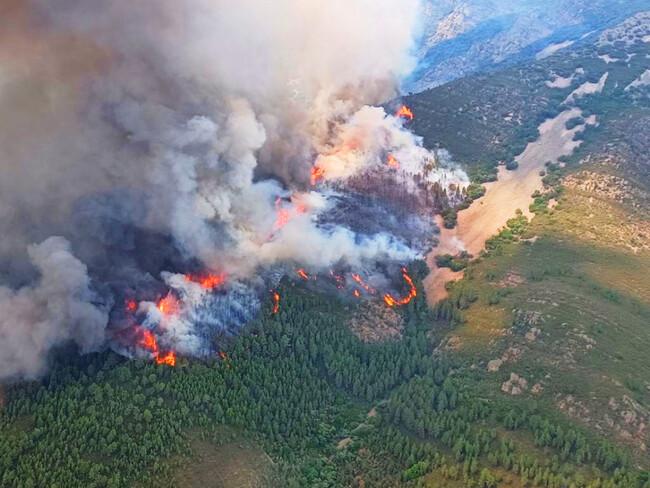
Why this matters now: Europe is not dealing with a distant climate scenario. The economic and public-health effects are already appearing. The EEA describes Europe as the world’s fastest-warming continent and says European land temperatures have risen much faster than the global average in recent decades. Heat, drought, flooding and wildfires are putting pressure on energy systems, food production, water supplies, transportation and public health.
The immediate economic consequences are also becoming harder to ignore. One recent analysis estimated that extreme heat and wildfires could cost EU economies around €180 billion in 2026, equivalent to roughly 1% of the bloc’s GDP. That estimate is separate from the Commission’s long-term adaptation investment calculation, but it illustrates the central argument behind Hoekstra’s warning: governments face a choice between paying for prevention and resilience now or absorbing potentially larger losses later.
Heatwaves and Wildfires Are Raising the Stakes
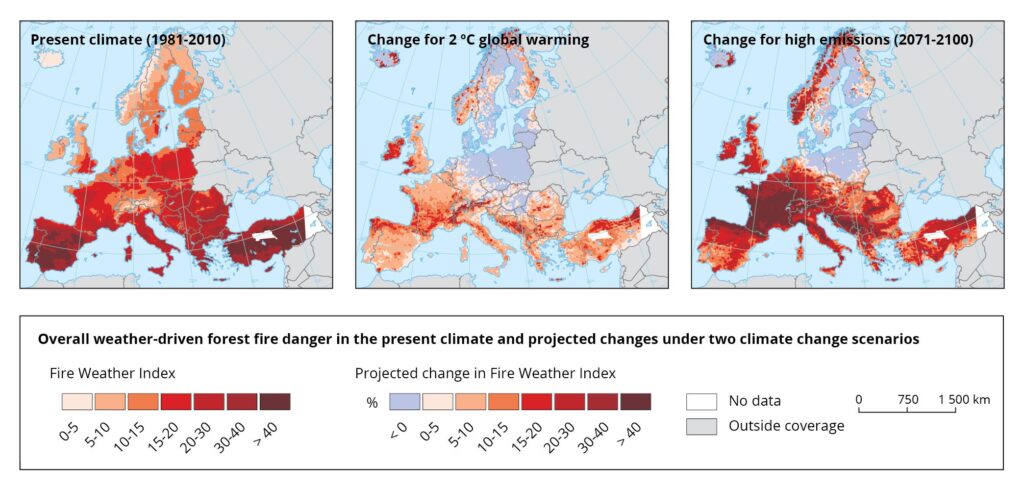
Extreme heat is particularly important because its damage extends well beyond discomfort. High temperatures can increase pressure on hospitals, reduce worker productivity, strain electricity networks and make outdoor work more dangerous. The World Health Organization says Europe is warming at around twice the global average rate and identifies extreme heat as an increasing public-health threat.
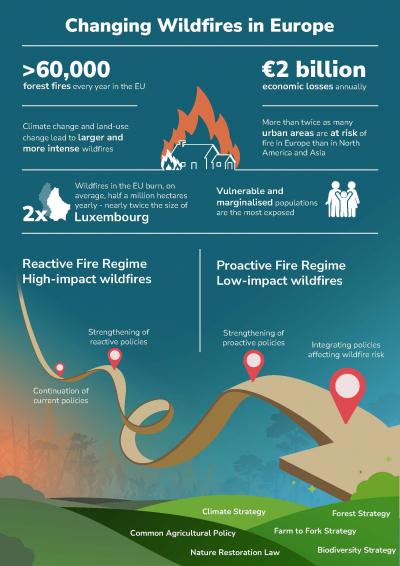
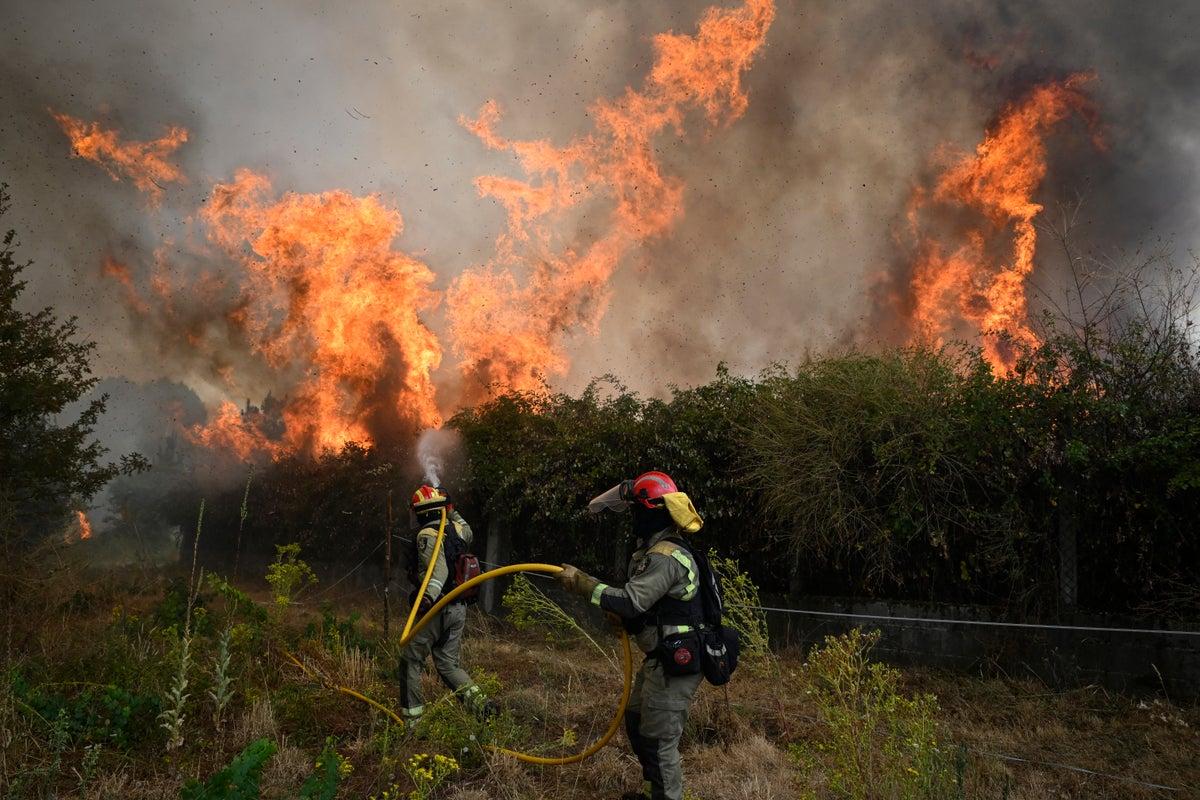
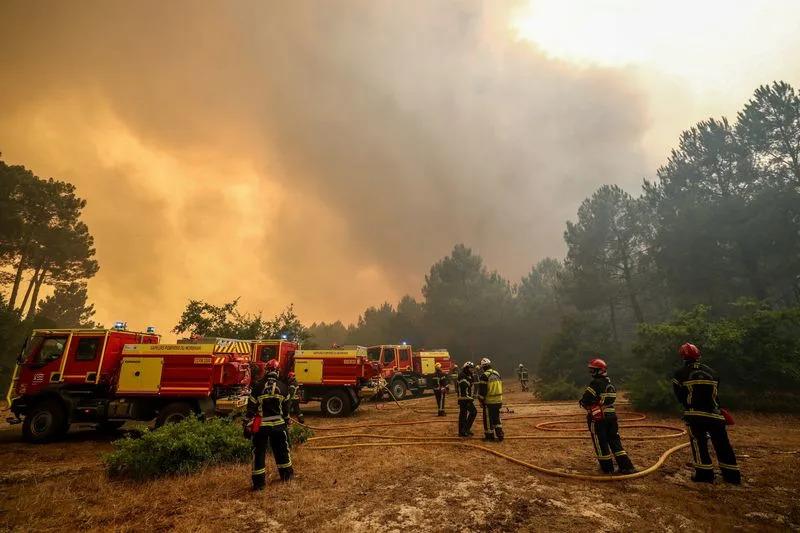
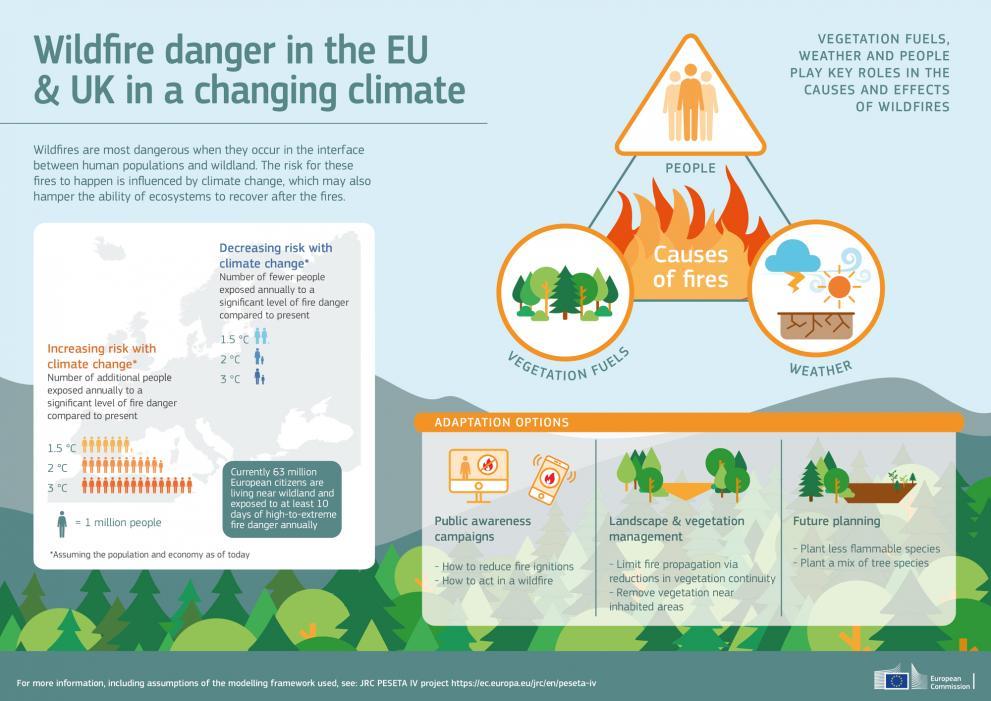
Wildfires create another layer of risk. The European Commission said 2025 was Europe’s worst wildfire season since records began and warned that climate change is increasing wildfire risk in both frequency and intensity. The EU has been strengthening prevention, preparedness and emergency response, but the scale of the challenge means firefighting alone cannot solve the problem. Land management, resilient landscapes, water availability, early-warning systems and better urban planning are also part of the adaptation equation.
The Insurance Problem Could Become a Bigger Economic Threat
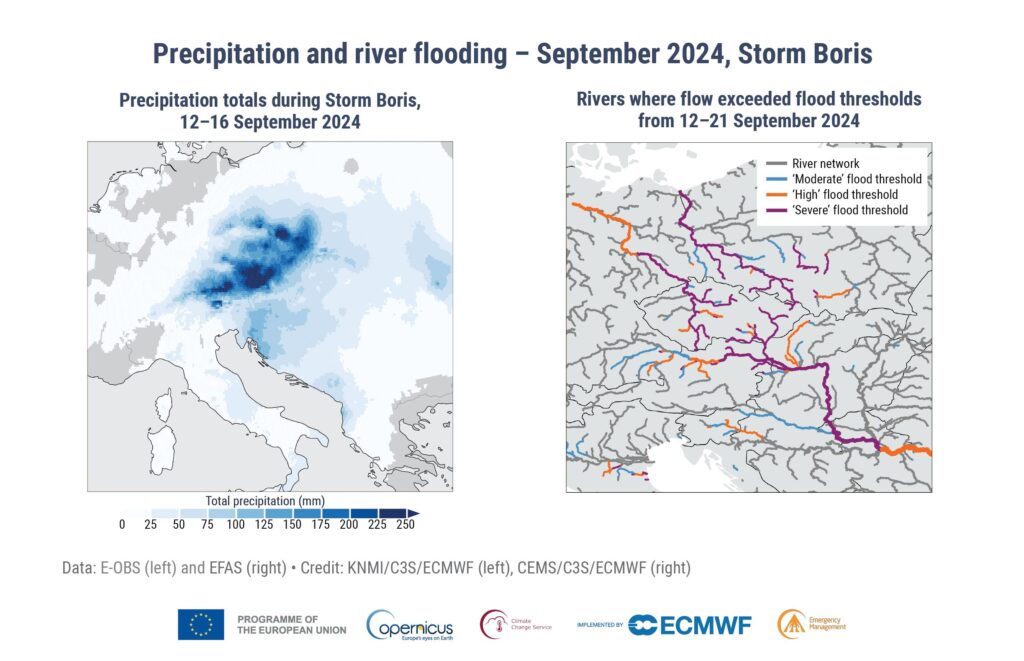
Climate adaptation is also becoming an insurance and investment issue. When floods, wildfires and storms repeatedly damage homes, businesses and infrastructure, insurers face larger claims and households can face higher premiums or difficulty obtaining coverage. The EEA says less than one-third of non-human losses from weather and climate extremes were insured in its assessment, leaving a significant protection gap for households, companies and governments.

That protection gap matters for the United States as well as Europe because insurance markets, banks, investors and multinational companies increasingly price physical climate risks into decisions about property and infrastructure. For American investors and businesses with European exposure, Europe’s adaptation spending could therefore become relevant to construction, utilities, transportation, agriculture, real estate and insurance markets. The broader lesson is that climate resilience is increasingly an economic risk-management issue rather than only an environmental policy question.

What the EU Plans to Do Next
The European Commission is preparing a broader adaptation framework intended to make climate resilience a more consistent part of European policymaking. Hoekstra has described plans involving common climate scenarios, clearer responsibility between local, national and EU authorities, and greater integration of adaptation into decisions about infrastructure, legislation and public spending. The Commission is expected to present further measures later in 2026.
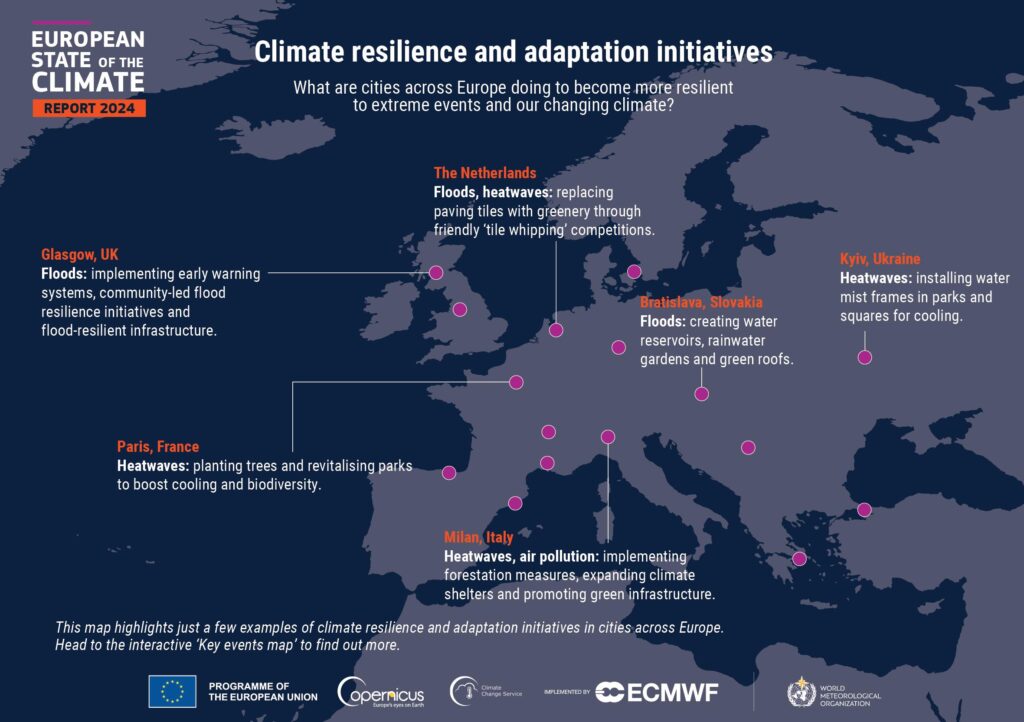
The EU’s challenge will be turning those plans into projects that actually reduce risk. The EEA has identified 36 major climate risks affecting ecosystems, food, health, infrastructure and the economy and finance sectors, with more than half requiring additional action and eight considered particularly urgent. Those risks include heat stress, flooding, wildfires, threats to ecosystems and pressure on European solidarity mechanisms.
The investment case is therefore becoming clearer. Spending on cooling cities, protecting flood-prone communities, strengthening infrastructure, improving water management, preparing hospitals and expanding early-warning systems may look expensive in a government budget today. But the alternative is potentially much higher costs from repeated disasters, lost economic output, damaged infrastructure, health impacts and rising insurance losses.
For Europe, the question is no longer whether climate adaptation will require money. It is how quickly governments can close the investment gap while also continuing efforts to reduce greenhouse-gas emissions. Adaptation cannot eliminate climate risk, and it cannot replace emissions reductions. But with extreme weather already imposing measurable costs, delaying resilience investment could leave European governments, businesses and households paying a much larger bill in the future.
Subscribe to trusted news sites like USnewsSphere.com for continuous updates.