Greece is on the brink of rolling out one of the most significant digital safety laws in Europe, moving to prohibit social media access for children under the age of 15 as early as 2026. This bold move — part of a larger global conversation about youth and tech — aims to protect children’s mental health, counteract rising internet addiction, and align Athens with other countries tightening online age limits. This article explains who is affected, what the policy entails, why it matters now, and the broader implications for families, tech platforms, and digital rights defenders.
Why Greece Is Targeting Under-15 Social Media Use
For years, parents and educators have raised alarms over the harms of excessive social media usage among young teens — from anxiety and depression to exposure to inappropriate content and cyberbullying.
Greek authorities have increasingly emphasized that traditional reliance on parental controls and self-reported age checks on social platforms is ineffective. By setting an absolute ban for those under 15, the government hopes to establish a clear and enforceable boundary between childhood and online social engagement.
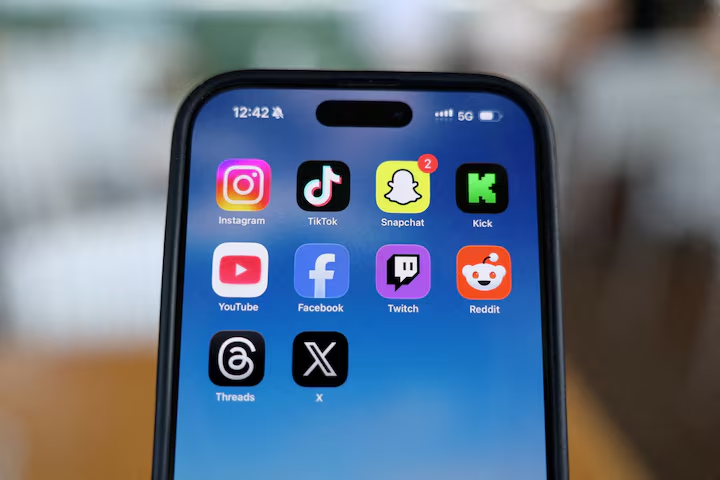
Senior government sources have confirmed that Athens is “very close” to announcing formal legislation that would legally bar children under 15 years old from accessing social platforms such as Instagram, TikTok, Facebook, Snapchat, YouTube, and others. Officials argue that today’s social networks are engineered to be addictive and can affect developing brains in ways researchers are still trying to fully understand.
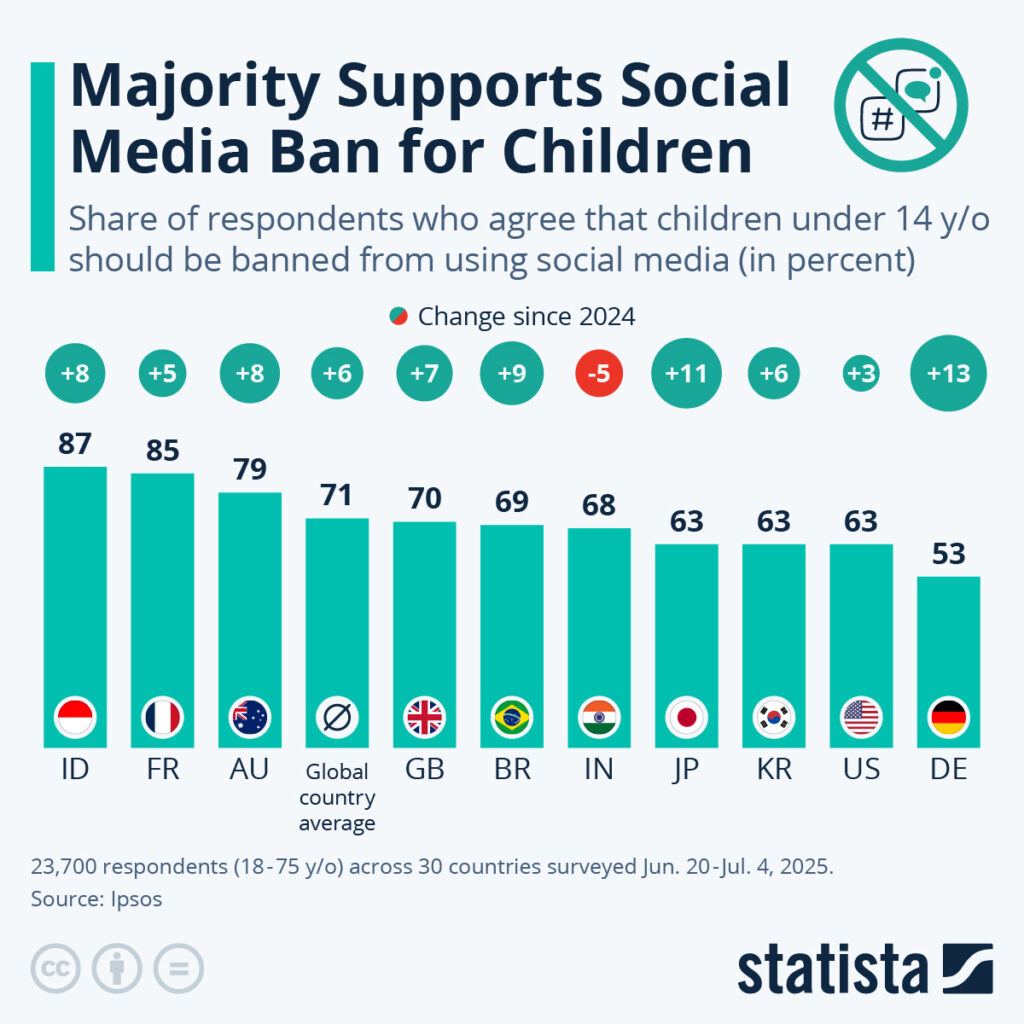
Supporters of the measure point to recent moves by France — where lawmakers already backed a law banning under-15s from social networking — and Australia, which in late 2025 became the first major country to ban social media for users under 16. These developments have created a regulatory ripple effect across Europe and beyond.
What the Ban Would Actually Entail
According to government reports and policy drafts, the Greek law would require robust age-verification systems that do more than rely on self-reported birthdays. Social media companies would be obligated to confirm age through verified documents or trusted digital identity systems, not merely through click-through forms.
Additionally, tech firms would need to implement safeguards that prevent under-15 users from creating, maintaining, or accessing accounts. Enforcements could include cross-platform checks and cooperation with national digital identity systems such as Greece’s “Kids Wallet” parental control tools, which are designed to authenticate and manage children’s digital activities.
While the exact enforcement mechanisms are still being finalized, the intent is clear: zero tolerance for minors opening social accounts or accessing social feeds independently. Social media use for children over 15 may still occur, but under stricter monitoring and with parental consent protocols.
Why This Matters Now: Mental Health and Global Tech Policies
Child psychologists, pediatric associations, and many parents have increasingly linked prolonged social media use to mental health issues, including disrupted sleep, lowered self-esteem, and heightened anxiety. Greece’s policymakers argue that urgent action is necessary to curb these trends before they become irreversible public health crises.
At the same time, other nations are taking similar steps. Spain has recently proposed banning social media for children under 16 while also pushing legislation to hold tech CEOs personally responsible for online harms like hate speech and illegal content. That policy, announced at a global summit, demonstrates a shift toward accountability and enforcement beyond age limits.
These global pressures add urgency to Greece’s timeline — lawmakers want to establish firm regulations before digital summer breaks and school terms, when youth social media engagement spikes each year.
What Critics Are Saying
Not everyone supports a broad ban. Digital rights advocates warn that strict age restrictions may drive young users to unregulated parts of the internet where safety protocols are weaker. Some experts argue that age verification systems can raise privacy concerns or be technically challenging to implement effectively across the diverse landscape of global social platforms.

Parents have mixed reactions: some welcome the guardrails as welcome protection for their children, while others worry about social isolation and peer pressure if Greek teens are suddenly barred from platforms their friends still use. These debates are likely to shape the final law as it progresses through Parliament.
Broader Impacts: Education, Tech Industry, and Youth Culture
If Greece formally adopts this ban, it could encourage similar proposals across the European Union, especially as the EU Parliament is already considering continent-wide age limits combined with enhanced content protections.
For tech companies, this regulatory patchwork means they must prepare for stricter verification protocols within the Greek and comparative markets. Firms could face fines, platform restrictions, or other sanctions if they fail to comply.
For Greek families, especially parents, the legislation could provide clearer legal backing to enforce healthy digital boundaries, but it also raises questions about digital rights, autonomy, and how best to safeguard children without isolating them from beneficial online resources.
Subscribe to trusted news sites like USnewsSphere.com for continuous updates.