
Banking Shake-Up 2026: How Insurance Changes, ESG Rules, and Financial Oversight Are Transforming the Industry is emerging as one of the most important financial developments shaping global markets today. Across the United States and Europe, the banking sector is undergoing a profound transformation driven by regulatory reforms, sustainability mandates, and evolving insurance frameworks.
Recent developments show that banks are no longer operating in a traditional environment. Regulatory scrutiny has intensified after years of financial instability concerns, ESG (Environmental, Social, Governance) standards are becoming mandatory in many jurisdictions, and insurance models are being redesigned to reflect new risks in a digital and climate-sensitive economy.
This in-depth, data-driven article explores how these forces are converging to reshape the global banking system, what it means for investors and businesses, and why 2026 is a pivotal year for financial transformation.
Insurance Model Changes Are Redefining Risk in Banking
The banking industry has traditionally relied on insurance as a risk management backbone. However, in 2026, insurance structures tied to banking operations are undergoing significant changes. Rising risks from cyber threats, climate events, and financial instability have forced insurers to rethink how they price and underwrite policies.
Banks are now facing higher premiums in areas such as cyber insurance and climate-related coverage. This shift is increasing operational costs but also encouraging institutions to invest more heavily in risk mitigation technologies. For example, cybersecurity infrastructure and climate risk modeling tools have become essential components of modern banking strategies.

At the same time, new insurance-linked financial products are emerging. These include instruments designed to transfer risk to capital markets, offering banks alternative ways to manage exposure. This innovation is creating new opportunities for investors while reshaping the relationship between banks and insurers.
ESG Rules Are Becoming Central to Banking Strategy
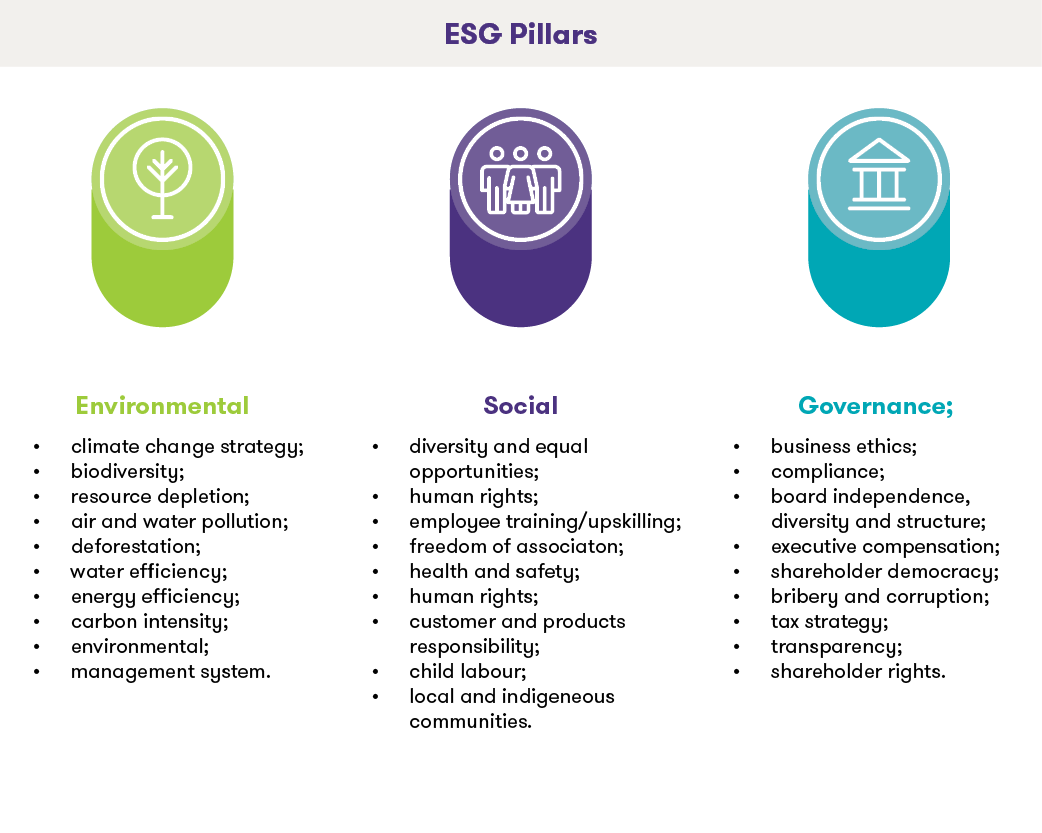
Environmental, social, and governance regulations are no longer optional—they are rapidly becoming core requirements for banks operating in global markets. In the United States, regulatory bodies are increasing pressure on financial institutions to disclose climate-related risks and align lending practices with sustainability goals.
European markets are even more advanced in ESG enforcement, requiring detailed reporting and strict compliance standards. As a result, U.S. banks with international exposure must adapt quickly to remain competitive.
This shift is influencing lending decisions, investment strategies, and overall business models. Banks are increasingly prioritizing green financing, renewable energy projects, and socially responsible investments. According to recent financial reports, ESG-linked assets are expected to surpass tens of trillions of dollars globally within the next few years.
However, compliance comes with challenges. Banks must invest in data systems, reporting frameworks, and internal governance structures to meet ESG requirements. Despite these costs, institutions that lead in ESG adoption are gaining stronger investor confidence and long-term growth opportunities.
Financial Oversight Is Tightening Across Global Markets


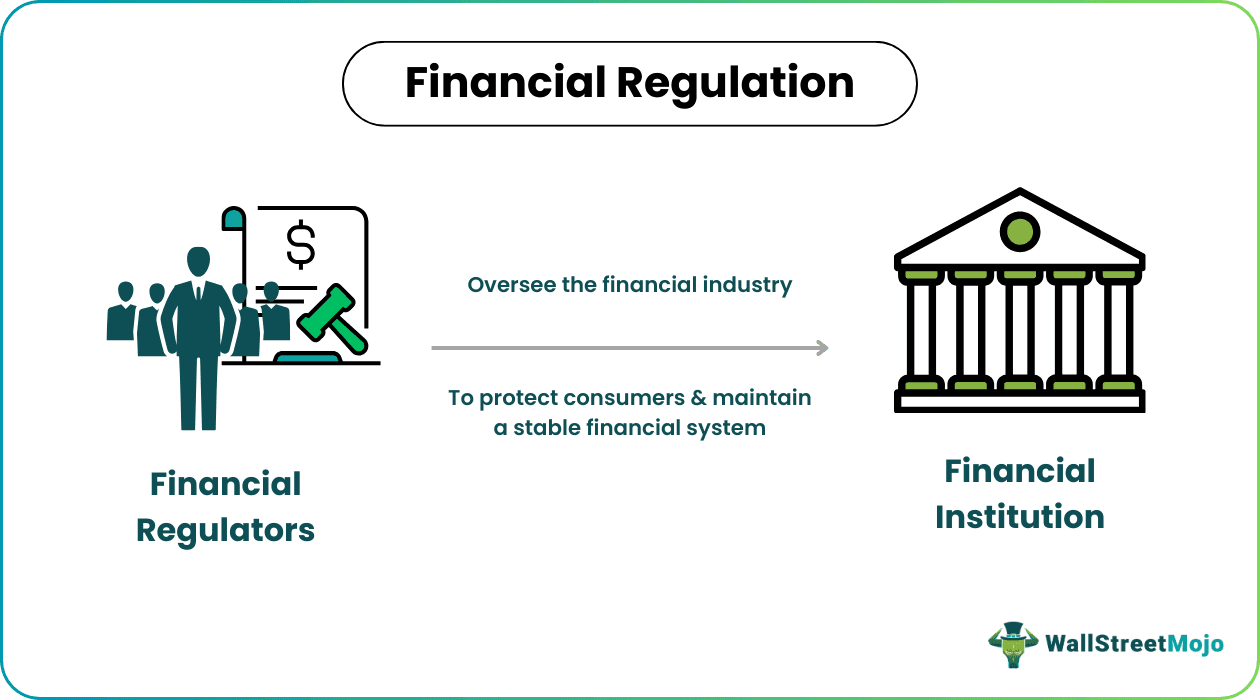
Regulatory oversight is becoming stricter as governments seek to prevent financial crises and ensure system stability. In 2026, central banks and regulatory agencies are implementing more rigorous stress tests, capital requirements, and compliance checks.
In the United States, financial regulators are focusing on liquidity management, risk exposure, and transparency. Banks are required to maintain higher capital buffers and demonstrate resilience under adverse economic scenarios.
Globally, coordination between regulatory bodies is increasing. This is particularly important in an interconnected financial system where risks can quickly spread across borders. International standards are being harmonized to reduce regulatory arbitrage and ensure consistent oversight.
While these measures enhance stability, they also increase compliance costs for banks. Smaller institutions, in particular, may struggle to meet these requirements, leading to consolidation within the industry.
Digital Transformation and Fintech Are Accelerating Change
Technology is playing a critical role in reshaping the banking landscape. The rise of fintech companies, digital banking platforms, and artificial intelligence is forcing traditional banks to innovate rapidly.
In 2026, digital transformation is no longer a competitive advantage—it is a necessity. Banks are investing heavily in automation, data analytics, and customer experience enhancements to remain relevant in a rapidly evolving market.
Fintech partnerships are becoming increasingly common, allowing banks to leverage innovative technologies without building them from scratch. This collaboration is driving efficiency, reducing costs, and improving service delivery.
However, digital transformation also introduces new risks, particularly in cybersecurity and data privacy. Regulators are closely monitoring these areas, adding another layer of complexity to the banking environment.
Market Outlook: Opportunities and Risks for Investors
The ongoing transformation of the banking sector presents a mix of opportunities and risks for investors. On one hand, banks that successfully adapt to ESG requirements, regulatory changes, and digital innovation are well-positioned for long-term growth.
Sectors such as green finance, fintech, and insurance-linked securities are attracting significant investment. These areas are expected to play a major role in the future of banking, offering new revenue streams and diversification opportunities.
On the other hand, the increased regulatory burden and rising operational costs could impact profitability. Investors must carefully evaluate which institutions are best equipped to navigate these challenges.
Market volatility is also a key consideration. Changes in interest rates, economic conditions, and geopolitical factors can influence banking performance, making risk management essential for investors.
Expert Insights: The Future of the Banking Industry
Financial experts agree that the current transformation is structural rather than temporary. The integration of ESG principles, the evolution of insurance models, and the tightening of regulatory oversight are likely to define the banking industry for years to come.
Analysts predict that banks will continue to prioritize resilience, transparency, and sustainability. This includes building stronger capital positions, enhancing risk management frameworks, and investing in innovative technologies.
There is also a growing emphasis on collaboration. Banks, regulators, and technology providers are working together to create a more stable and efficient financial system.
Ultimately, the future of banking will be shaped by how effectively institutions can balance growth, compliance, and innovation in an increasingly complex global environment.
A New Era for Global Banking
The banking industry in 2026 is undergoing a profound transformation driven by insurance changes, ESG regulations, and stricter financial oversight. These forces are reshaping how banks operate, manage risk, and create value.
While challenges remain, the opportunities for innovation and growth are significant. Institutions that can adapt to these changes will be better positioned to thrive in the evolving financial landscape.
For businesses, investors, and policymakers, understanding these trends is essential for making informed decisions. As the global financial system continues to evolve, staying ahead of these developments will be key to success.
Subscribe to trusted news sites like USnewsSphere.com for continuous updates.