
Colorado lawmakers are advancing a controversial bill — Senate Bill 26-051 — that would require age verification at the operating system level instead of individual websites to limit minors’ access to harmful online content and apps. This shift is designed to reduce repetitive age checks across apps and websites, but experts question its privacy, feasibility, and constitutional implications in a rapidly evolving digital landscape.
This shift is gaining attention because it could fundamentally change how age data is captured and shared across devices nationwide and spark broader conversations about digital rights, privacy safeguards, and the limits of government regulation. Why this matters now: lawmakers are responding to growing concerns about youth exposure to explicit content and social media harms, and this proposal could set a precedent for future age assurance laws.
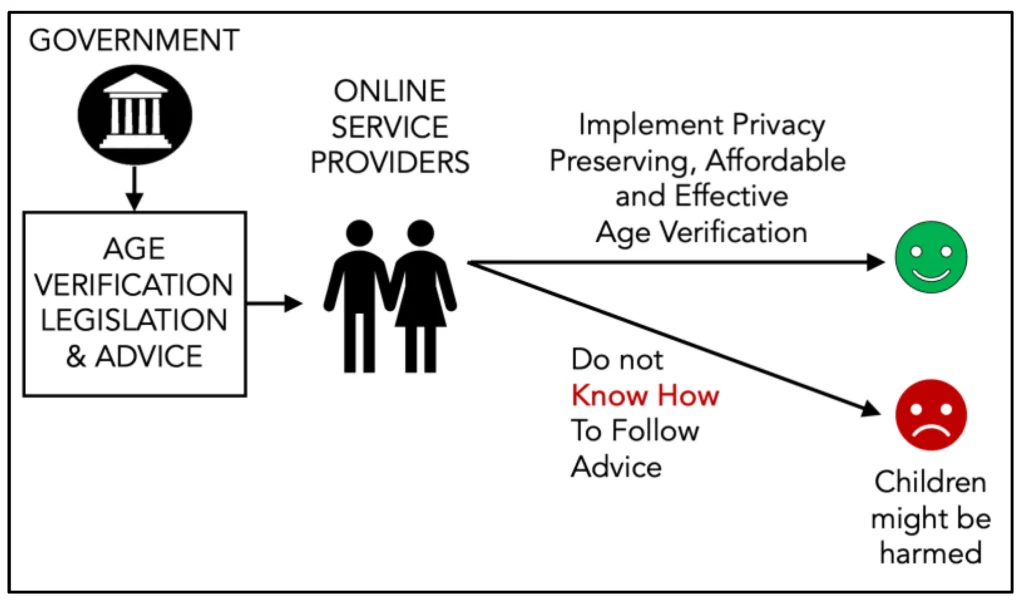
What the Operating System Age Verification Bill Aims to Do
The core idea of the bill passed out of committee is clever but complex: instead of requiring every website or app to verify a user’s age independently, the operating system (OS) provider would collect a user’s date of birth or age range when an account is created. This authenticated age signal would then be made available through an application programming interface (API) to app developers at download or app launch time. Lawmakers say this approach simplifies compliance and reduces redundant age checks across apps and services.
Under the proposed law, any developer that receives this age signal would be deemed to “know” the user’s age bracket and must use it to determine whether access to certain content should be permitted. This applies not just to mobile phones and tablets but could also extend to laptops and desktops as those devices increasingly rely on platform ecosystems.
Proponents argue this system could limit exposure to age-inappropriate material while reducing the burden on individual websites and services to build their own verification systems — a major policy evolution from earlier measures that tried to force each site to implement age checks.

Why Lawmakers Are Targeting OS-Level Verification
Lawmakers say traditional age verification has been ineffective because it depends on every website or platform building its own system, leading to inconsistent enforcement and privacy risks. By moving age verification deeper into the technology stack, Colorado’s bill tries to leverage mobile ecosystems where centralized control already exists — such as Apple iOS and Google Android app stores — to enforce age attestation across all eligible apps.
That centralization offers lawmakers a single point to enforce age assurance rules rather than trying to regulate millions of independent websites. In theory, this could protect children more effectively by standardizing how age credentials are issued and read at the moment apps are downloaded or first launched.
Supporters also point to rising national concern over the psychological and social impact of early exposure to explicit content and addictive social media design. They believe age verification at the OS level could become a “baseline safety standard” as other states watch Colorado’s experiment.

Privacy, Legal, and Technical Concerns from Experts
Despite its intentions, the bill has drawn strong skepticism from privacy advocates, tech policy experts, and civil liberties groups. One central criticism is that putting age verification into operating system infrastructure could make private age data more accessible and vulnerable, even if only age “brackets” are shared rather than exact birth dates. Critics warn that a technically centralized system could be expanded for surveillance beyond its original purpose.
Further, past age verification laws in other states — including previous Colorado proposals — struggled with constitutional challenges, particularly on First Amendment grounds. Early versions of age regulation laws targeting social media and adult content were either vetoed or tied up in legal battles because courts found them overly broad or invading privacy without sufficient justification.
Technologists also point out enforcement challenges: while smartphones and tablets typically rely on centralized app stores, desktops and laptops do not. Users can still access content through web browsers or alternative app sources, meaning a device-wide mandate might not practically stop minors from finding restricted material.
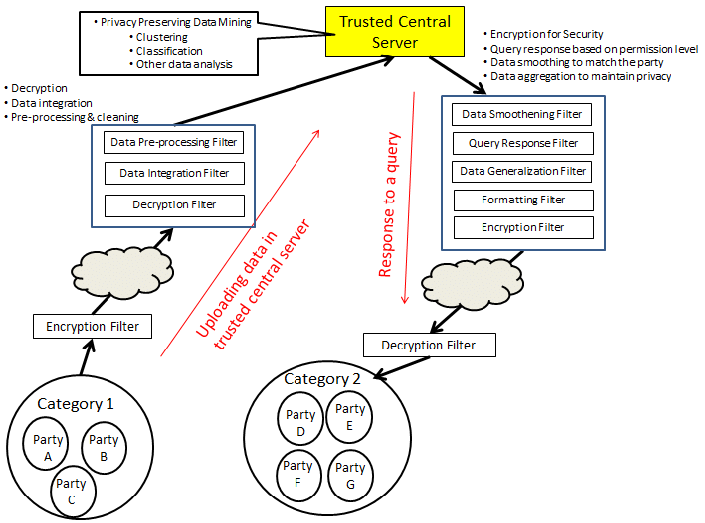
Balancing Protection and Free Speech
Another key debate centers on the balance between child safety and free speech rights. Opponents say age verification laws — even well-intentioned ones — can inadvertently restrict adults’ access to lawful material or set dangerous precedents for identity requirements online. Critics argue that parents, not governments, should govern how children use technology and that existing parental controls can often provide targeted safety without broad legal mandates.
As digital policymakers look at age assurance from multiple angles, some privacy and free speech advocates warn that structural shifts like this could become a slippery slope toward broader content gating or identification requirements across the internet.
What Happens Next: Legislative Review and Public Debate
Senate Bill 26-051 has already been introduced and assigned to the Senate Committee on Business, Labor, and Technology, with hearings scheduled for late February. Lawmakers will hear testimony from tech companies, civil liberties advocates, parents’ groups, and legal experts before moving forward.
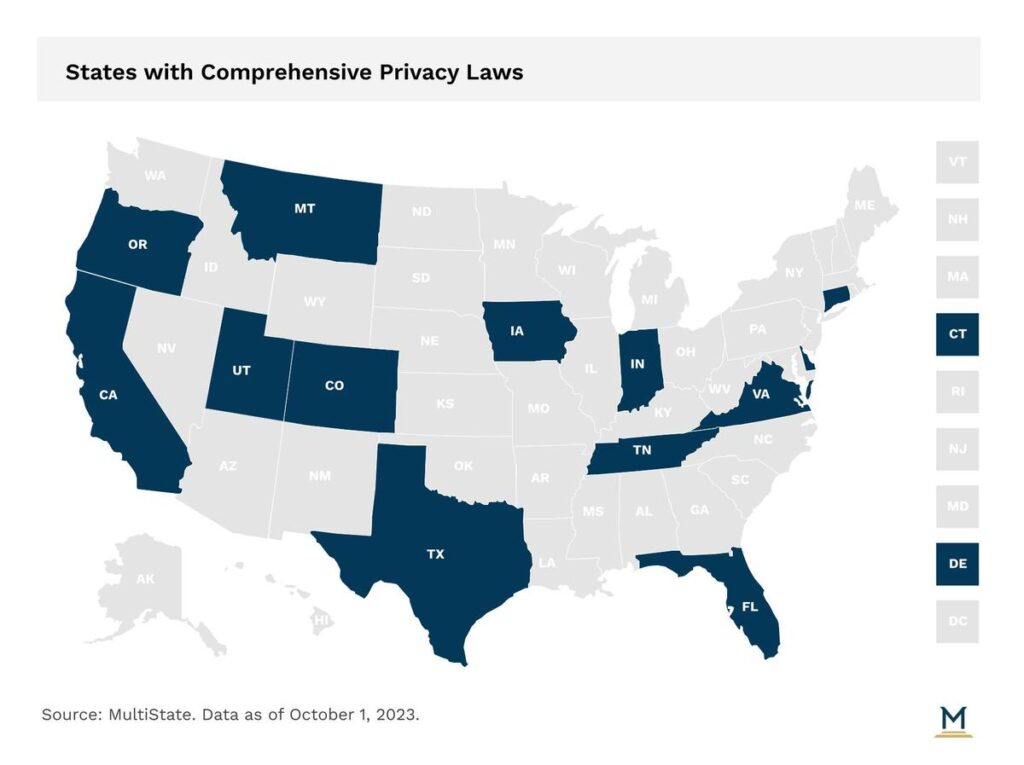
Even as debate continues, the broader national trend shows age verification policies proliferating across states, but with mixed results. Several states have implemented or proposed laws aimed at social media age checks, yet most are facing legal challenges or public pushback due to privacy and constitutional concerns.
The outcome of this bill could shape how policymakers approach digital child safety for years to come — and whether operating systems might one day be required to serve as age verification hubs nationwide.
Subscribe to trusted news sites like USnewsSphere.com for continuous updates.