
Discord is facing one of the most intense controversies in its history after announcing a global age verification system set to launch in March 2026, which has led to widespread user outrage and an exodus of Nitro subscribers. Discord’s massive user base is calling the company’s updated age verification policy disastrous, prompting cancellations and debates across social media platforms and spiking searches for alternatives.
In essence, Discord says the changes are designed to make the platform safer for teens and comply with growing regulatory pressure, but critics argue it’s overly intrusive, poorly communicated, and risks user privacy. Why this matters now: Millions of users depend on Discord for communication, community, and gaming, and this controversy could shift the balance of power in the chat platform ecosystem.
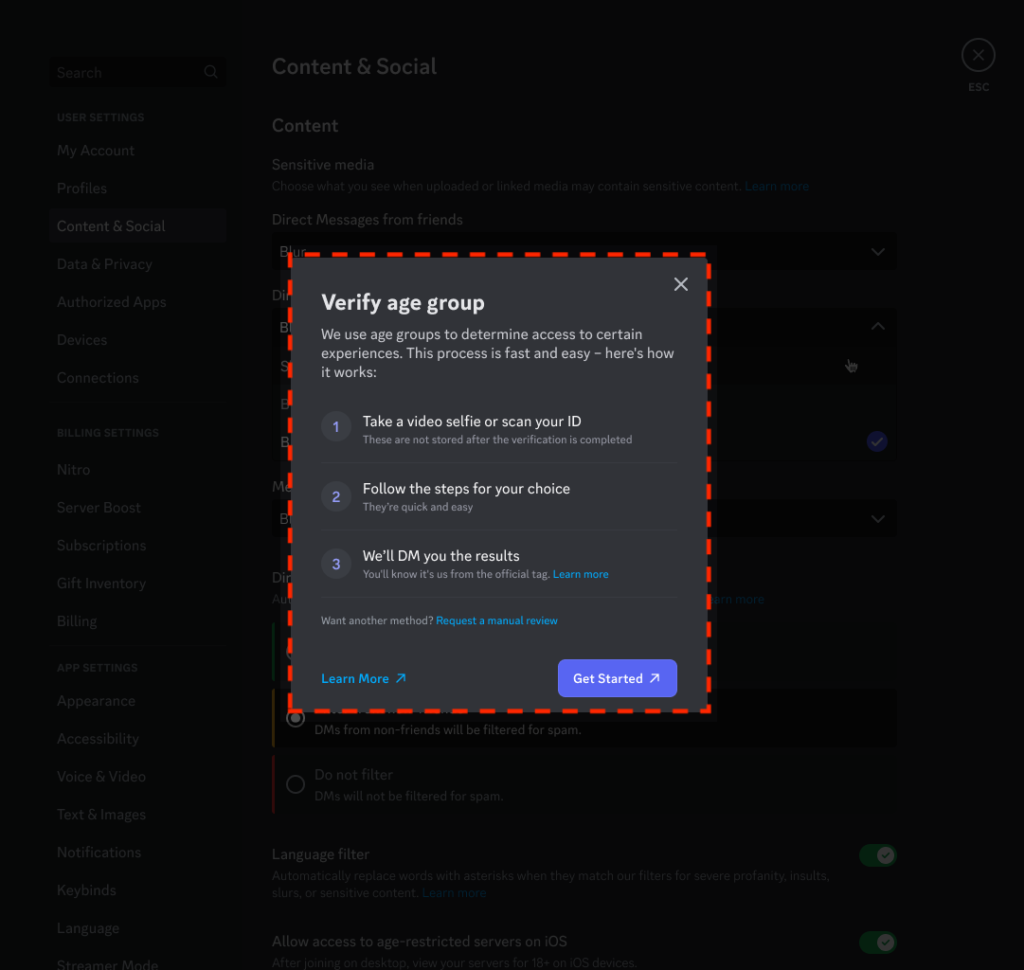
Discord’s New Age Verification — What It Is and What Changed
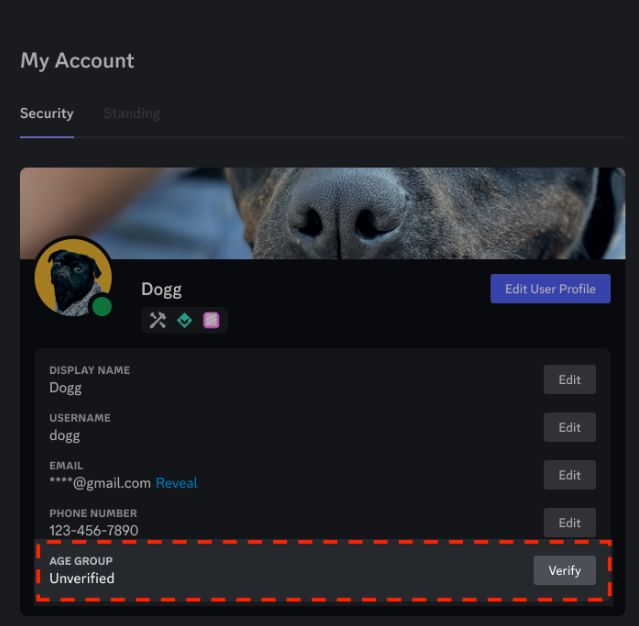
Discord’s updated policy, rolled out in a press release, reveals that starting March 2026, the platform will set every user’s account to “teen-by-default” unless age verification is completed. That means unless users confirm they’re adults, certain features — including access to age-restricted servers, unblurring of sensitive content, and modifications to communication settings — will be limited.
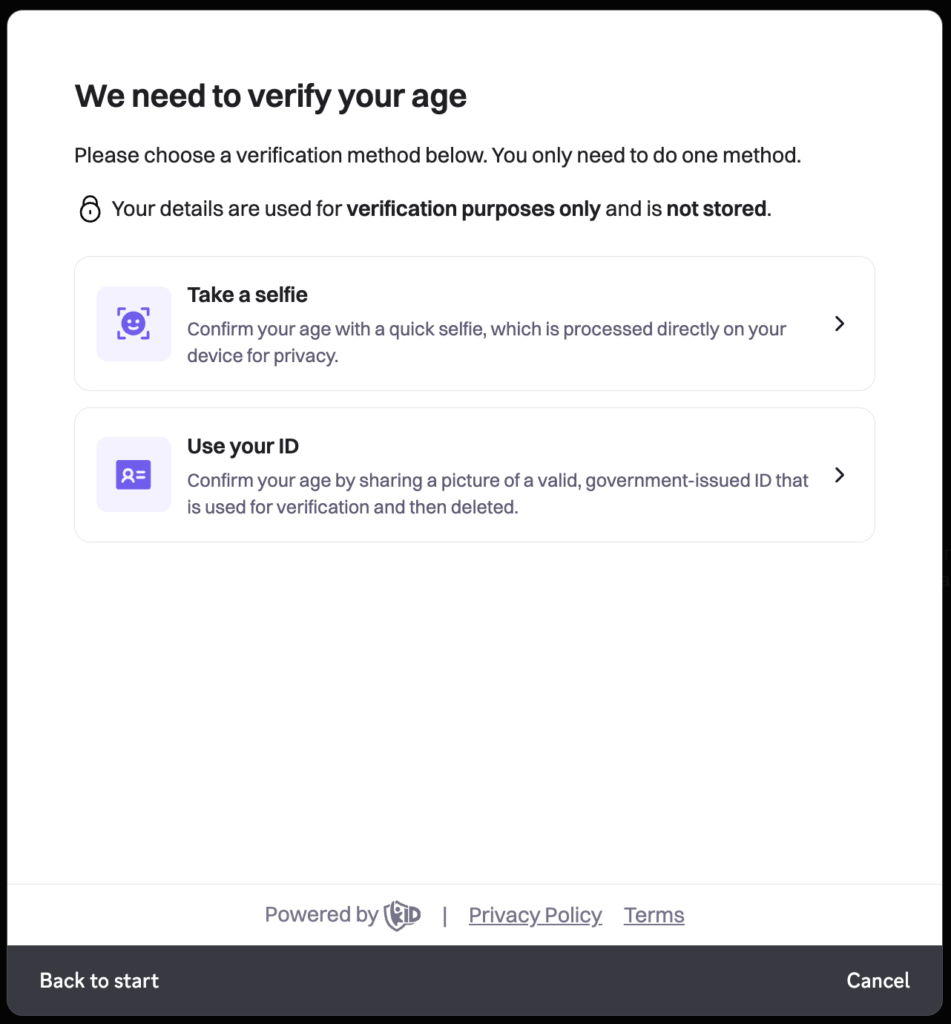
Originally, Discord’s age verification would have broadly required everyone to provide a face scan or government ID. After backlash, the company clarified that only users who want to access age-gated features or change certain settings will need to verify — and that verification may sometimes be done using an AI “age inference” model that doesn’t require uploading private documents for most people.
Still, many users remain skeptical. Discord says facial scans are processed on-device and IDs are deleted shortly after verification, but critics question whether intricate machine learning systems could pose unseen privacy risks.
User Backlash and Nitro Cancellations
The announcement triggered immediate pushback from Discord’s passionate community. Countless Nitro subscribers have reportedly canceled their subscriptions in protest, and online grassroots campaigns on platforms like Reddit and X (formerly Twitter) are encouraging others to do the same.
One reason the backlash is so intense is that users feel caught between privacy concerns and losing features they’ve paid for. Discord Nitro offers enhanced perks like custom emojis, server boosts, and higher-quality streaming — and by canceling, users are directly hitting Discord’s revenue stream.
Online reactions show many users believe the age verification push might even influence future business decisions, including Discord’s planned IPO, adding a financial angle to what initially seemed like a safety feature rollout. Public commentary hints that some see this move as prioritizing business interests over user trust.
Why This Matters Now: Privacy, Regulation, and User Trust
This controversy isn’t happening in isolation. Governments around the world — particularly in the UK and Australia — have been pushing platforms to tighten age verification to protect minors online. In some places, laws already require strict age checks, and platforms like Discord are trying to preempt legal consequences.
However, privacy watchdog groups and experts argue that forcing biometric or ID-based systems on millions of adults sets a worrying precedent. They argue that platforms can comply with safety regulations without adopting potentially intrusive verification that could be misused or mishandled.
It’s also worth noting that Discord was previously affected by a large data breach where thousands of scanned IDs were leaked from a partner service, leaving many understandably uneasy about any system involving sensitive personal data.
Migration to Other Platforms
As users become more frustrated, search interest for Discord alternatives has spiked. Platforms like Stoat (formerly Revolt) are reporting rapid influxes of new users — so many that some services have struggled to remain stable due to sudden demand.
These emerging platforms often emphasize privacy, customization, and freedom from intrusive verification, making them attractive to Discord users who feel betrayed or unheard. In some cases, users are vocal about preferring open-source and community-driven alternatives that don’t enforce age checks.
What Discord Is Saying
Discord isn’t backing down completely. The company insists its goal is to create a safer environment by default while giving most users a seamless experience without needing detailed verification. Official statements emphasize that the majority of users won’t encounter face scans or ID uploads unless necessary for age-restricted content.
Discord also highlighted privacy protections — facial scans are meant to be processed only on-device, and IDs are deleted after age is confirmed, not stored long-term. Still, for many users, this reassurance isn’t enough after data mishaps in the past.
What Comes Next for Users and the Platform
With the rollout date approaching fast, Discord faces a critical moment. The company must address community concerns or risk losing a sizable portion of its active users and paying subscribers. The tension between ensuring safety for younger users and respecting privacy for all users will likely continue to be a major talking point.
Ultimately, how Discord handles its communication, enforcement, and user trust in the coming weeks will shape the platform’s reputation in the long term — and could influence how other social and communication platforms approach age verification and privacy going forward.
Subscribe to trusted news sites like USnewsSphere.com for continuous updates.