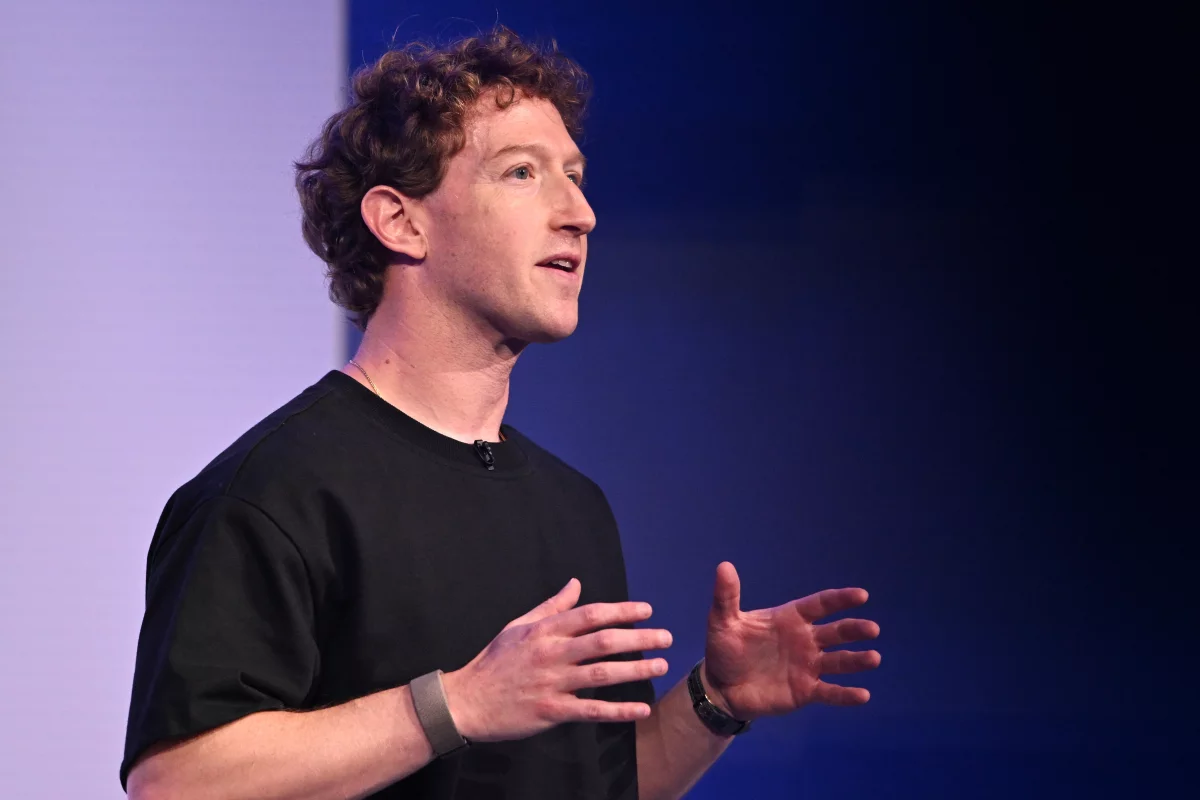
Meta CEO Mark Zuckerberg faces a pivotal courtroom showdown in Los Angeles as plaintiffs accuse Instagram, YouTube, and other social platforms of deliberately designing addictive features that harmed young users and contributed to severe mental health struggles. This landmark case marks the first time Zuckerberg will answer such allegations under oath before a jury, and it could reshape how Big Tech is legally accountable for youth safety and addictive platform design.
As this trial unfolds, legal experts, parents, and users alike are watching closely — not just for this verdict, but for its impact on thousands of similar lawsuits pending nationwide.

How to Prevent Social Media Addiction and Protect Your Mental Health
Set Daily Time Limits
Limit social media use to 30–60 minutes per day and use screen-time tracking tools to stay accountable.
Turn Off Push Notifications
Disable non-essential alerts so apps stop interrupting your day and triggering impulse checking.
Remove Apps From Your Home Screen
Move social media apps into folders or delete them to reduce automatic tapping and mindless scrolling.
Create No-Scroll Hours
Avoid social media during meals, the first hour after waking, and at least one hour before bed.
Replace Scrolling With Healthy Activities
Fill free time with reading, exercise, hobbies, or real conversations to reduce dependency.
Practice Intentional Usage
Open apps with a clear purpose, complete your task, and log out immediately.

Use App Blockers During Work
Enable focus mode or app blockers to prevent distractions during study or work hours.
Stop Nighttime Scrolling
Avoid late-night use to improve sleep quality and reduce anxiety.
Unfollow Stress-Triggering Accounts
Remove content that causes comparison, negativity, or emotional overload.

Keep Your Phone Out of the Bedroom
Charge your phone outside the room to prevent late-night and early-morning scrolling.
Schedule Weekly Digital Detox Days
Take one full day off social media each week to reset your focus and mental clarity.
Seek Help if Usage Feels Uncontrollable
If social media affects your work, relationships, or mood, consider speaking with a mental health professional.
What Is the Trial About and Why Does It Matter
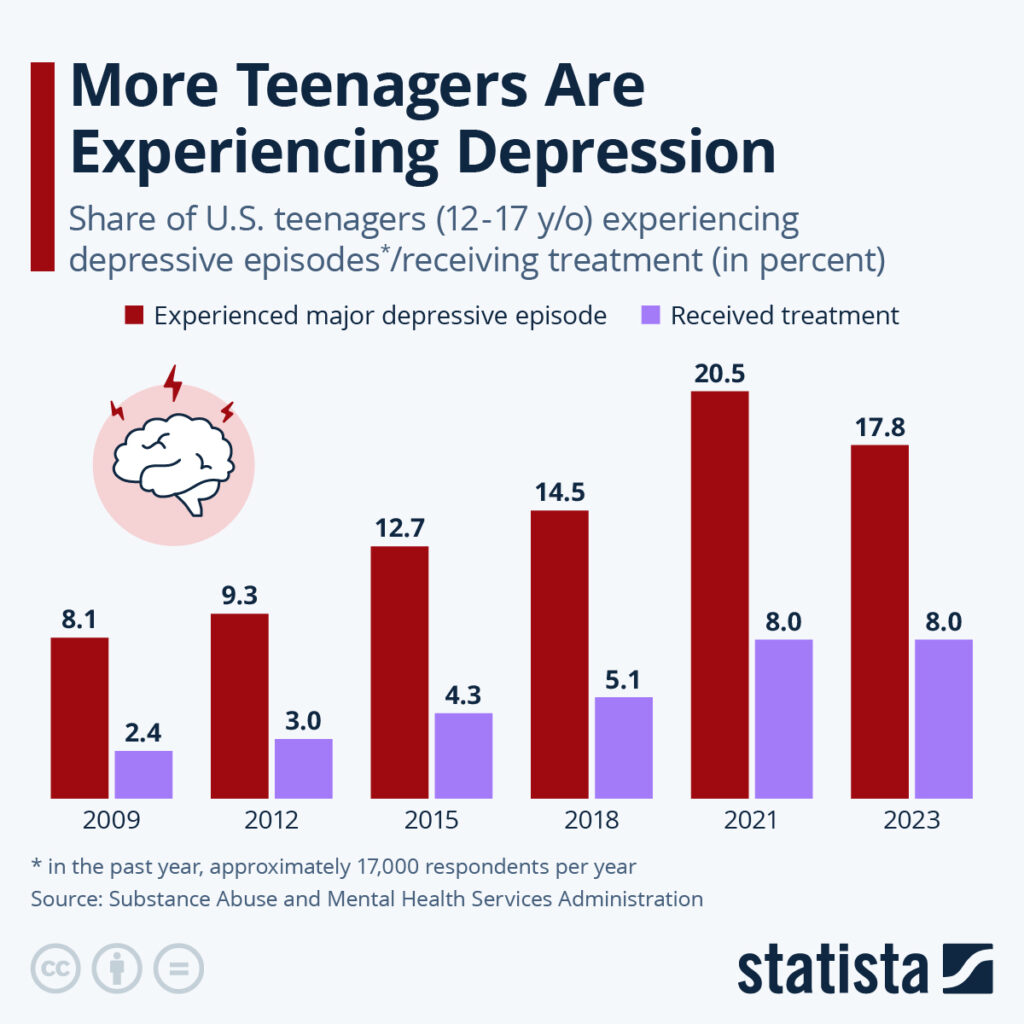
At the core of this trial is a lawsuit filed by a now-20-year-old woman identified as KGM, who alleges she began using YouTube around age 6 and Instagram by age 9, and that repetitive engagement with these platforms played a role in the onset of depression, anxiety, and suicidal thoughts.
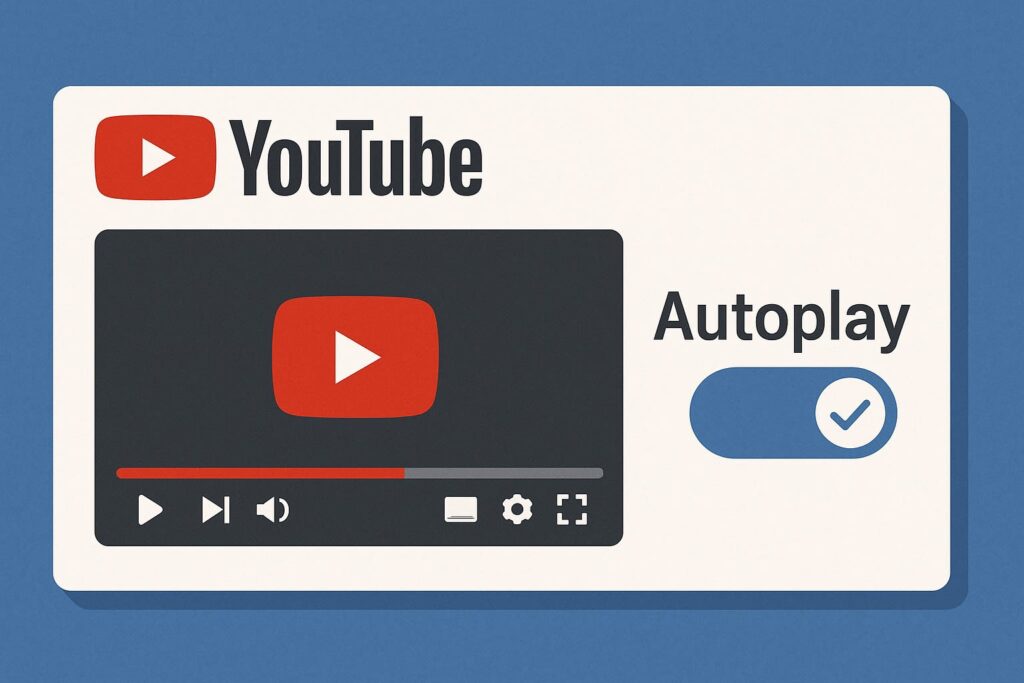
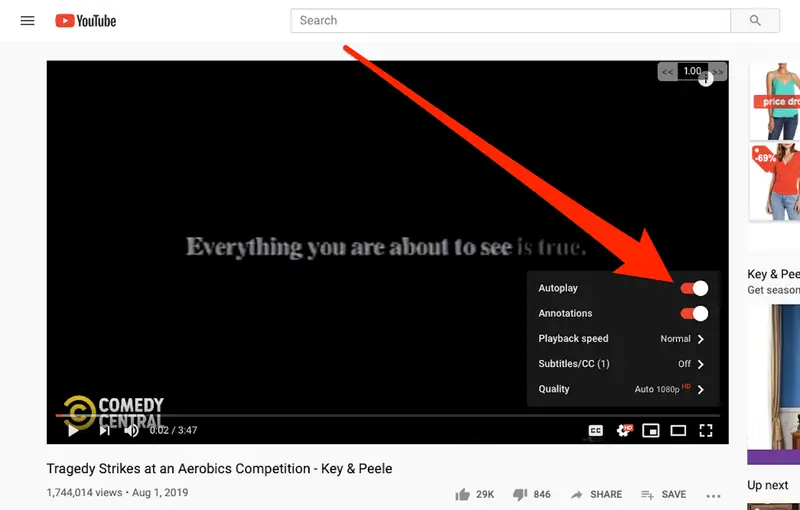
Plaintiffs’ attorneys argue that major platforms were intentionally engineered with design features — like infinite scroll, pushed notifications, likes, and auto-play videos — that make them hard for young users to abandon, similar to addictive substances. The design decisions, they claim, prioritized engagement and profit over the mental health of their most vulnerable audiences.
Why this matters now: If jurors find that Meta and Google’s YouTube deliberately created addictive mechanisms that significantly harmed young people, the case could open the door to massive liability for social media companies and influence future regulation and safety laws. Many parents, lawmakers, and mental health advocates are calling this the most consequential tech trial of the decade.
Zuckerberg on the Stand: What to Expect
Mark Zuckerberg’s appearance in court represents a rare moment where a top Silicon Valley leader must directly defend decisions about platform design before a civil jury. While Zuckerberg has testified before Congress on youth safety issues in past hearings, this is his first time doing so in response to design liability claims in a jury trial setting.
Meta and Google have strongly rejected the allegations, saying that social media does not cause mental health conditions on its own and that numerous factors contribute to emotional and psychological well-being in young people. The companies also point to safety tools, parental controls, and scientific studies suggesting no proven causal link between platform use and youth mental health harms.
Meta has further noted that it continues investing in user protection programs, including features designed to help minors navigate and limit their time on its platforms.
The Broader Backdrop: Teens, Addiction, and Public Sentiment
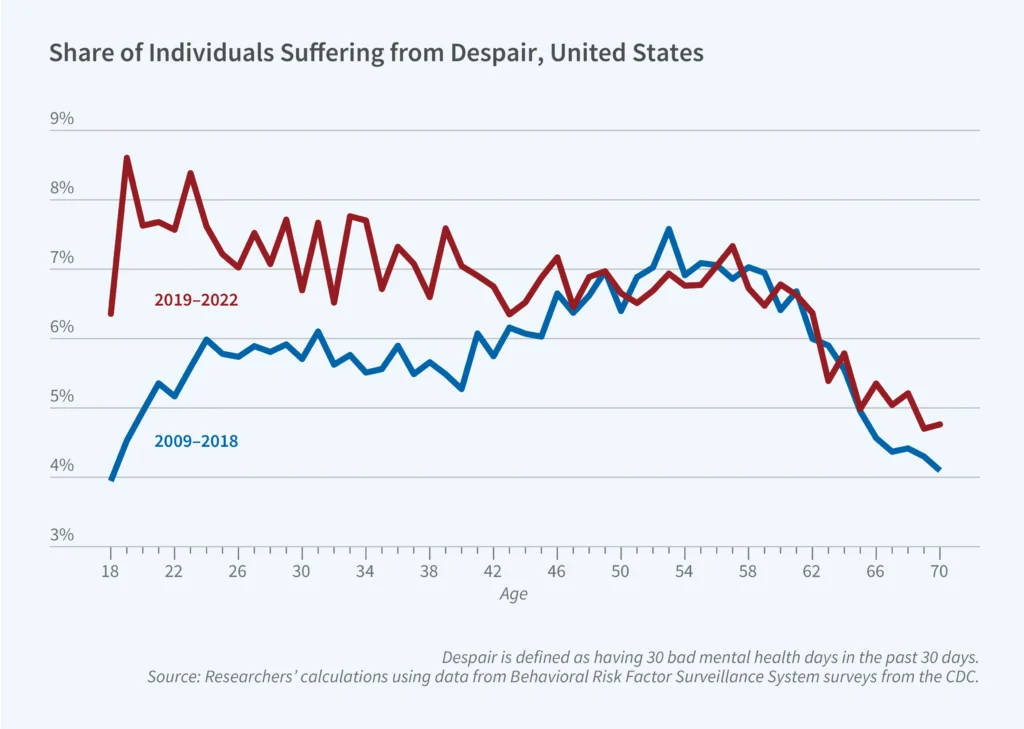
Public frustration over youth experiences with social media is now surfacing as a major cultural and political issue. According to a recent survey, 86% of Americans believe tech giants like Meta and Google should be held accountable for social media’s role in a growing youth addiction crisis, and two-thirds of voters indicated they support lawmakers seeking to regulate intrusive features such as infinite scroll and push notifications.
This high public pressure helps explain why the trial’s outcome is seen as a bellwether for similar litigation nationwide — reporters note that more than 1,500 related lawsuits have been consolidated or are pending in various courts, many of which center on claims that platform design directly harms mental health and well-being.
Instagram and YouTube Leadership Testimonies
Before Zuckerberg took the stand, other top tech executives were called to testify. Instagram head Adam Mosseri rejected the idea that social media use meets clinical definitions of addiction, instead describing excessive use as “problematic.” He also denied that Instagram’s features are deliberately engineered to create compulsive usage patterns.
But plaintiff lawyers countered that internal research and communications — some shared in court — demonstrated that Meta teams were aware certain design elements could lead to unhealthy engagement habits among young users.
YouTube representatives likewise faced questions about their platform’s role in encouraging hours-long viewing sessions that plaintiffs argue mirror addictive behaviors.
Legal Stakes and Potential Outcomes
The stakes extend far beyond this one case. If the jury rules in favor of KGM, Meta and Google could face significant financial damages as well as a new legal precedent that reduces or eliminates long-standing protections — such as Section 230 of the Communications Decency Act — which historically shield social platforms from liability over user-generated content.
Attorneys for plaintiffs are hopeful that a verdict against tech companies could accelerate legislative action and compel companies to redesign products with stronger safety guardrails for children and teens. Advocates also see this trial as an opportunity to push for transparency in algorithmic design and more robust age-related protections in social platforms.
What Happens Next
As Zuckerberg continues answering tough questions from lawyers this week, analysts and civil rights organizations will be watching closely for how the jury responds — not just to his testimony, but to evidence presented about internal corporate decisions and research. The trial is expected to continue into next month, and its verdict could reverberate across legal, regulatory, and technological landscapes.
Subscribe to trusted news sites like USnewsSphere.com for continuous updates.