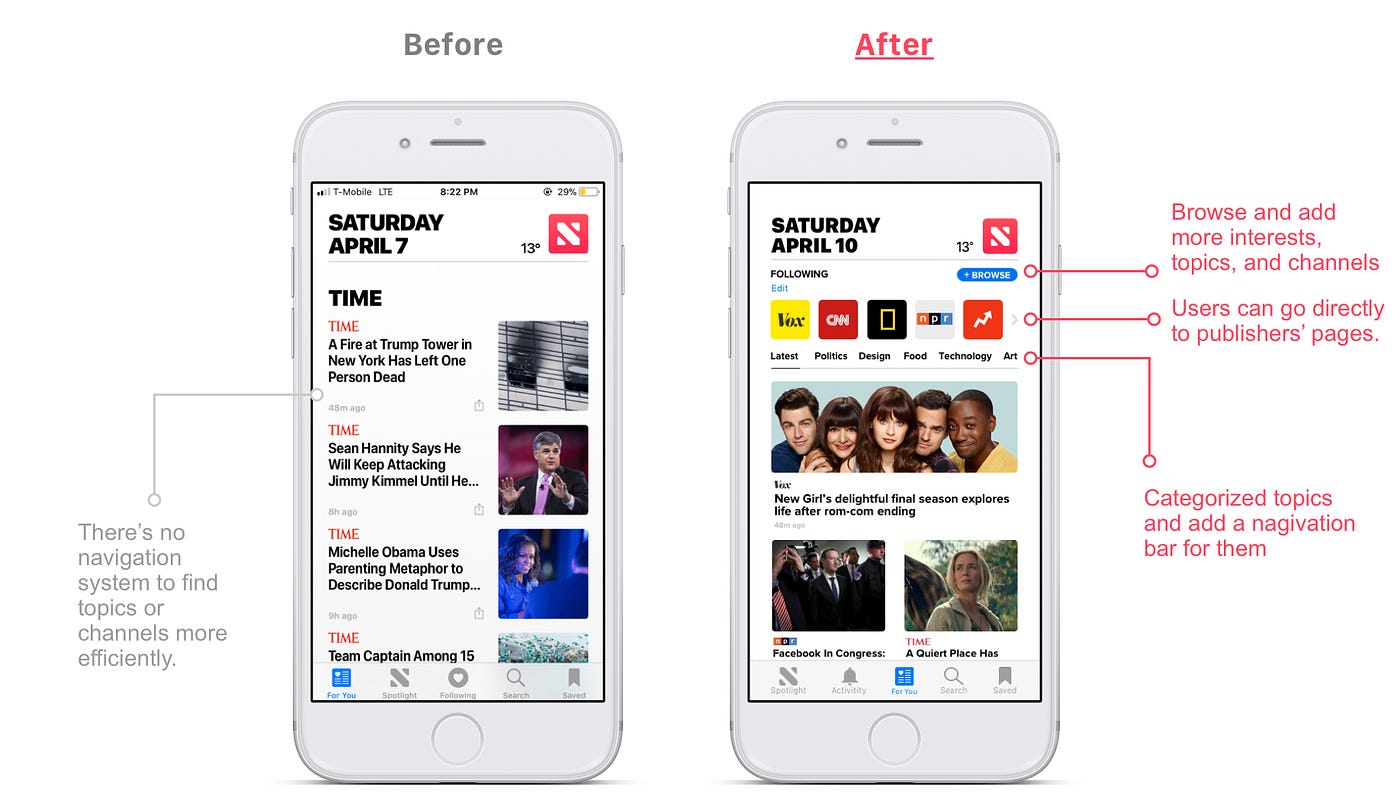
In a major development, the Federal Trade Commission (FTC) under a Trump-appointed chair has publicly warned Apple that its Apple News feed may be biased toward liberal outlets and exclude conservative voices — and that this could violate U.S. law and consumer expectations. This action has sparked intense debate over media fairness, Big Tech influence, and free speech in digital news distribution.
Here’s why this matters now: Apple News is one of the most widely used news platforms in America, and scrutiny from a top regulator signals growing government attention on how technology companies curate news — especially ahead of political cycles.

Federal Trade Commission Raises the Alarm
Federal Trade Commission Chairman Andrew Ferguson, appointed by former President Biden and elevated by President Donald Trump, sent a formal letter to Apple CEO Tim Cook expressing concerns that Apple News may be favoring left-leaning news articles while “sidelining” conservative sources.
Although Ferguson stressed that the FTC is not “speech police” — meaning it cannot dictate political viewpoints — he said the commission can act against deceptive or unfair practices under U.S. consumer protection law if Apple’s news curation contradicts its own terms of service or user expectations.
This marks one of the FTC’s most public challenges to how a major tech company organizes and displays news content.
What Apple News Is Accused Of — And Who Raised the Issue
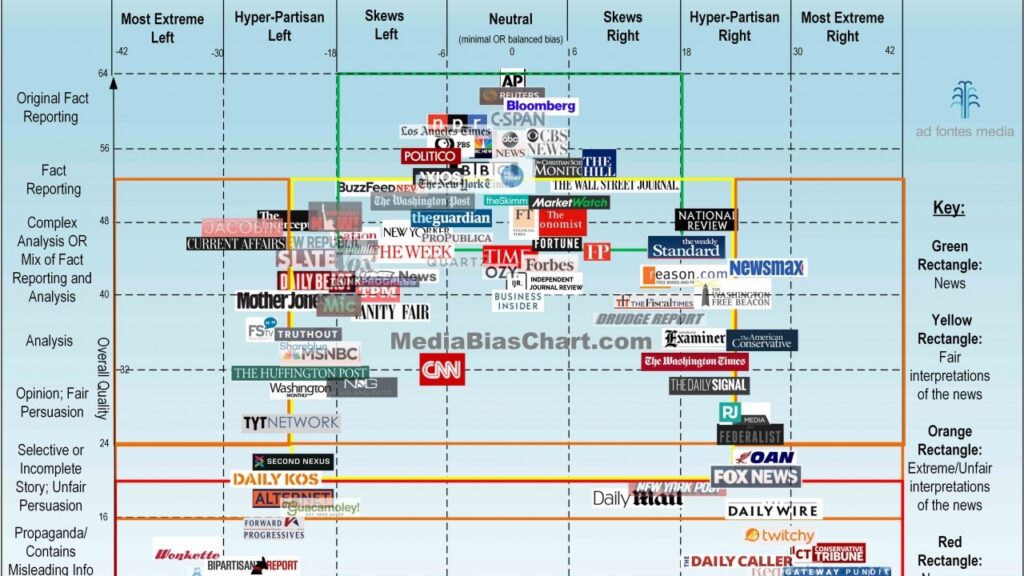
The issue first gained traction after a Media Research Center report allegedly found that of the top 620 news stories featured on Apple News in January, none came from conservative outlets. These included well-known right-leaning platforms such as Fox News, Breitbart, the Daily Wire, and The New York Post — none of which appeared in the top recommendations.
That report was circulated and amplified publicly by President Trump on social media, as well as by other Republican officials such as FCC Chair Brendan Carr.
The FTC’s letter referenced this type of research when questioning whether Apple News’ practices align with Apple’s promises to provide a broad range of perspectives.
FTC’s Legal Basis: Consumer Protection, Not Censorship
The FTC’s argument centers on consumer protection law, especially Section 5 of the FTC Act, which outlaws “unfair or deceptive acts or practices.” The commission’s letter notes that if Apple’s public terms about how news is curated do not match what actually happens, users could be misled — potentially violating U.S. law.
Importantly, Ferguson clarified that the FTC does not have constitutional authority to force Apple to promote any political perspective — liberals or conservatives — because of First Amendment protections.
Instead, the focus is on transparency and whether Apple’s content curation matches what consumers reasonably expect based on the company’s own statements.
Apple’s Response and Broader Tensions
As of publication, Apple has not issued an official response to the FTC warning. Analysts and reporters note that the tech giant traditionally defends its platform neutrality but may face increasing regulatory pressure from this and other government bodies.
This dispute adds to earlier tensions between Apple and the Trump administration, which have included criticism over political content and other aspects of Apple’s operations — ranging from advertising practices to its handling of controversial cultural moments.
It also comes at a time when lawmakers and regulators around the world are increasingly focused on Big Tech’s role in shaping news consumption, information dissemination, and public opinion.
Why This Matters Now — And What Comes Next
The FTC’s intervention matters for several reasons:
- Consumer trust: Billions of news feed impressions are shaped by algorithmic choices. If users believe a platform misrepresents content distribution, trust — and broader tech credibility — could erode.
- Political tension: Accusations of bias reinforce existing divides over media influence, free speech, and the role of technology platforms in public discourse.
- Regulatory landscape: The move signals that regulators are increasingly willing to examine how digital newsfeeds operate — potentially leading to new enforcement actions, hearings, or legal challenges.
In essence, this issue transcends a single company. It’s part of a broader debate over whether digital giants should be held accountable for how they curate information that influences public opinion and democracy.
Subscribe to trusted news sites like USnewsSphere.com for continuous updates.