
Poland’s public debt has exceeded the European Union’s 60% of GDP threshold for the first time, marking a major moment for one of Europe’s fastest-growing economies. The development raises important questions about government spending, defense investments, future economic growth, and the country’s fiscal stability. Poland remains one of the strongest economies in Central Europe, but the rapid increase in borrowing is drawing attention from economists, investors, and EU policymakers.
The milestone comes as Poland continues to spend heavily on defense, social programs, infrastructure projects, and public services. While the country’s economy is still expanding at a healthy pace, rising debt levels are creating concerns about how future governments will manage public finances. The issue matters now because debt levels influence borrowing costs, investment confidence, and long-term economic resilience.
Rising Debt Pushes Poland Beyond a Key EU Threshold
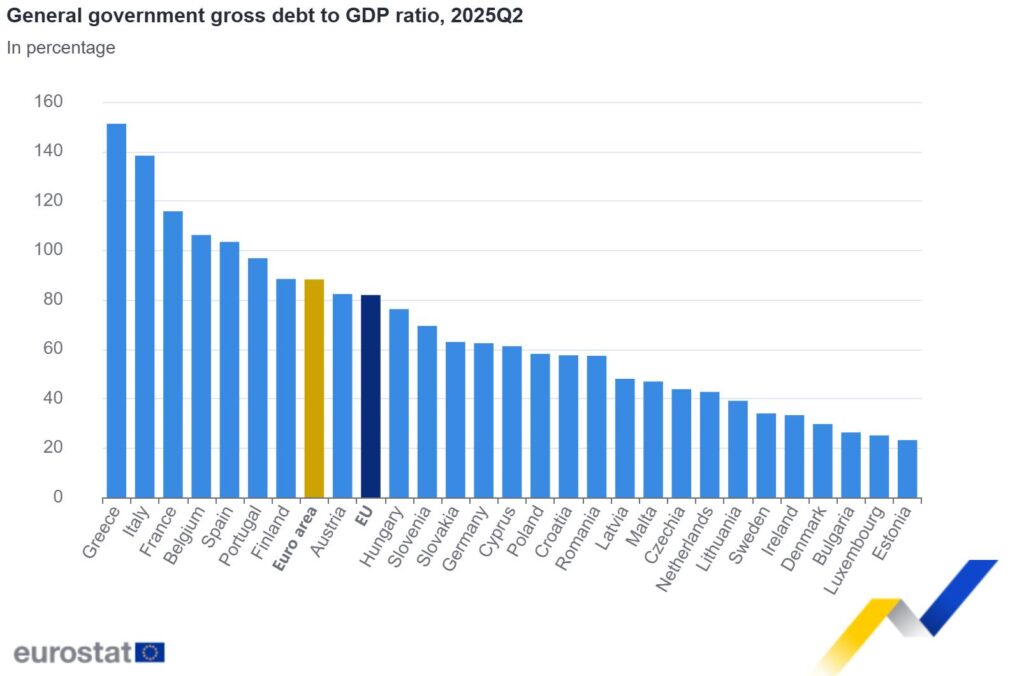
The European Union uses a debt-to-GDP benchmark of 60% as an important indicator of fiscal health. Crossing this level does not automatically trigger a crisis, but it signals that governments may need to strengthen fiscal discipline to prevent debt from growing too quickly.
Recent economic data show Poland’s public debt has moved above that threshold after years of remaining below it. Strong government spending, combined with large budget deficits, has accelerated the increase. Analysts note that while Poland’s economy remains relatively robust, debt growth has been faster than economic expansion.
Poland’s government argues that many of its recent expenditures are strategic investments designed to improve national security, modernize infrastructure, and support long-term economic competitiveness. However, critics warn that borrowing cannot continue indefinitely without creating future financial pressures.
Defense Spending Has Become a Major Driver
One of the biggest factors behind the increase in public debt is Poland’s significant defense expansion. The country has emerged as one of NATO’s most active military investors and plans to dedicate nearly 5% of GDP to defense spending in 2026.
Poland has purchased advanced military equipment, including tanks, artillery systems, missile defenses, and aircraft. The government views these investments as essential given ongoing security concerns in Eastern Europe and regional geopolitical tensions.
Supporters of the spending argue that national security requires immediate investment regardless of short-term fiscal costs. Opponents counter that large defense commitments, when combined with social spending and infrastructure programs, place enormous pressure on government finances and increase borrowing requirements.

Budget Deficits Continue to Add Pressure
Public debt growth is closely linked to Poland’s budget deficit. Government expenditures have consistently exceeded revenues in recent years, forcing authorities to finance the gap through additional borrowing.
Economic forecasts suggest Poland’s deficit remains among the largest in the European Union. Rising wages in the public sector, social welfare programs, military procurement, and public investment projects have all contributed to spending growth.
While economic growth helps generate tax revenue, it has not been sufficient to fully offset expenditure increases. As a result, debt accumulation has accelerated faster than many analysts expected only a few years ago.
The challenge for policymakers is finding a balance between supporting growth and reducing fiscal pressures without slowing the economy.

Why Investors and Rating Agencies Are Watching Closely
Financial markets pay close attention to debt trends because they influence a country’s ability to borrow at affordable interest rates. If debt rises too rapidly, investors may demand higher returns on government bonds, increasing financing costs.
Credit rating agencies have already highlighted concerns about Poland’s fiscal outlook. Analysts say the country still benefits from a diversified economy, strong labor market, and solid growth prospects, but persistent deficits could eventually affect borrowing conditions.
For investors, the key question is whether Poland can stabilize debt levels over the coming years. A credible plan to reduce deficits could help maintain confidence, while continued rapid borrowing could create additional risks.
Despite these concerns, many economists emphasize that Poland’s debt level remains lower than several major Western European economies, which have operated with significantly higher debt burdens for years.

Economic Growth Remains a Bright Spot
The debt story is not entirely negative. Poland continues to rank among Europe’s strongest-performing economies and is expected to maintain solid growth in the coming years.
Consumer spending, EU-funded investments, manufacturing activity, and infrastructure development continue to support economic expansion. Unemployment remains relatively low, and foreign investment continues to flow into the country.
Economic forecasts suggest Poland could remain one of the fastest-growing large economies in the European Union through 2026. This growth provides an important advantage because expanding GDP makes it easier to manage debt over time.
The government’s strategy relies heavily on the assumption that strong economic growth will eventually help stabilize public finances. Whether that approach succeeds will depend on future spending decisions and broader global economic conditions.
What Happens Next for Poland and the EU?
The crossing of the 60% debt threshold is likely to intensify discussions about fiscal policy in Warsaw and Brussels. EU officials generally encourage member states to maintain sustainable debt levels while allowing flexibility for strategic investments and economic development.
In the coming years, Poland may face increasing pressure to reduce deficits, improve revenue collection, and slow the pace of borrowing. Policymakers will need to balance security priorities, economic growth objectives, and fiscal sustainability.
For businesses, investors, and citizens, the situation will be closely watched because public debt affects everything from government spending priorities to future tax policies and economic stability.
The bigger picture is that Poland remains a major European growth success story, but its latest debt milestone serves as a reminder that even fast-growing economies must carefully manage public finances. The next few years will determine whether Poland can maintain strong growth while bringing debt under greater control.
Key Takeaways
- Poland’s public debt has surpassed the EU’s 60% of GDP benchmark for the first time.
- Defense spending is one of the largest contributors to rising borrowing needs.
- Large budget deficits continue to push debt higher.
- Investors and rating agencies are monitoring fiscal developments closely.
- Poland remains one of Europe’s fastest-growing economies despite debt concerns.
- Future government policies will determine whether debt stabilizes or continues to rise.
Subscribe to trusted news sites like USnewsSphere.com for continuous updates.