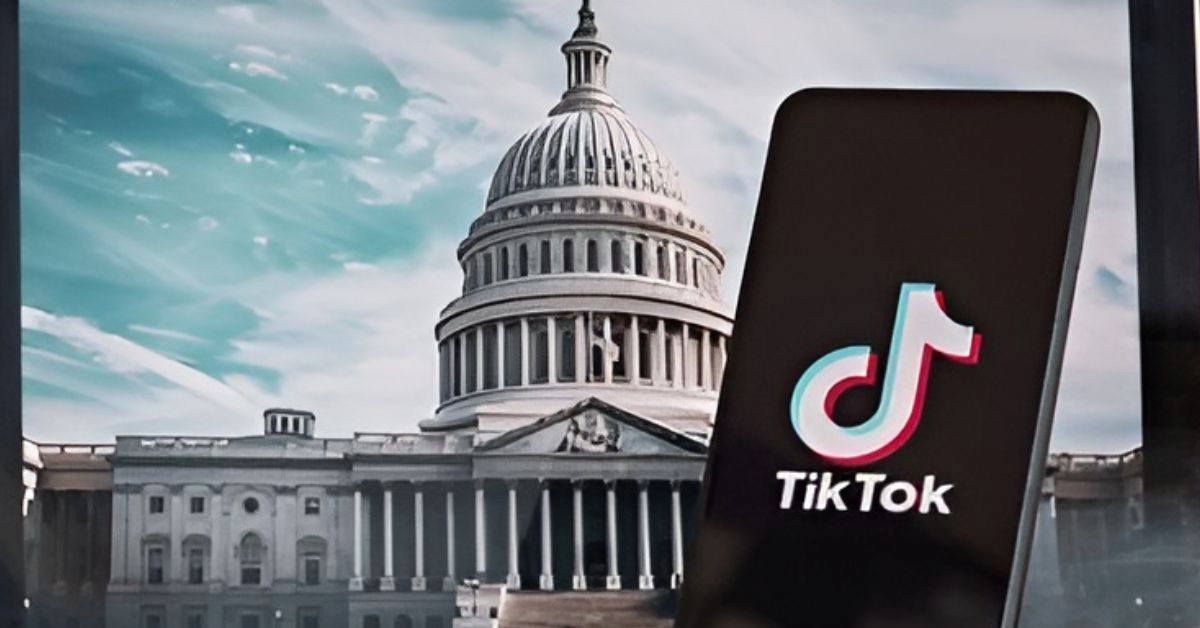
TikTok uninstalls have surged dramatically across the United States app stores as American users react to the platform’s recent transition into majority U.S. ownership — a change intended to save the service from regulatory bans. Within five days of the announcement, daily uninstall rates jumped nearly 150% compared with recent months, highlighting growing concerns about privacy, content control, and trust in the platform’s future direction. This trend matters now because it reveals how user sentiment and market reactions can decisively shape the future of a global social media giant in a politically charged environment.
What Triggered the 150% Surge in TikTok Uninstalls
Following TikTok’s shift to a U.S. majority-owned structure — a move designed to avoid a federal shutdown — users began deleting the app at an accelerated rate. According to respected market app analytics, uninstall rates have spiked as much as 150% in the five days after the takeover announcement vs the prior three-month average.
The surge doesn’t reflect just a casual trend. Many users shared their decision online, citing dissatisfaction with updated privacy language, fear of content monitoring, and a loss of trust in the platform’s direction. Some even pointed to the alarm raised when TikTok asked users to accept privacy language listing sensitive personal data collection categories such as “citizenship or immigration status” and “racial or ethnic origin.” Although this language existed previously, its reappearance during the takeover amplified anxieties among the user base.
This backlash has also been accentuated by technical malfunctions — including glitchy feeds, failed uploads, and temporary service interruptions — which many users experienced in the initial days of the transition.
Why Users Are Deleting TikTok: Trust, Privacy & Politics
Critically, the uninstall surge is not just about numbers — it’s about perception. The takeover was meant to secure TikTok’s future in the U.S., but many users interpreted the ownership shift as a potential threat to how their data is handled and what content can be posted or seen.
Creators and influencers — some with millions of followers — openly questioned how the platform’s algorithm and content moderation would evolve under majority U.S. control. Uncertainty around these policies has shaken confidence among people who rely on TikTok as a creative, social, and professional tool.
Political concerns have also fed into the backlash. Reports of perceived suppression of content related to topics like federal immigration raids, political figures, and contentious world events have led to accusations of censorship — though TikTok attributes glitches to technical problems and denies intentional suppression.
Alternatives Gaining Ground as Users Defect
As TikTok experiences churn, several alternative social platforms have recorded significant growth in downloads:
- UpScrolled — a platform blending short videos with open discussion features — saw U.S. downloads climb more than tenfold compared to earlier weekly averages.
- Skylight Social jumped by nearly 919% in downloads as some users explore new communities and content formats.
- RedNote (also known as Xiaohongshu) and similar apps saw double-digit growth, emphasizing lifestyle and creative expression options.
Although none of these can match TikTok’s global scale yet, their rising popularity underscores an important shift: users are actively looking for alternatives when trust erodes in a mainstream platform.
Impact on Creators, Marketers, and the Digital Ecosystem
From a business perspective, the uninstall surge doesn’t immediately spell a collapse for TikTok — active usage levels remain relatively stable so far, suggesting that many users remain engaged even as others depart.
However, the implications are serious:
- Creators may reconsider how they distribute content if uncertainties persist.
- Advertisers and brands will closely observe engagement metrics before committing future budgets.
- Market analysts warn that prolonged trust issues could accelerate the shift toward rival platforms.
This event highlights a broader risk in the social media world: a popular app’s brand and reach can be significantly undermined by user perceptions about privacy and control.
Where TikTok Goes From Here
TikTok’s new leadership and U.S. venture partners are striving to stabilize infrastructure, clarify policy updates, and reassure users. But this early turbulence — uninstalls and backlash included — could serve as a long-term case study in digital trust challenges when a platform undergoes a major transformation.
For now, TikTok still retains a massive audience in the U.S. and globally. But the sudden surge in uninstalls, combined with vocal criticism from creators and rising interest in alternatives, signals a turning point in how users evaluate the platforms they choose to engage with daily.
Subscribe to trusted news sites like USnewsSphere.com for continuous updates.