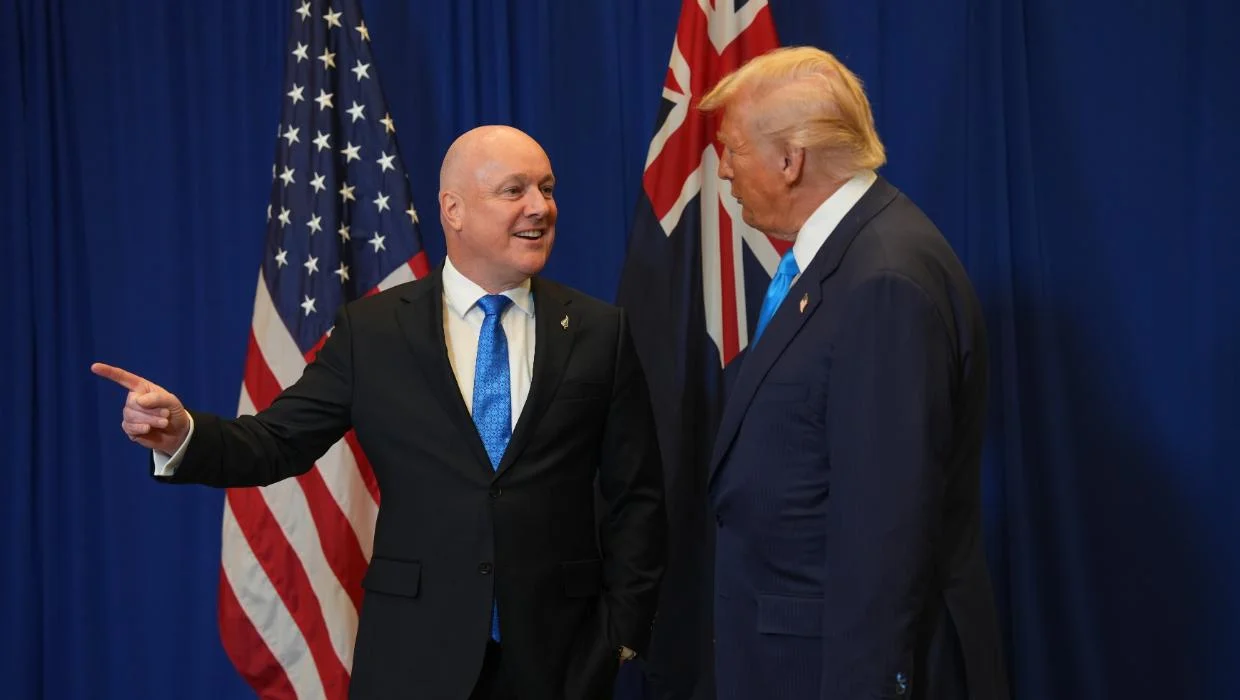
New Zealand declines Donald Trump’s Gaza board invite as Wellington distances itself from a proposed U.S.-backed initiative aimed at shaping post-war governance and peace efforts in Gaza, citing diplomatic neutrality, international law, and regional sensitivity.
Within days of the invitation becoming public, New Zealand officials confirmed the country would not participate, emphasizing its long-standing commitment to multilateral diplomacy rather than ad-hoc political boards. The decision quickly drew international attention as governments weigh how closely to align with new power-driven peace frameworks emerging amid the ongoing Gaza conflict.
Who: New Zealand government
What: Declined invitation to join a Gaza peace board
Why: Concerns over neutrality, legitimacy, and process
Impact: Signals diplomatic caution and global hesitation
Why this matters now: Gaza’s future governance is becoming a defining global issue in 2025
What the Gaza Peace Board Proposal Involved
The proposed Gaza peace board was reportedly designed to advise on reconstruction, security oversight, and post-conflict administration in Gaza following extensive devastation and a humanitarian crisis. The concept was associated with former U.S. President Donald Trump, whose foreign policy legacy continues to influence Republican-aligned international initiatives.
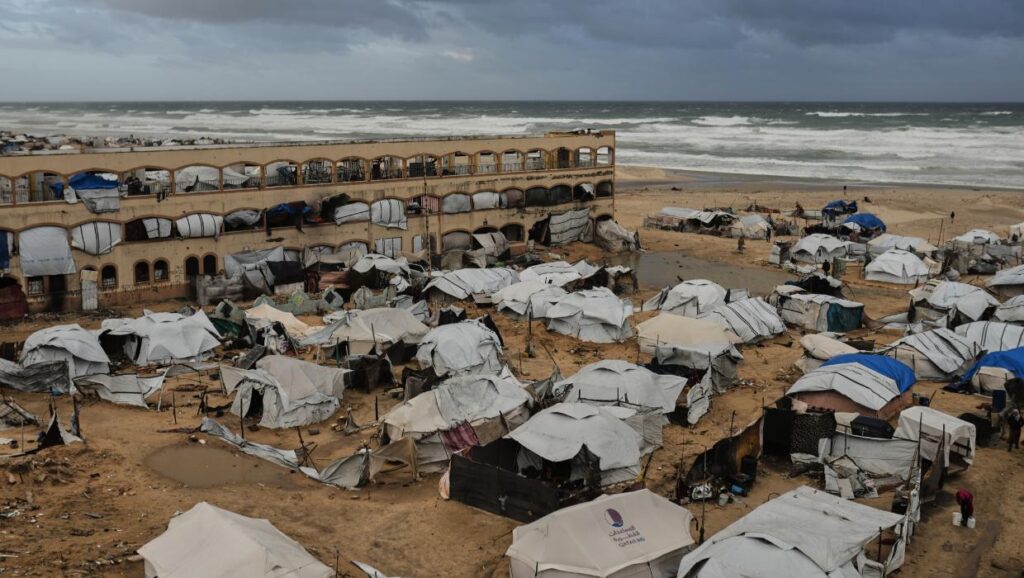
According to officials familiar with the discussions, the board would include select nations viewed as strategic or politically aligned, rather than operating under established global institutions. This structure raised immediate questions among diplomats about transparency, legitimacy, and whether such a body could gain acceptance from Palestinians or the wider Middle East.
Why New Zealand Rejected the Invitation
New Zealand’s government made it clear that any engagement related to Gaza must be rooted in recognized international frameworks. Officials stressed that peace efforts should be led through multilateral institutions, particularly the United Nations, rather than politically initiated advisory groups.
Another key factor was New Zealand’s diplomatic stance on conflict mediation. Wellington has historically positioned itself as a neutral actor, favoring humanitarian support and international law over political alignment. Joining a selectively formed board risked undermining that reputation and could complicate relationships across the Middle East and Asia-Pacific regions.
The Global Reaction and Diplomatic Context
New Zealand is not alone in its hesitation. Several countries are reportedly reviewing similar invitations cautiously, reflecting broader discomfort with non-UN peace mechanisms. Analysts note that governments fear participation could be interpreted as endorsing one-sided political narratives around Gaza’s future.
The situation also highlights divisions within Western diplomacy. While some policymakers argue that faster, smaller coalitions can break deadlocks, others warn that bypassing established institutions may deepen mistrust. For smaller nations like New Zealand, credibility in global diplomacy often depends on consistency and restraint.
Why This Decision Matters Now
Gaza remains at the center of one of the world’s most volatile geopolitical crises. Reconstruction, governance, and security decisions made in 2025 could shape regional stability for decades. New Zealand’s refusal underscores a growing international concern that rushed political solutions may worsen long-term outcomes.
This moment matters because it reveals how countries are recalibrating their roles in global conflicts. Rather than chasing influence, some nations are prioritizing process, legitimacy, and humanitarian principles. That approach may slow decision-making, but supporters argue it leads to a more durable peace.
What This Means for Gaza’s Future Governance
The rejection of the board proposal raises questions about who will ultimately guide Gaza’s recovery. Many experts believe any sustainable plan must involve Palestinian leadership, regional stakeholders, and internationally recognized bodies working together.
Without broad participation, alternative peace boards risk being viewed as symbolic rather than effective. New Zealand’s stance reinforces the idea that legitimacy cannot be imposed—it must be built through inclusive and widely accepted processes, especially in conflict zones with deep historical grievances.
The Bigger Picture for International Diplomacy
Beyond Gaza, this episode reflects a wider shift in how countries respond to power-centric diplomacy. Governments are increasingly cautious about initiatives tied to individual political figures rather than institutions. The New Zealand decision sends a message that credibility, not speed, is becoming the currency of modern diplomacy.
As global conflicts grow more complex, the tension between pragmatic action and principled process will continue. New Zealand’s response suggests that, for some nations, protecting diplomatic integrity is worth saying no—even when invited to the table.
Subscribe to trusted news sites like USnewsSphere.com for continuous updates.