
The Democratic National Committee’s internal 2024 election autopsy reveals that Kamala Harris’ position on the Gaza war and Israel was a net negative, costing crucial support among young and progressive voters and contributing to her defeat of Donald Trump. This finding is at the heart of one of the most consequential and controversial political analyses in recent U.S. history, and it was kept secret because of concerns about internal discord.
This matters now because the Democratic Party faces critical midterm elections and questions about who its voters are and what issues resonate with them. The report’s conclusions — especially regarding foreign policy — have deep implications for Democratic strategy in future contests.
Growing divisions within the Democratic Party and among voters mean that how leaders navigate hot-button topics — like Gaza and U.S. foreign policy — could determine whether they remain competitive in national elections, including the 2026 midterms and the future 2028 presidential race.

How the DNC Autopsy Tied Foreign Policy to Election Outcomes
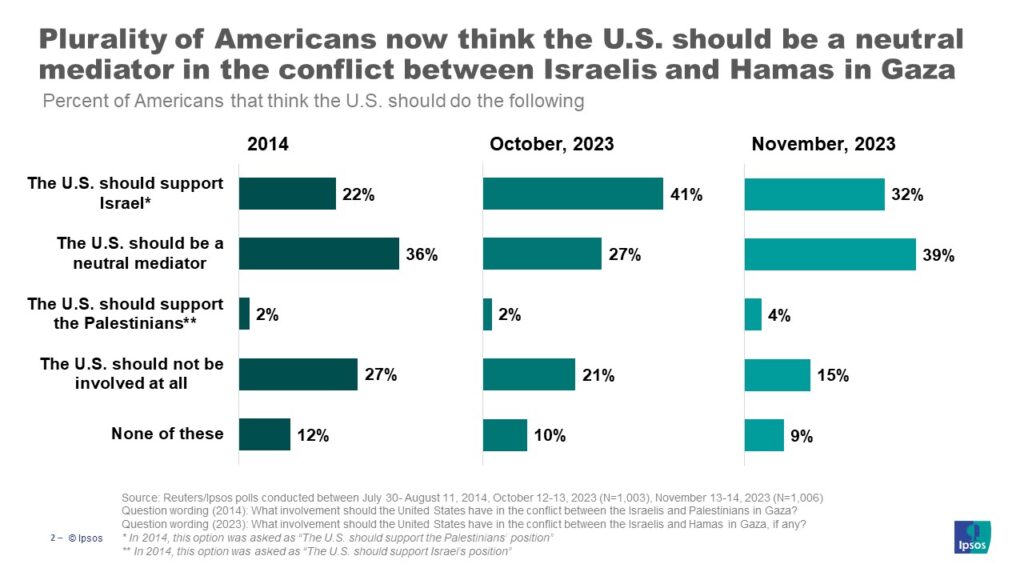
The internal report, produced after the 2024 election, zeroed in on a striking conclusion: the Democratic National Committee found that support for Israel’s actions in Gaza and an inconsistent message on Middle East policy hurt Harris’ bid. Party insiders described the policy’s impact as a “net negative” in key demographic groups such as young, progressive, and Arab-American voters, whose enthusiasm and turnout are vital in swing states.
While Harris tried to walk a fine line — affirming support for Israel’s security while calling for a ceasefire and acknowledging the suffering of Palestinian civilians — many voters saw the stance as too moderate or out of step with their priorities. These voters in states like Michigan, Pennsylvania, and Wisconsin had been critical to Democratic success in previous cycles, and their erosion helped widen Trump’s winning margin.
The report also acknowledged that closed-door discussions with pro-Palestinian groups confirmed the impact of the Gaza issue, but that party leadership shied away from making the findings public, fearing it would inflame internal disagreements.

Voter Shifts: How the Gaza Issue Changed Democratic Coalitions
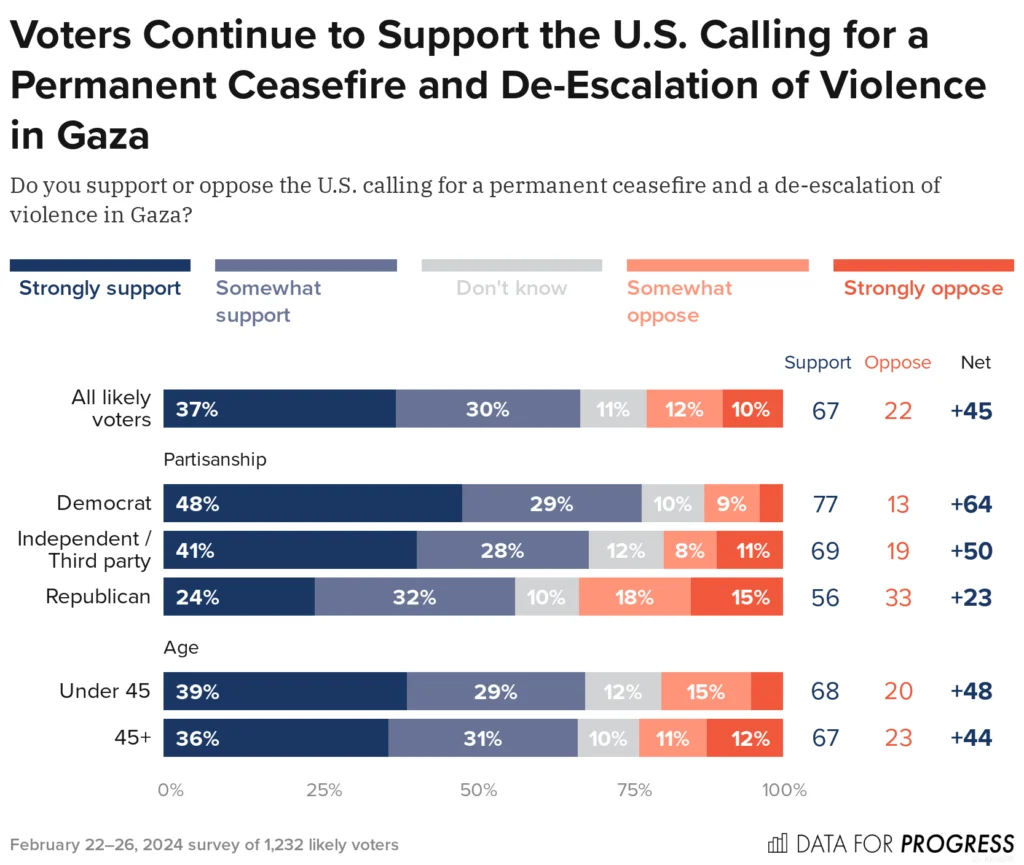
One of the most revealing aspects of the DNC report is its focus on how specific voter groups shifted away from the Democratic ticket. According to insiders and additional analyses, millions of young and progressive voters either abstained from voting or chose protest options in states that had previously helped Democrats win. This shift was amplified by dissatisfaction with foreign policy messaging that many felt didn’t reflect their values.
Community engagement and grassroots outreach — especially among Arab-American and student populations — were weakened when some activists felt ignored or dismissed by party leaders. This feeling of alienation pushed key segments of the base toward apathy or disengagement. It also energised activist groups and independent voters who might otherwise have been soft supporters.
The Democratic Party’s avoidance of releasing this autopsy publicly has triggered further debate about transparency and accountability. Many strategists argue that not sharing the full findings prevents meaningful reform and undermines trust with the party’s core supporters.
Why the DNC Kept the Report Secret
Party officials have refused to make the autopsy report public, even in a redacted form, arguing that releasing it could distract from their work to win elections now and might deepen divisions within the Democratic coalition. Some leaders contend that airing internal critiques could hurt morale and fundraising at a time when the party is trying to build momentum for the 2026 midterms and future contests.
However, critics — including some strategists and activists — have panned this decision, saying transparency about what went wrong in 2024 would help the party learn and adapt. They argue that without clear acknowledgment of mistakes, especially around messaging and issue engagement, Democrats risk repeating those same pitfalls. This debate highlights a larger problem in modern politics: balancing internal strategy with public accountability.
Broader Political Implications Beyond the Autopsy
The controversy over the autopsy report isn’t just about 2024 — it’s a microcosm of deeper tensions within the Democratic Party. Younger, more progressive voters increasingly prioritize issues like human rights and foreign policy reform, while traditional party leadership often focuses more on broader electoral strategy and holding swing states.
These tensions are also shaping discussions about future candidates. As activists push for candidates who align more closely with progressive priorities, the party must decide how to integrate or address these voices without alienating other constituencies. The Gaza-policy discussion has become emblematic of these broader identity and strategy questions, making it a defining political issue for Democrats as they head into the upcoming elections.
What Voters and Political Observers Are Saying
Political analysts and grassroots groups have echoed parts of the autopsy’s conclusions, noting that support for unconditional foreign alliances without clear communication to voters can undercut trust and engagement. Independent reports from advocacy groups have suggested structural issues in the Harris campaign’s approach, including messaging that did not sufficiently motivate core Democratic constituencies.
Others argue that economic messaging and domestic issues still hold more influence over broad voter blocs, but that foreign policy is no longer a fringe concern — it’s central to how many voters perceive leadership’s priorities and values.
Subscribe to trusted news sites like USnewsSphere.com for continuous updates.