In a harrowing escalation of nationwide unrest, Iran’s anti-government protests have entered their third week with hundreds of demonstrators reportedly killed and chilling visuals of body bags emerging from Tehran morgues, drawing global condemnation and reshaping the international narrative on Iran’s internal crisis.
Across the country, what began as localised demonstrations has quickly grown into a sweeping challenge to the theocratic leadership that has ruled Iran since 1979. Security forces’ increasingly violent response, including the use of lethal force against civilians, has underscored the depth of discontent sweeping the nation and has sparked renewed debate among global powers about diplomatic, economic, and even military options.
What Sparked the Unrest and How It Spread Nationwide
The current wave of protests in Iran has roots in a deep economic crisis that has strained ordinary citizens for months. The sharp decline of the Iranian rial, soaring inflation, and widespread job insecurity laid the groundwork for discontent. However, what began as protests over everyday economic struggles quickly morphed into a broader expression of anger at the nation’s political leadership and its handling of both domestic policy and international isolation.
Unlike previous unrest — most notably the 2009 Green Movement — today’s demonstrations have crossed social and geographic boundaries, drawing significant participation from students, workers, women’s rights advocates, and ordinary citizens across major cities including Tehran, Mashhad, and Isfahan. The movement’s momentum has been fueled by a combination of social media sharing (despite government internet shutdowns), grassroots organising, and shared frustration with structural inequality.
What sets this moment apart from earlier protests is the degree of state retaliatory force, including live ammunition, and the seeming shift in protester demands from policy reforms to a broader call for systemic change.
Harrowing Evidence from Tehran Morgues: Body Bags and Family Grief
Amid the crackdown, body bags have become a grim symbol of the toll exacted on demonstrators. Videos and photos, some partially verified and circulated on social platforms and by international media, show dozens — possibly hundreds — of bodies lined up in makeshift mortuary corridors either inside or outside forensic facilities near Tehran.
One such piece of footage, shared widely and verified by reputable news sources, shows rows of shrouded bodies wrapped in black body bags, with relatives wandering among them, desperately searching for loved ones. Many families are left in anguish, trying to identify remains without any official confirmation from authorities.
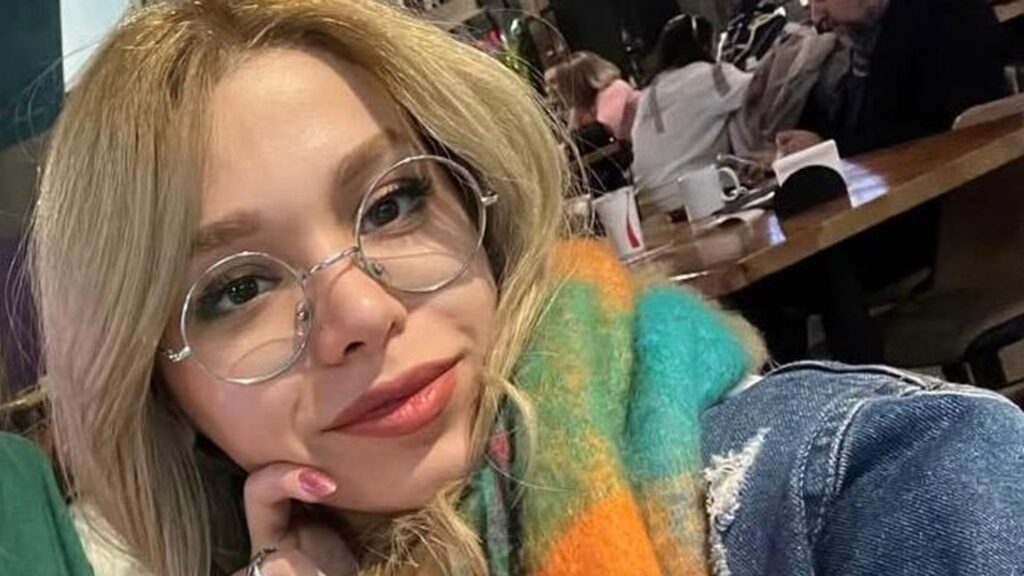
In one case that has come to symbolise the human cost of the protests, 23-year-old Rubina Aminian, a textile and fashion design student, was shot in the head “from close range” during a protest in Tehran. Her family was reportedly blocked by intelligence forces from burying her properly and was forced to carry out a private, roadside burial instead. Her death and the conditions surrounding how her body was treated have become central to activist narratives illustrating the brutal measures used against protestors.
These scenes have raised alarms among human rights advocates and global civil liberties organisations, prompting urgent calls for independent investigations and international pressure on Tehran to halt its methods of suppressing dissent.
Official Narrative vs Independent Reports: A Clash in Accounts
Iranian state media and government spokespeople have maintained a markedly different account of the unrest compared to rights groups and foreign journalists. Officials have claimed that many of the deaths shown in morgue footage were caused by protesters themselves or were unrelated to state force, a line of defence meant to diminish international backlash.
State television even aired footage from facilities showing body bags, but the authorities described those inside as individuals “killed by protesters” — a narrative widely rejected by independent rights organisations and foreign media.
Meanwhile, rights organisations such as the U.S.-based Human Rights Activists News Agency (HRANA) have tallied more than 500 fatalities — including not only civilians but also some security personnel — with more than 10,600 arrests reported so far.
The discrepancy in reported figures and the starkly contrasting narratives underscore the difficulty of obtaining clear, independently verified data inside Iran due to ongoing internet blackouts, media restrictions, and tightened security operations.
International Reaction: Diplomatic Strain and Geopolitical Ramifications
International response to the Iran protests and accompanying crackdown has been swift and polarised. Western governments, human rights organisations, and UN representatives have condemned the lethal force used against demonstrators and called for restraint and accountability.
Meanwhile, in the United States, high-level officials, including the President, have publicly weighed responses ranging from economic sanctions and cyber operations to possible military measures should the situation escalate further. In a recent statement, U.S. leadership confirmed that discussions with Iranian officials regarding negotiations are ongoing, even as the death toll climbs and arrests continue.
Tehran, for its part, has responded to external criticism by asserting that the unrest is the result of foreign interference, blaming Western governments and regional adversaries for fanning the flames of dissent. Iranian authorities have also issued warnings that any external military action could trigger retaliation, further complicating the international landscape.
The current situation has injected fresh tensions into already sensitive global geopolitics, particularly in the Middle East, where Iran’s influence and relationships have long been contentious issues.
Personal Stories from the Streets: Human Faces Amid Chaos
Numbers and statistics, while critical, often fail to capture the full human toll of such conflicts. Beyond the grim visuals of body bags and morgues, countless families have been thrown into turmoil, seeking answers and mourning relatives lost amid the chaos.
Eyewitness accounts describe scenes of grief so intense that they surpass typical expressions of loss. In several documented instances, relatives have been shown sobbing over undisclosed bodies, recognising loved ones by clothing or personal items because official identification processes are stalled or blocked entirely.
The story of Rubina Aminian resonates powerfully across Iran’s diaspora and on social platforms — a reminder that the protests are not abstract political events but deeply personal struggles involving real individuals with hopes, dreams, and families.
Such narratives, amplified by diaspora communities and human rights groups, have added a moral and emotional dimension to global dialogue on the unrest.
What Happens Next: Uncertain Future for Iran and the Movement
With protests continuing despite severe government retaliation, Iran appears at a crossroads. Analysts suggest that the movement has already outgrown its initial economic grievances and is increasingly seen by many Iranians as a referendum on the legitimacy of the current regime itself.
Yet the path forward remains unclear. With a media blackout, restricted communication channels, and escalating violence, independent verification of ground realities is challenging. The fate of the protests and the extent to which the Iranian government will escalate or de-escalate its tactics remain key questions.
International response — from diplomatic pressure to possible punitive measures — may influence future developments, but much depends on events inside Iran and how both protesters and the state respond to continuous tension.
With global attention focused on the bodies, the families, and the rising death count, the world watches as a nation confronts its future.
A Nation Unrested, A World Watching
Iran’s ongoing crisis reflects a profound clash between a government intent on suppressing dissent and a population demanding accountability, dignity, and representation. As morgue footage, body bags, and personal tragedies emerge from behind walls of censorship, the reality of the unrest becomes ever harder to obscure.
This story remains fluid and will evolve, with new developments likely to emerge in the coming days and weeks. What is certain, however, is that the human cost continues to mount and that the world’s eyes are increasingly fixed on Tehran. As families search for their loved ones and protests persist amid heavy crackdowns, the future of Iran hangs in the balance.
Subscribe to trusted news sites like USnewsSphere.com for continuous updates.