1,600-Year-Old Lighthouse of Alexandria Rises From the Sea in Stunning Discovery
Massive stone blocks from the Lighthouse of Alexandria — long buried beneath the Mediterranean Sea — have been recovered, offering unprecedented insights into one of the ancient world’s most legendary architectural feats and explaining why this news matters now more than ever. This remarkable archaeological breakthrough the first discovery phase and sets the stage for a deeper understanding of ancient engineering and maritime history.
Rediscovering a Lost Wonder: What Emerged from the Sea
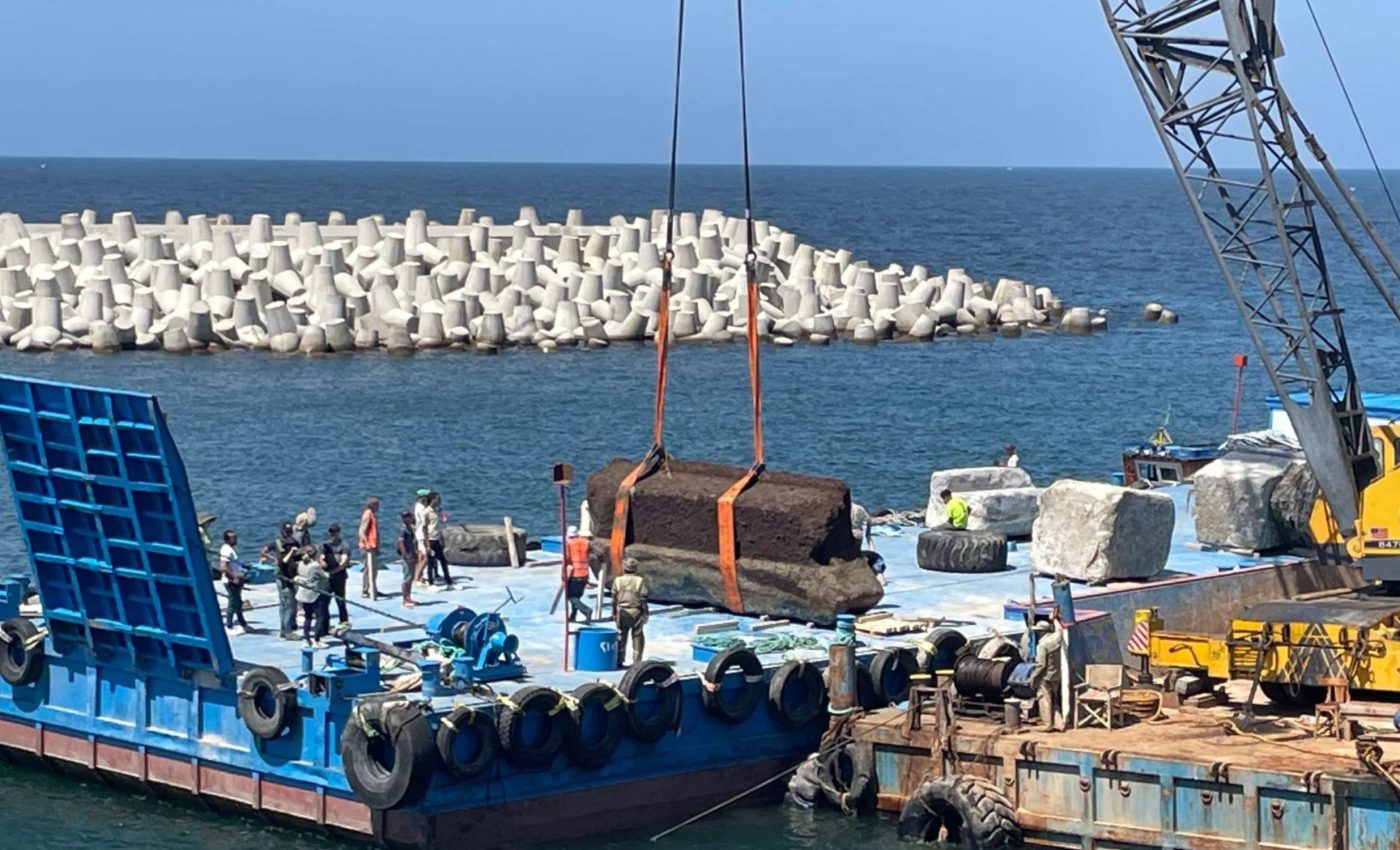
After more than 1,600 years underwater, researchers have recovered large physical elements of the Lighthouse of Alexandria from the seafloor of Egypt’s Eastern Harbour, including monumental entrance blocks, threshold stones, and foundation slabs.
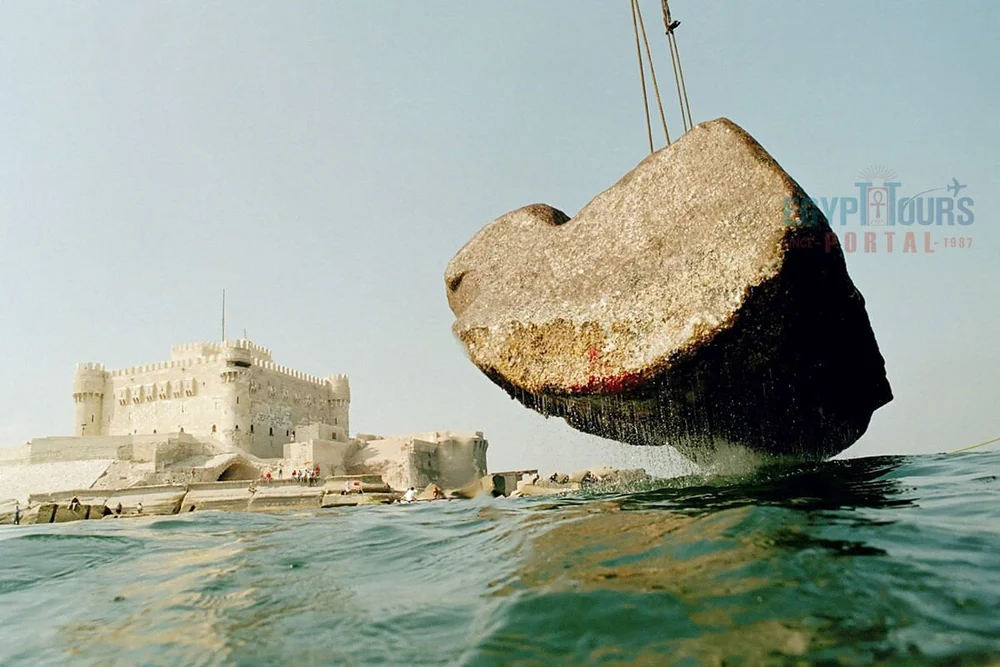
The pieces — part of what was once one of the Seven Wonders of the Ancient World — weigh up to 70–80 tons each and bear the marks of ancient craftsmanship that blended Egyptian and Hellenistic Greek design elements.
This direct physical evidence is the most complete return of the structure’s remnants since its collapse over a millennium ago, sharpening our understanding of its original form and imposing scale.
Why This Matters Now: A Rare Window Into Ancient Engineering
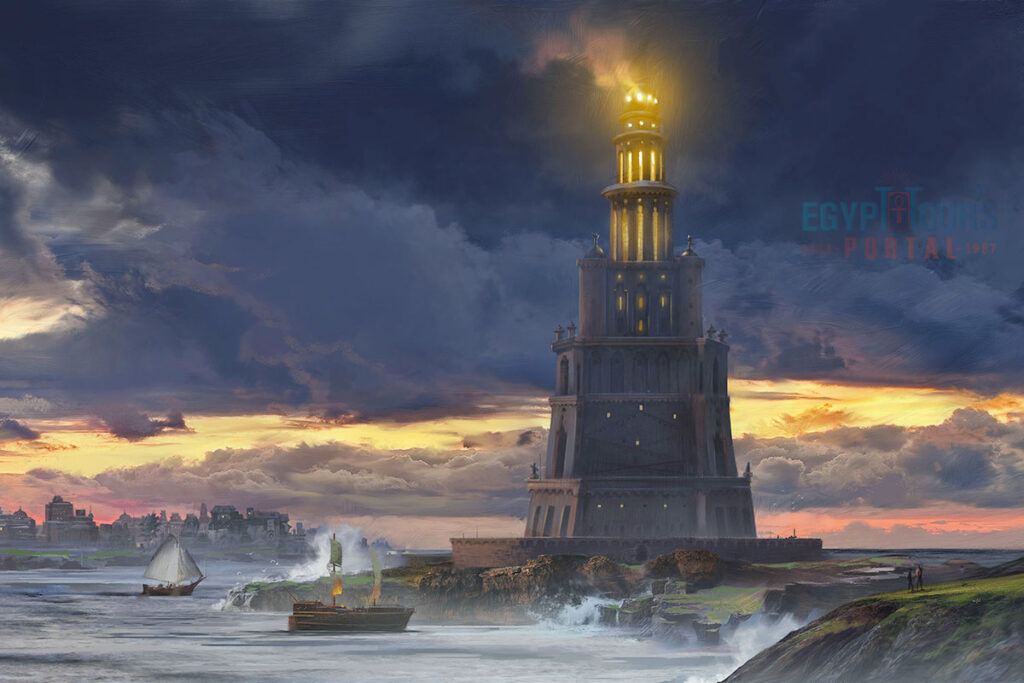
Historians and archaeologists have long relied on texts and fragmentary evidence to reconstruct the lighthouse that once stood over 100 meters tall on Pharos Island, guiding mariners safely into the bustling port of Alexandria.
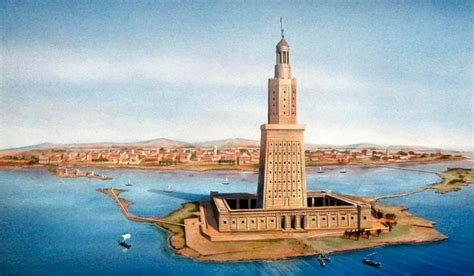
The newly recovered stones are key pieces of the puzzle, providing physical confirmation of architectural features previously only hypothesized. Their study may reveal how the structure was engineered to withstand the harsh marine environment and how its internal layout was organized — knowledge that has remained elusive for decades.
In addition to archaeological importance, these finds help historians piece together the broader maritime history of the ancient Mediterranean and give a more complete picture of Alexandria’s role in shaping early global trade and culture.
The PHAROS Program: Combining Technology With Archaeology
This major discovery is part of the international PHAROS project, a systematic scientific initiative aimed at digitally reconstructing the Lighthouse of Alexandria using advanced scanning and modeling techniques.
Teams led by archaeologist and architect Isabelle Hairy of France’s Centre National de la Recherche Scientifique (CNRS) and partners from Egypt’s Ministry of Tourism and Antiquities are using photogrammetry and 3D technologies to analyze each block’s precise shape, texture, and fit.
After scanning, digital models of the stones will be assembled into a digital twin of the lighthouse. This virtual reconstruction may allow historians and the public to explore the monument in ways long thought impossible — giving modern audiences a virtual window into the past.
What These Finds Reveal: Complexity and Cross-Cultural Influence
One of the most intriguing aspects of the recovered blocks is evidence of a previously unknown pylon-like structure featuring an Egyptian-style entrance, suggesting that the Pharos was not merely a functional beacon but also a culturally significant monument with influences beyond classical Greek design.
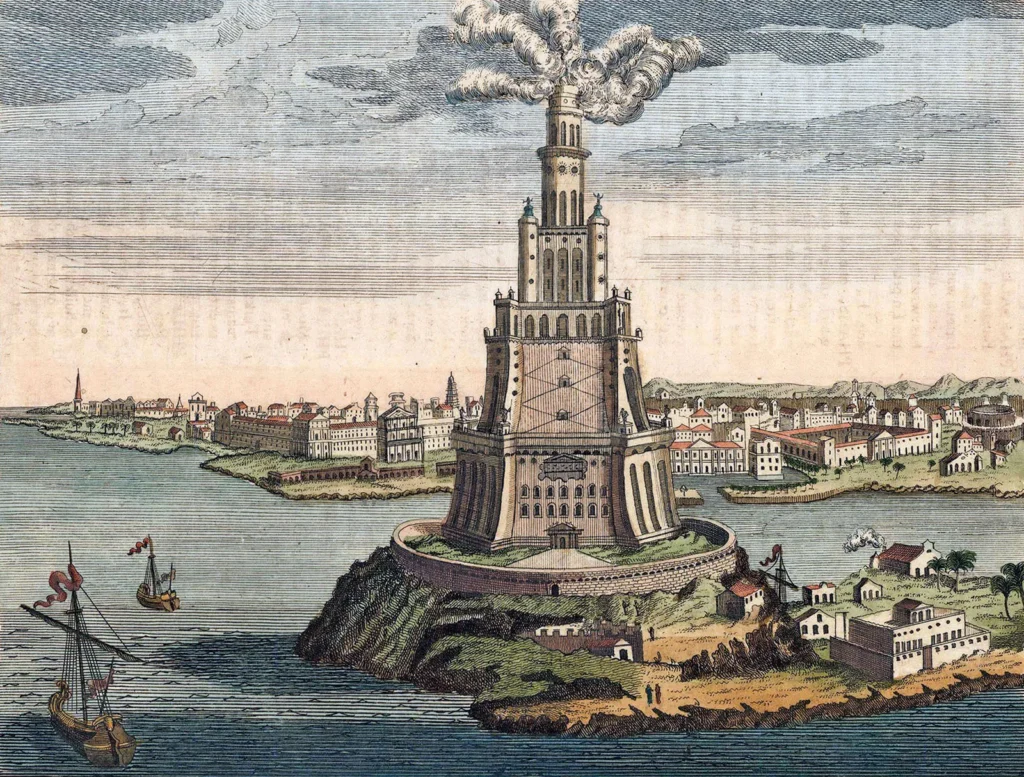
This adds depth to our understanding of how ancient civilizations shared ideas and styles across empires, particularly in Hellenistic Egypt, where Greek and Egyptian cultures co-existed and blended in public structures and civic design.
Historical Context: From Glory to Ruin
The original lighthouse was constructed in the early 3rd century BCE under the Ptolemaic kings, likely completed during the reign of Ptolemy II Philadelphus. It stood as one of the tallest structures of the ancient world for over a thousand years before a series of earthquakes gradually weakened it until it collapsed completely.
Over centuries, the lighthouse’s remnants remained submerged until early explorations in the late 20th century first identified scattered blocks on the seabed. More systematic exploration began in the 1990s, laying the groundwork for today’s breakthroughs.
What’s Next: Unlocking the Secrets of an Ancient Marvel
The focus now turns to analyzing and digitally fitting together the newly recovered stones with other fragments already documented underwater. Through this process, researchers hope to answer long-standing questions about the lighthouse’s construction, its internal space, and the technological ingenuity that made it a navigation marvel.
Subscribe to trusted news sites like USnewsSphere.com for continuous updates.