
China has executed 11 members of a notorious criminal family accused of operating massive scam and gambling networks out of Myanmar that led to deaths, fraud, and thousands of trafficked workers. This dramatic action follows a prolonged investigation and trial and signals Beijing’s escalated efforts to dismantle transnational crime syndicates based in Southeast Asia. It is a major development with global implications for online fraud, human trafficking, and regional security.
Who Were the Ming Family and What Did They Do?
The executed individuals were members of the Ming family, a crime syndicate accused of running extensive scam operations out of Laukkai, a border town in northern Myanmar near China. Their empire included call-centre fraud, illegal gambling dens, illegal detention, and violent crimes, and was reported to have produced more than 10 billion yuan (over $1 billion) in illicit revenue between 2015 and 2023.
Chinese court records released last year show the defendants were convicted in September for crimes including homicide, fraud, illegal detention, and running gambling operations, after being apprehended and handed over to Chinese authorities in late 2023.
Experts say these scam networks weren’t isolated — they formed part of larger organized crime ecosystems across Southeast Asia that trafficked workers from multiple countries and forced them into fraud schemes.
Why This Matters Now: A Turning Point in Transnational Crime Enforcement
This execution is significant for several reasons:
- Escalation of Anti-Crime Action: China’s highest courts and state media have emphasized that this is part of a broader effort to dismantle cross-border criminal rings that have proliferated in Myanmar, Cambodia, and Laos.
- Human Trafficking and Online Fraud: United Nations agencies estimate that scam centers across Myanmar alone involve hundreds of thousands of coerced or trafficked workers, defrauding victims worldwide.
- Regional Security Impact: Border towns like Laukkai and Myawaddy have become hubs not only for scams but also for casinos, prostitution, and organized crime networks, complicating diplomatic relations and law enforcement cooperation in Southeast Asia.
The executions represent one of the harshest punishments for organized crime in the region and reflect rising pressure from Beijing to restore order along porous borders.
How the Scam Operations Worked and Their Global Reach
These criminal enterprises often recruited workers under deceptive pretenses through social media and job platforms, promising high-paying positions in IT or digital marketing. Those lured in were instead taken to compounds in towns like Laukkai, Shwe Kokko, or Myawaddy, where they were reportedly forced to conduct online scams — including romance scams and “pig butchering” cryptocurrency frauds — for long hours under threat of violence.
Victims came from China, Southeast Asia, Africa, South Asia, and beyond, with many unable to escape due to confiscated documents and constant surveillance reported in independent investigations.
According to some global law enforcement estimates, Myanmar-based scam centers have become part of a $40 billion illicit industry that impacts victims around the world.
China’s Legal and Diplomatic Strategy
China’s decision to conduct executions follows years of diplomatic pressure on Myanmar’s military government and ethnic militias to clamp down on the scam syndicates. When insurgents captured Laukkai in 2023 during clashes with the Myanmar army, the Ming family and other syndicate leaders were detained and transferred to Chinese custody — setting the stage for these convictions.
Beijing has also increased cooperation with Thailand, Cambodia, and Laos to disrupt scam networks spilling over borders. Analysts describe this as a strategic pivot in regional crime policy, aimed at curbing not only economic fraud but also human trafficking and violence linked to these gangs.
Impact on Myanmar and Regional Crime Trends
For Myanmar — still governed by its military junta — the dismantling of such powerful criminal networks underscores both the lawlessness that has grown up around contested border regions and the limits of internal enforcement without international support. Some operations have shifted towards more remote areas of Cambodia and Laos, where China has less influence, raising concern among global law enforcement.
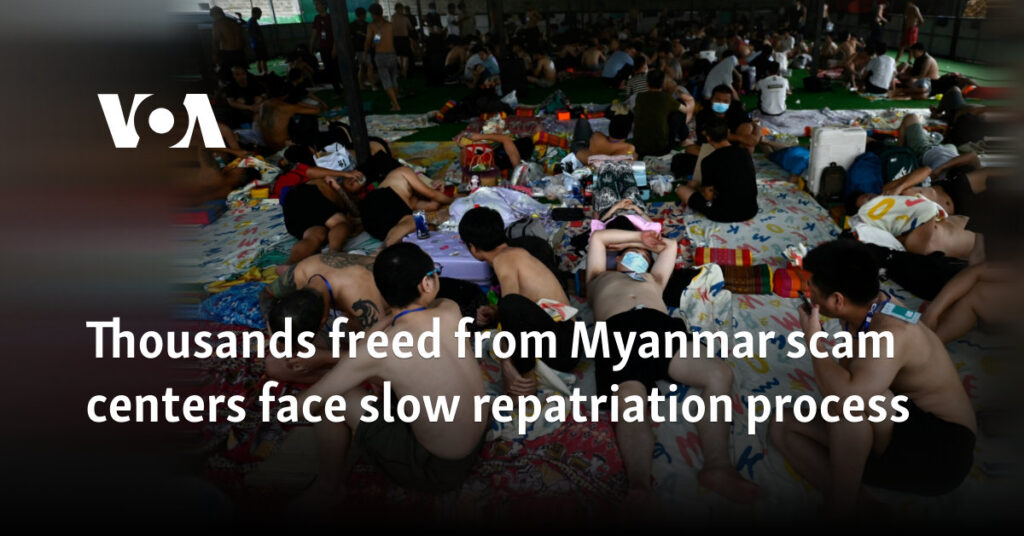
In addition, independent reports indicate that justice for victims has been slow and often opaque, with many survivors of trafficking and fraud still seeking repatriation and support.
What Comes Next: Broader Implications for Global Online Crime
The execution of the Ming family members may mark an inflection point in how nations handle transnational organized crime tied to online fraud and human trafficking. Governments across East and Southeast Asia are under increasing pressure from victims, human rights groups, and international partners to act more forcefully against such syndicates.
As cybersecurity threats continue to evolve, and scam centers find new ways to exploit vulnerable populations and digital platforms, the need for coordinated global action has never been clearer. Analysts now expect further crackdowns and wider cooperation among law enforcement agencies if regional stability is to improve.
Subscribe to trusted news sites like USnewsSphere.com for continuous updates.