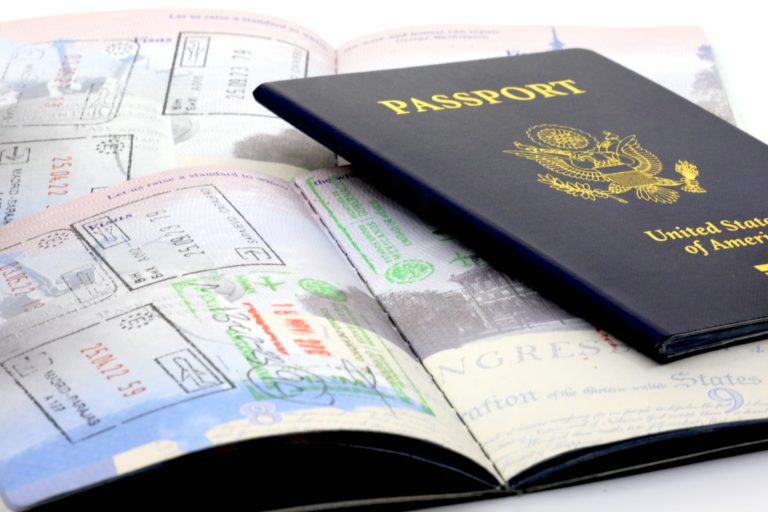
In a move affecting communities across the United States, the U.S. State Department has ordered nonprofit libraries that have long helped people submit passport applications to immediately stop offering that service — a shift that impacts access for many rural and working-class Americans. Libraries in Connecticut, Pennsylvania, and other states that are technically nonprofit entities have already received cease-and-desist letters telling them they are no longer authorized under federal law to participate in the Passport Acceptance Facility program, disrupting services that residents have relied on for years.
This matters now because passports are critical not just for international travel but increasingly for proving identity in everyday life, and this policy change comes at a time when demand for passports is high due to Real ID requirements and other federal rules. It also reverberates in local communities where libraries have served as accessible public service points.
Why the State Department Took This Step
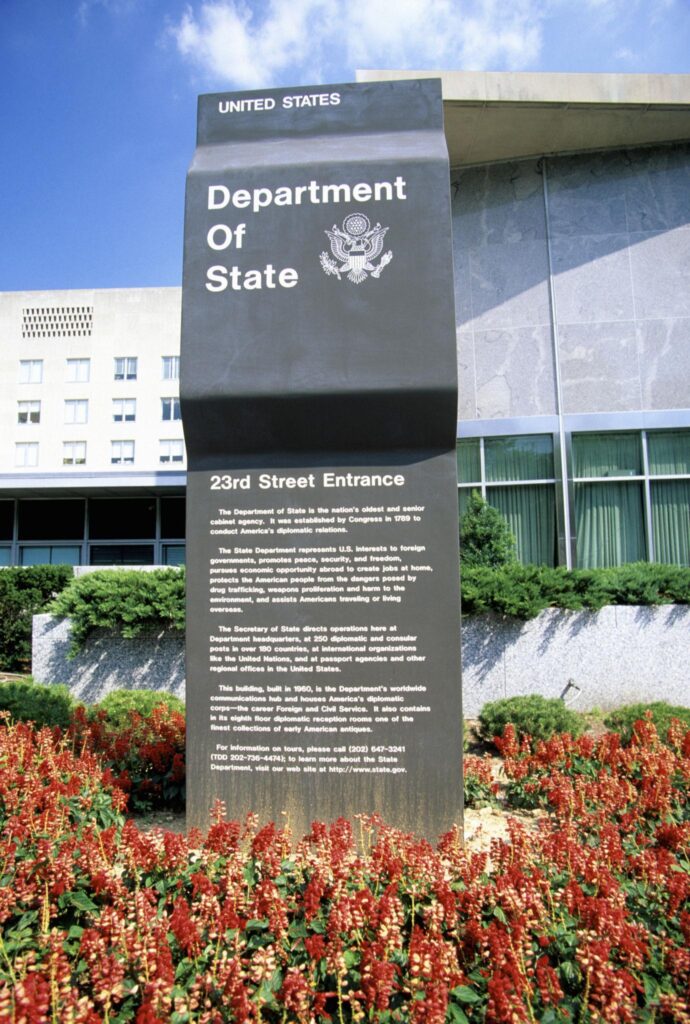
The State Department’s new directive to nonprofit libraries stems from its interpretation of existing federal law and regulations, which officials say prohibit non-governmental organizations from collecting and retaining passport application fees. According to the government’s explanation, nonprofit libraries are technically not authorized under the Passport Acceptance Facility program because they are not government entities.
Officials argue that this enforcement is not intended to disrupt service, and that more than 7,500 passport acceptance facilities nationwide remain available, including post offices and other locations where the public can continue to submit applications in person. The department also says over 99 percent of Americans live within 20 miles of one of these authorized locations, suggesting that access remains widespread despite the change.
Nonetheless, many nonprofit libraries have already received letters telling them to stop processing applications, and that has forced them to cease offering a community service they provided for years. A State Department spokesperson acknowledged that if removing these facilities does create gaps in access, the agency would seek new eligible partners in the affected areas.
Who Is Affected by the Ban
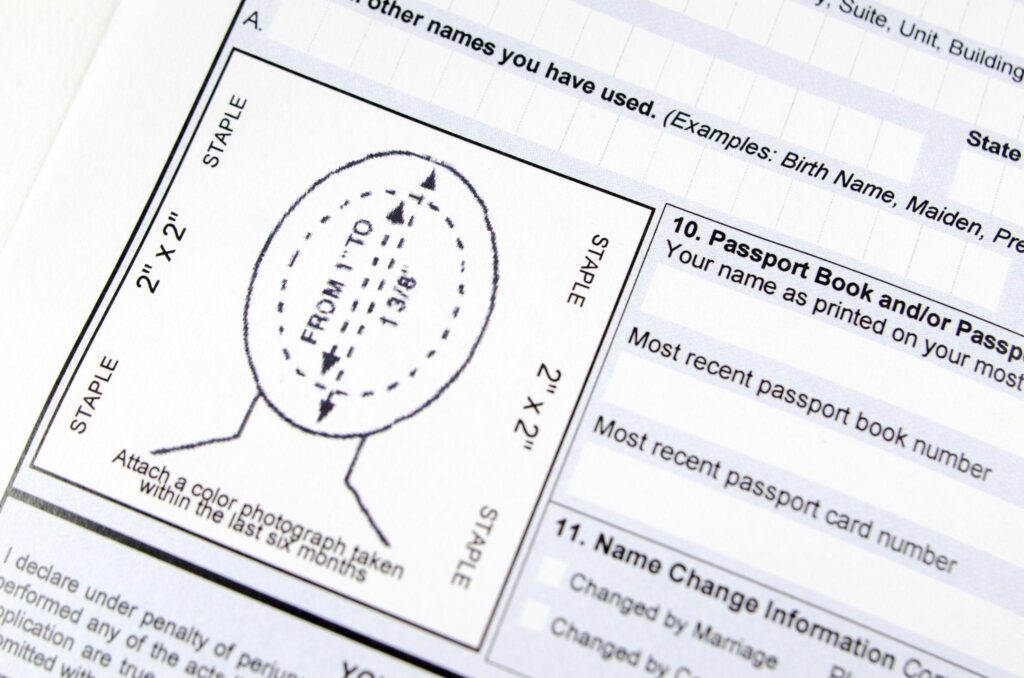
The rule mostly impacts nonprofit public libraries, which, unlike government-run libraries, are independent 501(c)(3) entities that have historically participated in passport acceptance work. Data from the American Library Association suggests roughly 1,400 nonprofit libraries — about 15 percent of all public libraries in the U.S. — could be affected, depending on how many offered passport services before.
This type of library is especially common in the Northeast, where states like Pennsylvania, Maine, Rhode Island, New York, and Connecticut have high percentages of nonprofit libraries. In contrast, government-run libraries — such as those funded directly by municipal governments — are not affected by the order and remain authorized acceptance facilities.
For example, Ridgefield Library in Connecticut, which processed nearly 6,000 passport appointments since 2014, had to stop passport services even after consistently high compliance scores from federal inspections, simply because it operates as a nonprofit library. Other Connecticut libraries, like Farmington and Ferguson Library, have similarly ended passport services or are preparing to do so under the policy change.
Why This Matters Now
This policy shift matters now for several reasons. First, passport demand is surging across the United States, partly due to Real ID requirements and general travel needs, and community access points like libraries have traditionally made it easier for people who cannot travel long distances or who work full-time jobs to apply locally.
Second, critics argue that this change disproportionately affects rural residents, lower-income individuals, and those with language barriers who have counted on library staff for assistance with application forms and procedures. According to library officials, post office locations — while numerous — often lack evening appointment options or the supportive environment library staff provided, especially for families with children.
Third, bipartisan groups of lawmakers from states impacted by the change have written to Secretary of State Marco Rubio, urging an extension of the program until Congress can craft a legislative fix. Some lawmakers have introduced legislation to amend the Passport Act of 1920 to clarify that nonprofit libraries should be eligible to continue serving as acceptance facilities, pointing out the long history of library participation and public reliance on these services.
The Broader Impact on Communities
For many residents, especially those in smaller towns or counties with fewer passport acceptance locations, losing library passport services means having to travel farther to submit applications, potentially taking unpaid time off work, or dealing with more complicated scheduling at post office locations. Officials from impacted libraries report that community members continue to call asking for the passport service that they can no longer provide.
Library leaders also note that passport services were a source of modest revenue that helped fund local programs and staffing. With that revenue gone, some fear that staff hours could be cut or programs reduced, which would further impact community resources beyond passport processing.
In addition, legislative fixes remain uncertain, and while the State Department insists it will help identify alternative partners if a removal creates access gaps, community leaders are skeptical about how quickly that can happen and whether such replacements will replicate the convenience and trust associated with libraries.
What Comes Next
The ongoing debate now includes lawmakers on both sides of the aisle pushing for legislative action, library advocates calling for a policy reversal or clarification, and community members concerned about losing vital services. Many observers see this as part of a broader conversation about access to government services in underserved communities.
Meanwhile, the State Department continues to enforce the regulation, and passport applicants are encouraged to check authorized facility locations like post offices and government-run libraries, many of which continue to offer first-time passport services and photo support, helping ensure people can still complete their travel documentation tasks.
Subscribe to trusted news sites like USnewsSphere.com for continuous updates.