In a surprising turn in U.S. political and legal news, a federal grand jury refused to indict six Democratic lawmakers after prosecutors attempted to charge them over a controversial video urging members of the military to refuse unlawful orders. This move by the jury, often viewed as rare, underscores deepening tensions between the Department of Justice under President Donald Trump’s administration and elected Democratic officials over free speech and military obedience.
The Background: Video, Investigation, and Charges
Last year, six Democratic lawmakers — all veterans or former national security officials — released a short video titled “Don’t Give Up the Ship.” In it, they advised U.S. military members that they are not obligated to follow unlawful or illegal orders, a stance backed by existing military law but controversial in public perception. Prosecutors interpreted this as a potential breach of federal statutes related to interference with military discipline and sought criminal charges.
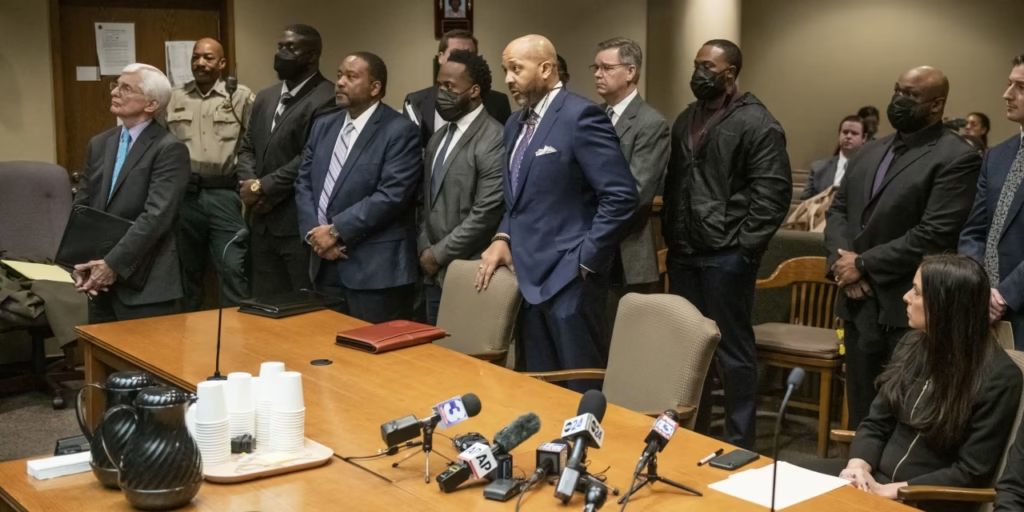
Federal prosecutors, led by U.S. Attorney Jeanine Pirro, brought the matter before a Washington, D.C., grand jury with the aim of securing indictments under laws that criminalize encouraging insubordination in the armed forces. However, the jury of ordinary citizens declined to sign off, signaling they did not see sufficient evidence of wrongdoing, or disagreed that the lawmakers’ actions met the legal threshold for a crime.
Who Was Involved — The Lawmakers and Their Message
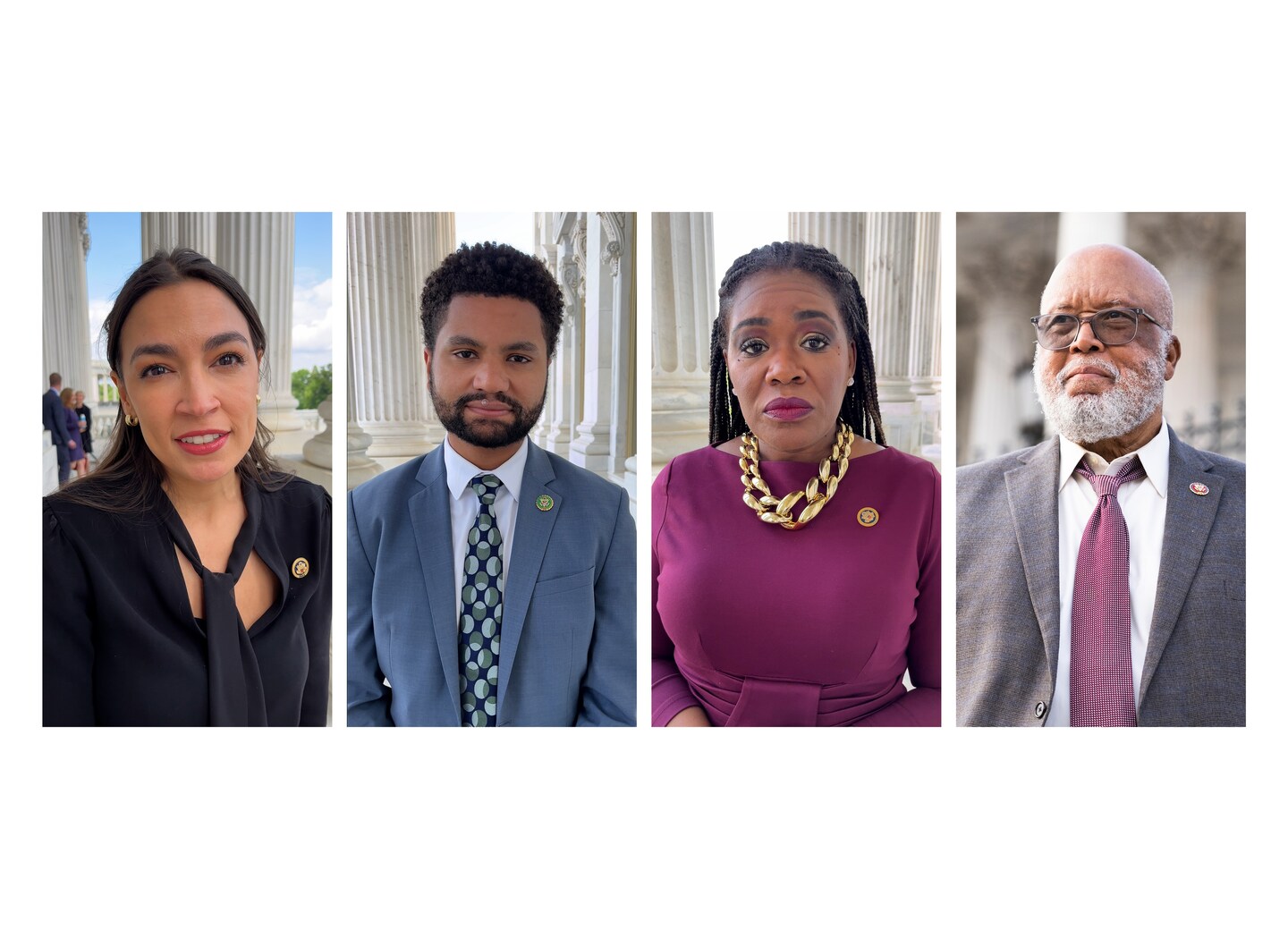
The six lawmakers included senior senators and representatives, each with military or national security backgrounds, adding weight to their message. Among them were Sen. Elissa Slotkin (D-Mich.) and Sen. Mark Kelly (D-Ariz.), along with Representatives Jason Crow (D-Colo.), Chris Deluzio (D-Pa.), Chrissy Houlahan (D-Pa.), and Maggie Goodlander (D-N.H.).
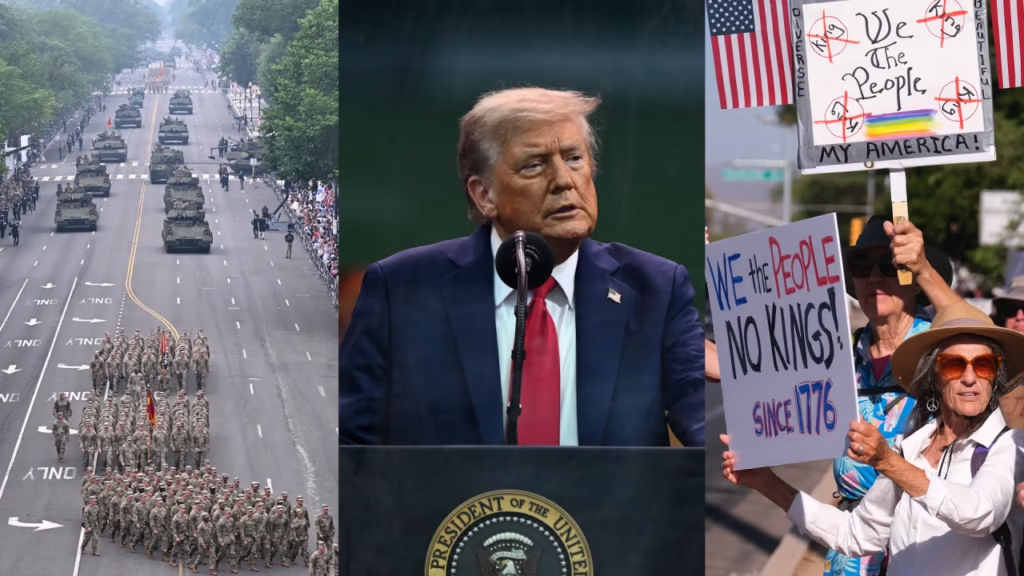
Their November video drew sharp reactions from critics, including President Trump, who publicly condemned it as “seditious” and urged aggressive legal action. Supporters of the lawmakers countered that the video was simply encouraging adherence to longstanding military law that requires service members to disobey orders they know to be unjust or illegal.
Why the Grand Jury Refused to Indict
Grand juries typically follow prosecutors’ recommendations, especially in federal cases where only the prosecution presents evidence. Juries declining to indict is unusual, and this refusal has drawn national attention. Legal analysts suggest that the decision may reflect skepticism among jurors about the strength of prosecutors’ claims or the political nature of the case.
Many legal experts noted that urging lawful resistance to illegal commands isn’t inherently criminal, particularly when backed by military codes and court precedents. Advocates for the lawmakers argue this reflects a defense of constitutional free speech protections and the foundational principle of lawful military conduct.
Reactions from Lawmakers and Legal Experts
Following the jury’s announcement, the Democratic lawmakers sharply criticized the prosecution’s efforts, framing them as politically motivated. Sen. Slotkin called the outcome a victory for the Constitution and free speech, emphasizing that the legal process respected citizens’ rights to express dissenting views.
Similarly, Sen. Kelly denounced the indictment attempt as an “abuse of power” and a threat to open political discourse. Supporters of the grand jury’s decision praised the jurors for upholding core legal principles and resisting what some see as partisan targeting.
Broader Political Context and Why This Matters Now
This grand jury decision doesn’t exist in a vacuum. It comes amid increasing controversy over the Trump administration’s use of federal power, including legal actions against high-profile figures perceived as critics. Observers have compared this case to other politically charged prosecutions, noting trends where grand juries sometimes push back against prosecutorial strategies seen as weak or politically influenced.
The Impact on Public Trust and Legal Precedent
The jury’s decision is more than a political headline — it may influence how prosecutors evaluate similar cases in the future and how lawmakers express criticism without fear of punitive legal response. By refusing to indict, the grand jury reaffirmed important checks and balances in the justice system and sparked broad discussion about the role of citizens in safeguarding democratic norms.
Subscribe to trusted news sites like USnewsSphere.com for continuous updates.