Fear of U.S. Troops in America: Pentagon Readies 1,500 Soldiers as Minnesota Unrest Explodes Amid Anti-ICE Protests
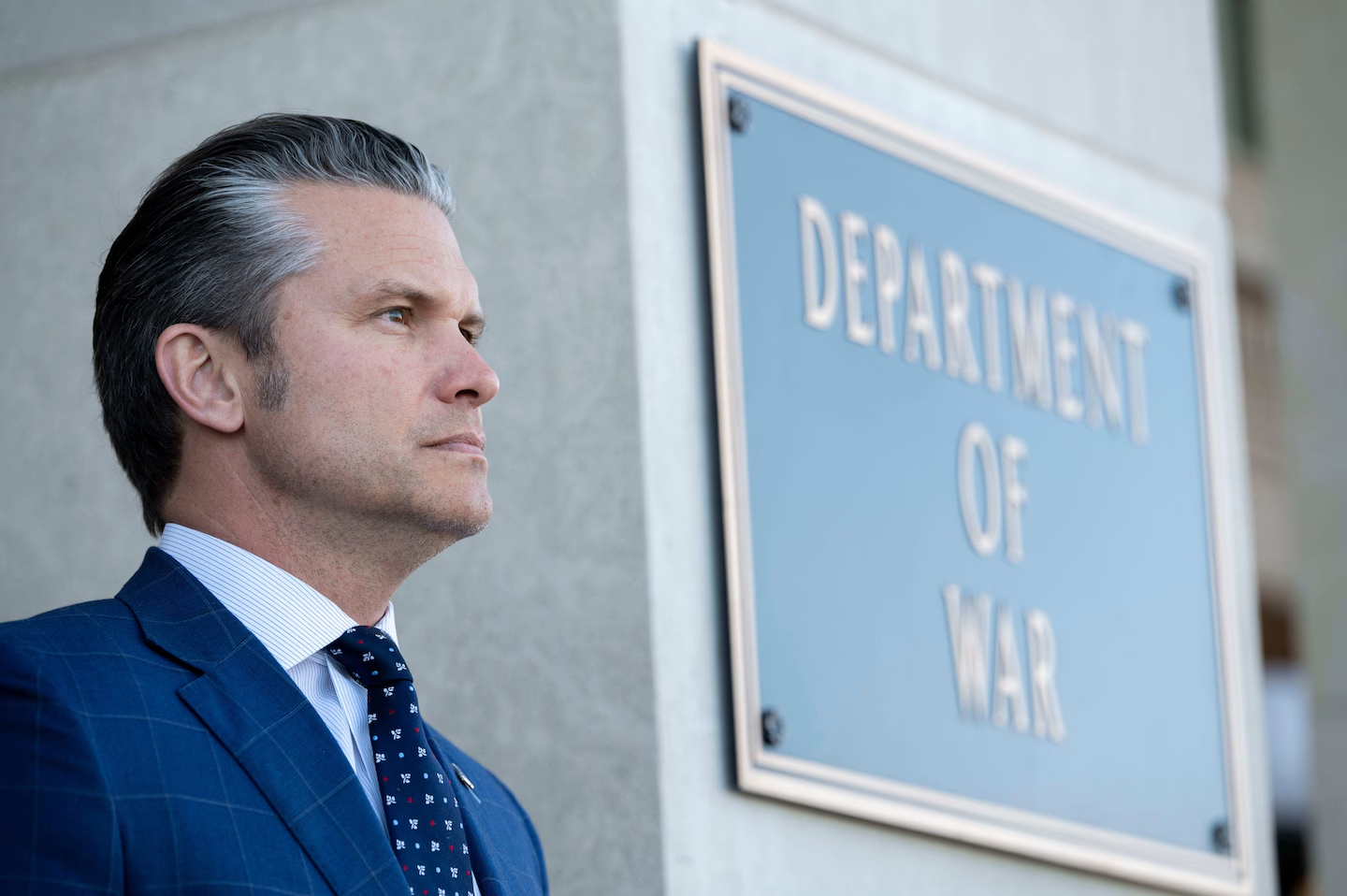
President Donald Trump has threatened to invoke the rarely used Insurrection Act of 1807 and place U.S. troops in Minnesota after clashes erupted between federal immigration agents and local residents, following the fatal shooting of a woman by an ICE officer. The actions have drawn sharp criticism from state officials and civil liberties groups, spurred legal battles, and led the Pentagon to put about 1,500 active-duty soldiers on alert.
Why this matters now: This marks one of the most serious federal threats to use domestic military force in recent U.S. history, raising constitutional questions and concerns about the expansion of executive power at a time of heightened partisan divisions.
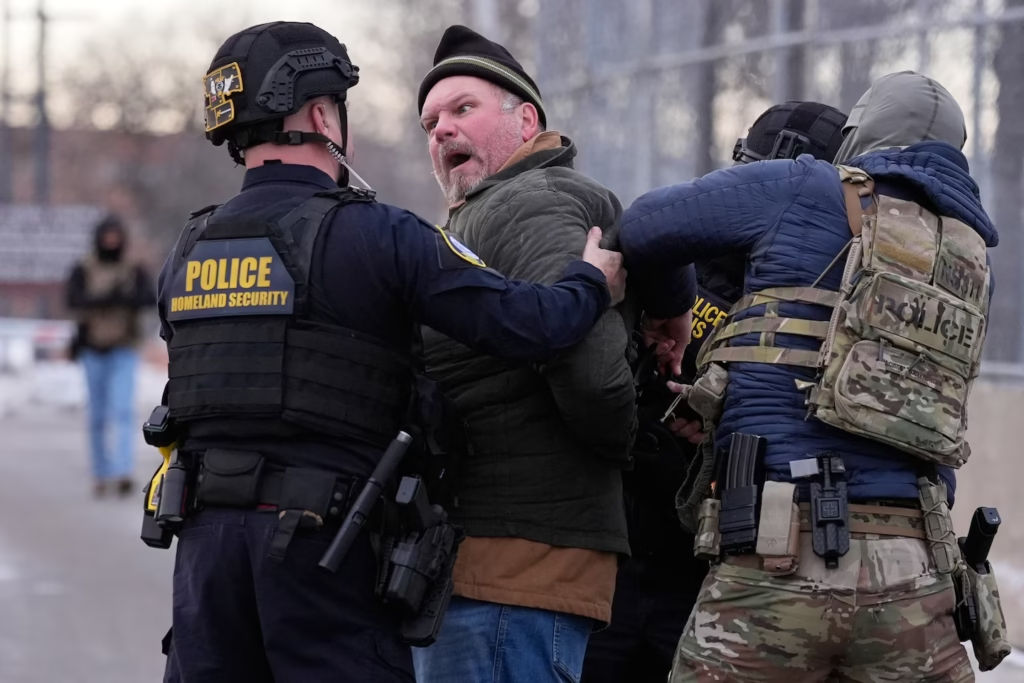
The unfolding situation shows a rapidly worsening standoff between the federal government and Minnesota authorities. Local leaders have responded angrily to Trump’s threats, while federal courts and civil liberties groups are stepping in to limit enforcement tactics on the ground.
Pentagon: What Triggered the Minnesota Crisis and Trump’s Response
The current crisis began after a U.S. Immigration and Customs Enforcement (ICE) agent fatally shot Renée Nicole Good, a Minnesota resident, during an enforcement action in Minneapolis on January 7, 2026. Good, a 37-year-old U.S. citizen, was killed during a confrontation that sparked immediate public outrage and widespread protests.
In response, the Department of Homeland Security sent in a large ICE presence under a program called “Metro Surge,” which has led to numerous arrests and further clashes in the Twin Cities. Federal officials say federal law enforcement has full authority to carry out immigration operations, but civil liberties advocates question the tactics and implications for constitutional rights.
With tensions high, Trump publicly warned Minnesota officials that if they did not restore order, he could use the Insurrection Act — a law that permits the president to deploy federal troops domestically when local authorities cannot maintain control. Experts say this would be one of the most dramatic uses of presidential emergency powers in modern U.S. history if carried out.
Legal Powers Behind the Threat: The Insurrection Act Explained
The Insurrection Act of 1807 is a 19th-century law that creates an exception to the Posse Comitatus Act, which normally prohibits the use of U.S. military forces in civilian law enforcement. Under the Insurrection Act, the president can deploy troops to suppress unrest, enforce federal laws, or respond to situations where states refuse assistance.
Historically, the act has only been used a few dozen times — most notably during the 1992 Los Angeles riots — and its invocation is considered extraordinary. Legal experts note that the criteria for its use remain vague, and that there are significant constitutional and judicial limits on deploying active-duty forces domestically.
Critics argue that applying it to protests sparked by federal enforcement actions — which themselves are controversial — could set a dangerous precedent for federal overreach and blur the line between law enforcement and military power. Supporters in the administration, however, view it as a necessary step to restore order and ensure federal laws are carried out.
Minnesota Officials Push Back and Courts Step In
State leaders in Minnesota have pushed back strongly against Trump’s threat. Governor Tim Walz and Minneapolis Mayor Jacob Frey have condemned the use of federal forces and called for peaceful demonstrations. They argue local law enforcement, not the military, should handle public safety matters and have accused the administration of political overreach.
At the same time, a federal judge in Minnesota has imposed broad restrictions on how ICE and federal agents can interact with protesters, barring aggressive tactics like pepper spray and unwarranted detentions of peaceful demonstrators. This judicial intervention adds a complex legal dimension to the crisis and limits how enforcement actions can proceed while challenges are ongoing.
In addition, state officials and civil liberties groups have filed lawsuits arguing that federal immigration operations in Minneapolis violate constitutional protections and civil rights. These legal battles could shape how — or whether — the Insurrection Act is ultimately applied.
Voices On Both Sides: Supporters vs. Critics
Supporters of Trump’s stance, including some conservative lawmakers and law enforcement advocates, argue that federal action is necessary to support overwhelmed local authorities and address what they call violent protests. They frame the move as standing up for the rule of law and protecting federal agents doing difficult work.
Critics, however, describe the threatened use of the Insurrection Act as a power grab that could undermine civil liberties and escalate tensions. Civil rights groups like the ACLU warn that using the military to regulate civil protests — especially ones tied to federal enforcement — crosses a dangerous constitutional line.
National political figures are also weighing in, with Democrats in Congress publicly condemning the administration’s tactics and calling for investigations into both ICE actions and the broader immigration enforcement approach.
What Happens Next — Impact and Broader Implications
As troops remain on alert and legal challenges continue, the nation watches to see whether Trump will move forward with invoking the Insurrection Act. If he does, it could trigger profound constitutional debates over presidential powers and set a precedent for future domestic military use.
The situation also underscores deep national divisions over immigration policy, law enforcement authority, and federal-state relations. With protests, court rulings, and political backlash all unfolding in real time, the Minnesota case could reverberate far beyond state borders.
Whether the Insurrection Act is formally used or not, this episode will likely influence how future administrations approach domestic crisis management, protests, and civil liberties issues for years to come.
Subscribe to trusted news sites like USnewsSphere.com for continuous updates.