Trump’s foreign policy fallout is now raising serious concerns among experts who argue the United States may be facing higher global risks than at any point in recent years. Analysts, policymakers, and global observers are debating whether decisions made during Donald Trump’s presidency reshaped alliances, weakened trust, and created long-term security challenges. The issue centers on who is affected (the U.S. and its allies), what happened (policy shifts and global reactions), why it matters (security and economic risks), and the impact (a potentially more unstable global position).
Why this matters now: With rising geopolitical tensions in 2025–2026, including conflicts in Europe, the Middle East, and Asia, the consequences of past policy decisions are becoming more visible and measurable.
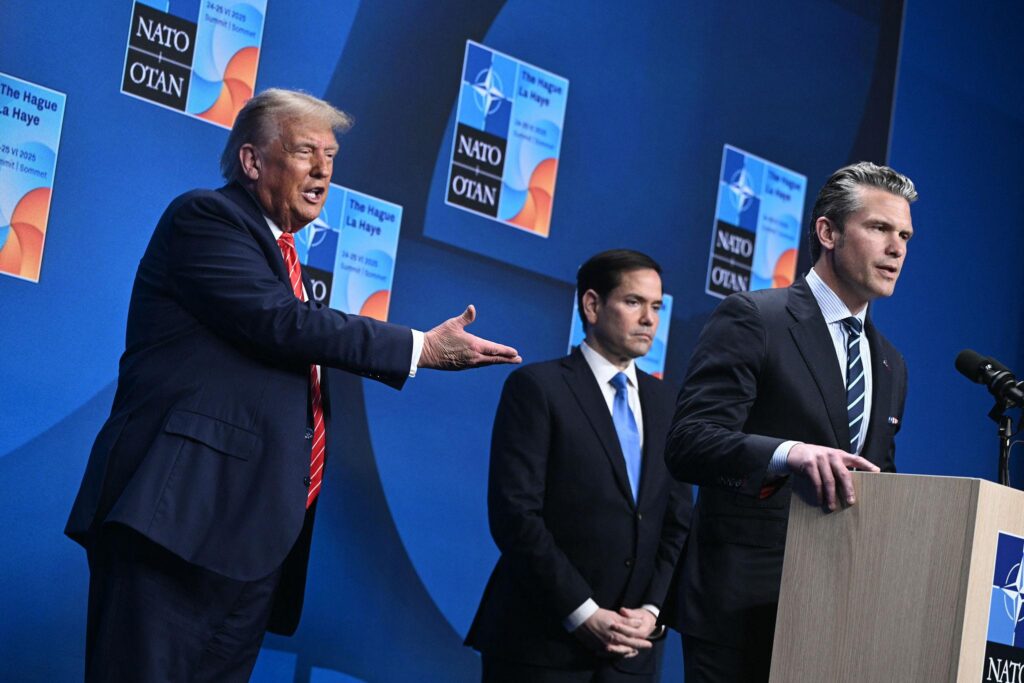
Global Alliances Were Reshaped and Tested
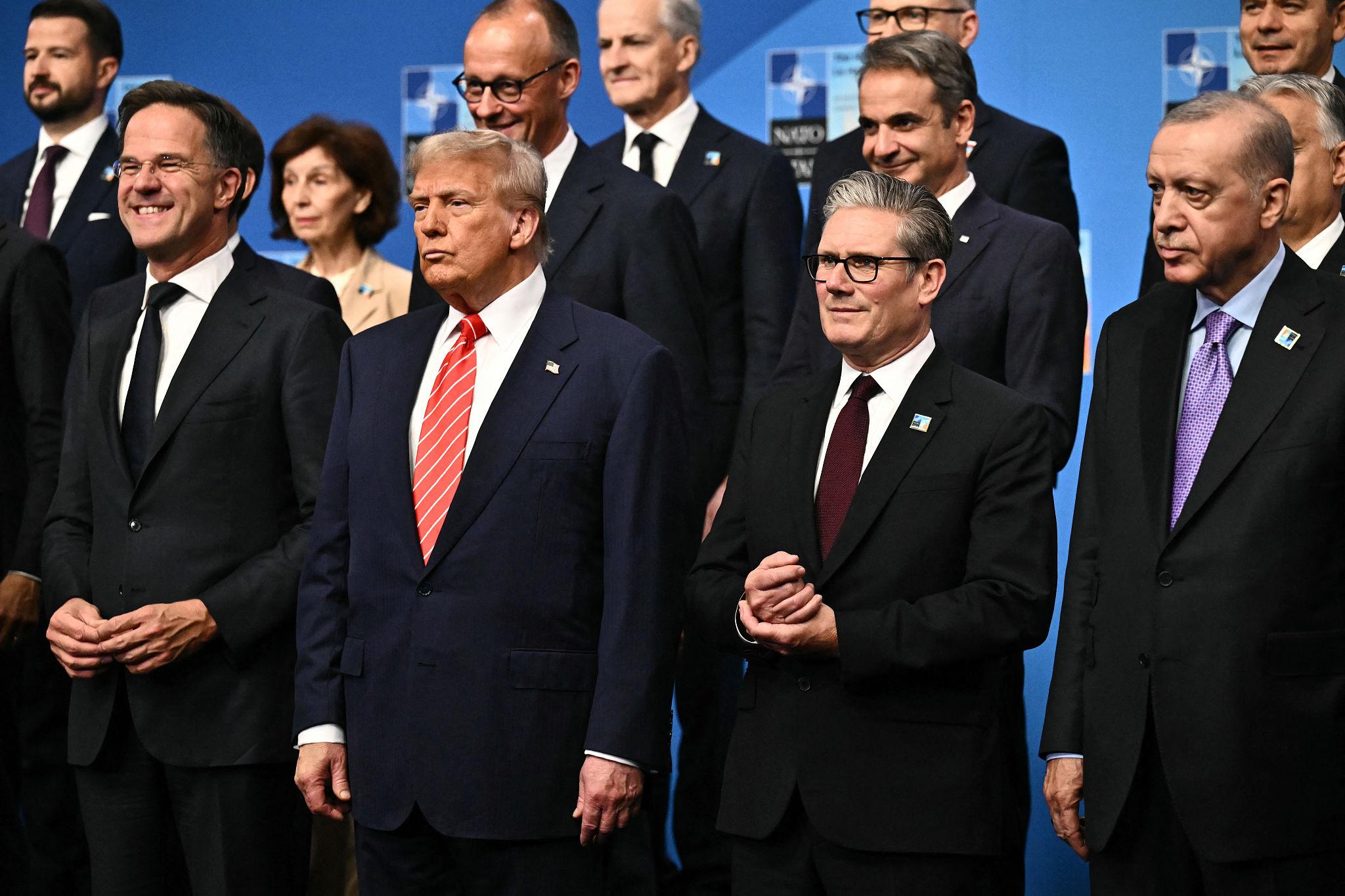
One of the most debated outcomes of Trump-era policies is the strain placed on long-standing alliances.NATO partners, European allies, and even close partners like Canada and Japan experienced uncertainty due to shifting commitments and public criticism. This created a perception that the United States was less predictable on the global stage.
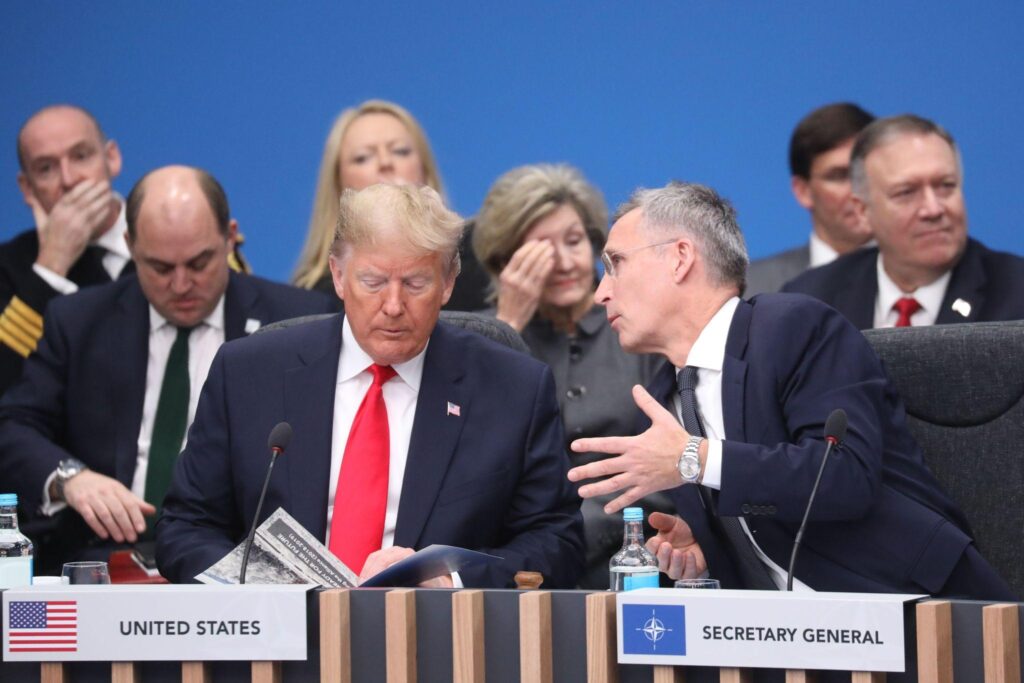
Over time, this shift forced many allies to rethink their own defense and economic strategies. European nations increased defense spending independently, while some countries began strengthening regional alliances without relying as heavily on Washington. While this may have encouraged self-reliance, it also reduced unified global coordination, which has historically been a strength of U.S.-led alliances.
Trade Wars and Economic Ripple Effects
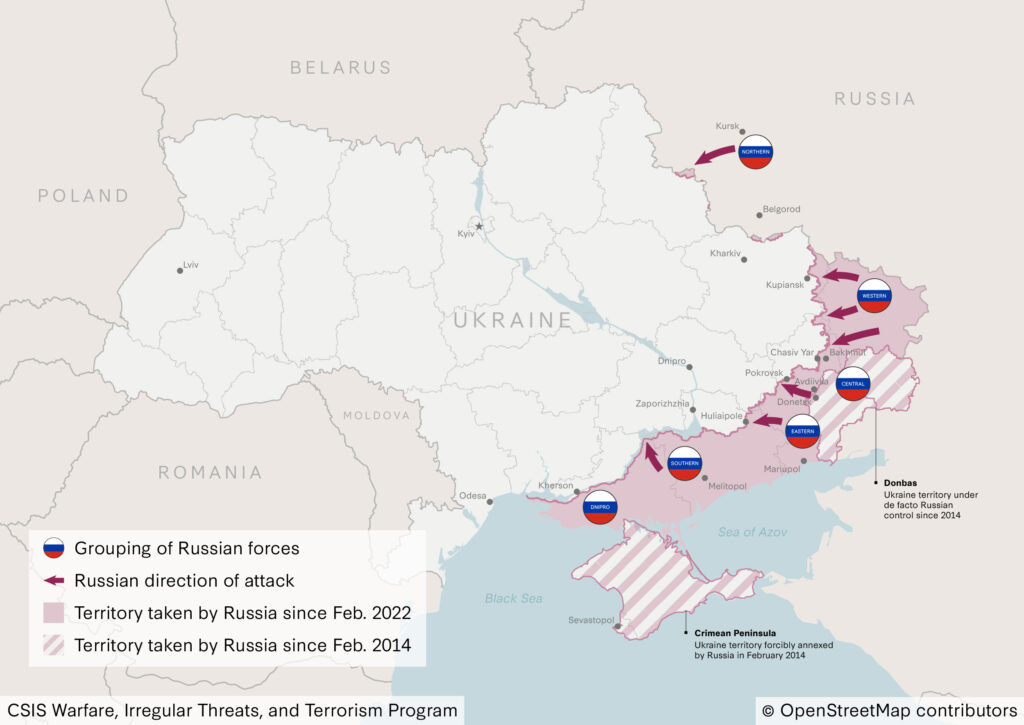
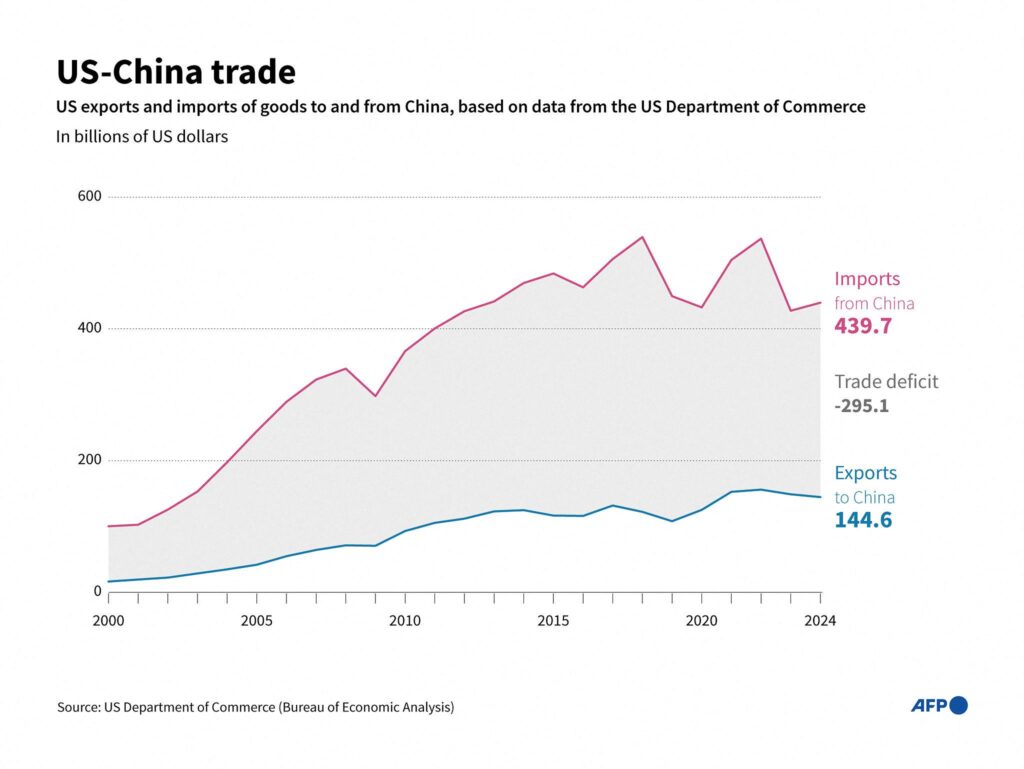
Trade tensions, especially with China, marked a defining feature of Trump’s policies. Tariffs and counter-tariffs disrupted global supply chains and reshaped international trade relationships. While the goal was to protect American industries, the broader impact was more complex.
Data from multiple economic reports show that U.S. imports and exports faced volatility during and after these trade disputes. Companies were forced to relocate supply chains, leading to higher costs for businesses and consumers. Even in 2025, the aftereffects are still visible, with ongoing trade friction contributing to inflation pressures and a slower global economic recovery.
Rising Tensions With Global Powers
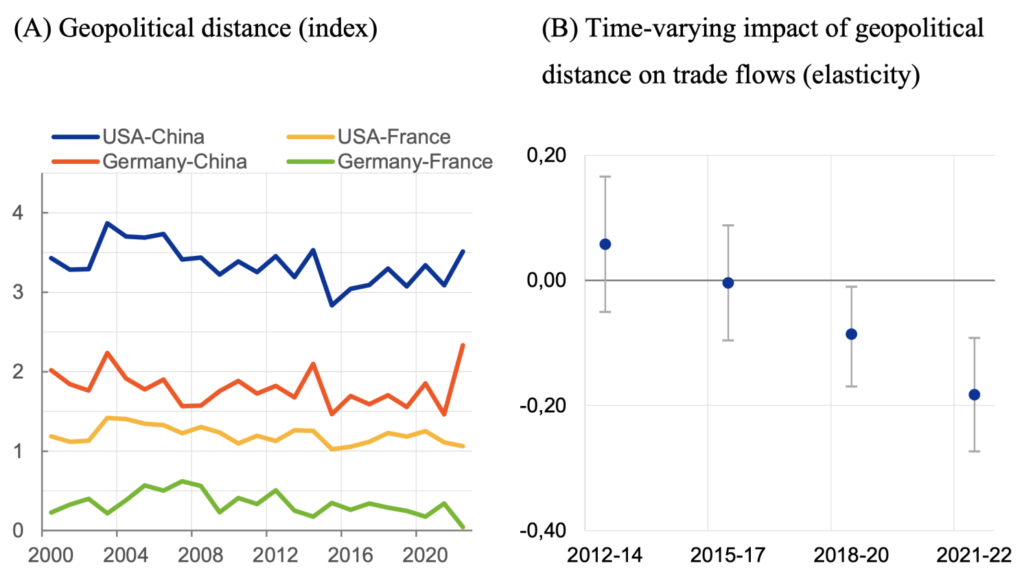
Another critical concern is how relationships with major global powers evolved. U.S.-China tensions intensified significantly, with disagreements spanning trade, technology, military presence, and geopolitical influence. Similarly, relations with Russia remained complicated, particularly regarding election interference concerns and geopolitical conflicts.
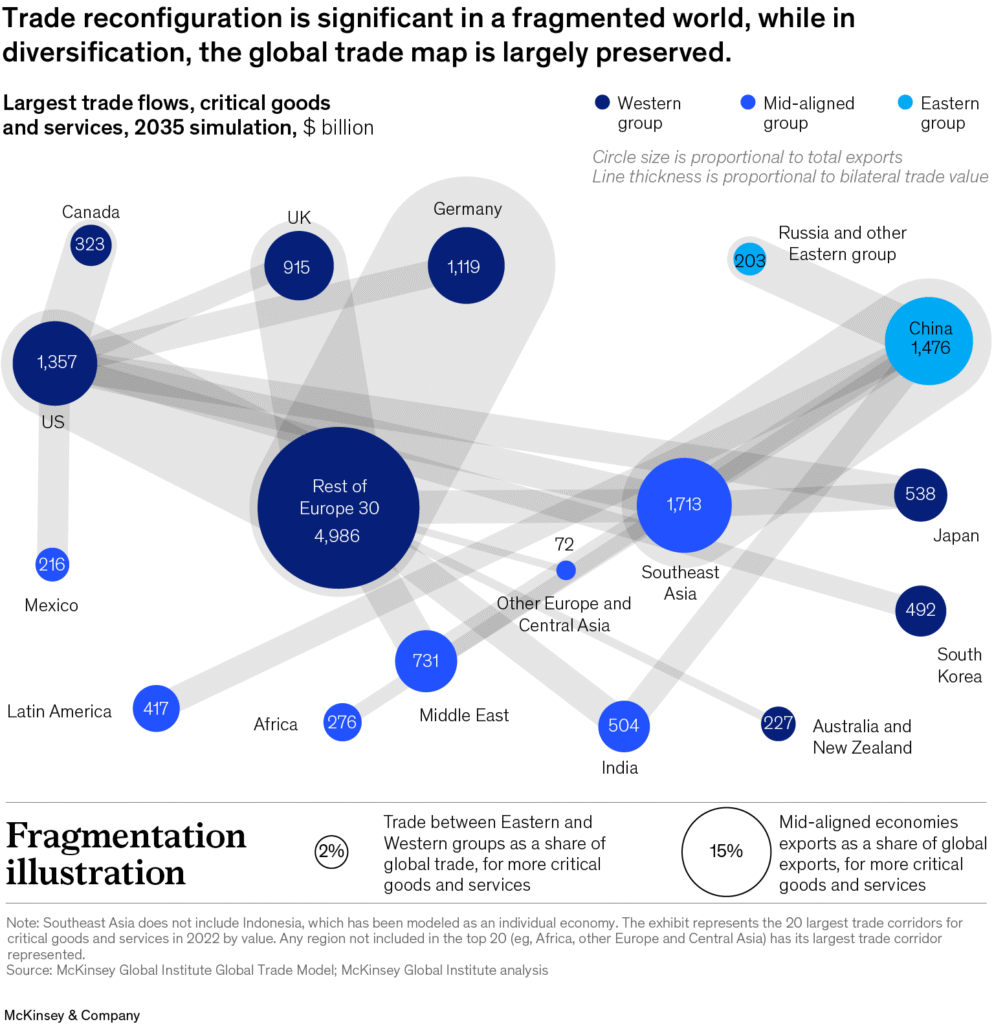
These strained relationships have contributed to a more fragmented global order. Instead of clear cooperation between major powers, the world is increasingly divided into competing blocs. This shift increases the risk of conflict, whether through direct confrontation or proxy wars in strategic regions.
Domestic Decisions With Global Consequences
Some domestic policy choices also had international effects. Immigration restrictions, withdrawal from global agreements, and changes to environmental commitments signaled a shift toward a more inward-focused approach. While these decisions were aimed at prioritizing national interests, they also reduced U.S. influence in global discussions.
For example, stepping back from international climate agreements created opportunities for other countries to take leadership roles. This shift not only impacted environmental policy but also economic and technological leadership in emerging industries like renewable energy.
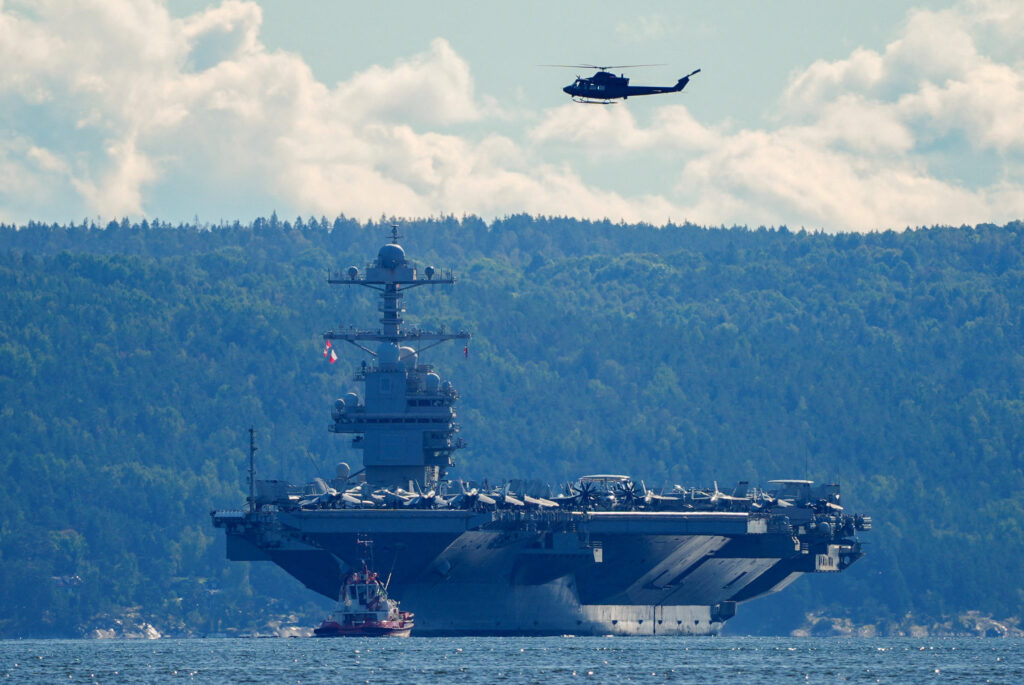
Security Experts Warn of Long-Term Risks
Security analysts argue that the long-term risks are still unfolding. Intelligence and defense experts point to increased cyber threats, regional instability, and weakened diplomatic channels as key concerns. Without strong alliances and a consistent foreign policy, responding to global crises becomes more difficult.
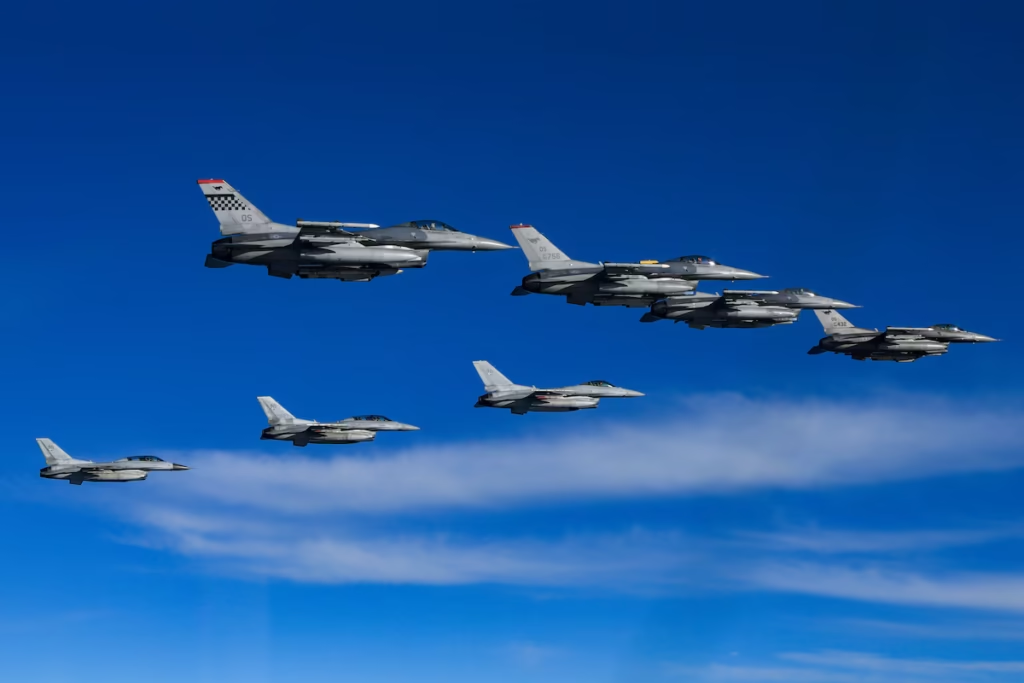
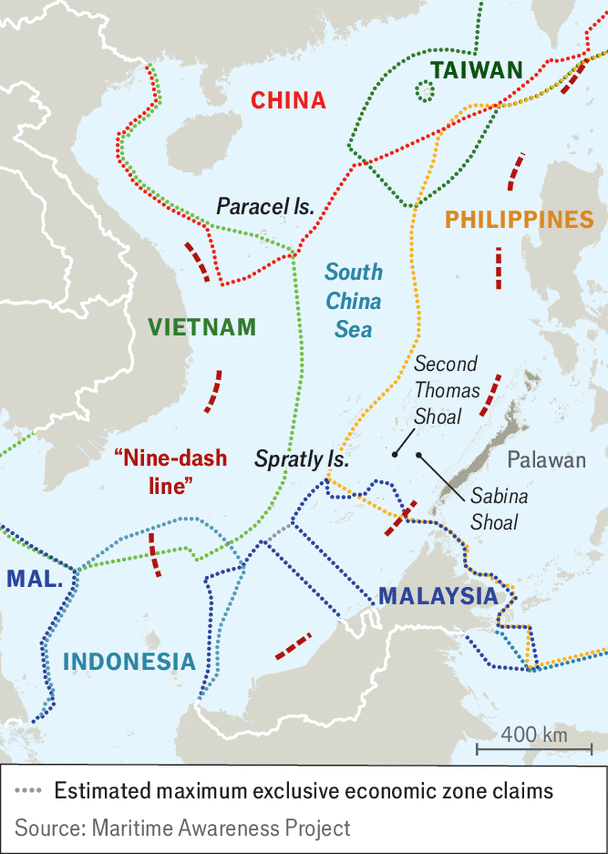
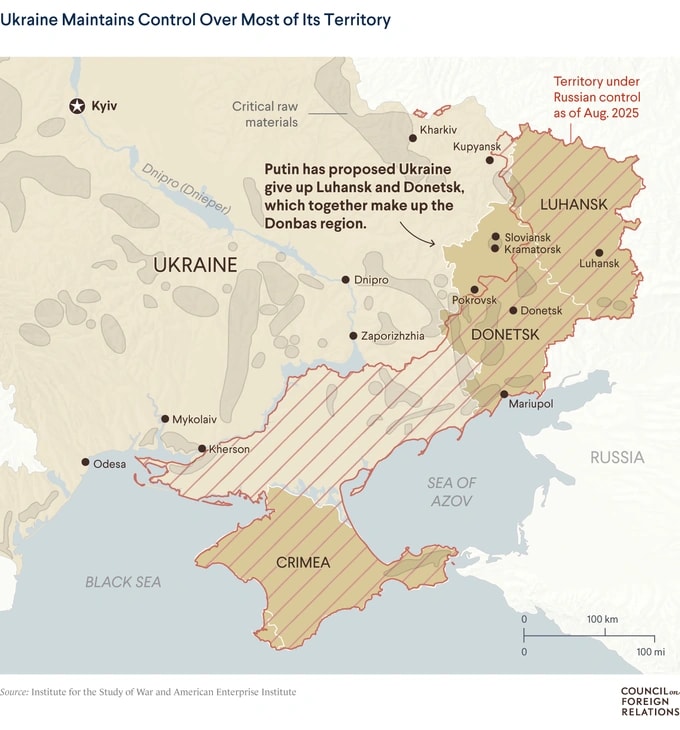
Recent data from defense think tanks suggests that global conflict risk indicators have risen in the past few years. While not solely caused by any one administration, the cumulative impact of policy shifts has contributed to a more uncertain security environment. This includes challenges in coordinating responses to crises such as Ukraine tensions, Middle East conflicts, and Indo-Pacific disputes.
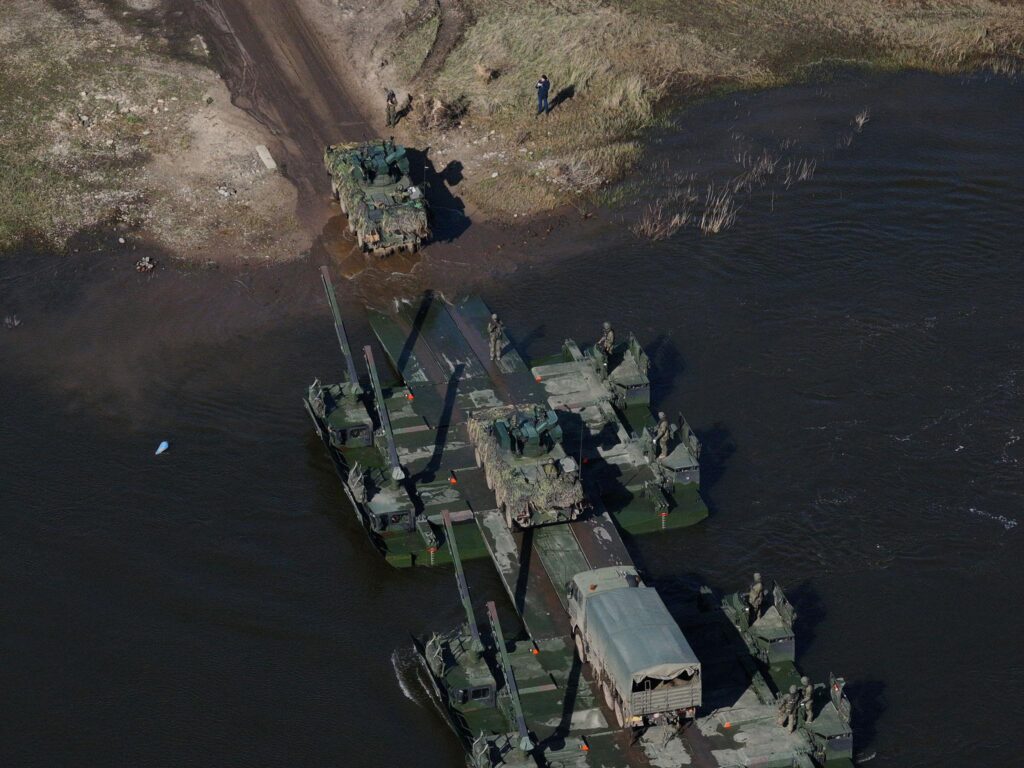
The Debate: Strategy or Strategic Mistake?
Supporters of Trump’s policies argue that challenging global norms was necessary to correct imbalances and prioritize American interests. They believe that pushing allies to contribute more and confronting trade imbalances ultimately strengthened the U.S. position.
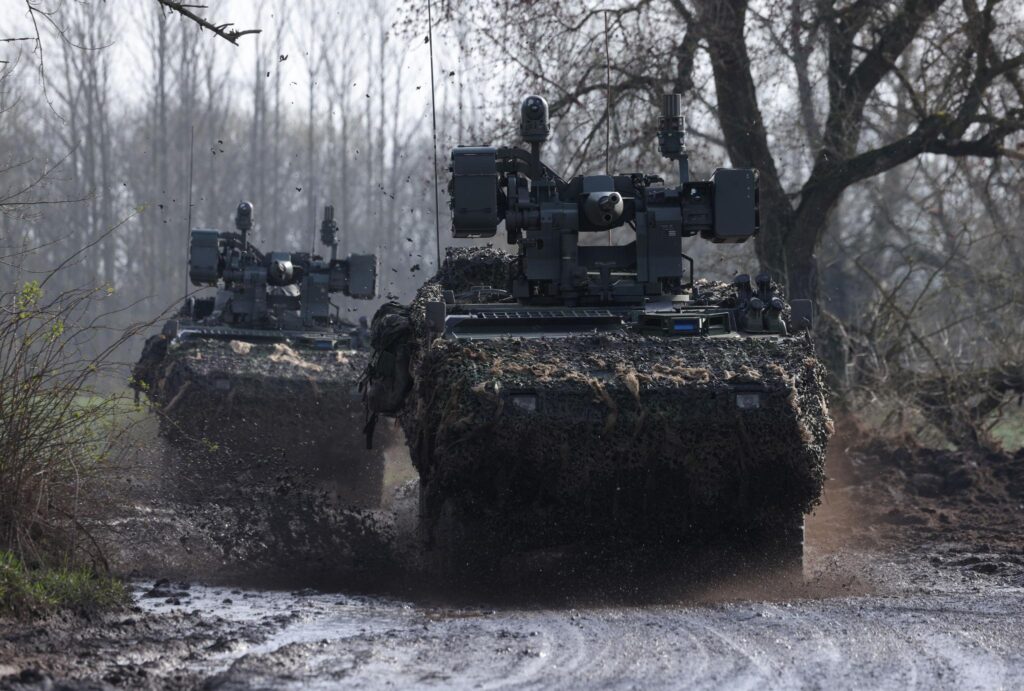
Critics, however, argue that the approach created instability and weakened trust. They point out that diplomacy and alliances are long-term investments, and disruptions can take years or decades to repair. The debate remains ongoing, with both sides presenting strong arguments backed by data and geopolitical developments.
What Happens Next for the United States?
Looking ahead, the key question is how the U.S. rebuilds or redefines its global role. Current policymakers are working to restore alliances, stabilize trade relationships, and address emerging threats such as cyber warfare and artificial intelligence competition.
The outcome will depend on a consistent strategy, global cooperation, and the ability to adapt to a rapidly changing world. As new challenges arise, from economic shifts to military conflicts, the importance of strong international relationships becomes even more critical.
Understanding these dynamics is essential. Global stability directly impacts markets, economic growth, and national security. The decisions made today will shape the global order for years to come.
Subscribe to trusted news sites like USnewsSphere.com for continuous updates.