U.S. Push to Control Venezuela’s Vast Oil Reserves Sparks Global Debate and Corporate Divide
The U.S. government’s evolving strategy to harness Venezuela’s enormous oil resources — following the capture of President Nicolás Maduro — has become a seismic moment in global energy, geopolitics, and corporate strategy. With President Donald Trump publicly leaning toward excluding ExxonMobil from future investment after its leadership called Venezuela “uninvestable,” the situation has ignited fierce debate among policymakers, CEOs, and international markets.
Analysts say this move could redefine U.S.–Venezuela relations, reshape oil markets, and influence where America’s biggest oil companies choose to invest in the coming decade. At stake is not only Venezuela’s oil wealth — among the largest in the world — but also questions about legality, international diplomacy, and corporate risk tolerance.
The Strategic Stakes: Venezuela’s Oil and U.S. Ambitions
Venezuela sits atop the largest proven oil reserves in the world, with estimates of roughly 300 billion barrels — accounting for nearly 17% of known global reserves.
For decades, these resources have been underutilized due to political instability, sanctions, and infrastructure decay. But the recent U.S. military intervention and capture of Maduro has created a new chapter in the feature-length story of Venezuelan oil.
The Trump administration’s strategy hinges on two core objectives:
- Securing access and control over Venezuelan crude, which could benefit both U.S. energy security and domestic gasoline prices.
- Incentivizing U.S. oil companies to invest billions in rebuilding Venezuela’s oil industry, a project expected to require tens of billions of dollars.
The White House has also taken unorthodox steps like seizing oil tankers linked to Venezuela and announcing that 30–50 million barrels of previously blocked crude may be sold on international markets under U.S. control.
Despite these dramatic moves, rebuilding production — which once stood at millions of barrels per day — remains risky, costly, and complicated.
Trump and ExxonMobil: A Rift Over Venezuela’s Viability
A major flashpoint in the unfolding drama has been the reaction of U.S. oil giants to the administration’s call for investment.
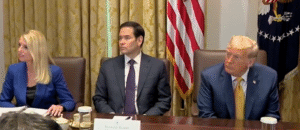
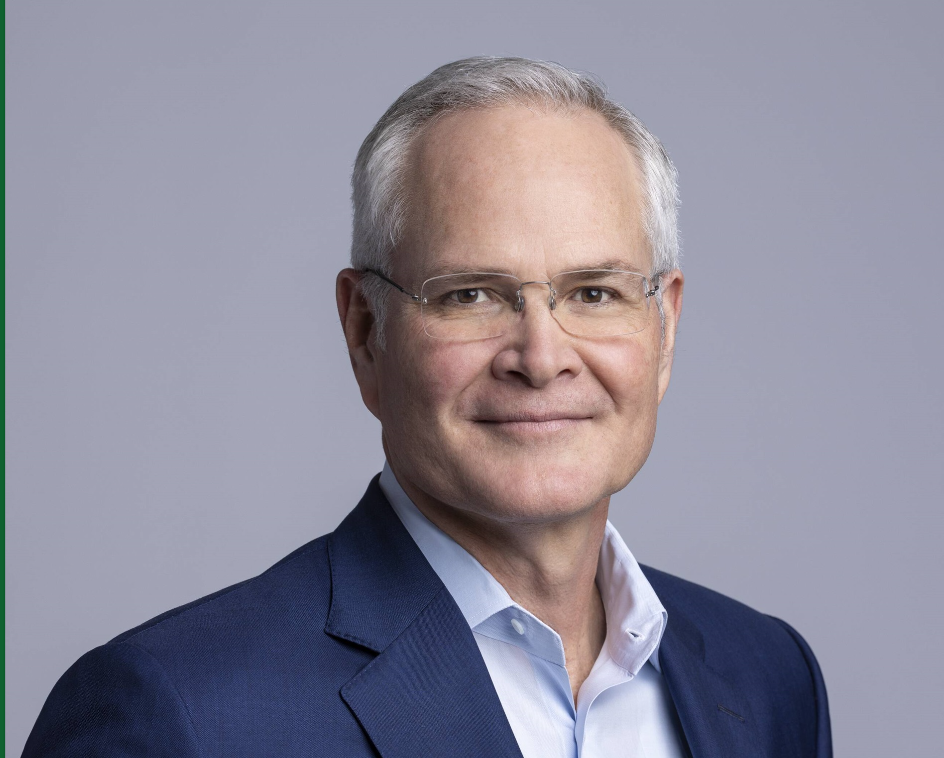
At a recent White House meeting, ExxonMobil’s CEO, Darren Woods, described Venezuela currently as “uninvestable” due to legal uncertainty, political risk, and damaged infrastructure.
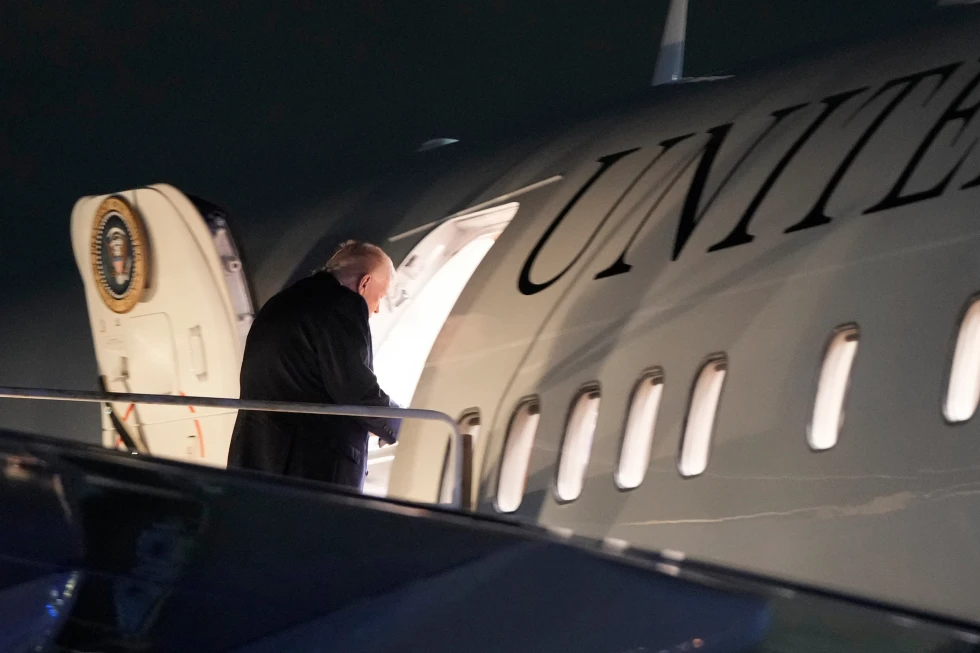
In response, President Trump signaled he might keep ExxonMobil out of Venezuela’s future oil development, criticizing the company’s cautious stance and saying on Air Force One that they were “playing too cute” with their comments.
This public dispute marks a rare moment of presidential critique of a major American corporation and reflects the administration’s commitment to pushing its oil agenda — even at the cost of corporate frustration.
Other companies, like Chevron, have taken a different path by supporting continued engagement with Venezuela and spending heavily on lobbying efforts to remain active in the region.
The divide among U.S. oil majors underscores the enormous business and political challenges involved. For Exxon, which historically invested in Venezuela before assets were nationalized in the 2000s, a return remains fraught with uncertainty. For Chevron and others, the opportunity to expand production is too significant to ignore.
Legal Moves and Oil Revenue Control
Beyond corporate feuds, the Trump administration has also pursued executive actions to solidify control over Venezuelan oil and its revenues.
An executive order recently signed by Trump seeks to protect Venezuelan oil revenues from legal claims that could undermine stabilization efforts — hinting at long-term U.S. involvement in how profits from Venezuelan crude are allocated.
Additionally, U.S. sanctions and maritime actions like the oil blockade under Operation Southern Spear have been aimed at weakening the Maduro regime and restricting its finances.
These legal and military strategies signal that the U.S. intends to maintain leverage in Venezuela’s oil sector for years to come — a stance that will influence international energy markets and diplomatic relations.
Global Response: Markets, Allies, and Adversaries
The geopolitical ramifications of the U.S. push into Venezuelan oil extend well beyond Washington.
Energy markets have reacted with volatility, as traders and investors try to gauge how Venezuelan oil — once subject to sanctions — might re-enter the global supply chain under U.S. oversight. Lower oil prices or increased supply could ease energy costs for consumers, but also disrupt OPEC’s market control.
Countries like China — previously Venezuela’s largest oil customer — have expressed concern that U.S. actions undermine sovereignty and could strain economic ties. Russia, too, has positioned itself as a critic of Washington’s approach, intensifying great-power tension in energy diplomacy.
Meanwhile, Cuba, Venezuela’s historical ally and a major recipient of Venezuelan oil, has been pulled into the broader conflict. The White House declared that no more Venezuelan oil or financial aid will flow to Havana, urging Cuba to negotiate directly with the U.S. instead. Cuban leaders have responded defiantly, labeling U.S. overtures as infringements on sovereignty.
These developments make the situation not just an energy story but a global geopolitical flashpoint that could redefine alliances and trade patterns in the Western Hemisphere.
Economic and Human Impact at Home and in Venezuela
While headlines have focused on diplomatic and corporate maneuvers, the economic and social consequences — especially within Venezuela — are profound.
Years of sanctions and political upheaval have left Venezuela’s oil infrastructure degraded. Bringing production back to even half of its former capacity could take more than a decade and require massive capital investment.
For Venezuelan workers and communities, this presents both hope and uncertainty. On one hand, increased production could restore jobs, improve public services, and stabilize the economy. On the other hand, foreign control and profit redirection may raise ethical questions about who truly benefits from Venezuela’s natural wealth.
In the U.S., politicians on both sides of the aisle are watching closely. Some argue that securing Venezuelan oil resources strengthens America’s energy independence. Others warn that entanglement in Venezuela could lead to long-term political costs and blowback from adversaries.
The debate captures a larger national dilemma: how to balance strategic interests with ethical foreign policy in a world where energy resources remain a central driver of power and influence.
Looking Ahead: What Comes Next?
As the situation continues to unfold, several key questions remain at the forefront:
- Will ExxonMobil ultimately re-enter Venezuela, or will Trump’s exclusionary stance stand?
- Can U.S. efforts to rehabilitate Venezuela’s oil sector succeed in the face of political, legal, and infrastructure challenges?
- How will international actors like China and Russia respond to American control of Venezuelan oil?
- What will this mean for oil prices, OPEC influence, and global energy security?
Whatever happens next, analysts agree that Venezuela’s oil saga is far from over — and its outcomes could reshape global energy strategies for years to come.
Subscribe to trusted news sites like USnewsSphere.com for continuous updates.