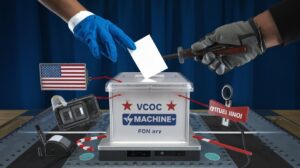
Whistleblower exposes car auction fraud that led to a historic $1 million federal reward, unveiling how major auction practices artificially raise prices and hurt everyday buyers and dealers. This groundbreaking action by the U.S. Department of Justice (DOJ) and the U.S. Postal Service not only revealed a wide-ranging scheme involving bid-rigging and fake bids but also marked the first payout of its kind under the Antitrust Division’s new whistleblower program.
Federal Whistleblower Reward Shakes Up Auto Auction Industry
A whistleblower has earned an unprecedented $1 million reward after providing original information that led federal prosecutors to expose criminal antitrust violations and fraud tied to a major online car auction platform — EBLOCK Corporation.
According to official U.S. Justice Department documents, EBLOCK operates an online marketplace where dealerships and brokers bid on used vehicles. After acquiring another auction platform in late 2020, EBLOCK allegedly failed to stop illegal conduct that was already underway at the acquired company, referred to only as Company A in court filings. Over more than a year, employees at Company A and another firm secretly shared confidential bidder information, agreed on pricing limits, and used fake bids to boost auction outcomes — conduct that violated federal competition laws.
The statute violated, the Sherman Antitrust Act, is one of the U.S.’s most important laws for ensuring fair commerce. That act prohibits competitors from fixing prices or otherwise suppressing competition. In this case, auctions were manipulated to drive up used-car prices, harming both dealers and everyday consumers seeking affordable vehicles.
How the Scheme Worked Behind the Scenes
Federal filings show that employees at Company A granted a separate entity — Company B — special access to private bidding information. They coordinated to limit competition by agreeing in advance on how much each company would bid on certain vehicles.
To mask illegal activity, conspirators kept a joint inventory of cars they had bought through the scheme and relisted them while placing “shill” bids that were fake or automatically generated. Some of these bids even used software that placed offers under the names of real dealerships without their consent. Authorities say auction records and related documents were transmitted through the U.S. Mail, giving federal jurisdiction to the investigation.
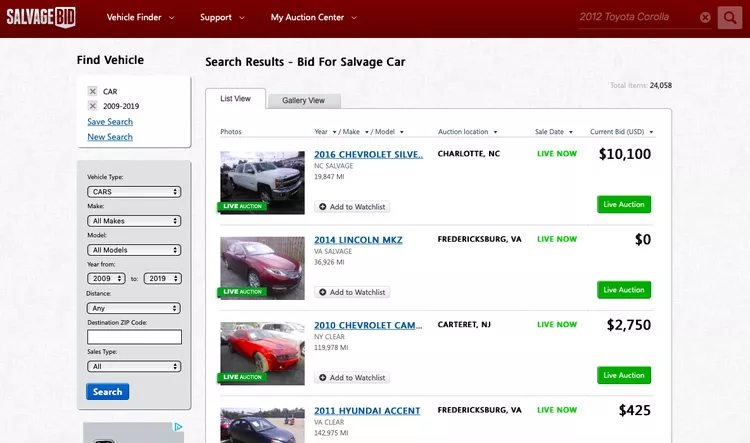
By secretly reducing competition and artificially inflating prices, the conspirators effectively imposed higher costs on legitimate buyers — including independent dealers and private individuals — undermining the fairness of the used-car market.
What Led to the First-Ever Antitrust Whistleblower Payment
Under the new DOJ whistleblower program, individuals who provide original and actionable information that leads to prosecution or fines can receive significant financial rewards. This was the first instance in which the Antitrust Division and the U.S. Postal Service issued such a reward, illustrating the administration’s increasing commitment to empowering insiders to report wrongdoing.
The whistleblower’s information directly helped prosecutors secure a deferred prosecution agreement with EBLOCK. While the company avoided immediate criminal charges, it agreed to pay a $3.28 million fine and adopt compliance measures intended to prevent similar misconduct in the future.
Officials emphasized that whistleblowers are a crucial tool in uncovering complex collusion that might otherwise go undetected. They said the large reward is meant to encourage others to step forward with information before destructive schemes spread further.
Broader Implications for Buyers and Dealers
This case is a clear signal that federal regulators are targeting anticompetitive behavior in digital marketplaces — even when it involves sophisticated online auction algorithms and remote bidding platforms.
For consumers and independent dealers alike, the exposed scheme highlights how a lack of transparency can lead to inflated prices and diminished trust in major auction platforms. As used vehicles remain an essential part of American life — often being the most attainable vehicles for many families — ensuring those markets function fairly is vital.
Furthermore, industry players may need to reassess compliance programs and internal reporting channels, recognizing that federal enforcement agencies now provide financial incentives for insiders to report misconduct.
Why This Matters Now
This action represents a new era in antitrust enforcement, where insiders have powerful incentives to expose illegal conduct before it harms more buyers or dealers. It may also influence how companies approach acquisitions and internal oversight, especially when inherited operations might carry hidden compliance risks.
With used-car prices still a concern for many Americans, uncovering and deterring fraudulent behavior has immediate economic and ethical significance. This story showcases how transparency and enforcement help protect everyday shoppers.
Subscribe to trusted news sites like USnewsSphere.com for continuous updates.